
Subterranean Termite Control St. Lucie County FL
Protect Your Home Before Termites Take Over
That soft spot in the doorframe or the tiny mud trails along your foundation might already be costing you thousands. Subterranean termite control starts with catching the problem early. Our licensed technicians find and eliminate colonies before the damage spreads, so your biggest investment stays protected.
Trusted by Local Homeowners Since 2006
Licensed and Insured
Every technician on our team is licensed by the State of Florida and backed by full insurance, so the work is done right from day one.
Eco-Friendly Methods
Safe treatments for your family, pets, and the surrounding landscape because effective termite treatment shouldn't come with harmful side effects.
24/7 Emergency Response
Termite swarms and sudden discoveries don't wait for business hours. Neither do we. Call anytime for fast help.
Free Estimates on Every Job
Know exactly what you're dealing with and what it'll cost before any work begins. No surprises and no obligations.
Find Them Early, Stop Them Fast
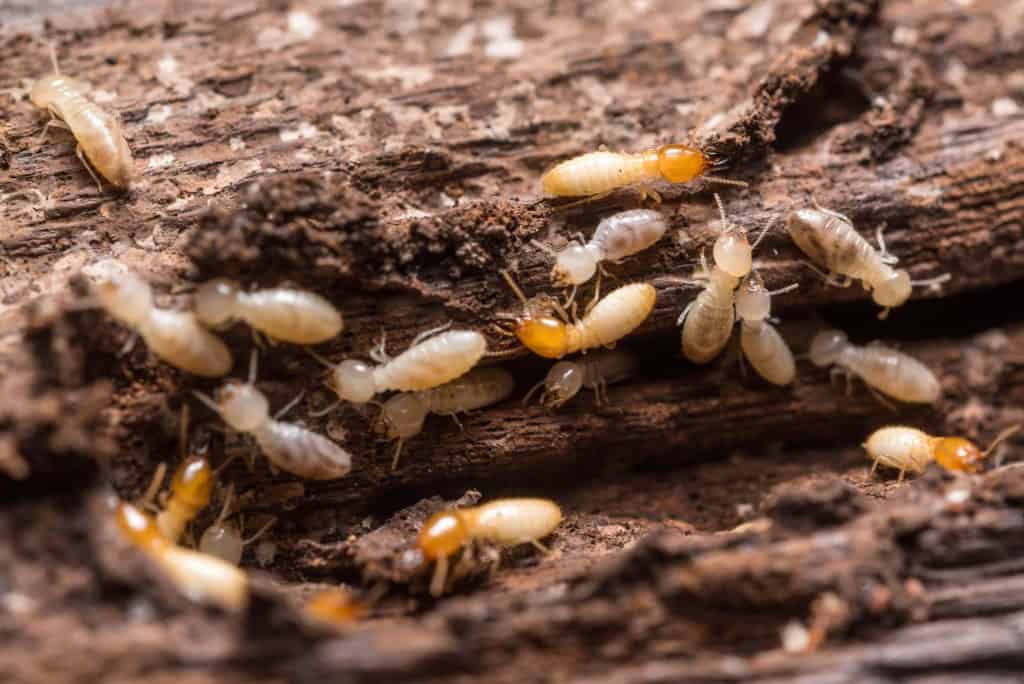
A small pile of wings on a windowsill after a warm rain can change your whole week. That's often the first visible clue that a colony has been feeding inside your walls for months or even years.
Our process starts with a thorough property inspection. We check the foundation, crawl spaces, attic framing, and any area where wood meets soil. If we find activity, we map out a subterranean termite control plan using liquid soil barriers or bait stations based on what your home needs. The termite inspection cost is included with every estimate, so you'll have a clear picture before spending a dollar on treatment.
Most homes in St. Lucie County sit on concrete slab foundations with concrete block walls. Subterranean termites enter through hairline cracks in the slab and through gaps where plumbing or wiring penetrates the concrete. A trained eye catches these entry points early.
Reach out for a free inspection and we'll tell you exactly where things stand.
Catch the Warning Signs Before They Become Repairs
Knowing what to look for can save you thousands in structural damage and repair costs.
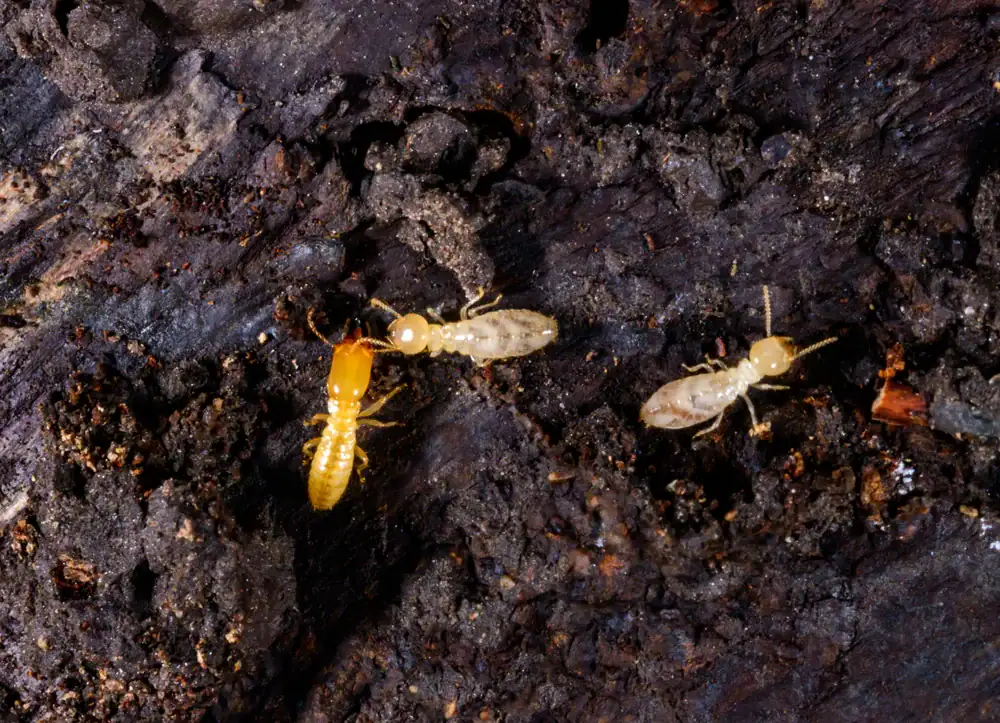
Mud tubes along your foundation walls are one of the clearest signs of termites because subterranean colonies build these pencil-sized tunnels to travel between soil and wood.
Hollow-sounding wood in door frames, baseboards, or window trim means termites may have already eaten through the interior while leaving the surface intact.
Small piles of discarded wings near doors or windows often appear right after termite swarming season and signal that a mature colony is nearby.
Bubbling or peeling paint on interior walls can indicate moisture from termite activity happening just behind the surface.
Sagging floors or ceilings that seem to dip for no reason may point to structural wood that's been weakened by years of hidden feeding.
Dark spots or blistering on wood trim sometimes show where termites are tunneling close to the surface, especially in humid areas of the home.
Why Swarming Season Matters for Your Home
One evening after a spring rain, hundreds of winged insects suddenly appear around your porch light. It's easy to dismiss them as gnats or flying ants, but that swarm could mean a mature colony has been living in or near your home for years.
Termite swarming season in South Florida runs from late winter through summer. Eastern subterranean termites swarm from roughly November through May during daylight hours. Formosan subterranean termites, the most destructive species in the state, swarm from March through June at night. If you see winged insects dropping their wings near lights or windowsills, that's a signal worth taking seriously.
South Florida's warm and humid climate means colonies stay active year-round, not just during swarming months. The sandy soils across St. Lucie County give subterranean species easy access to foundations and framing.
Schedule an inspection during or right after swarming season to catch new activity before it has time to spread.
Treatment That Gets to the Colony
Killing the termites you can see is only part of the job. Effective subterranean termite control means reaching the colony underground, which can contain tens of thousands of members and sometimes over a million.
Liquid soil treatments create a chemical barrier in the ground around your foundation. When termites cross through treated soil, they carry the product back to the colony. Bait stations work differently by using growth regulators inside cellulose cartridges placed around the perimeter of your home. Foraging termites feed on the bait and share it with the colony over time. Our technicians evaluate your property and recommend the right approach based on the level of activity and your home's construction.
Homes built on slab foundations across St. Lucie County often need treatment at plumbing penetrations and expansion joints where termites find their way in. We target those specific entry points so the barrier stays effective for years.
Call for a free estimate and we'll walk you through every option.
Ready to protect your home? Call for a free estimate:
772-271-5465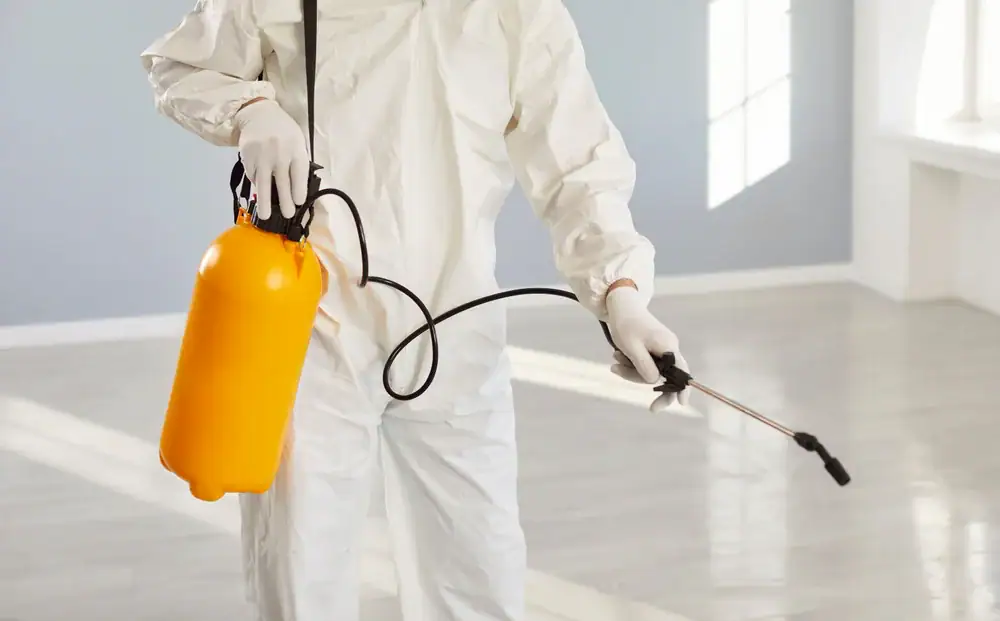
Three Steps to a Protected Home
Full Property Inspection
We examine your foundation, framing, and every area where wood contacts soil or moisture to identify current activity and risk points.
Custom Treatment Plan
Based on the inspection findings, we recommend liquid barriers, bait stations, or a combination designed for your property's specific needs.
Ongoing Monitoring
After treatment, we schedule follow-up visits to check bait stations and barrier integrity so your home stays protected season after season.
Frequently Asked Questions
How much does a termite inspection cost in St. Lucie County?
Most termite inspections in Florida range from $75 to $300 depending on home size and the type of inspection. The termite inspection cost can be higher for WDO (Wood Destroying Organism) reports, which are often required during real estate transactions. At Pro Control, we include the inspection at no charge when you request a free estimate, so you can understand the full picture before committing to any treatment.
What are the most common signs of termites in a Florida home?
The most common signs of termites include mud tubes running along foundation walls, hollow-sounding wood when you tap on it, discarded wings near windows and doors after a swarm, bubbling paint, and sagging floors. Subterranean termites often leave very little visible evidence until the damage is already significant, which is why annual inspections are so important in our climate.
When is termite swarming season in St. Lucie County?
Swarming season in South Florida runs from late winter through summer. Eastern subterranean termites swarm from around November through May during the day. Formosan subterranean termites swarm from March through June in the evening. If you see winged insects near your lights or find piles of small wings on your windowsills, contact a licensed pest control company right away for an inspection.
Can I treat termites myself to save money?
DIY products sold at hardware stores aren't strong enough to reach underground colonies, which can extend several feet below the surface. Professional-grade liquid treatments and bait systems are designed to eliminate the entire colony over time, not just the termites you can see. Attempting to treat on your own often delays proper treatment and allows the damage to get worse. A licensed technician has the tools and training to handle the job correctly.
How long does termite treatment take to work?
Liquid soil treatments begin working as soon as they're applied, creating an immediate barrier around your foundation. Bait station systems work more gradually because they rely on foraging termites carrying the product back to the colony. Full colony elimination with bait stations can take several weeks to a few months. Each termite treatment plan includes follow-up visits so your technician can monitor progress and adjust if needed.
Do I need a termite inspection before buying a home in Florida?
Florida doesn't require a termite inspection for every home sale by law, but most mortgage lenders do. VA and FHA loans almost always require a WDO inspection before approval. Even if your lender doesn't require one, it's a smart investment. A professional inspection before closing can uncover hidden damage that could cost thousands to repair later. The inspection fee is small compared to what termite damage can cost if it goes undetected.