


Treasure Coast and Palm Beach County
Flea & Tick Control
Fleas and ticks don’t just affect your pets—they can be found inside the home and in lawns, shaded areas, and landscaping. ProControl provides professional flea and tick treatment inside the home, outside, or both, across the Treasure Coast and Palm Beach County.
We inspect the areas where you are seeing activity, then treat the interior, the exterior, or both, as the inspection shows is needed, following the product labels. Interior work covers carpeting, furniture, baseboards, and other appropriate areas. About two weeks later, we call to check progress, with further treatment if needed. Serving Port St. Lucie, St. Lucie County, and the Treasure Coast and Palm Beach County.

A ProControl technician treating a lawn, with a branded ProControl truck in the driveway.
- Locally owned since 2006
- Two state-certified operators
- Interior, exterior, or both
- Carpeting, furniture, and baseboards
- Two-week follow-up call
Service scope
What Our Flea & Tick Service Covers
You can choose interior treatment, exterior treatment, or a combined interior and exterior service, based on what the inspection finds at your property.
-
Interior treatment
Interior work covers carpeting, furniture, baseboards, and other appropriate areas inside the home.
-
Exterior treatment
Targeted treatment of your lawn and shaded landscaping, where the inspection shows flea or tick activity, following the product labels.
-
Interior and exterior
A combined service when activity is found both inside the home and in the yard.
-
Pets need veterinary care
Ask your veterinarian about flea and tick prevention or treatment for your pets. We do not treat animals. This page describes our interior and exterior service for your home and yard.
Identification
Fleas
Fleas are small, wingless insects that feed on blood. They are usually associated with dogs, cats, and other pets, but they also bite people. Adults are dark, flattened from side to side, and have long hind legs for jumping.
Flea bites can cause itching and irritation, and fleas have been known to carry diseases. Pets and wildlife that rest in shaded, protected parts of a yard can bring fleas into those areas, and fleas can also live indoors, including in carpeting, furniture, and along baseboards.
Common reasons people call include pets scratching after time indoors or outdoors, and bites around the ankles or lower legs. Having a specialist identify what you are finding is more reliable than bites alone.
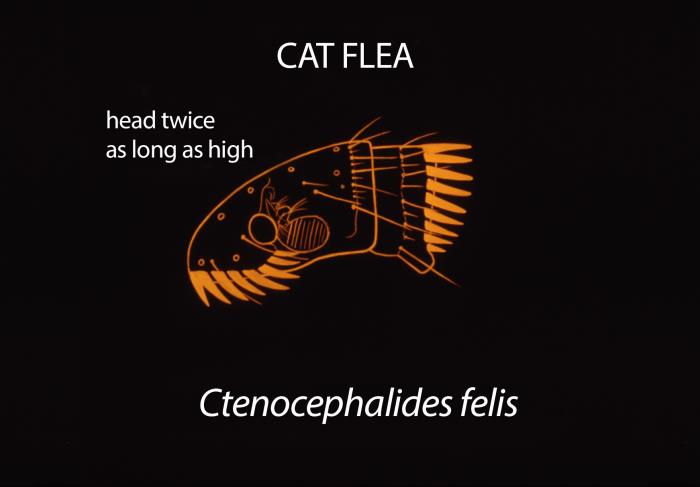
Cat flea (Ctenocephalides felis): partial illustration of the head and front of the body, not a photo. Content provider: CDC, 1976. CDC Public Health Image Library, PHIL #5089; free source: CDC website. Not a ProControl job photo.
Identification
Ticks
Ticks are very small arachnids that feed on the blood of mammals, including people, dogs, and cats. They cannot fly or jump. Instead, they wait on the tips of grasses and shrubs and climb onto a person or animal that brushes past.
Some ticks can carry diseases and transmit them to people. Lyme disease is associated mainly with the Blacklegged Tick. The Lone Star Tick shown here is a different species that can transmit other illnesses.
Ticks can also be brought inside on people or pets. When that happens, we can treat the interior, the exterior, or both, as the inspection shows is needed.
If a tick has been attached to you, ask your healthcare provider for advice. If a tick has been attached to your pet, ask your veterinarian.
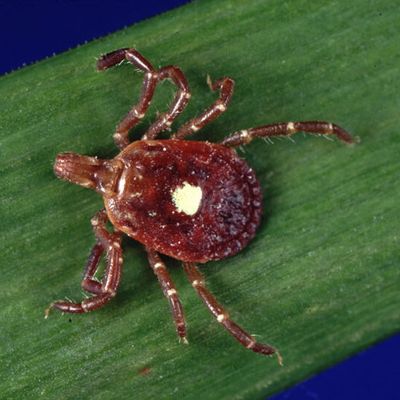
Lone Star Tick (Amblyomma americanum), female. Photo: James Gathany. Content provider: CDC/Michael L. Levin, Ph.D. CDC Public Health Image Library, PHIL #4407; free source: CDC website. Not a ProControl job photo.
How it works
Our Flea & Tick Process
- 1
Inspection
We look over the interior and exterior areas you are concerned about and talk through what you have been seeing on pets, people, or in the home and yard.
- 2
Targeted treatment
We treat the interior, the exterior, or both, where the inspection shows it is needed, following the product labels.
- 3
Re-entry
Keep people and pets off treated areas until your technician says it is OK, following the product label directions.
- 4
Two-week follow-up call
About two weeks after treatment, we call to check progress, with further treatment if needed.
After service
After Treatment and Follow-Up
Your technician will tell you when people and pets can go back onto treated areas. Follow those instructions and the product label; there is no single waiting time that applies to every product and property.
Wildlife, pets, and neighboring properties can bring fleas and ticks back into a yard, and activity can also return inside the home, so you may still notice some activity after service. If you do, contact us so we can assess it and advise on next steps. We also call about two weeks after treatment to check progress, with further treatment if needed.
The two-week follow-up call
About two weeks after treatment, we call to check on progress and decide together whether further treatment is needed. You do not need to wait for that call to report activity; contact us anytime after service.
Common questions
Frequently Asked Questions
Do you treat fleas and ticks inside the home, outside, or both?
Yes. We provide interior treatment, exterior treatment, or a combined interior and exterior service. Interior work covers carpeting, furniture, baseboards, and other appropriate areas. Contact us to discuss what you are finding at your property.
Do you treat pets?
No. We do not treat animals. Your veterinarian is the right person to recommend flea and tick prevention or treatment for your pets.
When can my family and pets go back into treated areas?
Follow your technician’s instructions and the product label. Your technician will tell you when people and pets can go back into treated interior rooms or onto treated outdoor areas; there is no single waiting time that applies to every product and property.
Is there a follow-up after treatment?
Yes. About two weeks after treatment, we call to check on progress and decide together whether further treatment is needed. You do not need to wait for that call to report activity; contact us anytime after service.
Can ticks here transmit Lyme disease?
Some ticks can transmit diseases. Lyme disease is associated mainly with the Blacklegged Tick. The Lone Star Tick is a different species that can transmit other illnesses. If a tick has been attached to you, ask your healthcare provider; if it was on your pet, ask your veterinarian.
Where do you provide this service?
In Port St. Lucie, St. Lucie County, and across the Treasure Coast and Palm Beach County. Call or text 772-579-0230.
Treasure Coast and Palm Beach County
Need Help With Fleas or Ticks?
ProControl provides professional flea and tick treatments inside the home, outside, or both, across the Treasure Coast and Palm Beach County. Interior work covers carpeting, furniture, baseboards, and other appropriate areas. Contact our local team for a free estimate.
Related services
Learn more: CDC: About Fleas | CDC: About Ticks and Tickborne Disease.
Image credits: ProControl job photo of a technician treating a lawn, with a branded ProControl truck in the driveway. Lone Star Tick photo by James Gathany; content provider CDC/Michael L. Levin, Ph.D.; CDC Public Health Image Library, PHIL #4407. Cat flea illustration: content provider CDC; CDC Public Health Image Library, PHIL #5089. Free source: CDC website. Use of these CDC images does not imply endorsement by CDC of ProControl or its services. The CDC images on this page are for identification only and are not ProControl job photos.