You’ll sleep through the night without scratching sounds overhead. Your attic won’t smell like urine or worse. The entry points that let animals in get sealed properly, not patched with hardware store foam that fails in three months.
Most wildlife problems in Fort Pierce South start small. One squirrel finds a gap near your roofline. One raccoon tears back a soffit vent. Then it’s babies in the insulation, chewed wiring, and contamination you can’t see but definitely smell.
The right approach removes the animals, cleans up what they left behind, and closes every access point they used. That’s how you actually solve it instead of just reacting to the same problem next season. You’re not paying for temporary relief—you’re getting your property back and protecting what you’ve invested in it.
We’ve handled wildlife removal in Fort Pierce South and throughout St. Lucie County since 2006. We’re licensed, insured, and we’ve seen what happens when raccoons nest in attics during summer or when rat populations explode in winter.
Fort Pierce South sits in an area where development keeps pushing wildlife into smaller spaces. That means more conflicts between homeowners and animals looking for shelter. We understand the seasonal patterns here—when bats start roosting, when raccoons have their young, when snakes become active.
Our team uses eco-friendly methods that work with Florida’s regulations, not against them. You’re working with people who live in this area and have handled these exact problems hundreds of times.
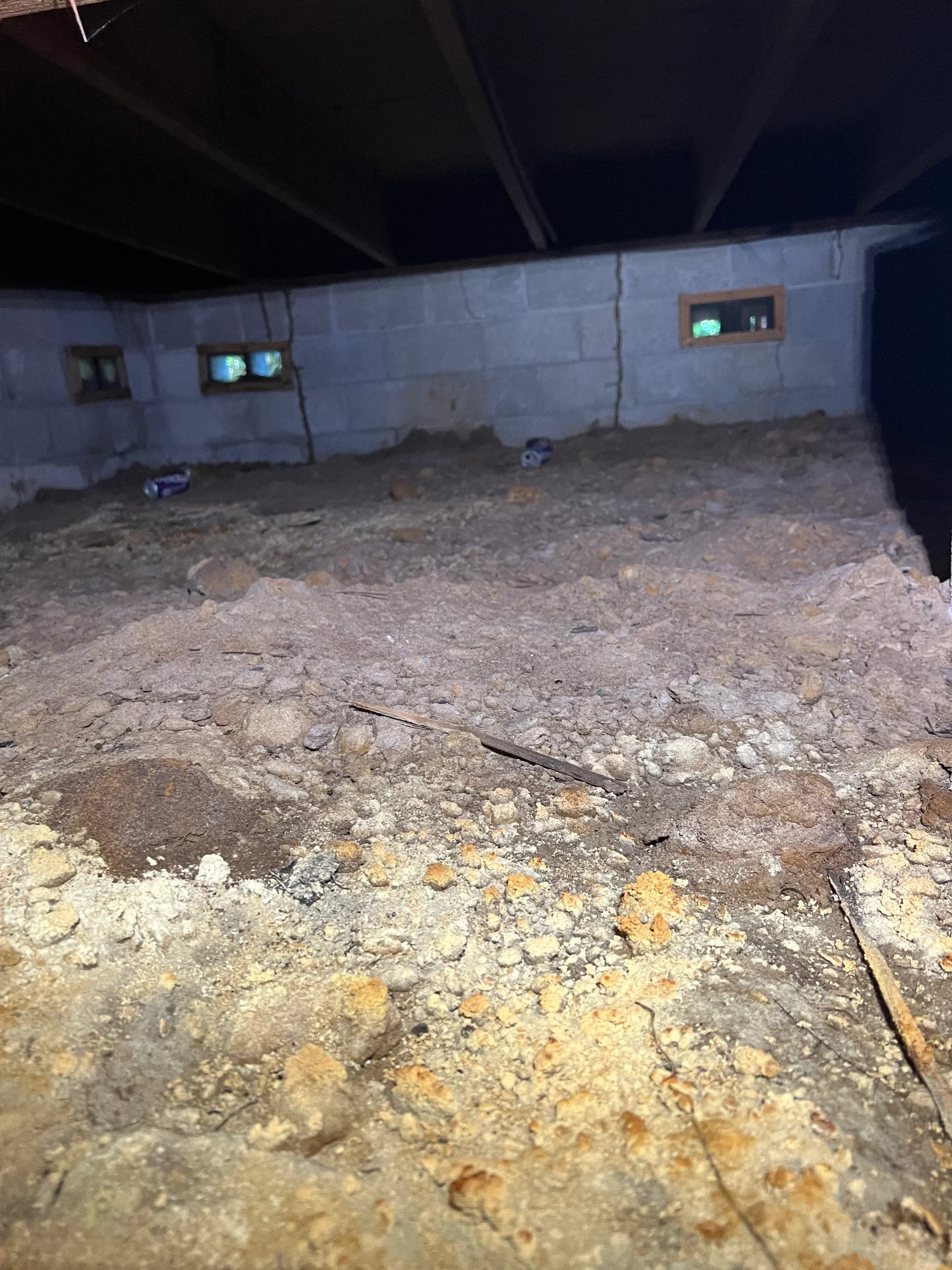
First, we inspect your property to find how animals are getting in and what species you’re dealing with. Most homeowners miss the actual entry points. We don’t. We check rooflines, vents, foundation gaps, and anywhere animals exploit weak spots in your home’s exterior.
Next comes removal. For raccoons and larger animals, we use humane trapping methods. For bats, we install one-way exclusion devices that let them leave but not return. If there are babies involved—and there often are during spring and summer—we remove them by hand to prevent them from dying in your walls and creating an odor problem you can’t fix without tearing into drywall.
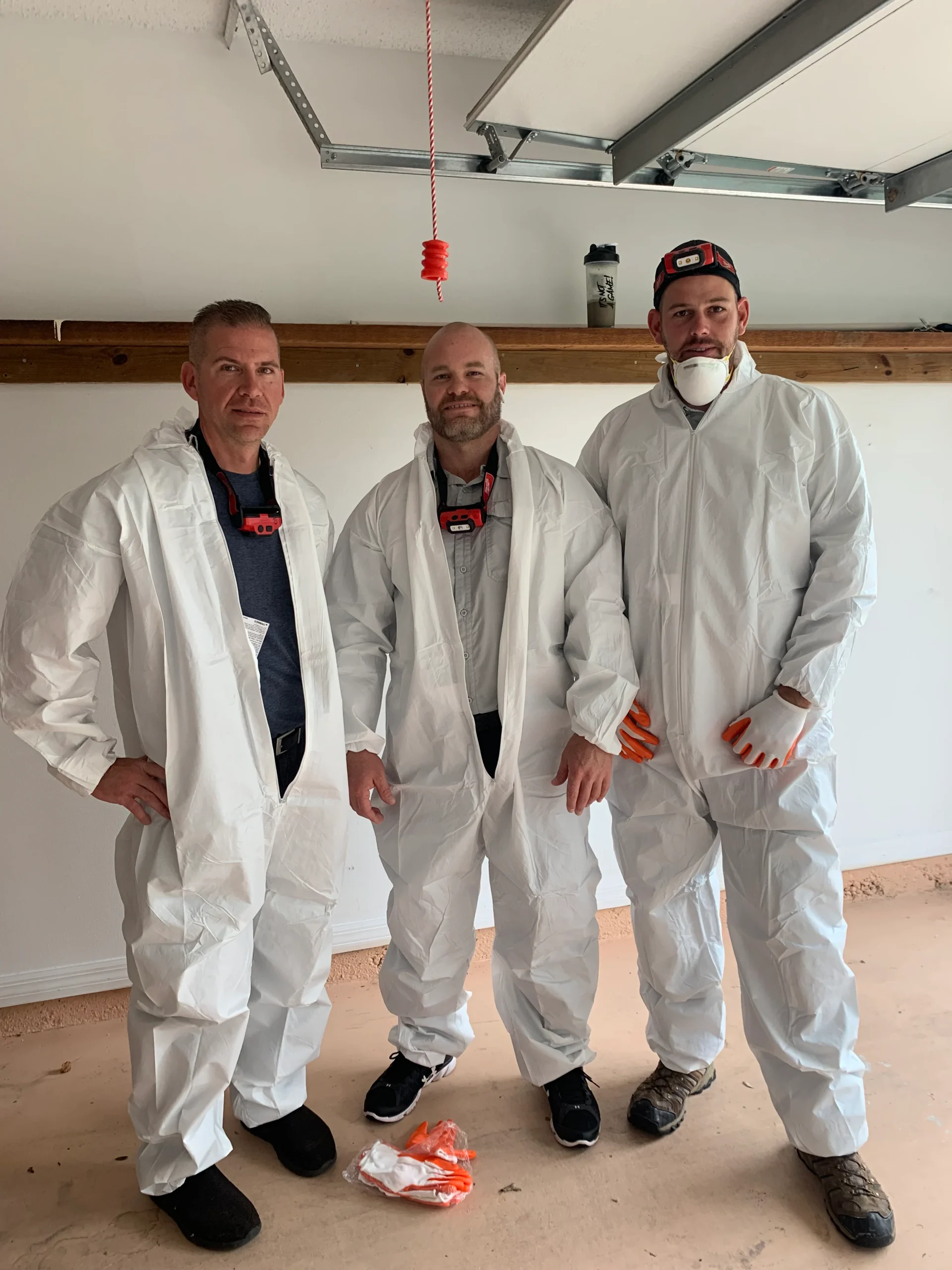
After the animals are out, we clean and decontaminate affected areas. Bat guano, rodent droppings, and contaminated insulation all get addressed. Then we seal every entry point with materials animals can’t chew through or tear apart. Finally, we offer follow-up inspections to verify nothing’s getting back in. You’ll know exactly what was done and why it matters.
You get a full property inspection that identifies all entry points, not just the obvious ones. Complete animal removal using methods appropriate for the species. If it’s raccoons, we trap them. If it’s a snake, we remove it directly. Bats require exclusion work because they’re protected in Florida during maternity season.
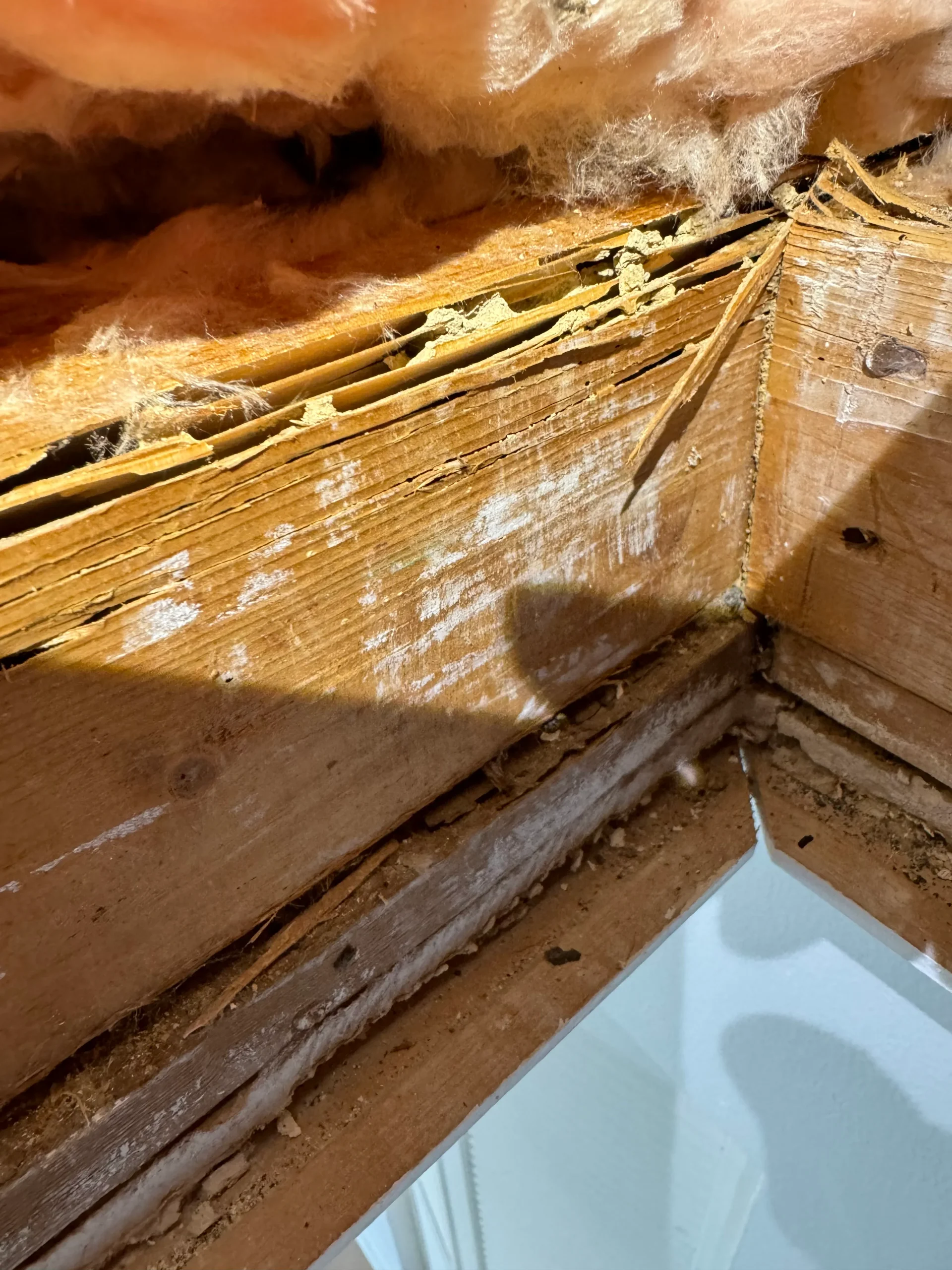
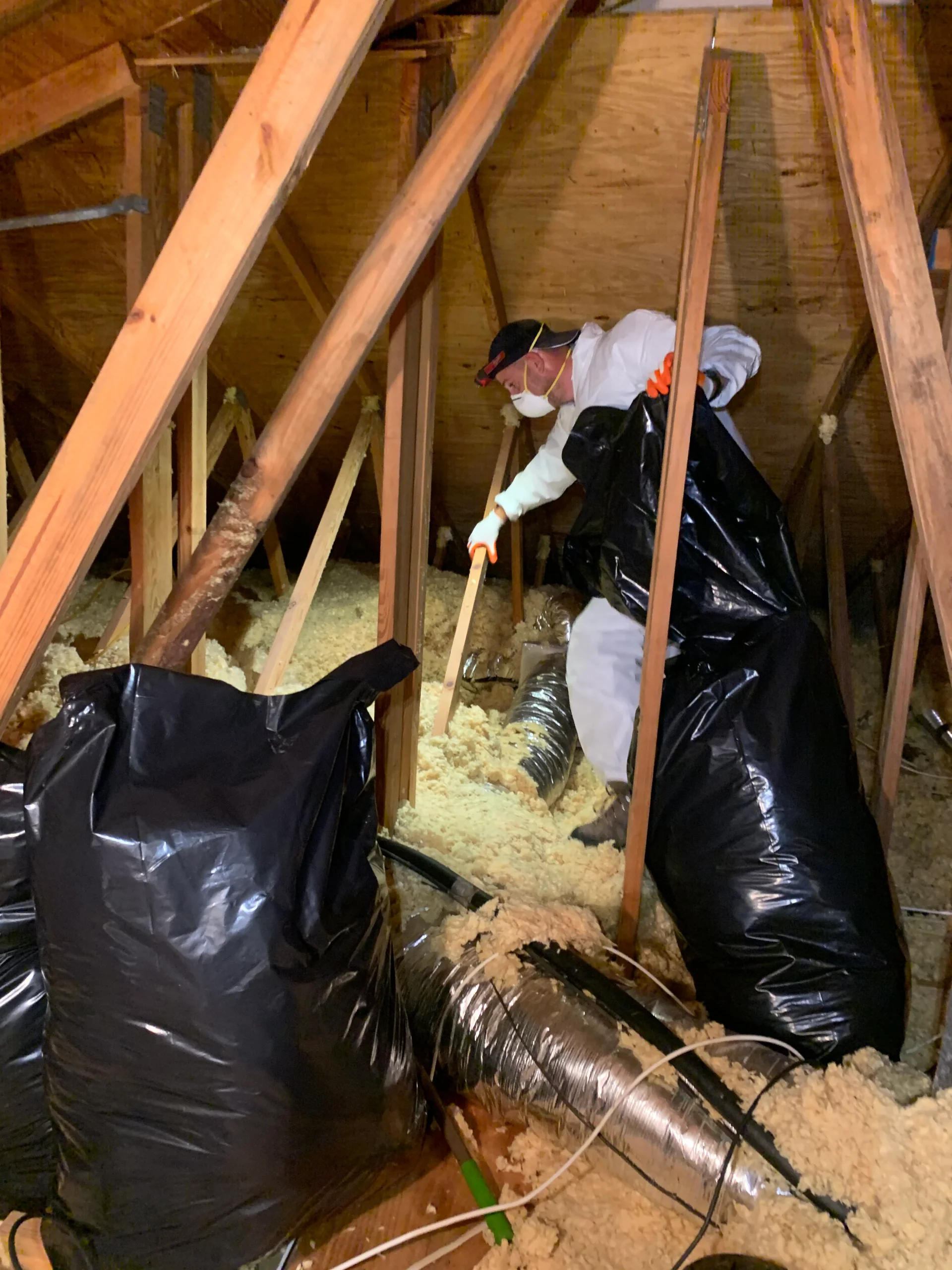
Attic cleanup and sanitization come standard when contamination is present. We remove soiled insulation, treat surfaces with disinfectant, and eliminate odors that attract new animals. Damage repair is part of the service too—we fix what the animals destroyed, from chewed ductwork to torn soffit vents.
Fort Pierce South homeowners deal with specific challenges. High humidity accelerates odor problems from animal waste. Seasonal patterns mean raccoons move into attics when they’re raising young. Rats reproduce fast here—one pair can become a colony in weeks. Our service addresses these local realities, not generic wildlife problems. You also get exclusion work that actually lasts, using materials rated for Florida’s climate and the animals common to this area.
Cost depends on the species, how many animals are involved, and how much damage has occurred. A single raccoon removal with basic exclusion work typically runs differently than a full attic restoration after months of bat infestation.
Most Fort Pierce South jobs fall into a range, but you won’t know your exact cost without an inspection. We offer free estimates so you can see what’s needed before committing to anything. The estimate covers removal, cleanup, repairs, and exclusion work—not just trapping the animal and leaving you to deal with the mess and open entry points.
Insurance sometimes covers wildlife damage, but it’s inconsistent. Sudden damage from a raccoon tearing into your roof might be covered. Ongoing rat problems usually aren’t. We document everything and provide the paperwork you need if you’re filing a claim.
Raccoons top the list. They’re nocturnal, strong, and they love attics. Spring and summer are peak seasons because that’s when females look for den sites to raise their young. You’ll hear them at night—scratching, thumping, sometimes even vocalizing.
Rats and squirrels are year-round problems, but winter sees more activity as they seek warm shelter. Bats roost in attics and wall voids, especially during their maternity season from April to August. Snakes become active in warmer months and occasionally end up inside homes, usually by accident.
Fort Pierce South’s location means you’re dealing with Florida wildlife that’s adapted to urban environments. These aren’t timid animals. They’re opportunistic and they’ll exploit any weakness in your home’s exterior. The problems escalate fast because most species reproduce quickly once they’ve established a nesting site.
You can try, but most DIY attempts fail or make things worse. Homeowners set traps in the wrong locations, use bait that attracts more animals, or seal entry points while babies are still inside. Then you’ve got dead animals decomposing in spaces you can’t access without major demolition.
Raccoons can be aggressive, especially mothers protecting young. Bats carry rabies at higher rates than most people realize. Rodents spread disease through their droppings and urine. Even if you manage to catch one animal, you haven’t addressed why it got in or whether others are still present.
Florida has regulations about how certain species can be handled. Bats are protected during maternity season. Some removal methods that seem logical are actually illegal. Professional wildlife removal in Fort Pierce South costs less than most people expect, and it’s considerably cheaper than fixing the problems caused by improper DIY work. You’re also avoiding potential health risks and legal issues.
Exclusion work is what separates temporary fixes from permanent solutions. We seal every entry point with materials specific to the threat. Raccoons can tear through standard screening and thin metal. We use heavy-gauge barriers they can’t defeat. Rats can squeeze through gaps the size of a quarter. We seal those with steel wool and cement or metal flashing they can’t chew through.
Roof vents, soffit intersections, foundation gaps, and utility line entry points all get addressed. We don’t use spray foam from a can—it fails quickly and animals chew right through it. Proper exclusion uses commercial-grade materials installed correctly.
We also look at attractants. Unsecured garbage, pet food left outside, and certain landscaping choices all make your property more appealing to wildlife. Part of our process involves explaining what you can change to reduce future problems. Then we offer follow-up inspections to verify the exclusion work is holding and nothing new has found a way in.
We remove them by hand. It’s the only way that works. Trapping the mother and leaving babies behind means they’ll die in your attic, creating an odor problem that’s difficult and expensive to fix. You’d be smelling decomposition for weeks, and locating dead animals inside walls or insulation often requires cutting into drywall.
Raccoon litters are usually born in spring. Squirrels have two breeding seasons. Bats have their maternity period from April through August, and it’s illegal to exclude them during that time in Florida. Our team knows the breeding cycles and how to handle each species appropriately.
Once babies are removed, we reunite them with the mother outside your home when possible, or we follow proper protocols for their care. Then we proceed with exclusion work so the mother can’t bring them back inside. This approach solves the immediate problem without creating secondary issues that cost you more money and cause more disruption.
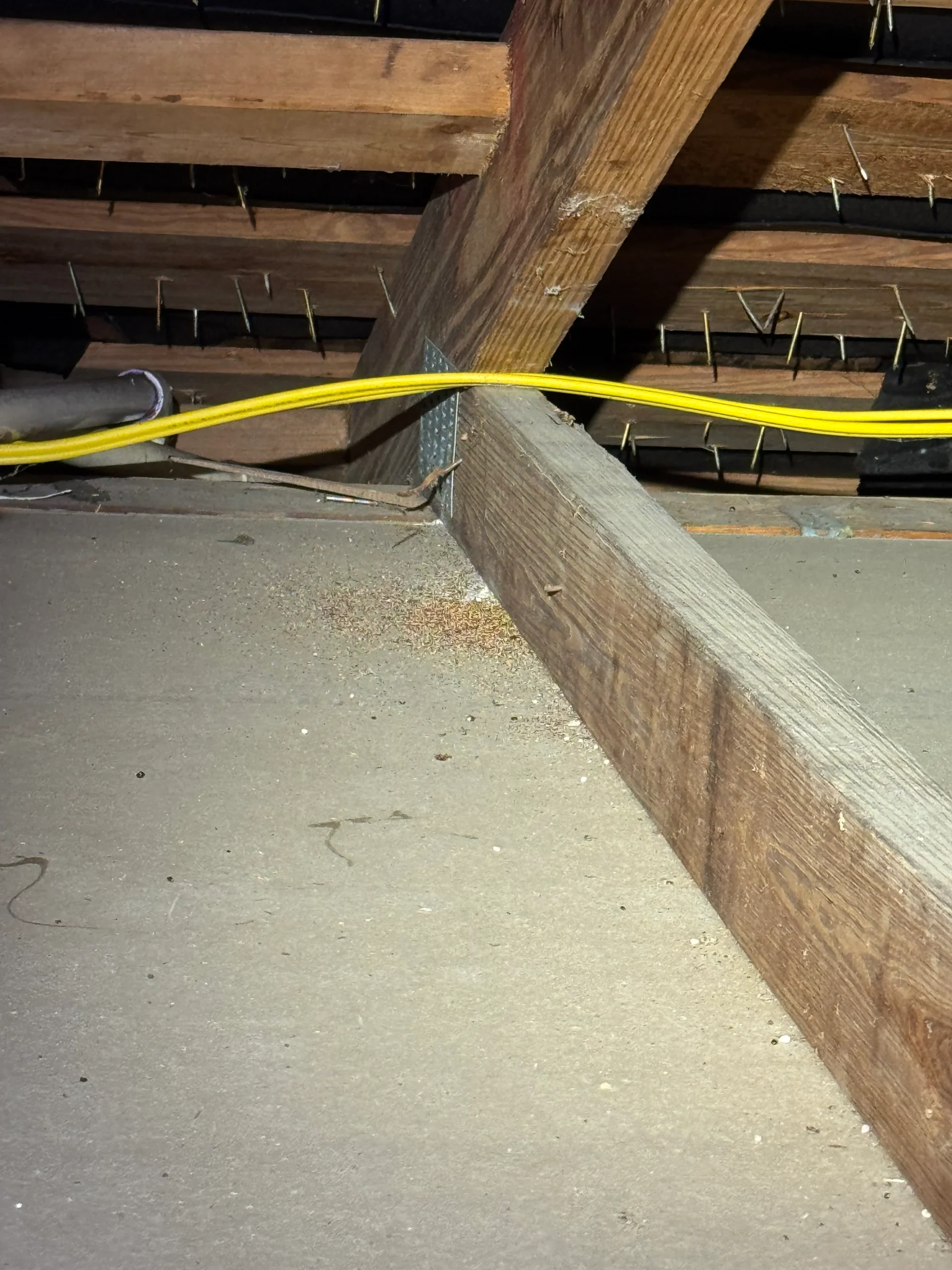
Yes. Wildlife damage repair is included in our service. Raccoons tear up insulation, rip open ductwork, and destroy soffit vents. Rats chew through electrical wiring, which creates fire hazards. Bats leave guano that contaminates insulation and poses health risks.
We remove contaminated materials, replace damaged insulation, repair structural components, and restore your attic or affected areas to proper condition. This isn’t cosmetic work—it’s about restoring your home’s integrity and eliminating health hazards from animal waste.
Fort Pierce South’s humidity makes contamination problems worse. Urine-soaked insulation doesn’t just smell—it loses its R-value and promotes mold growth. Our cleanup process addresses these issues completely. You’re not left with a half-finished job where the animals are gone but the damage remains. We handle it from start to finish so your home is actually restored, not just temporarily cleared of wildlife.