
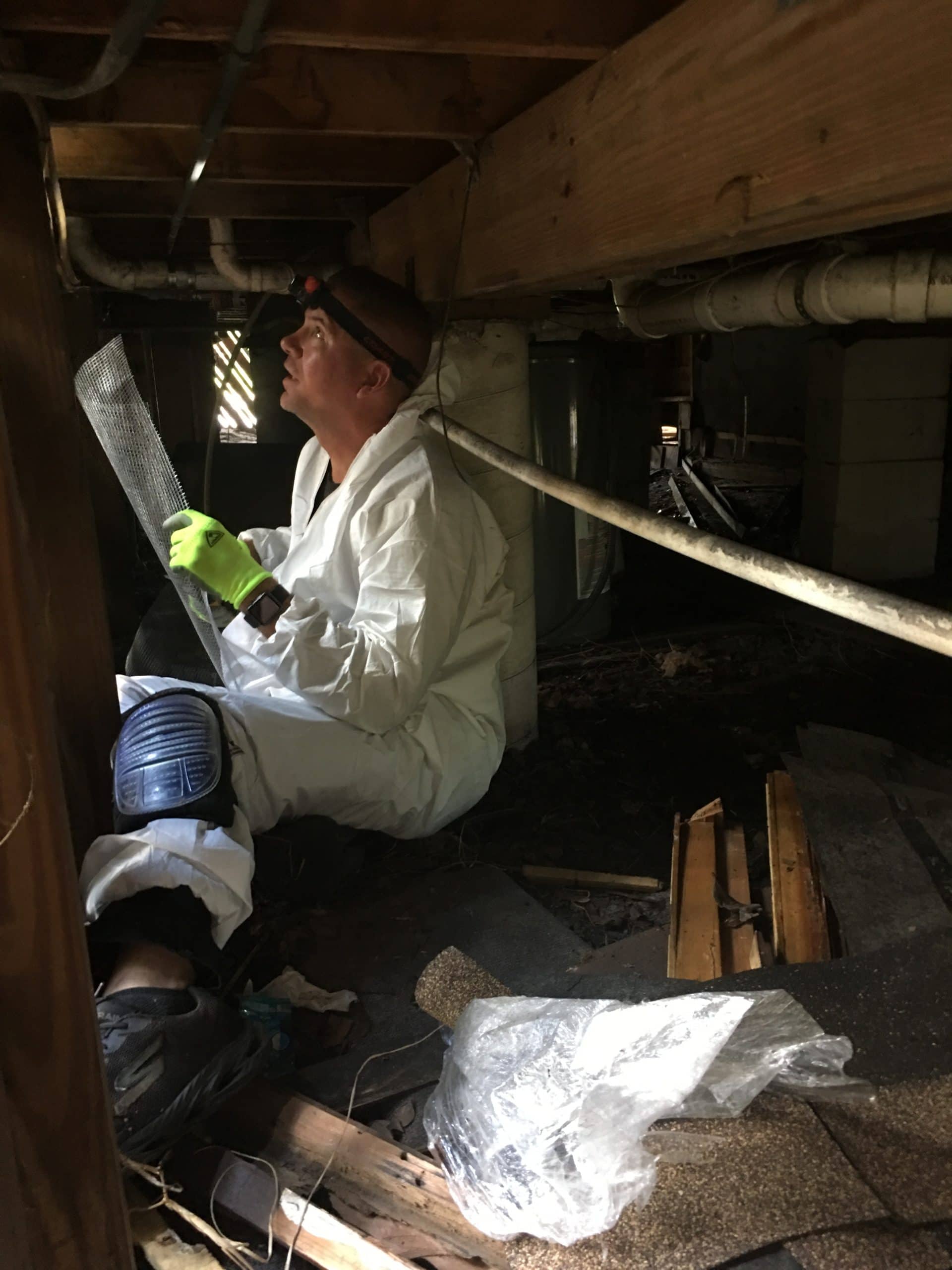
When termites are eliminated properly, you get your peace of mind back. No more wondering if those sounds in the walls are termites eating away at your home’s structure. No more sleepless nights worrying about thousands of dollars in damage that your insurance won’t cover.
Professional termite control means comprehensive elimination of current infestations and prevention strategies that keep them from returning. Your property stays protected, your family stays safe, and your investment maintains its value.
You can finally stop worrying about what these destructive pests might be doing to your home and start enjoying the security that comes with professional protection.
We have been protecting Lakewood Park homes from termites since 2006. We understand the unique challenges Florida homeowners face with multiple termite species, including the aggressive Formosan “super termites” that can cause severe damage in just months.
As a locally owned company, we’ve built our reputation on thorough inspections, eco-friendly treatments, and honest communication. We’re often called in after other pest control companies have failed to solve termite problems.
We know that Lakewood Park’s humid climate creates perfect conditions for termites year-round. That’s why we focus on comprehensive solutions that don’t just treat current infestations—they prevent future ones too.
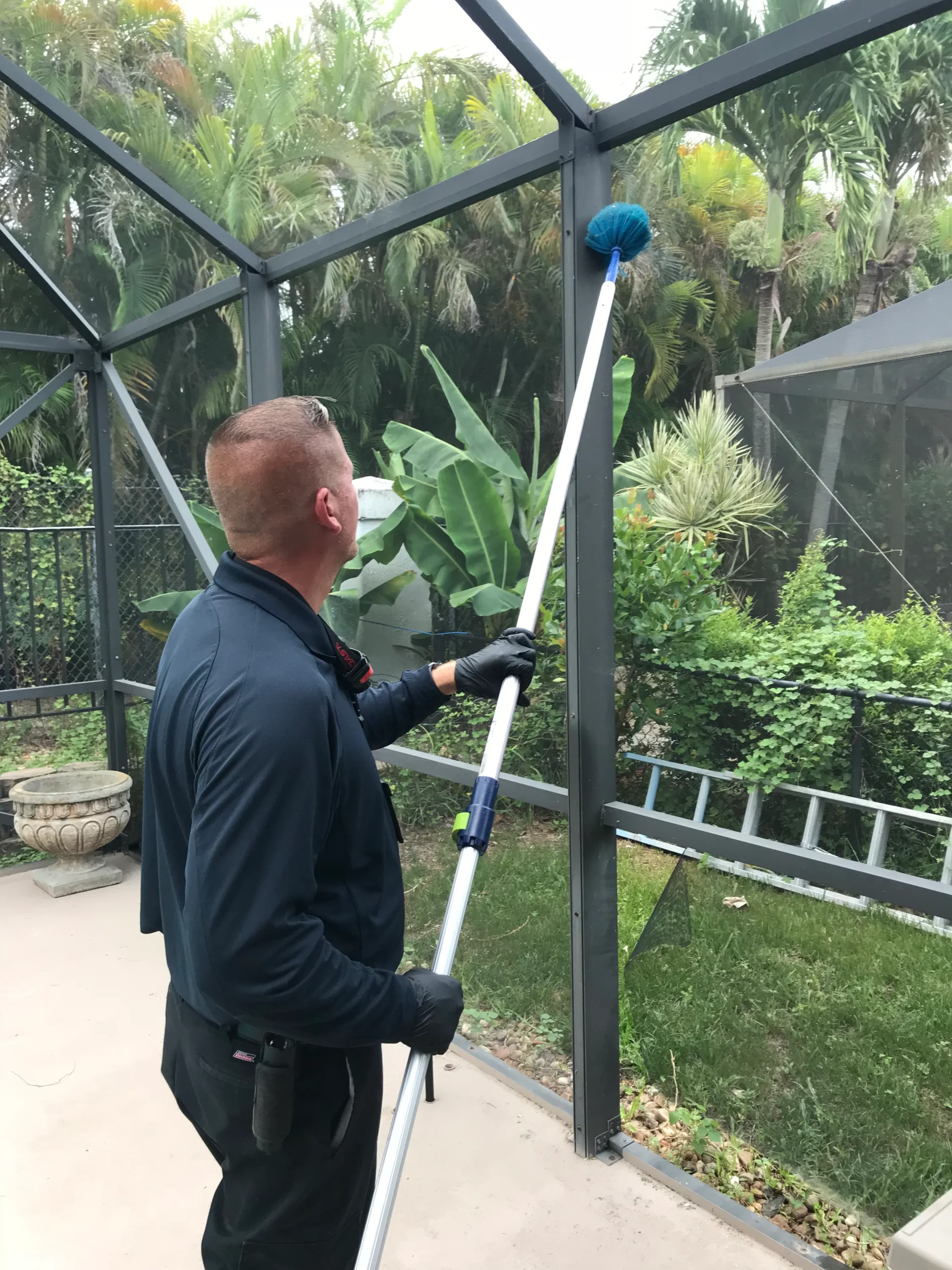
First, we conduct a comprehensive inspection of your entire property, including crawl spaces, attics, and exterior perimeter. We identify active termite activity, previous damage, and conditions that attract termites to your home.
Next, we explain our findings clearly and recommend the most effective treatment approach for your specific situation. Whether it’s liquid barrier treatments around your foundation, targeted spot treatments for active colonies, or baiting systems for ongoing monitoring, we use the method that works best for your property.
Finally, we implement the treatment using eco-friendly products that are safe for your family and pets while being deadly to termites. You receive detailed documentation of our work and clear guidance on preventing future problems.
Our termite control service addresses all termite species common to Lakewood Park, including native subterranean termites, drywood termites, and the invasive Formosan termites. We use specialized detection equipment and targeted treatments designed for Florida’s unique termite challenges.
In Lakewood Park’s humid environment, subterranean termites build colonies underground and access your home through foundation cracks or direct wood-to-soil contact. Our liquid barrier treatments create a protective zone around your property that eliminates termites on contact and prevents new infestations.
For drywood termites that infest wood directly, we use precise injection treatments and borate applications that eliminate colonies without the need for tenting. All treatments come with our satisfaction guarantee and ongoing monitoring to ensure long-term protection.
Look for mud tubes along your foundation, hollow-sounding wood when tapped, or small piles of sawdust-like droppings called frass. You might also notice discarded wings near windows or doors after termite swarms, which typically occur in Florida from March through June.
Subterranean termites build distinctive mud tubes to travel between soil and wood, while drywood termites leave behind frass that varies in color from white to dark brown. However, termites can cause significant damage before these signs become obvious.
That’s why professional inspections are crucial. Our trained technicians can identify early signs of termite activity that homeowners typically miss, including subtle changes in wood structure and conditions that attract termites to your property.
Yes, Formosan termites are significantly more destructive than native termite species. They’re often called “super termites” because their colonies can contain millions of individuals compared to hundreds of thousands in native colonies.
A mature Formosan colony can consume over an ounce of wood daily, which means they can completely destroy a 2×4 piece of lumber in just 25 days. Unlike native subterranean termites, Formosan termites can also establish aerial colonies inside your home’s walls without soil contact.
In Lakewood Park, we’re seeing increasing Formosan termite activity. These aggressive pests can cause structural damage severe enough to require complete home demolition in extreme cases. The average repair cost for Formosan termite damage ranges from $10,000 to much higher, depending on the extent of infestation.
Unfortunately, homeowner’s insurance policies in Florida rarely cover termite damage or treatment costs. Insurance companies consider termite infestations preventable with regular maintenance and professional pest control services.
Even though termites cause over $500 million in damage annually across Florida, insurance providers view this as gradual damage that homeowners should prevent through proactive measures. Unlike sudden disasters like fires or storms, termite damage develops slowly over time.
This makes professional termite prevention even more important for Lakewood Park homeowners. Investing in regular inspections and preventive treatments costs far less than paying for structural repairs out of pocket. Many pest control companies offer termite bonds that provide coverage for damage caused by termites under their treatment plans.
In Florida’s humid climate, annual termite inspections are essential for protecting your home. However, if you’re in an area with high termite pressure or have had previous infestations, more frequent inspections may be necessary.
Lakewood Park’s year-round warm temperatures and humidity create ideal conditions for termite activity. Unlike northern climates where termites are dormant in winter, Florida termites remain active throughout the year, continuously searching for new food sources.
Professional inspections can detect early signs of termite activity before significant damage occurs. During an inspection, we examine all vulnerable areas including foundations, crawl spaces, attics, and areas where wood meets soil. Early detection can save thousands of dollars in repair costs and prevent minor problems from becoming major structural issues.
Liquid treatments create an immediate protective barrier around your home’s perimeter, while bait stations provide ongoing monitoring and colony elimination over time. Both methods are effective, but they work differently depending on your specific situation.
Liquid barrier treatments involve applying termiticide to soil around your foundation, creating a zone that kills termites on contact. This method provides immediate protection and is particularly effective for active infestations or high-risk properties.
Bait stations contain monitoring devices and termite attractants placed around your property’s perimeter. When termites find the stations, we replace monitors with active bait that termites carry back to their colony, eliminating the entire population. This method is more environmentally friendly and provides long-term monitoring, making it ideal for prevention and ongoing protection.
The timeline depends on the treatment method and severity of infestation. Liquid barrier treatments typically show results within days to weeks, as termites encounter the treated soil and are eliminated on contact.
Bait station systems work more gradually, usually taking 2-3 months to achieve complete colony elimination. However, this method ensures that the entire colony is destroyed, including the queen and reproductive termites, preventing future infestations from the same source.
For active infestations, you may notice reduced termite activity within the first week of treatment. Complete elimination of visible activity typically occurs within 2-4 weeks for liquid treatments. Our technicians provide regular monitoring to track progress and ensure treatment effectiveness, with follow-up visits included in your service guarantee.
Other Services we provide in Lakewood Park