
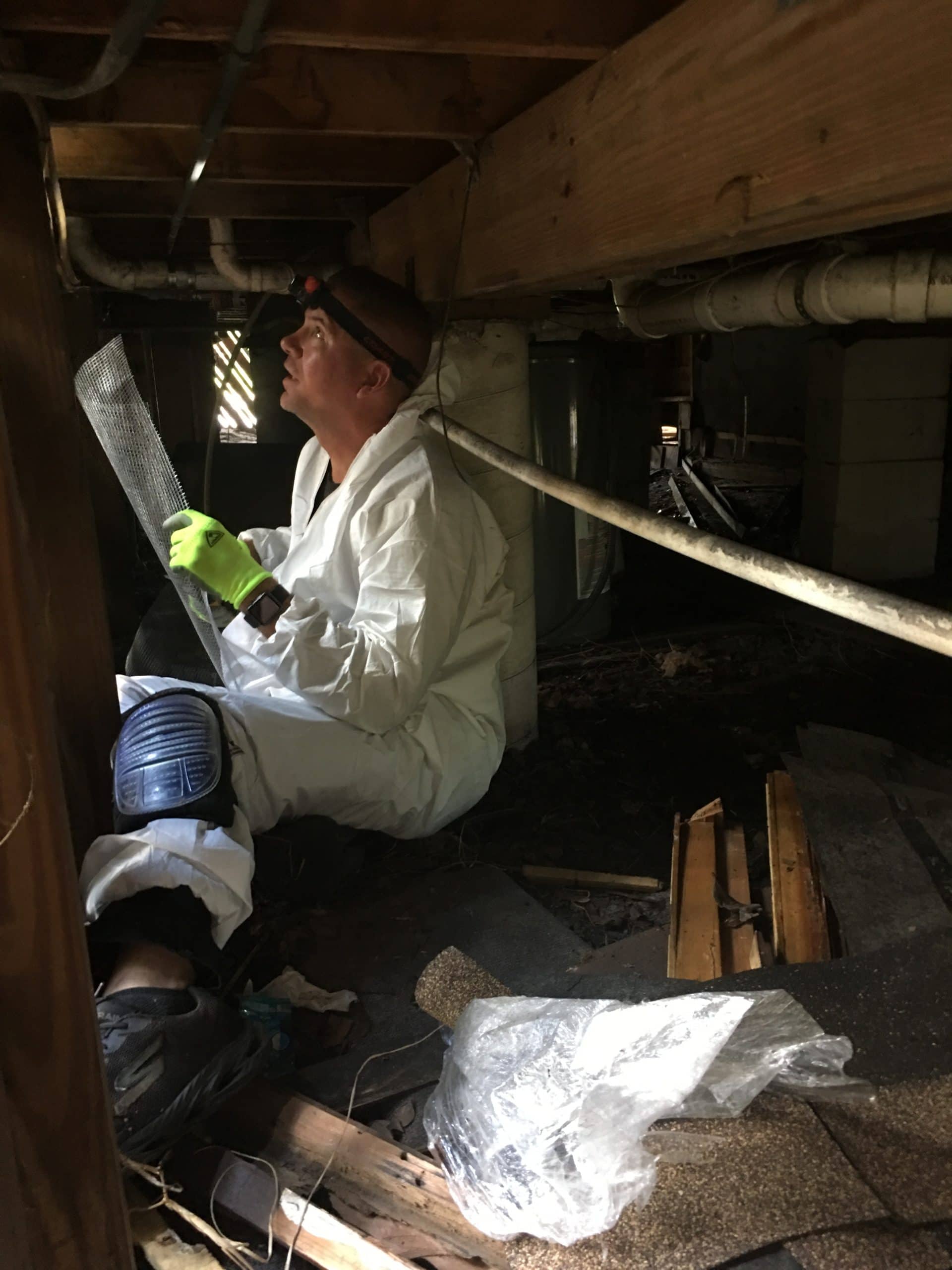
You’ll sleep better knowing your home has a five-year chemical barrier protecting every vulnerable entry point. No more wondering if termites are silently eating away at your biggest investment while you’re at work or on vacation.
Our termite control in Woodland Trails, FL gives you real peace of mind. You get comprehensive protection that stops subterranean termites before they reach your foundation, plus the confidence that comes with working with licensed professionals who’ve been protecting Treasure Coast homes since 2006.
When we’re done, you’ll have a home that’s genuinely protected—not just treated and forgotten. You’ll know exactly what we did, why we did it, and what to expect moving forward.
We’ve been protecting Woodland Trails homes from termite damage since 2006. We’re not some national chain that rotates technicians through your neighborhood—we’re local professionals who understand exactly how Florida’s warm, humid climate creates perfect conditions for termite problems year-round.
We’re fully licensed and insured, which means you’re working with legitimate professionals, not fly-by-night operators. Our eco-friendly approach keeps your family and pets safe while eliminating the termites that threaten your home’s structural integrity.
You get straight answers, fair pricing, and treatments that actually work. No overselling, no scare tactics—just honest termite control from people who live and work in your community.
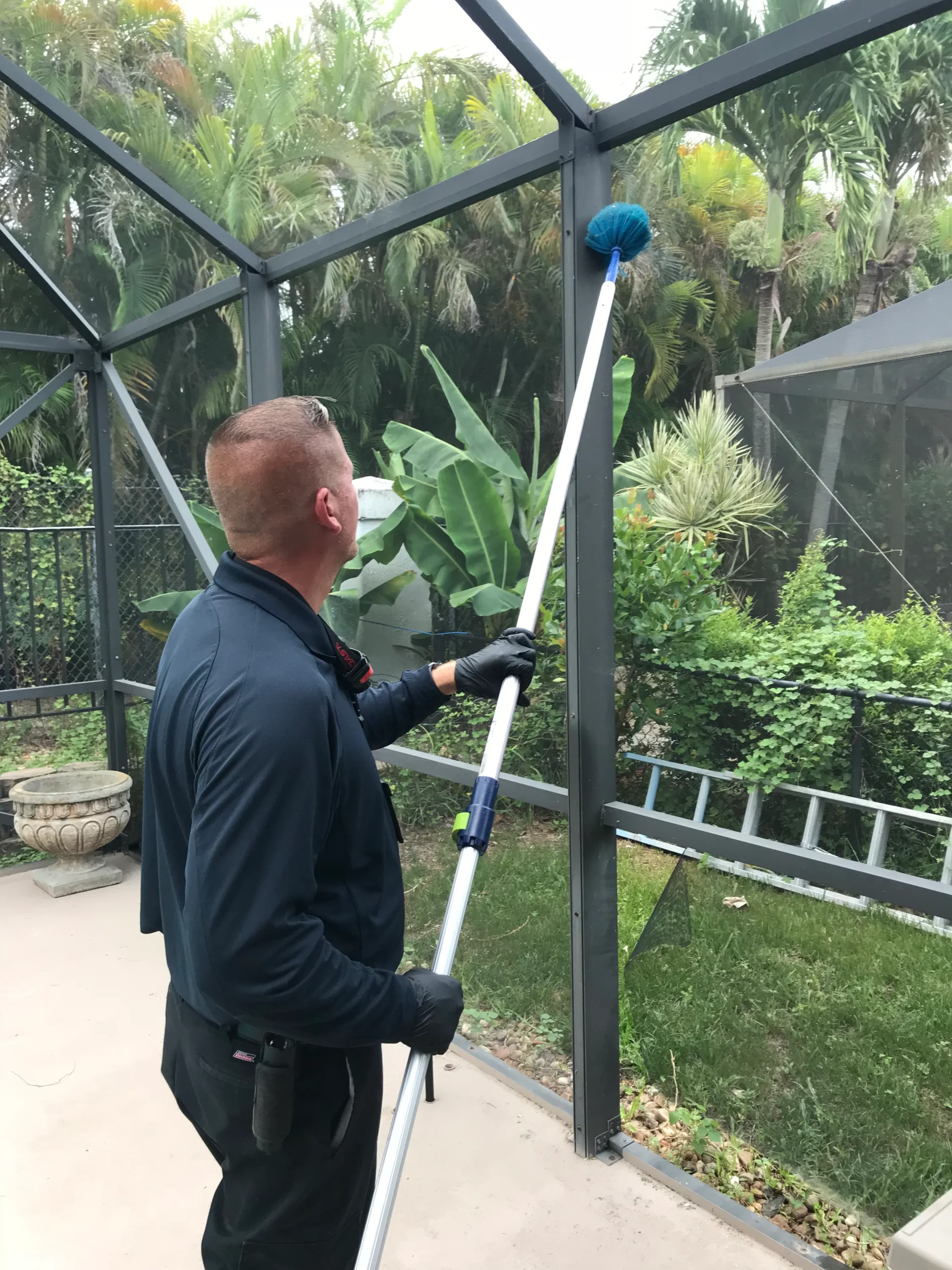
We start with a thorough inspection of your property to identify any current termite activity and vulnerable areas. Our technicians check your foundation, crawl spaces, and other common entry points where subterranean termites typically access homes in Woodland Trails.
Next, we create a customized treatment plan based on what we find. This might involve liquid termiticide applications around your foundation perimeter, bait station installation, or targeted treatments for active infestations. We explain everything before we start so you know exactly what’s happening and why.
After treatment, you get ongoing monitoring and protection. Our liquid barriers last approximately five years, and we’re available 24/7 if you notice any signs of termite activity. You’ll receive clear documentation of what was done and when your next service is recommended.
Your termite control service includes comprehensive inspection, customized treatment, and ongoing protection specifically designed for Woodland Trails’ unique challenges. Florida’s subtropical climate means termites stay active year-round, unlike northern states where cold weather provides natural breaks.
We target the specific termite species common to your area—primarily Eastern subterranean termites and Formosan termites that build massive colonies in the soil around your home. These colonies can contain up to a million termites, and they forage up to 150 feet from their nest searching for food sources like your home’s wooden structures.
Our treatments create chemical barriers in the soil that eliminate foraging termites and prevent new ones from accessing your foundation. We also address common entry points like plumbing penetrations through concrete slabs, which are particularly vulnerable in Woodland Trails’ construction styles. You get protection that’s specifically engineered for Florida termite behavior and local building methods.
Termite control costs in Woodland Trails typically range from $500 to $2,500 depending on your home’s size, construction type, and treatment method needed. Liquid barrier treatments generally cost less upfront than bait systems but both provide excellent long-term protection.
The real question isn’t what prevention costs—it’s what termite damage costs. Florida homeowners face billions in termite damage annually, and most insurance policies don’t cover it. A typical termite repair bill runs $3,000 to $8,000, making professional prevention a smart investment.
We provide free inspections so you know exactly what you’re dealing with before making any decisions. No pressure, no surprise fees—just honest assessment and fair pricing for protection that actually works.
Watch for mud tubes along your foundation walls—these pencil-width tunnels are highways subterranean termites build to travel between soil and food sources. You might also notice wood that sounds hollow when tapped, appears water-damaged, or shows unexplained buckling or warping.
Winged termites or discarded wings around windows and doors indicate swarming, which means a mature colony is nearby and likely already in your home. In Florida, swarming typically happens from early spring through summer, often after rain for subterranean species.
Sawdust-like debris near wooden structures can indicate drywood termites pushing waste from their tunnels. If you see any of these signs, don’t try DIY solutions—disturbing termites can cause them to spread throughout your home, making the problem much worse.
Professional liquid termiticide applications typically provide protection for approximately five years when properly applied. However, Florida’s year-round termite activity and heavy rainfall can affect treatment longevity, which is why ongoing monitoring is important.
Bait systems require regular monitoring and bait replacement but can provide continuous protection as long as they’re maintained. The key is working with licensed professionals who understand how Florida’s climate affects different treatment methods.
We recommend annual inspections even with active treatments because early detection prevents major damage. Florida’s warm, humid conditions mean termites never really go dormant like they do in colder states, so consistent vigilance is your best defense.
Yes, preventive termite treatment is actually more effective and less expensive than waiting for an infestation. Termites can cause years of hidden damage before you notice obvious signs, and by then repair costs often exceed prevention costs significantly.
Florida’s climate means termites are constantly active and searching for new food sources. Your home’s wooden structures, paper products, and cellulose materials are attractive targets whether you see termites or not. Prevention creates barriers that stop them before they establish colonies.
Think of it like homeowner’s insurance—you don’t wait for a fire to buy coverage. Free inspections help determine if you already have activity or if you’re dealing with conducive conditions that make future problems likely.
Modern termite treatments are specifically designed to target termites while remaining safe for humans and pets when applied by licensed professionals. We use eco-friendly products and application methods that minimize exposure to non-target species.
Liquid treatments create barriers in soil around your foundation, not inside your living spaces. Bait systems use targeted attractants that termites take back to their colonies, eliminating the source without widespread chemical application. Both methods focus treatment where termites live and travel, not where your family spends time.
Our technicians are trained in proper application techniques and safety protocols. We’ll explain any temporary precautions needed during treatment and provide clear guidance about when treated areas are safe for normal use. Your family’s safety is never compromised for pest control.
Subterranean termites live in soil colonies and need moisture to survive, accessing your home through foundation cracks, mud tubes, or plumbing penetrations. These are Florida’s most common and destructive termites, with colonies reaching up to a million members that can forage 150 feet from their nest.
Drywood termites live entirely within the wood they consume and don’t need soil contact. They enter through small cracks in wood or can arrive in infested furniture. While their colonies are smaller, they’re harder to detect because they don’t leave mud tubes or require ground access.
Both species cause serious damage but require different treatment approaches. Subterranean termites respond well to soil treatments and bait systems, while drywood termites often need targeted wood treatments or fumigation. Professional identification is crucial because using the wrong treatment wastes time and money while damage continues.