
You’ll sleep through the night again. No more scratching, scurrying, or mystery odors coming from your ceiling.
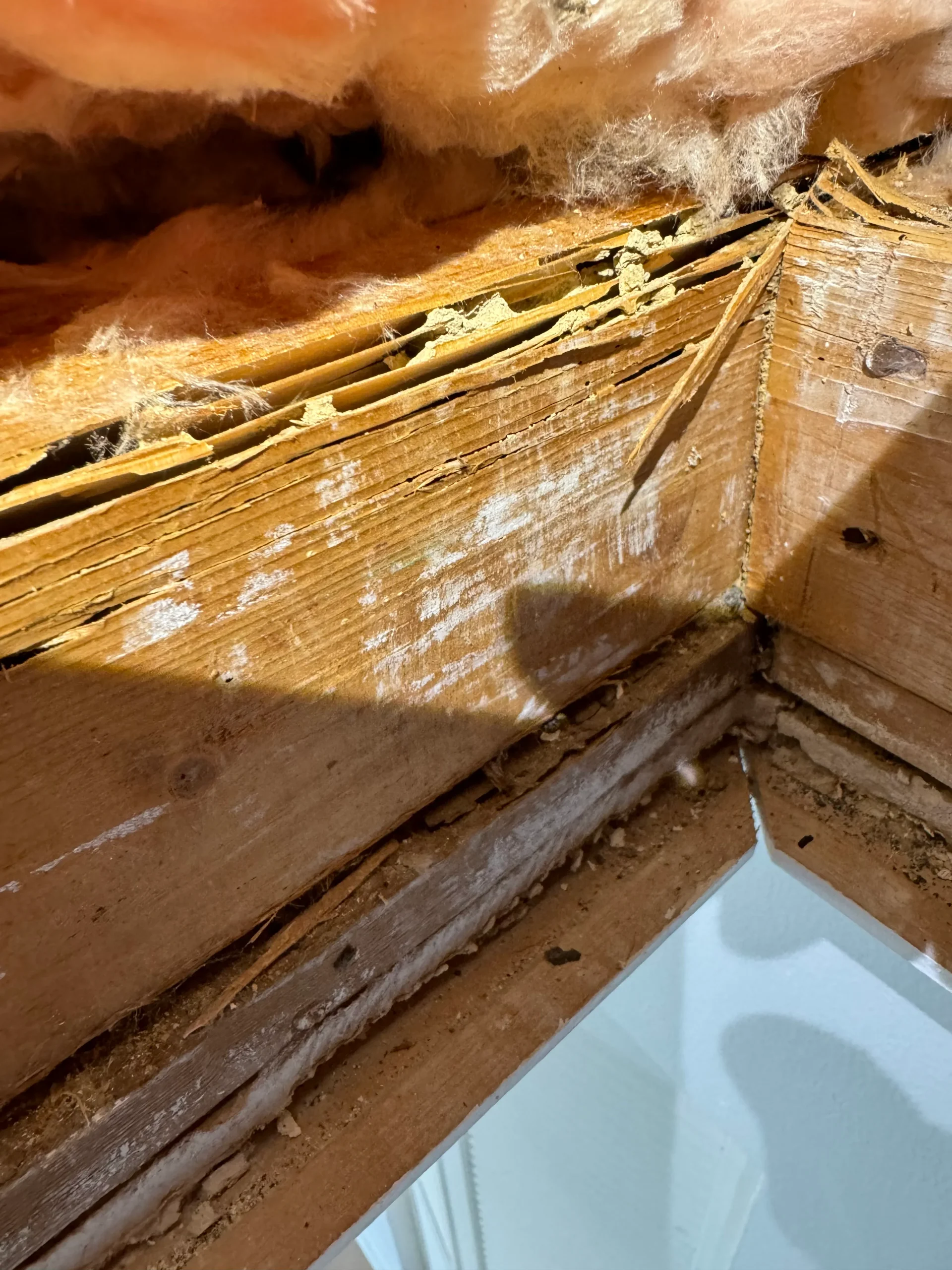
Your attic won’t smell like a zoo. Your insulation won’t be shredded into nesting material. Your wiring won’t be a chewed-up fire hazard waiting to happen.
You’ll have documentation for your insurance claim if the damage is covered. You’ll know exactly what happened, what we removed, and what we sealed to prevent the next raccoon or squirrel from moving back in. Most importantly, you’ll have a home that’s yours again—not a halfway house for wildlife looking for free rent and climate control.
Carlton’s warm weather and expanding neighborhoods mean animals don’t have to look far for shelter. Your attic is prime real estate when they’re pushed out of shrinking habitats. But once they’re gone and the entry points are sealed, they’re done.
We’ve been removing wildlife from homes across the Treasure Coast for nearly two decades. We’re licensed, insured, and based right here in Port St. Lucie—which means we’ve seen what raccoons do to Carlton attics in spring and how squirrels treat your fascia boards like an all-you-can-chew buffet.
We’re not a national franchise reading from a script. We know the animals, the seasons, the building styles, and the mistakes other companies make when they skip the exclusion work.
You’re not getting a one-size-fits-all removal. You’re getting someone who’s done this thousands of times in your area and knows what actually works long-term.
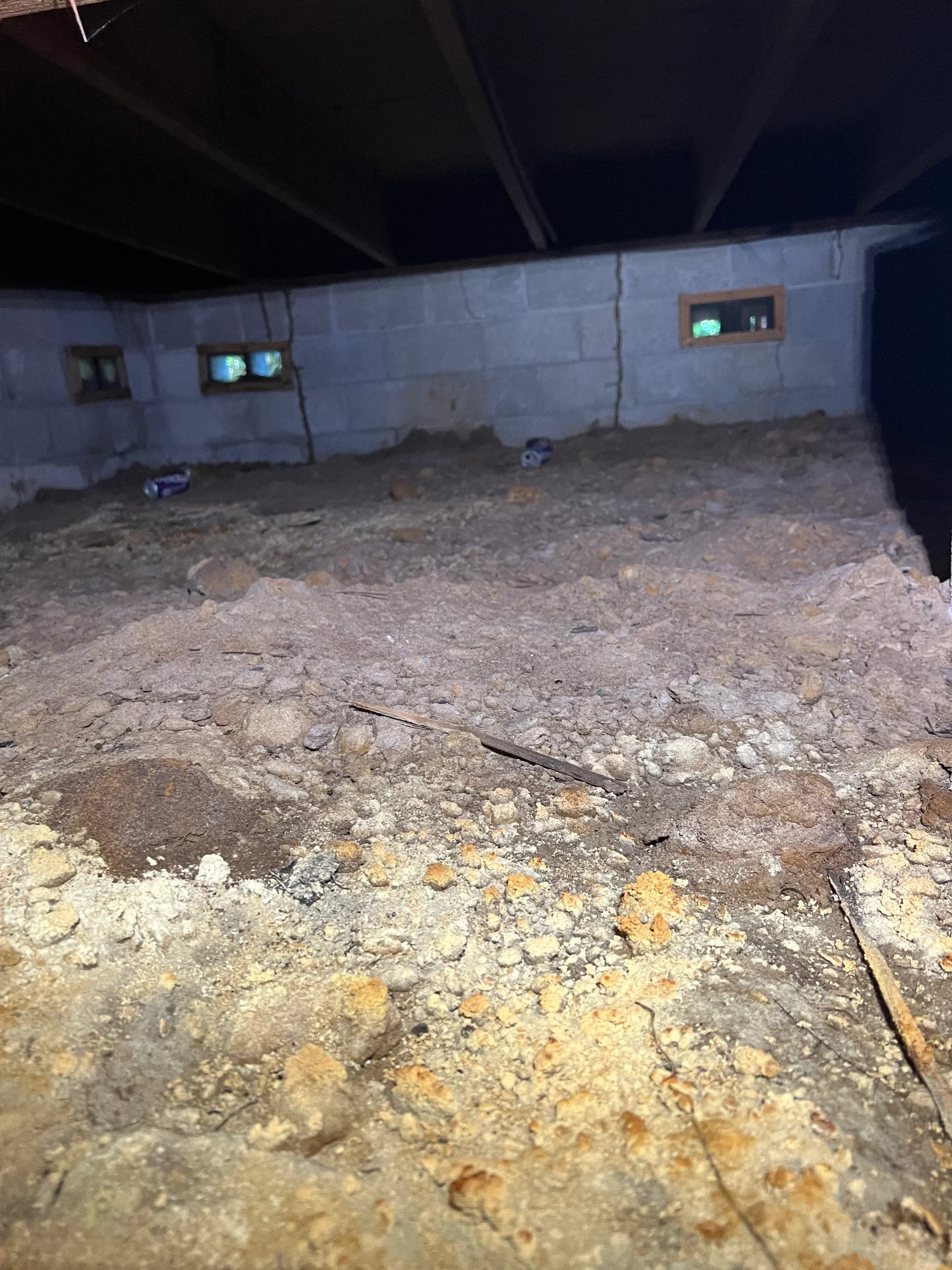
First, we inspect your property to figure out what’s living there, where they’re getting in, and what damage has already been done. You’ll know exactly what you’re dealing with before we touch anything.
Next, we remove the animals using humane trapping and exclusion methods that follow Florida wildlife regulations. No poisons, no shortcuts. If it’s a mother with babies, we handle it correctly so you’re not left with dead animals decomposing in your walls.
Then we seal every entry point. Soffit gaps, roof vents, fascia damage, foundation cracks—anything an animal used to get in gets permanently closed. This is the step most companies skip, and it’s why people end up with the same problem six months later.
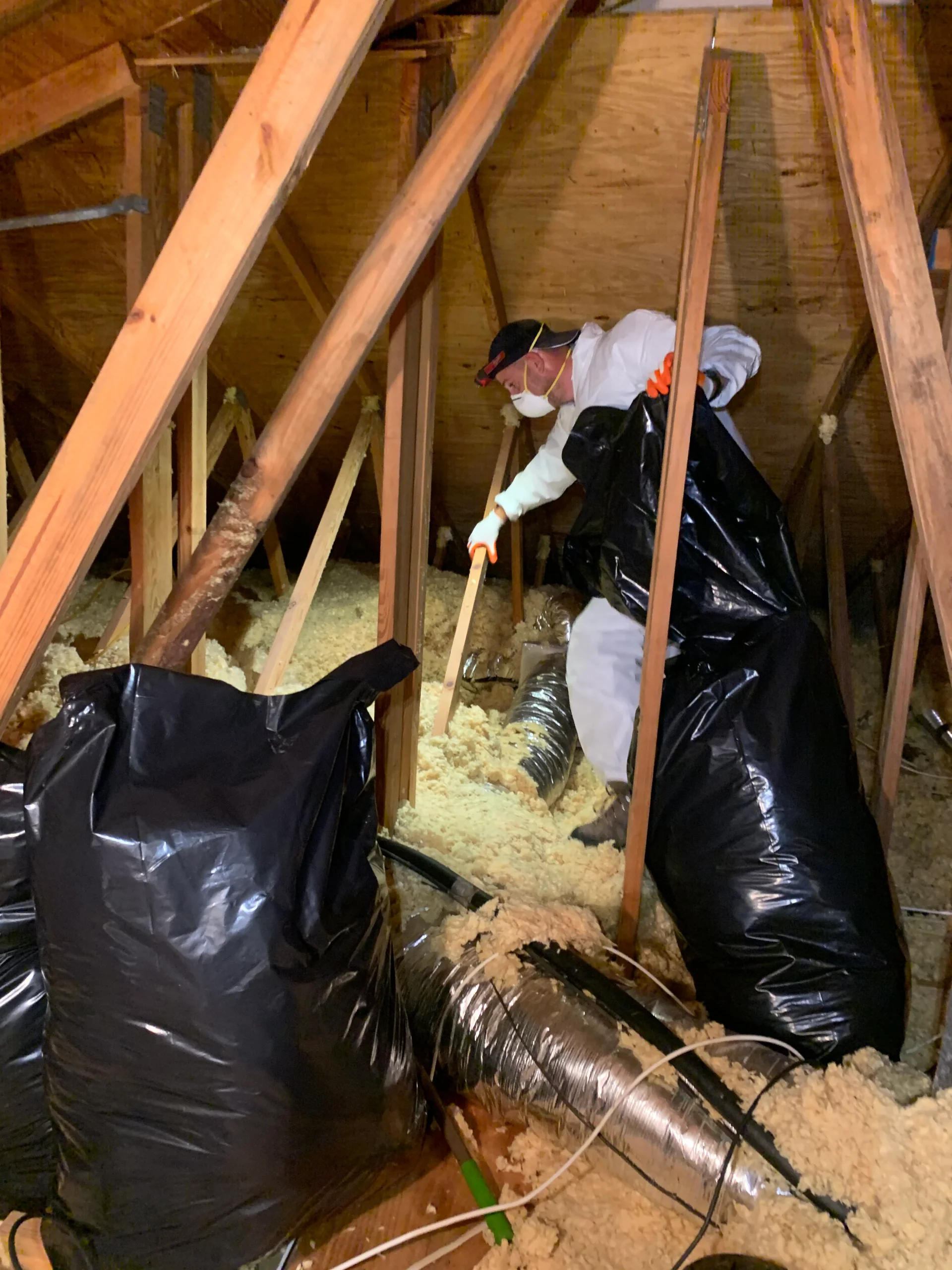
Finally, if your attic insulation is contaminated or your ductwork is damaged, we’ll walk you through attic restoration and help you document everything for insurance. You’re not just getting the animal out—you’re getting your home back to the condition it was in before the invasion started.
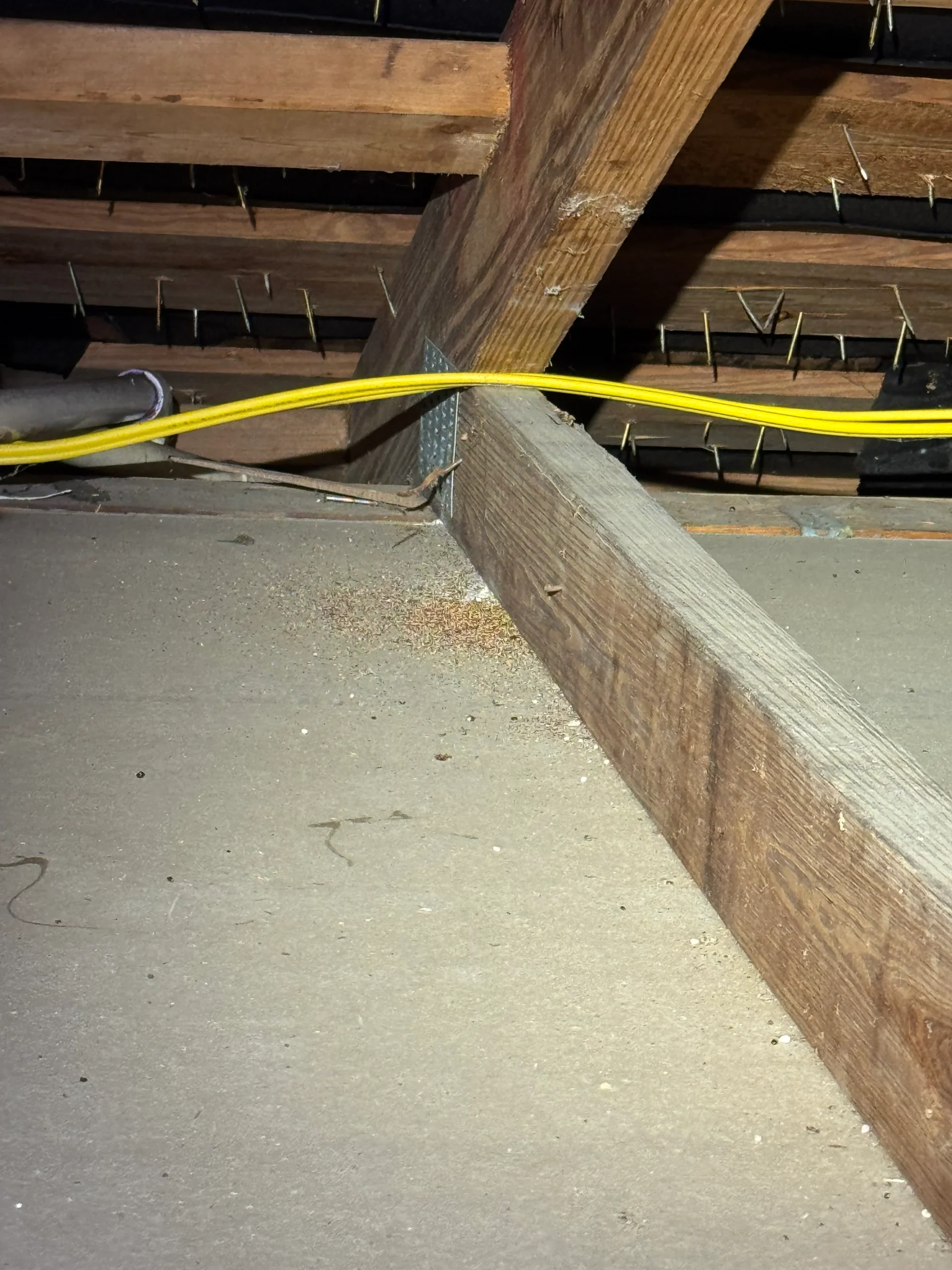
Wildlife removal in Carlton isn’t a one-and-done visit. You’re dealing with animals that leave pheromone trails, contaminate insulation, chew through wood and wiring, and create health risks that don’t disappear the second they’re gone.
Our service includes full property inspection, humane animal trapping and removal, complete exclusion work to seal all entry points, dead animal removal if needed, attic decontamination and odor control, and insulation replacement with insurance documentation. We also offer 24/7 emergency response when you’ve got an animal in your living space or a situation that can’t wait until Monday.
Florida’s year-round mild climate means animals are always active. Raccoons and squirrels don’t hibernate here—they breed, nest, and cause damage in every season. That’s why exclusion work matters so much in this area. A poorly sealed roof vent in Carlton is an open door for the next squirrel that picks up the scent.
We’ve worked with homeowners across the Treasure Coast who tried the DIY route or hired the cheapest guy they could find. They called us six months later when the problem came back. You can skip that step and do it right the first time.
It depends on what’s living there, how many animals, how much damage, and how many entry points need sealing. A single squirrel with one entry point is different from a raccoon family that’s been nesting in your attic for three months.
We offer free estimates so you know the cost before we start. Most jobs in Carlton range from a few hundred to a couple thousand depending on the scope. If your insulation needs replacing or there’s significant contamination, that adds to the total—but it’s also the stuff your insurance might cover.
Don’t skip the exclusion work to save money. That’s the difference between solving the problem and just postponing it. You’ll spend more in the long run if animals keep getting back in.
Sometimes. Most Florida homeowners policies will cover sudden damage caused by wildlife—like chewed wiring or torn ductwork—but they won’t cover the cost of trapping and removing the animal itself. Every policy is different, so you’ll need to check your coverage.
What we can do is document everything. We’ll take photos, write up the damage, and give you a detailed report you can submit to your insurance company. If your attic insulation is contaminated or your HVAC system is damaged, that’s often where coverage kicks in.
The removal and exclusion work usually comes out of pocket, but the restoration and repairs might not. We’ve helped dozens of Carlton homeowners navigate this process, and we’ll walk you through what to ask your adjuster.
Removal itself can take anywhere from a day to a couple of weeks depending on the animal and the situation. Squirrels and raccoons can usually be trapped within a few days. Bats require exclusion devices that let them leave but not return, and that process takes longer.
If there are babies involved, we have to wait until they’re old enough to leave the nest. Florida law requires humane handling, and we’re not going to seal up a den with newborns inside. That just creates a worse problem when they die in your walls.
Once the animals are out, exclusion work happens the same day or within a few days depending on how much needs sealing. Attic restoration and insulation replacement get scheduled after that. Start to finish, most jobs in Carlton wrap up within one to two weeks.
Raccoons, squirrels, bats, opossums, rats, and the occasional armadillo or snake. Raccoons and squirrels are the most common attic invaders in Carlton because they’re looking for shelter and your roof is easy access. Bats roost in attics and soffits, and rats move in when they find food or warmth.
We also handle dead animal removal if something died in your walls or crawlspace and you can’t find it. The smell will tell you it’s there—we’ll locate it, remove it, decontaminate the area, and figure out how it got in so it doesn’t happen again.
Florida has specific regulations about which animals can be trapped and relocated. We follow all state and local laws, and we don’t use methods that violate Florida Fish & Wildlife Commission rules. You’re getting humane, legal removal that won’t come back to bite you later.
You can try, but it’s usually not worth the risk or the hassle. Animals in your attic carry diseases—raccoon roundworm, leptospirosis, histoplasmosis from bat droppings—and they’re defensive when cornered. You’re also dealing with contaminated insulation, urine-soaked wood, and entry points you might not even see.
Even if you trap the animal, you still have to seal every gap, crack, and vent they used to get in. Miss one and the next squirrel moves in a week later. DIY exclusion work fails more often than it succeeds because people don’t know where to look or what materials actually hold up.
Florida law also limits how you can trap and relocate wildlife. If you do it wrong, you’re liable. If the animal has babies and you seal the entry without removing them, you’ve got dead animals rotting in your attic. We’ve cleaned up after dozens of DIY attempts in Carlton—it’s almost always more expensive to fix than it would’ve been to call a professional from the start.
You’ll hear them first. Scratching, thumping, or scurrying noises—especially at dawn or dusk when raccoons and squirrels are most active. If it’s during the day, it’s probably squirrels. If it’s at night, think raccoons or rats.
You might also notice smells. Animal urine and droppings create a strong odor that gets worse over time, especially in Florida’s heat. If your attic smells like ammonia or something died, you’ve got a problem. Check your roofline for damage too—chewed fascia, torn soffit vents, or gaps near your roof edge are all signs of forced entry.
Sometimes you’ll see the animals themselves. Squirrels running across your roof at sunrise or raccoons climbing your downspouts at night. If you’re seeing them outside, there’s a good chance they’re living inside. Call us for a free inspection and we’ll tell you exactly what’s going on.