You stop hearing scratching sounds at 2 a.m. Your insulation stays intact instead of getting shredded into nesting material. Your energy bills don’t spike because something tore through your attic insulation.
That’s what proper wildlife removal looks like. Not just trapping the animal that’s already inside, but sealing every gap, crack, and entry point so nothing else gets in. Because if you only remove the raccoon without fixing how it got in, you’re just making room for the next one.
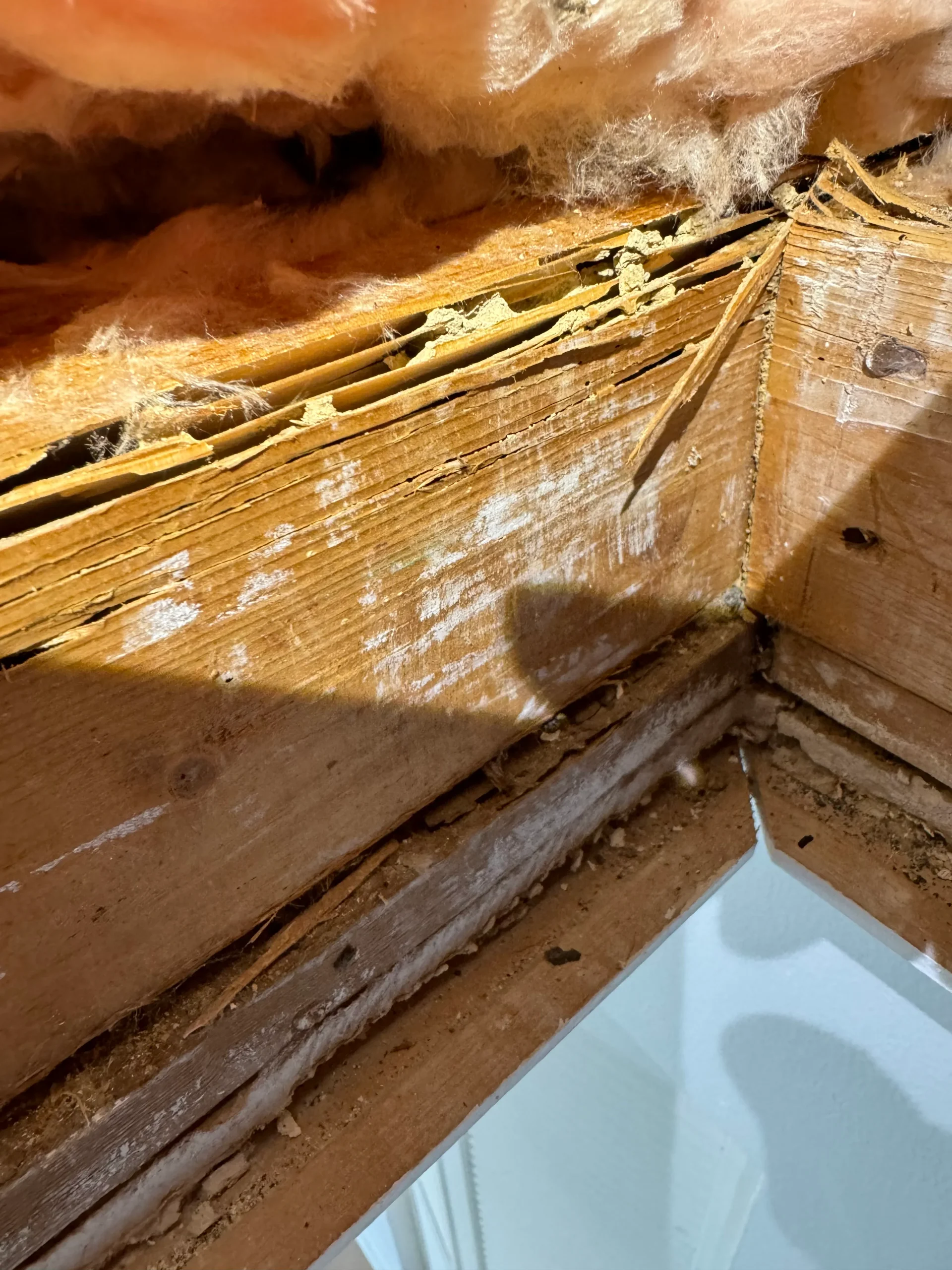
Most homeowners in Riverview don’t realize how much damage is happening until they see chewed wiring, contaminated insulation, or smell the unmistakable odor of animal waste. By that point, you’re not just dealing with removal—you’re dealing with repairs, sanitization, and the health risks that come with wildlife waste sitting in your ventilation system. The solution isn’t just getting the animal out. It’s making sure your home is sealed, cleaned, and protected so this doesn’t become a recurring expense.
We’ve been handling pest control and wildlife removal across the Treasure Coast and Palm Beach areas for nearly two decades. We’re based in Port St. Lucie, fully licensed and insured, and we’ve seen just about every wildlife situation you can imagine.
Riverview’s location near water and growing residential development means wildlife encounters are common. Raccoons, squirrels, bats, and even the occasional snake find their way into homes looking for shelter, especially during Florida’s rainy season and breeding months. We understand the local wildlife behavior, the regulations from the Florida Fish and Wildlife Conservation Commission, and what it takes to handle removal humanely and legally.
You’re not getting a national franchise with scripted responses. You’re getting a local team that knows this area, responds fast, and uses eco-friendly methods that protect your family and pets while solving the problem for good.
First, we inspect your property to figure out what’s living there, where it’s getting in, and what damage has already been done. You’ll get a clear explanation of what we found and a free estimate before any work starts.
Next, we remove the animal using humane traps and methods that comply with Florida wildlife laws. If it’s bat season—between April and August—we follow state regulations that protect bats during maternity months. We don’t cut corners or ignore the rules.
Then comes the part most companies skip: exclusion. We seal every entry point with materials that match your home and actually hold up. We’re not stuffing steel wool in a hole and calling it done. This is the step that prevents you from paying for the same service twice.
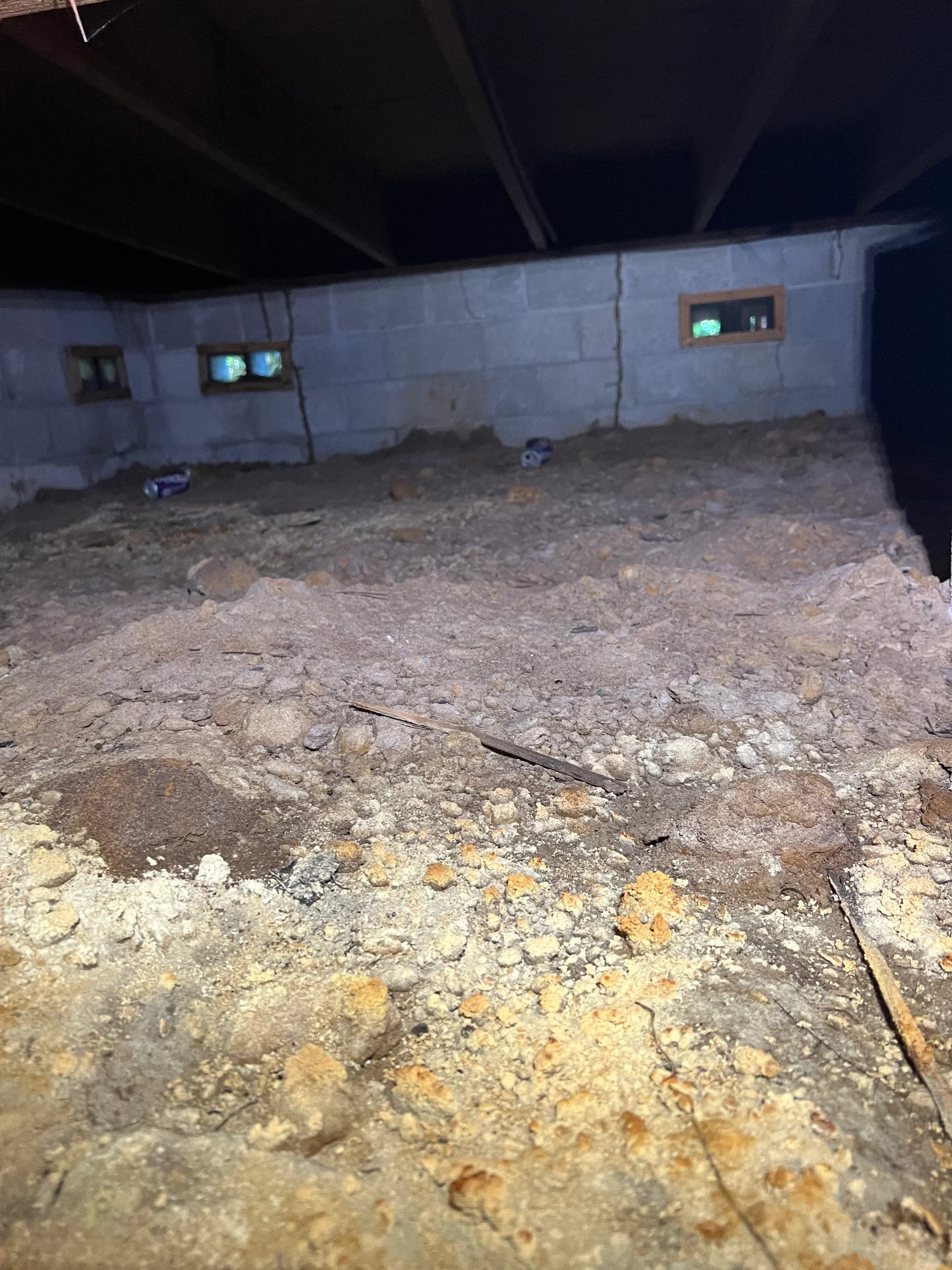
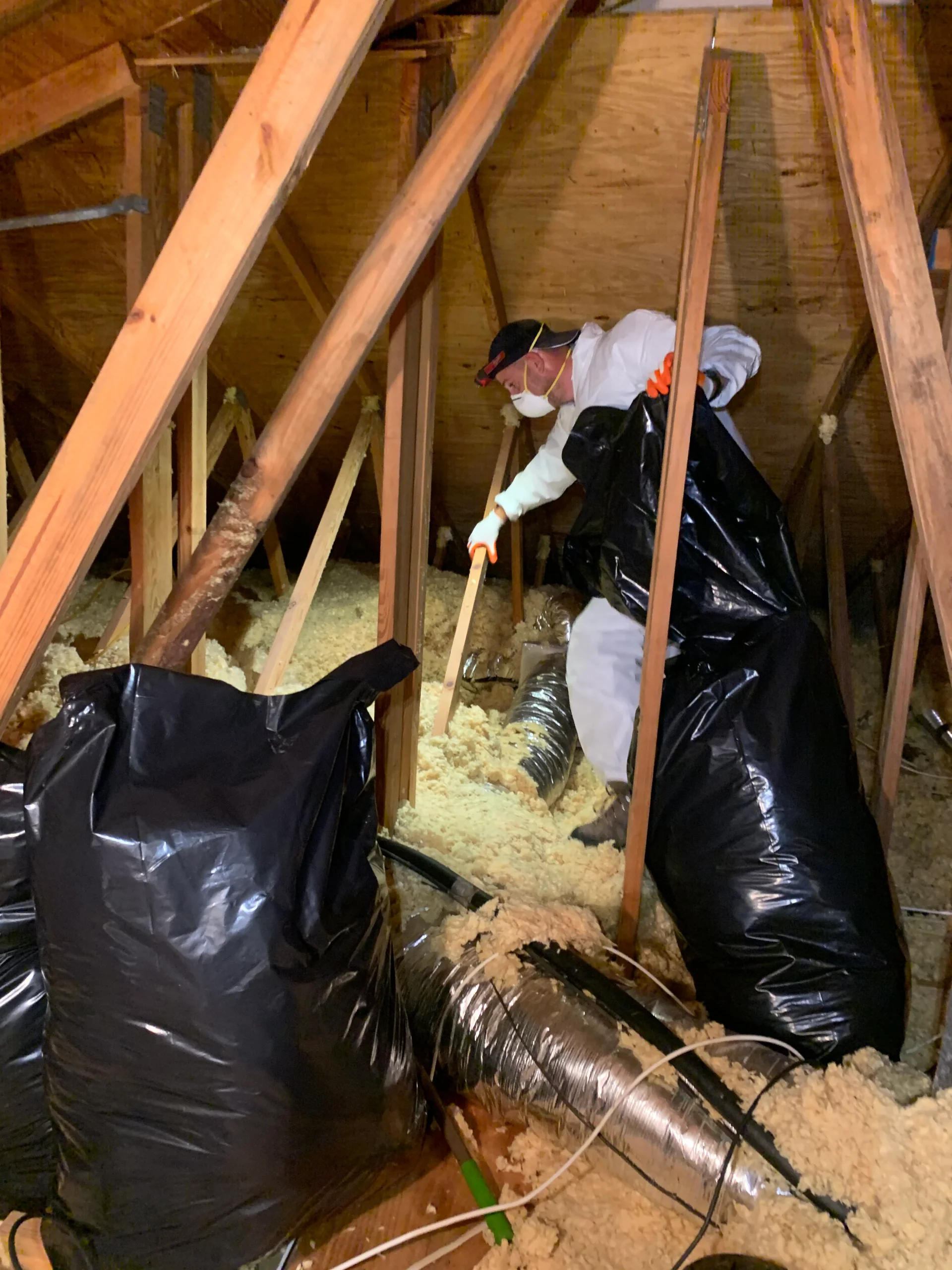
If there’s contamination from droppings or urine, we clean and sanitize the affected areas. Wildlife waste carries bacteria, parasites, and pathogens that can spread through your HVAC system, so this isn’t optional. Finally, we offer follow-up visits to make sure everything stays sealed and nothing new moves in.
Wildlife removal in Riverview isn’t just about trapping. It’s about stopping the cycle. Florida’s year-round warm climate means pests and wildlife stay active constantly, and Riverview’s suburban growth pushes animals into closer contact with homes.
When we handle a wildlife job, you get a full property inspection to identify all entry points—not just the obvious ones. You get humane animal trapping and removal that’s safe for your family, your pets, and the animal. You get professional exclusion work that seals structural gaps, roof vents, soffit areas, and any other access points animals exploit.
If your attic insulation is damaged or contaminated, we’ll let you know. Compromised insulation can increase your energy costs by 20 to 30 percent, and it creates a health hazard if it’s soaked with urine or covered in droppings. We also handle dead animal removal, because sometimes the problem isn’t a live raccoon—it’s the one that died in your wall and now you can’t find.
Every job comes with our satisfaction guarantee. We offer 24/7 emergency service if you’ve got an urgent situation, and we’re always available to answer questions or come back if something doesn’t look right.
You’ll usually hear them first. Scratching, scurrying, thumping, or flapping sounds—especially at night—are the most common signs. Raccoons are loud and active after dark. Squirrels are noisy during the day. Bats make high-pitched squeaking sounds at dusk.
You might also notice droppings in your attic, garage, or around entry points. Raccoon droppings look like small dog feces and often contain undigested food. Squirrel droppings are smaller and pellet-shaped. Bat droppings (guano) are dark and crumbly, and they accumulate quickly if you have a colony.
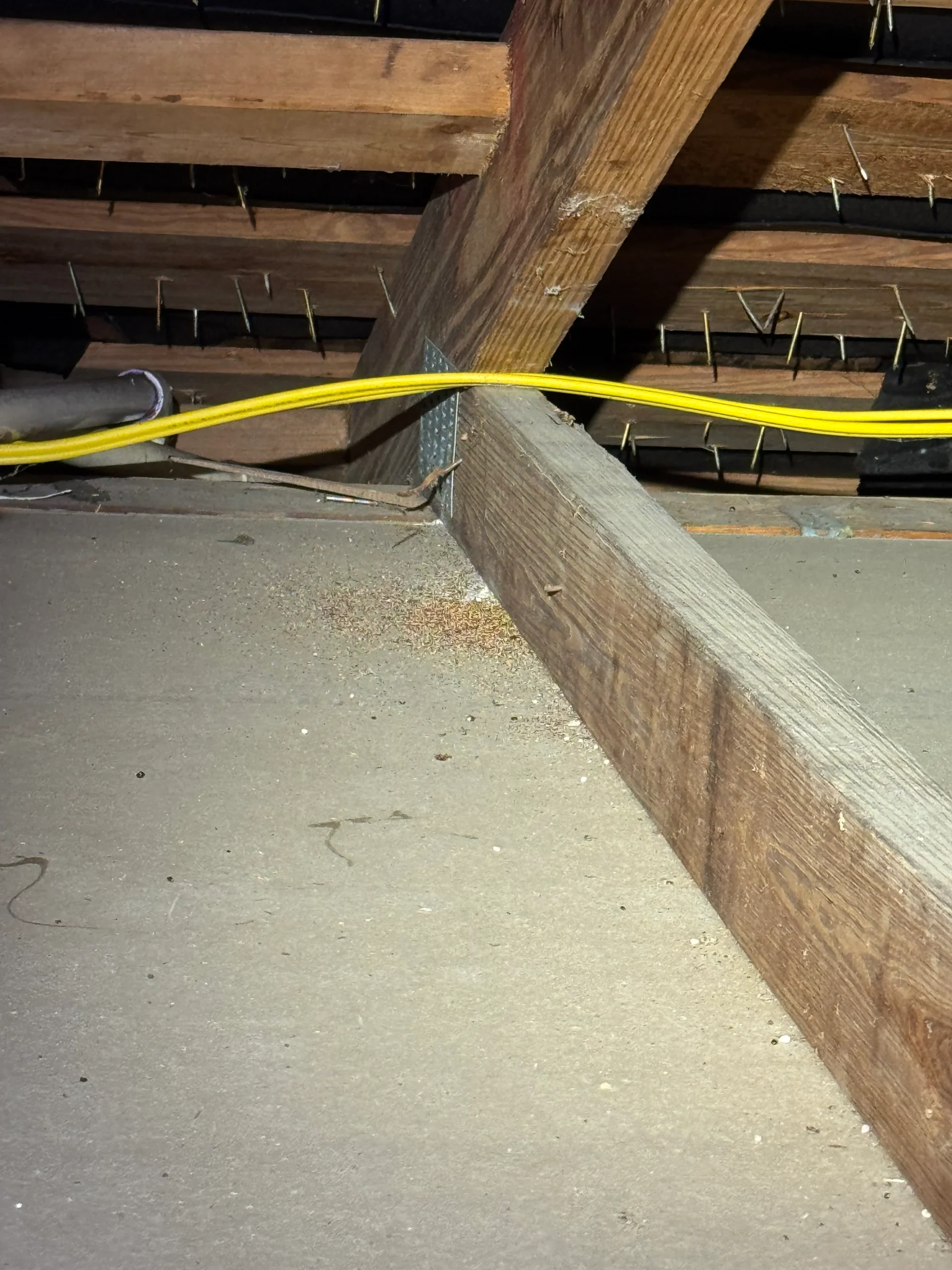
Other signs include greasy rub marks along walls or beams where animals travel repeatedly, chewed wiring or insulation, strong odors from urine or feces, and visible damage to roof vents, soffits, or fascia boards. If you’re noticing any of these, it’s worth getting an inspection before the damage gets worse.
Yes, when it’s done correctly. We use humane traps and eco-friendly methods that don’t involve poisons or harmful chemicals. The traps are designed to capture animals without injury, and we relocate them according to Florida wildlife regulations.
The bigger risk to your family and pets is leaving wildlife in your home. Animal waste contains bacteria like leptospirosis and salmonella, parasites, and fungi that can become airborne through your ventilation system. Raccoons can carry rabies. Bats can carry histoplasmosis in their droppings. Rodents spread hantavirus through their urine.
We handle removal, sanitization, and exclusion with your household’s safety in mind. That means sealing entry points so animals can’t get back in, cleaning contaminated areas properly, and making sure nothing we do puts your family or pets at risk during or after the process.
It depends on the animal, the extent of the infestation, and how much exclusion work is needed. A single squirrel with one entry point costs less than a raccoon family with multiple access points and contaminated insulation.
We offer free estimates, so you’ll know exactly what you’re paying before we start. The estimate covers inspection, removal, exclusion, and any necessary cleanup. There are no surprise charges.
Most homeowners spend more money by waiting. A small entry point becomes a bigger one. One animal becomes several. Minor insulation damage turns into a full replacement. Chewed wiring increases your fire risk and repair costs. The longer you wait, the more expensive the fix becomes. Getting it handled early almost always costs less than dealing with compounding damage.
Legally, it depends on the animal. Florida law protects certain species, and moving or handling them without the proper permits is illegal. All bats in Florida are protected, and you can’t disturb them during maternity season. Some trapped animals require specific relocation protocols.
Practically, DIY removal usually makes things worse. You might catch one animal but miss the others. You might seal an entry point while babies are still inside, which creates a much worse problem. You might get bitten or scratched, which means potential rabies exposure and a trip to the ER.
Even if you manage to trap the animal, you’re still left with contaminated insulation, entry points that need professional sealing, and no guarantee that another animal won’t move in next week. Wildlife removal isn’t just about the trap—it’s about the inspection, the exclusion, the cleanup, and the prevention. Skipping any of those steps means you’re likely going to be dealing with this again.
Pest control typically handles insects and small rodents like mice and rats. Wildlife removal deals with larger animals—raccoons, squirrels, bats, opossums, snakes, and sometimes birds. The methods, regulations, and equipment are different.
Wildlife removal requires knowledge of animal behavior, state and federal wildlife laws, and exclusion techniques that go beyond standard pest control. For example, bats require specialized one-way exclusion devices that let them leave but not return. Raccoons need heavy-duty materials to prevent re-entry because they’re strong and persistent.
We handle both. We’re a full-service pest control and wildlife management company, so whether you’re dealing with termites, rodents, or a raccoon in your attic, we’ve got the licensing, equipment, and experience to handle it. You don’t need to call multiple companies depending on what’s in your walls.
It depends on the situation. A single animal with one entry point might be resolved in a few days. A larger infestation with multiple animals, extensive damage, and several entry points can take a week or two.
The inspection and estimate happen on the first visit. Trapping usually takes a few days, depending on the animal’s behavior and how many there are. Exclusion work—sealing all the entry points—happens once we’re sure all animals are out. Cleanup and sanitization follow if needed.
We don’t rush the process and risk leaving gaps or missing animals. We also don’t drag it out unnecessarily. You’ll get a clear timeline during the estimate, and we’ll keep you updated if anything changes. If you’ve got an emergency situation—like an animal in your living space or a health hazard—we offer 24/7 service and can prioritize your job.