
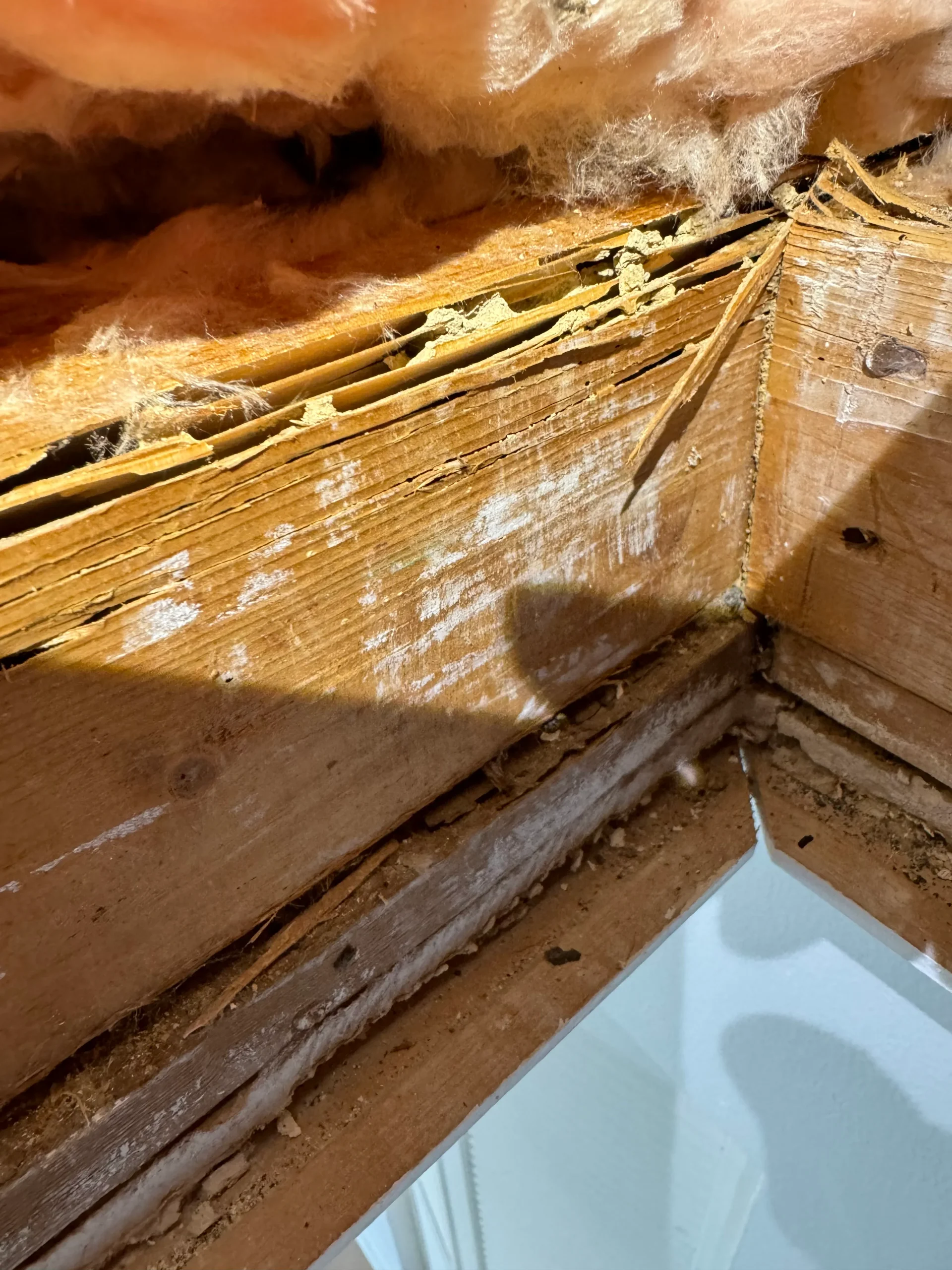
You shouldn’t have to live with scratching in your walls at 2 a.m. or wonder if that smell means something died in your attic. Wildlife problems don’t wait for business hours, and the longer animals stay, the worse the damage gets.
When raccoons, squirrels, or bats move into your Walton home, they bring health risks, structural damage, and contamination with them. Chewed wiring becomes a fire hazard. Insulation gets shredded and soaked with urine. Entry points you can’t see turn into highways for more animals.
Professional wildlife removal means you get the animal out, the entry points sealed, the damage repaired, and the peace of mind that comes with knowing it won’t happen again. You’re not just paying someone to set a trap. You’re getting your home back to normal—clean, safe, and secure.
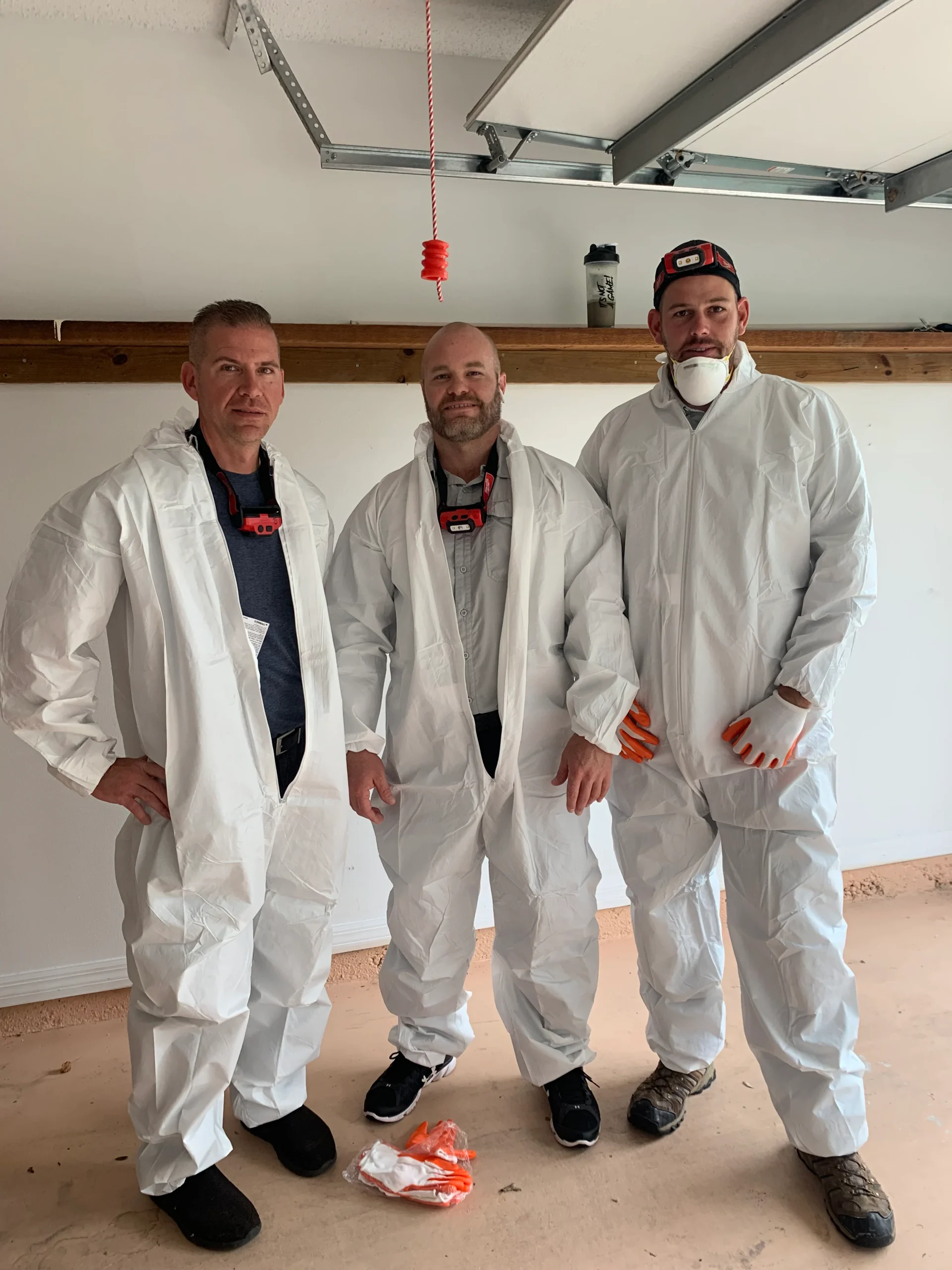
We’ve been handling pest control and wildlife removal across the Treasure Coast and Palm Beach areas since 2006. We’re based in Port St. Lucie, fully licensed by the Florida Fish & Wildlife Commission, and we answer the phone 24/7—because wildlife emergencies don’t keep regular hours.
Walton’s warm Gulf Coast climate means animals stay active year-round. Raccoons breed in winter, squirrels nest in spring, and bats roost whenever they find an opening. We’ve seen it all, and we know how Florida wildlife behaves in homes like yours.
We use humane, eco-friendly methods to remove animals and prevent them from coming back. No poison, no shortcuts, no mess left for you to deal with. Just real solutions from people who’ve been doing this long enough to know what works.
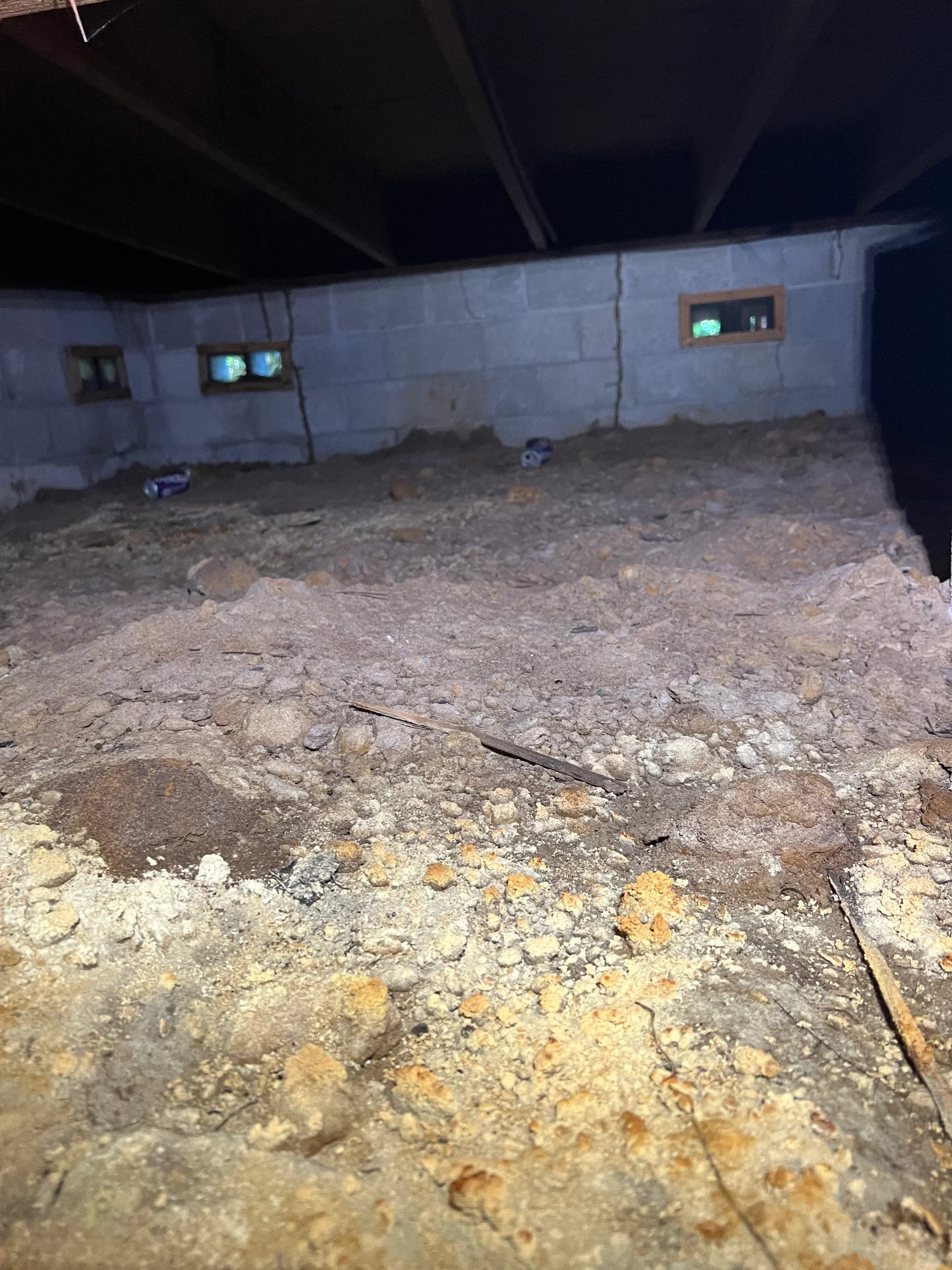
First, we inspect your property to figure out what animal you’re dealing with, where it’s getting in, and how much damage has been done. This isn’t a quick walk-around. We check attics, crawl spaces, vents, soffits, and rooflines to find every entry point.
Next, we remove the animal using humane trapping or exclusion methods. If there are babies involved—common with raccoons and squirrels—we handle that carefully and legally. We don’t leave animals to die in your walls or relocate them somewhere they’ll just become someone else’s problem.
Once the animal is out, we seal every entry point so nothing else gets in. Then we clean up the contamination—droppings, urine, nesting material—and sanitize the area to eliminate disease risk. If insulation or wiring was damaged, we repair or replace it.
You get a follow-up to make sure everything’s still secure. The goal isn’t just to fix today’s problem. It’s to make sure you don’t have the same problem six months from now.
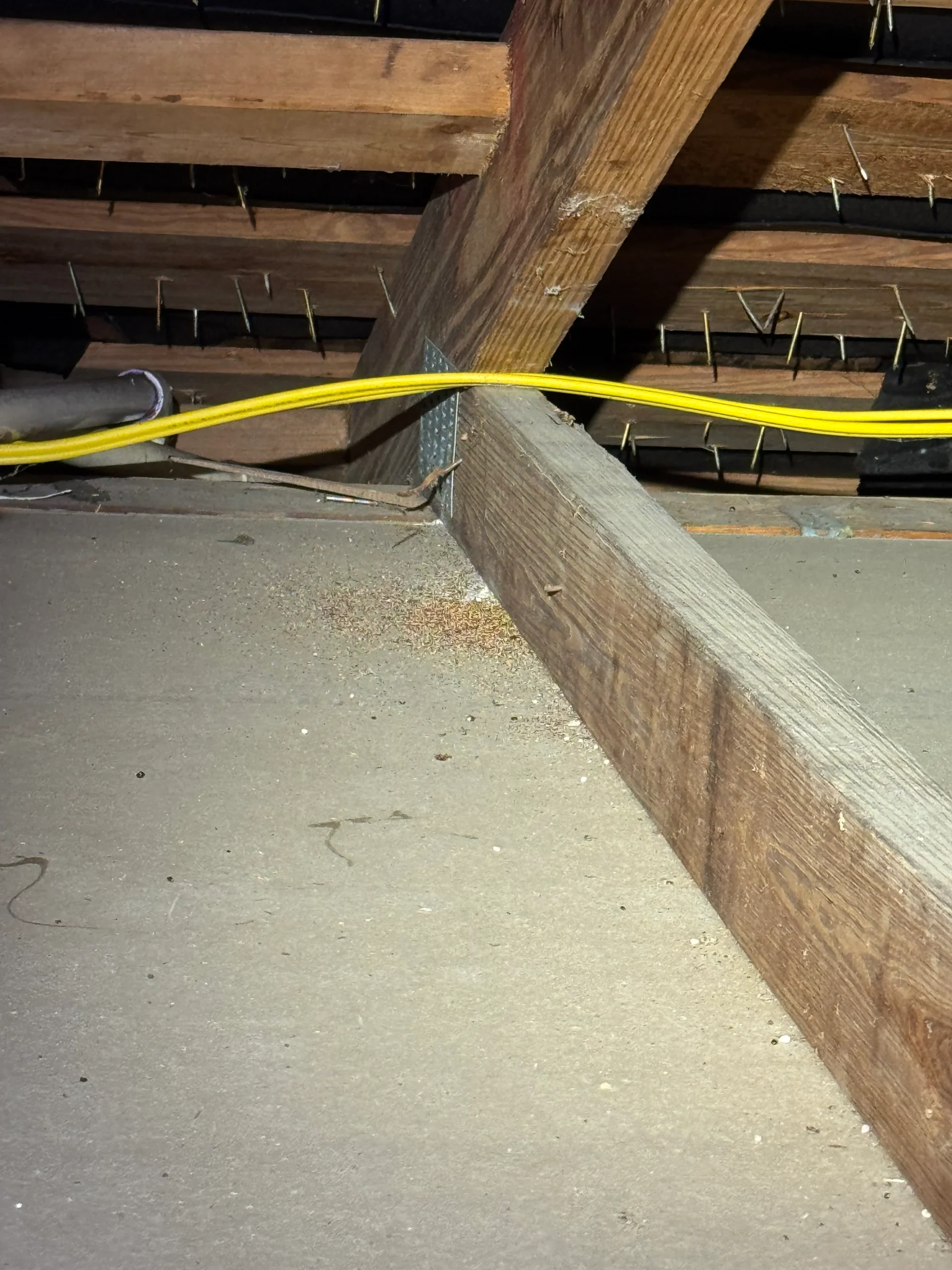
Wildlife removal in Walton, FL isn’t a one-size-fits-all job. Raccoons behave differently than squirrels. Bats require different exclusion methods than rats. And Florida law is strict about how certain species can be handled.
You get a full property inspection to identify the animal, locate entry points, and assess damage. We trap or exclude the animal using humane, species-specific methods that comply with state regulations. All entry points get sealed with materials animals can’t chew through or tear apart—no temporary fixes.
Cleanup and sanitation come standard. We remove contaminated insulation, disinfect affected areas, and dispose of waste properly. If wiring or structural components were damaged, we handle repairs so you’re not left calling another contractor.
Walton’s proximity to natural habitats and waterways means wildlife is always nearby. Raccoons are especially active here during breeding season from December through January. Squirrels look for attic access in spring when they’re nesting. Our process accounts for these patterns so you’re protected year-round, not just until the next animal shows up.
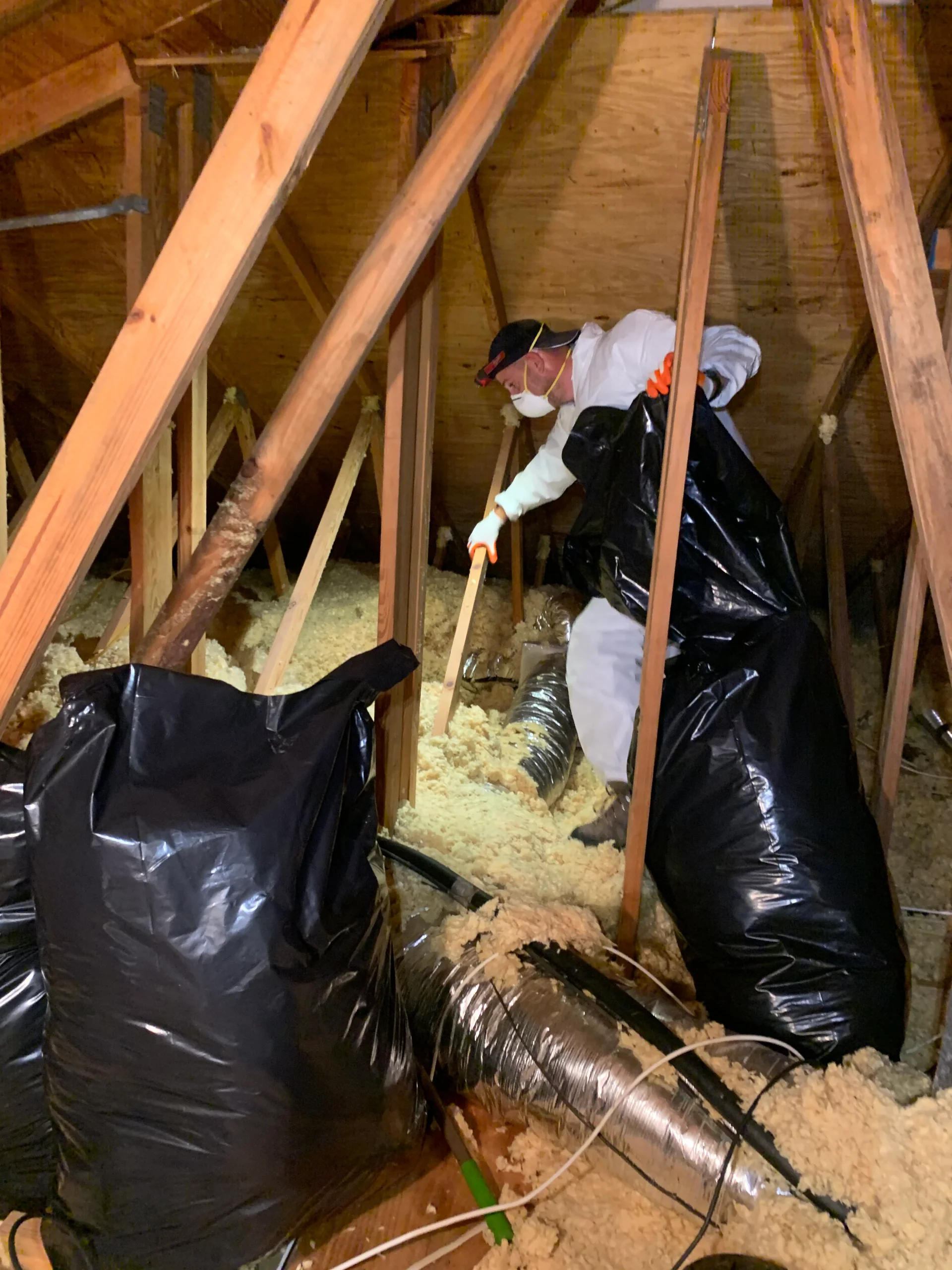
Cost depends on the animal, how many there are, and how much damage they’ve caused. A single squirrel in your attic with one entry point costs less than a family of raccoons that’s been living there for months and destroyed your insulation.
Most wildlife removal jobs in Florida range from $150 to $700. More complex situations—like multiple animals, extensive contamination, or structural repairs—can run higher, sometimes over $1,500. The inspection itself usually costs between $75 and $250, but we offer free estimates so you know what you’re looking at before any work starts.
What drives up cost is time, labor, and materials. Sealing entry points on a two-story home takes longer than a single-story ranch. Replacing soaked insulation costs more than just removing an animal. But cutting corners now means you’ll pay again when the problem comes back. We price based on doing it right the first time.
Legally, it depends on the animal. Florida law requires a licensed nuisance wildlife trapper to handle certain species, including raccoons, bats, and some others. Trying to trap or relocate them yourself can result in fines.
Even if it’s legal, it’s rarely a good idea. Raccoons are the most common rabies carrier in Florida. Bats can spread histoplasmosis through their droppings. Squirrels bite when cornered, and their urine-soaked insulation is a health hazard. You’re also not likely to find every entry point, which means more animals will get in after you remove the first one.
DIY traps often catch the wrong animal or injure the target animal in ways that create bigger problems. And if there are babies in the attic, removing the mother without removing the young means you’ll have dead animals decomposing in your walls. Professional wildlife removal isn’t just about the trap—it’s about doing it safely, legally, and completely so the problem actually gets solved.
You’ll hear them first. Scratching, scurrying, thumping, or vocal sounds—especially at dawn and dusk—usually mean something’s moved in. Raccoons are loud and active at night. Squirrels are noisy during the day. Bats are quieter but you might hear squeaking or fluttering.
Smell is another giveaway. A strong ammonia odor means urine saturation. A foul, rotting smell could mean a dead animal. Both are signs of contamination that needs professional cleanup.
Look for physical evidence around your roofline. Chewed or torn soffit vents, damaged fascia, or holes near the roof edge are common entry points. You might also see droppings in your attic, grease marks along beams where animals travel, or shredded insulation where they’ve nested. If you’re seeing or hearing any of this in Walton, you’ve got a wildlife problem that won’t resolve itself.
Animals chew, dig, tear, and contaminate. Squirrels gnaw through wood, fascia, and electrical wiring to get into attics. Chewed wiring is a legitimate fire hazard. Raccoons rip apart shingles, soffits, and vents—they’re strong and destructive when they want inside.
Once they’re in, the damage continues. Insulation gets shredded for nesting material and soaked with urine and feces. This ruins its R-value and creates a breeding ground for bacteria and parasites. Raccoons, in particular, cause serious contamination because they designate latrine areas where droppings pile up.
Structural damage happens when animals chew through support beams or create large openings that compromise your roof. Water intrusion follows, leading to mold and rot. And if an animal dies inside your walls or attic, the decomposition process attracts insects and creates odors that can last for weeks. The longer wildlife stays in your Walton home, the more expensive the repairs become.
Removal itself can happen in a day or take a couple of weeks, depending on the situation. A single animal with easy attic access might be trapped and removed within 24 hours. A mother raccoon with babies requires more time because we have to remove the young safely and wait for the mother to leave, or use exclusion methods that let her out but not back in.
Sealing entry points usually happens right after removal and takes a few hours to a full day, depending on how many openings there are and where they’re located. Cleanup and sanitation add another few hours to a day, depending on contamination levels.
Repairs vary the most. Replacing a small section of chewed soffit might take an hour. Replacing an entire attic’s worth of insulation and repairing chewed wiring can take several days. We’ll give you a timeline during the estimate so you know what to expect. Most Walton homeowners are back to normal within a week, but complex jobs with heavy damage take longer.
Yes. We answer calls 24/7 because wildlife doesn’t wait for Monday morning. If you’ve got a raccoon in your living space, a bat flying around your bedroom, or an aggressive animal threatening your family, that’s an emergency.
Same-day and next-day service is standard for urgent cases. We prioritize situations where there’s immediate risk—active animals in living areas, health hazards, or significant property damage happening in real time. Most emergency calls in Walton get a response within a few hours.
Even non-emergency situations get fast attention. The sooner we remove the animal and seal entry points, the less damage you’ll deal with and the lower your repair costs will be. Waiting doesn’t make wildlife problems better. It makes them worse, more expensive, and harder to fix. If you’re hearing something in your walls or attic right now, call now—not next week.