
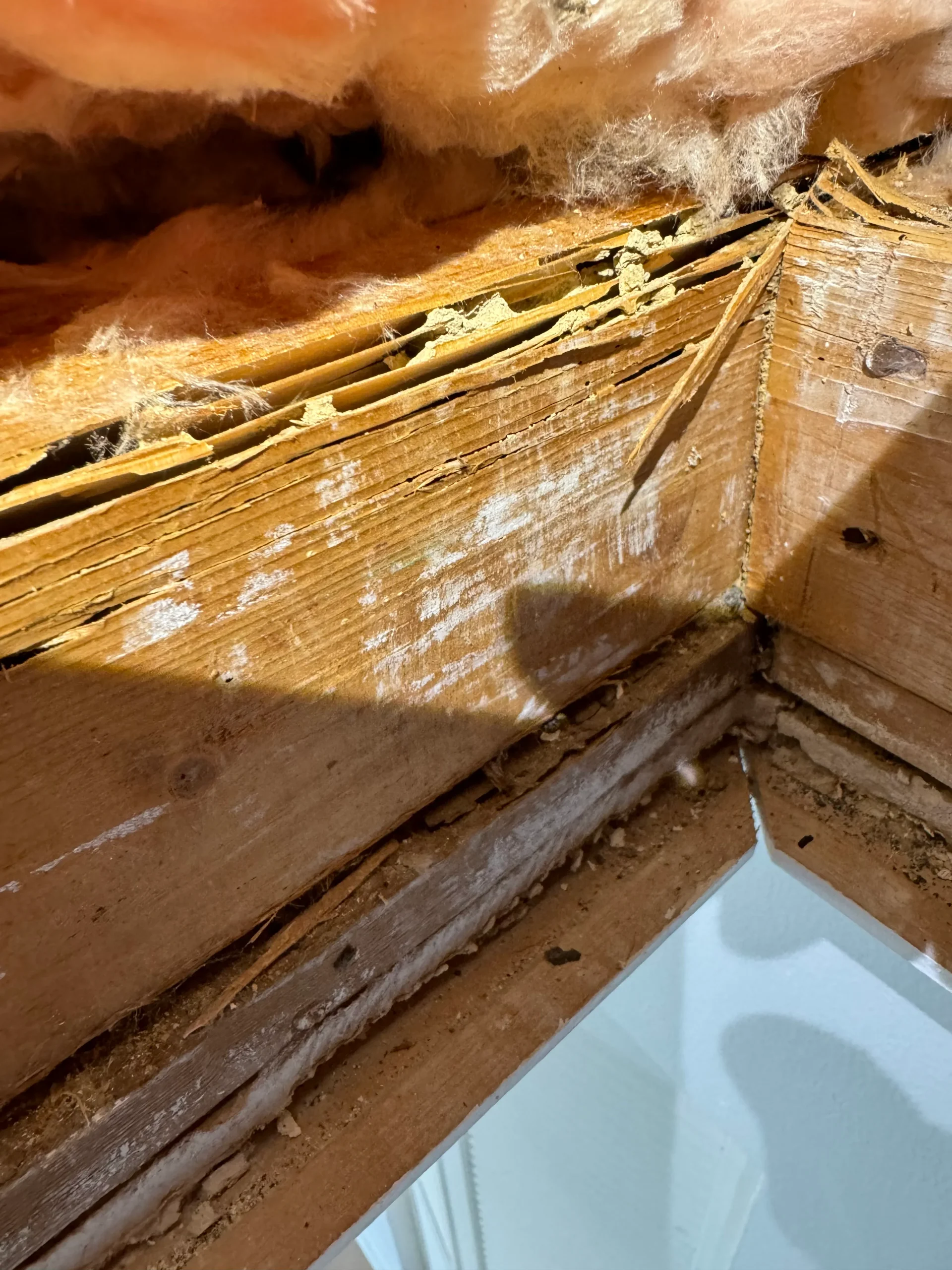
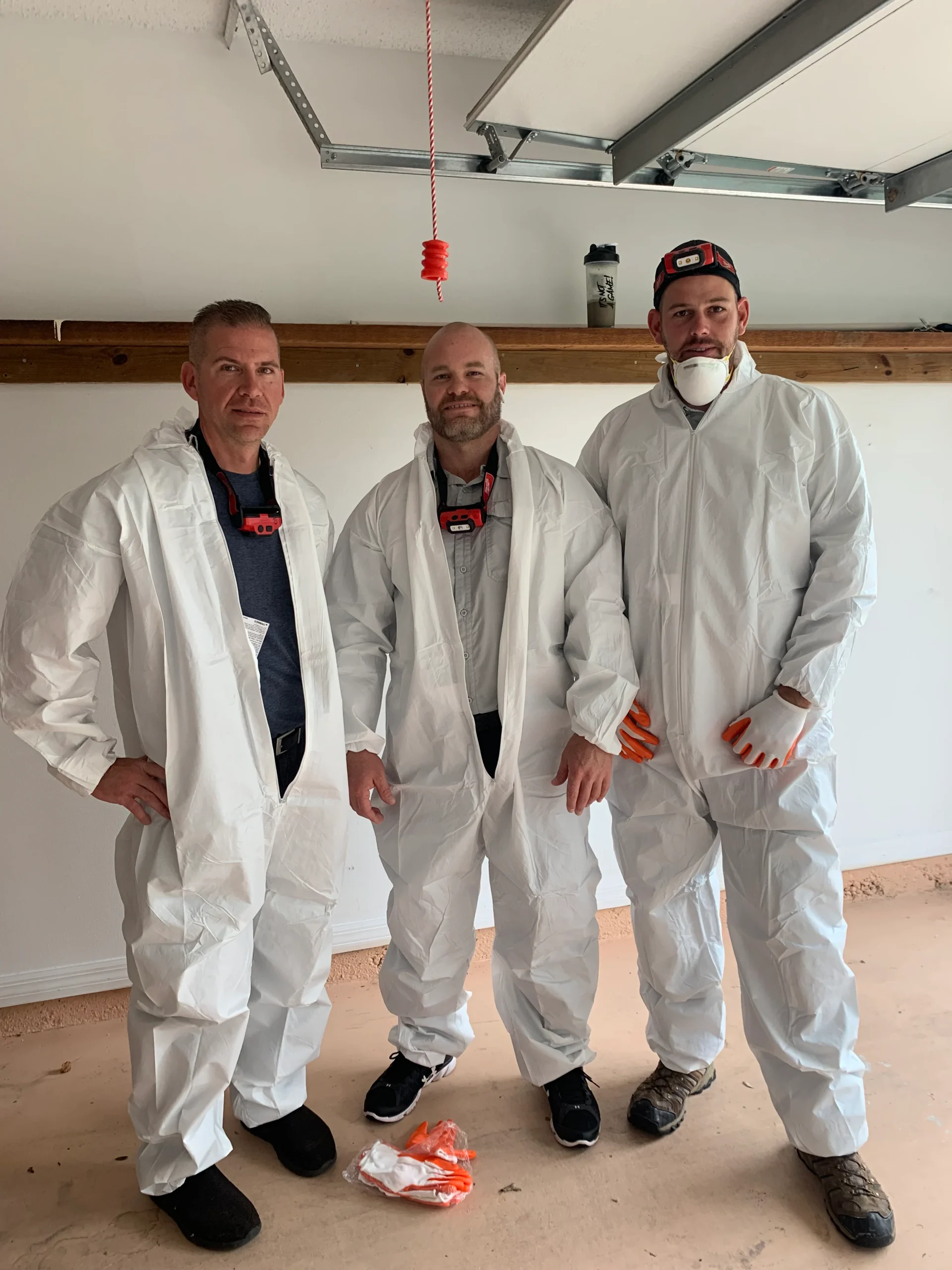
You’re not just paying to have an animal removed. You’re paying to stop the cycle—no more scratching at 3 a.m., no more droppings in the insulation, no more wondering if they’re chewing through electrical wiring while you sleep.
That’s what happens when the job is done right. The animal is removed humanely, every entry point from foundation to roofline gets sealed with materials that actually hold up, and you get documentation of what was done and why.
Most people don’t realize how many openings a home has until a raccoon finds one. A gap the size of a quarter is enough for a mouse. A hole the size of a baseball will let in squirrels, rats, and even young raccoons. Florida’s year-round mild climate means animals don’t hibernate—they’re active all twelve months, and they’re looking for shelter, food, and a place to nest. If your home has an opening, it’s only a matter of time.
We’ve been handling wildlife issues across the Treasure Coast and Palm Beach areas for nearly two decades. We’re not a national franchise with a local sticker on the truck—we’re based in Port St. Lucie, and we’ve been working in Bayshore Business District and surrounding communities long enough to know what animals are common here, how they behave, and what actually works to keep them out.
We’re fully licensed and insured in Florida, which matters more than most people think. Some species are protected, and improper removal can result in fines or worse. We handle everything by the book, and we do it without harming the animals.
You’ll work with people who’ve seen it all—from bats roosting in commercial buildings to raccoons tearing through soffits in residential neighborhoods. We’re available 24/7 because wildlife doesn’t wait for business hours, and neither do the problems they cause.
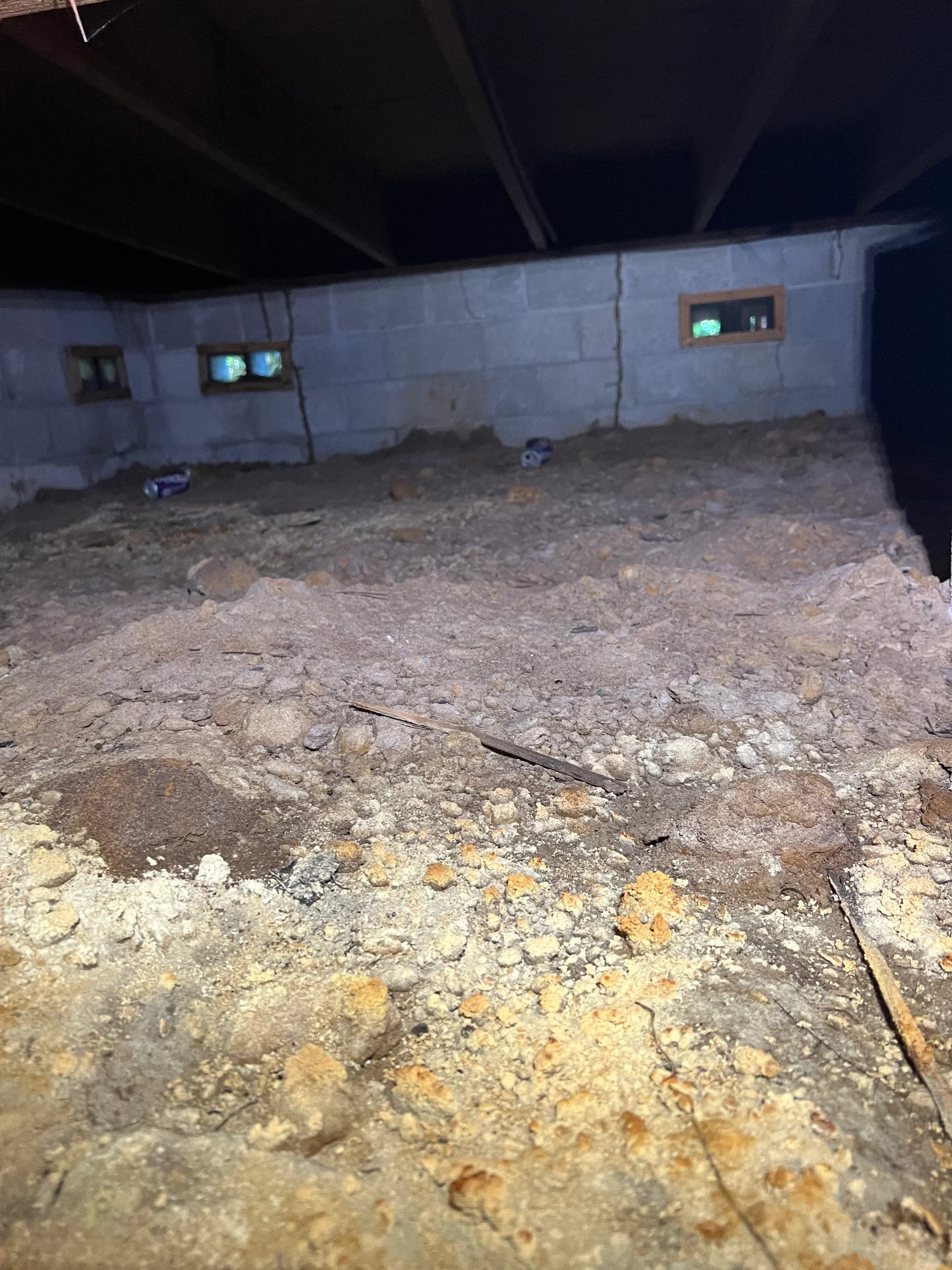
Every job starts with a full property assessment. We’re looking for active entry points, signs of damage, droppings, nesting material, and any secondary issues like contamination or structural wear. We identify what species you’re dealing with, where they’re getting in, and what kind of damage has already happened.
Once we know what we’re working with, we remove the animals using humane methods—live trapping for raccoons and squirrels, exclusion devices for bats, and targeted approaches depending on the situation. No poison, no harm. Just safe, legal removal that follows Florida wildlife regulations.
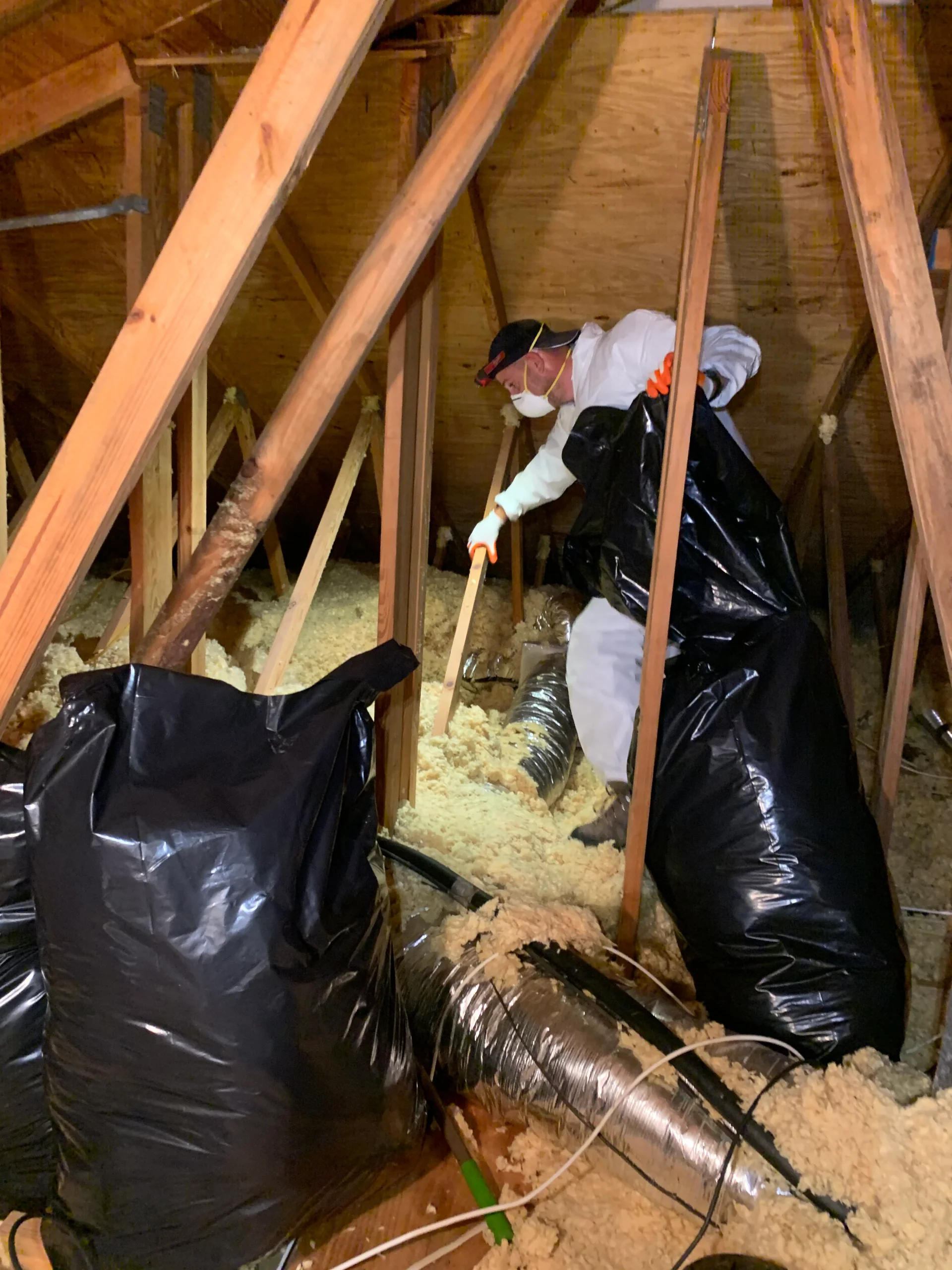
After the animals are out, we move to exclusion. That means sealing every possible entry point with heavy-duty materials designed to last—steel mesh, reinforced flashing, sealed vents, capped chimneys. We’re not patching one hole and calling it done. We’re making sure nothing else gets in. If there’s contaminated insulation or hazardous waste, we’ll let you know what needs to be addressed and handle the cleanup if you want it done right.
You’ll get a walkthrough at the end so you know exactly what was done, where the problems were, and what to watch for going forward.
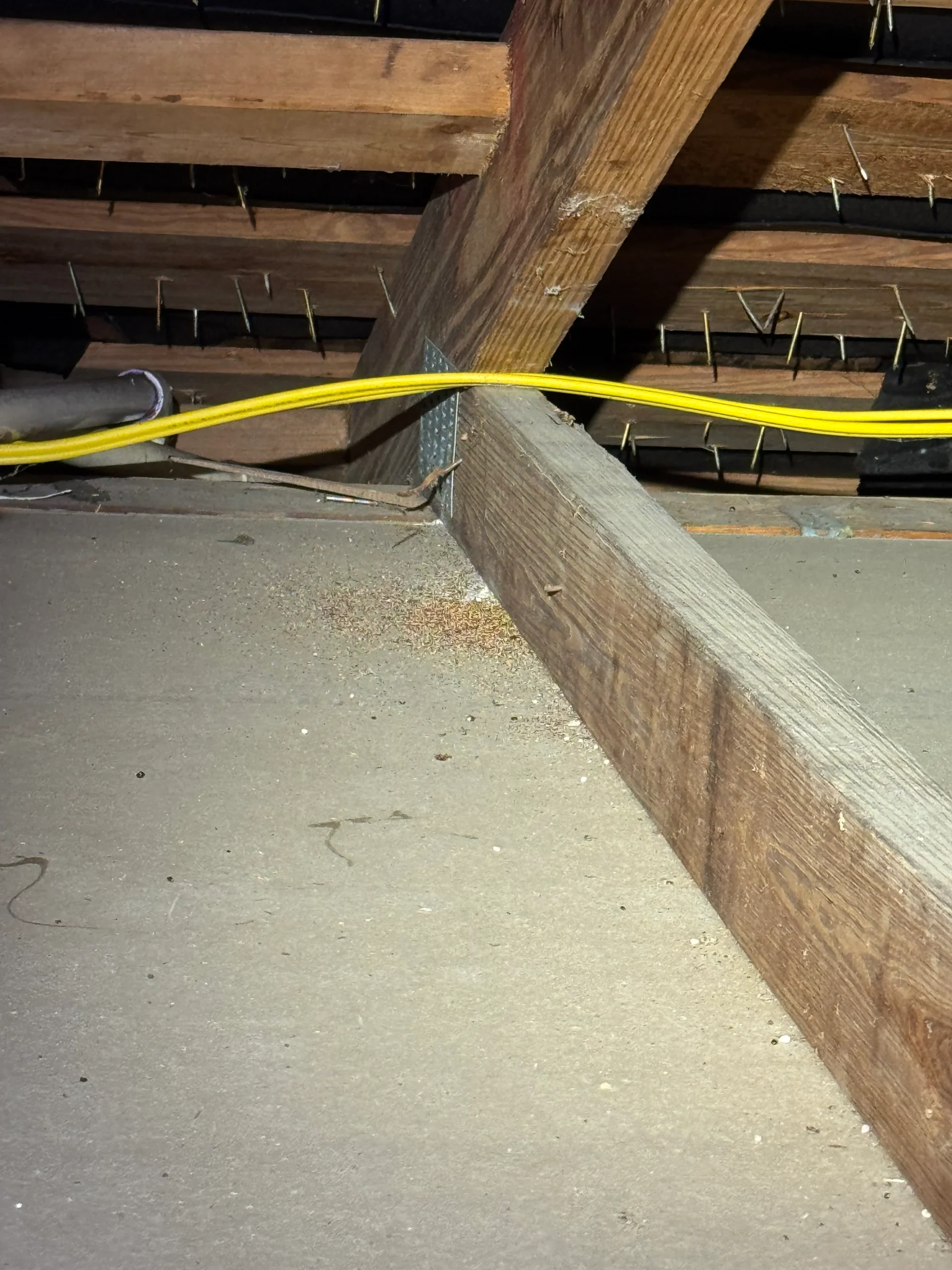
A real wildlife removal service includes three things: getting the animal out, sealing the home so nothing else gets in, and cleaning up the mess left behind if needed. That’s what separates a professional job from a quick fix that fails in six months.
Here’s what that looks like in practice. You get a detailed inspection that covers your roof, vents, soffits, foundation, garage, and any other vulnerable areas. You get humane animal trapping or exclusion based on the species and situation. You get full exclusion work—every gap, crack, or opening sealed with materials built to hold up against Florida weather and determined animals.
If there’s contamination from urine or droppings, or if insulation has been destroyed, we handle dead animal removal and sanitation. If you’ve got damage to wiring, ductwork, or structural components, we’ll document it so you know what needs repair.
In Bayshore Business District and across the Treasure Coast, the most common calls we get are for raccoons in attics, squirrels in rooflines, bats in walls, and rats in garages. Florida’s dense vegetation and steady development mean animals are constantly being pushed closer to homes, and once they find a way in, they’ll keep coming back unless the access is completely cut off.
Most jobs fall between $200 and $600 depending on the species, how many animals are involved, and how much exclusion work is needed. A single raccoon in an attic with one entry point is going to cost less than a bat colony with multiple access points and contaminated insulation.
You’ll get a free estimate after the inspection. We don’t charge to come out and assess the situation, and we don’t upsell services you don’t need. The price reflects the work—trapping or exclusion, sealing entry points, and any cleanup or sanitation if it’s necessary.
If the problem is caught early, the cost stays lower. If animals have been in the home for months, there’s usually more damage, more entry points, and more cleanup required. That’s why fast response matters.
Legally, it depends on the species. Some animals in Florida are protected, and trapping or relocating them without a license can result in fines. Bats, for example, have seasonal restrictions. Raccoons can carry rabies, and their droppings can contain parasites that are dangerous to humans.
Even if it’s legal, it’s rarely effective. Most people seal one hole and miss three others. The animals come back, or new ones move in. Trapping without knowing what you’re doing often means catching the wrong animal, or worse—separating a mother from babies that are now stuck in your walls.
Professional removal costs less than most people expect, and it’s done right the first time. You’re not guessing where the entry points are or hoping the trap works. You’re getting someone who’s done this hundreds of times and knows how to close the problem for good.
Scratching or thumping sounds, especially at dawn or dusk, are the most obvious sign. Squirrels are active during the day. Raccoons and rats are more active at night. Bats are quietest but you’ll hear them moving around at dusk when they leave to feed.
Other signs include droppings in the attic or along the roofline, greasy rub marks along walls or entry points, chewed wires or insulation, and strong odors from urine or nesting material. If you see animals entering or exiting your roofline, vents, or soffits, that’s confirmation.
Sometimes the damage is visible before you hear anything—torn shingles, displaced soffit panels, or damaged vents. If you’re noticing any of these signs, it’s worth having someone take a look before the problem gets worse. The longer animals are inside, the more damage they cause and the harder they are to remove.
If the exclusion work is done correctly, they won’t. That’s the difference between a real wildlife removal service and someone who just sets a trap and leaves. Exclusion means sealing every possible entry point with materials that animals can’t chew through, pry open, or tear apart.
We use steel mesh, heavy-grade screening, reinforced flashing, and sealed caps on vents and chimneys. We don’t use foam, caulk, or wood—animals will go right through that. Every opening from the foundation to the roof gets addressed, and we check for secondary access points that most people miss.
If something does happen after we’ve completed the work, we’ll come back and make it right. But in most cases, once the home is properly sealed, the problem is over. Animals move on to easier targets, and you’re done dealing with it.
Yes. We use live traps for raccoons, squirrels, and other mammals, and exclusion devices for bats that let them leave but not return. Nothing we do harms the animals, and everything we do follows Florida wildlife laws.
Poison isn’t part of the process. It’s inhumane, it’s often illegal depending on the species, and it creates bigger problems—dead animals decomposing in walls or attics, secondary poisoning of pets or other wildlife, and contamination that’s worse than the original issue.
Humane removal works because it’s targeted, controlled, and compliant. You’re not hoping the animal eats bait or wondering where it’s going to die. You’re getting a clean, professional removal that solves the problem without creating new ones.
The inspection and estimate usually take less than an hour. Removal time depends on the animal and the situation—some jobs are done in a day, others take a few days if we’re using exclusion methods or waiting for animals to leave on their own.
Bats, for example, require one-way exclusion devices because you can’t physically trap them. That process takes a few days. Raccoons can usually be trapped within 24 to 48 hours if they’re actively using the entry point. Squirrels are similar.
Exclusion work happens after removal and can take anywhere from a few hours to a full day depending on how many entry points need sealing. If cleanup is involved, add another few hours. Most customers are back to normal within a week, start to finish. If it’s an emergency—active infestation, visible damage, health risk—we move faster.