
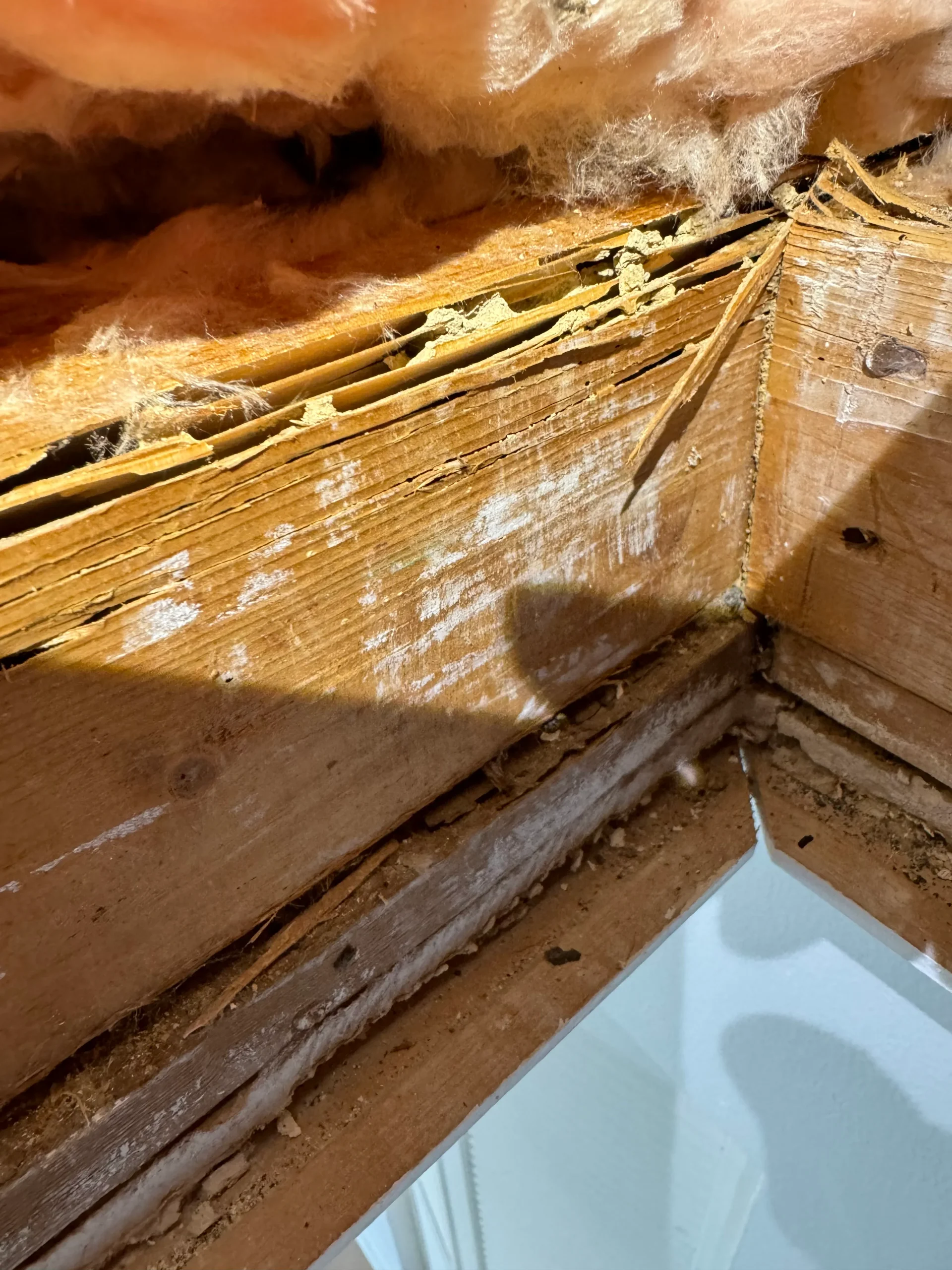
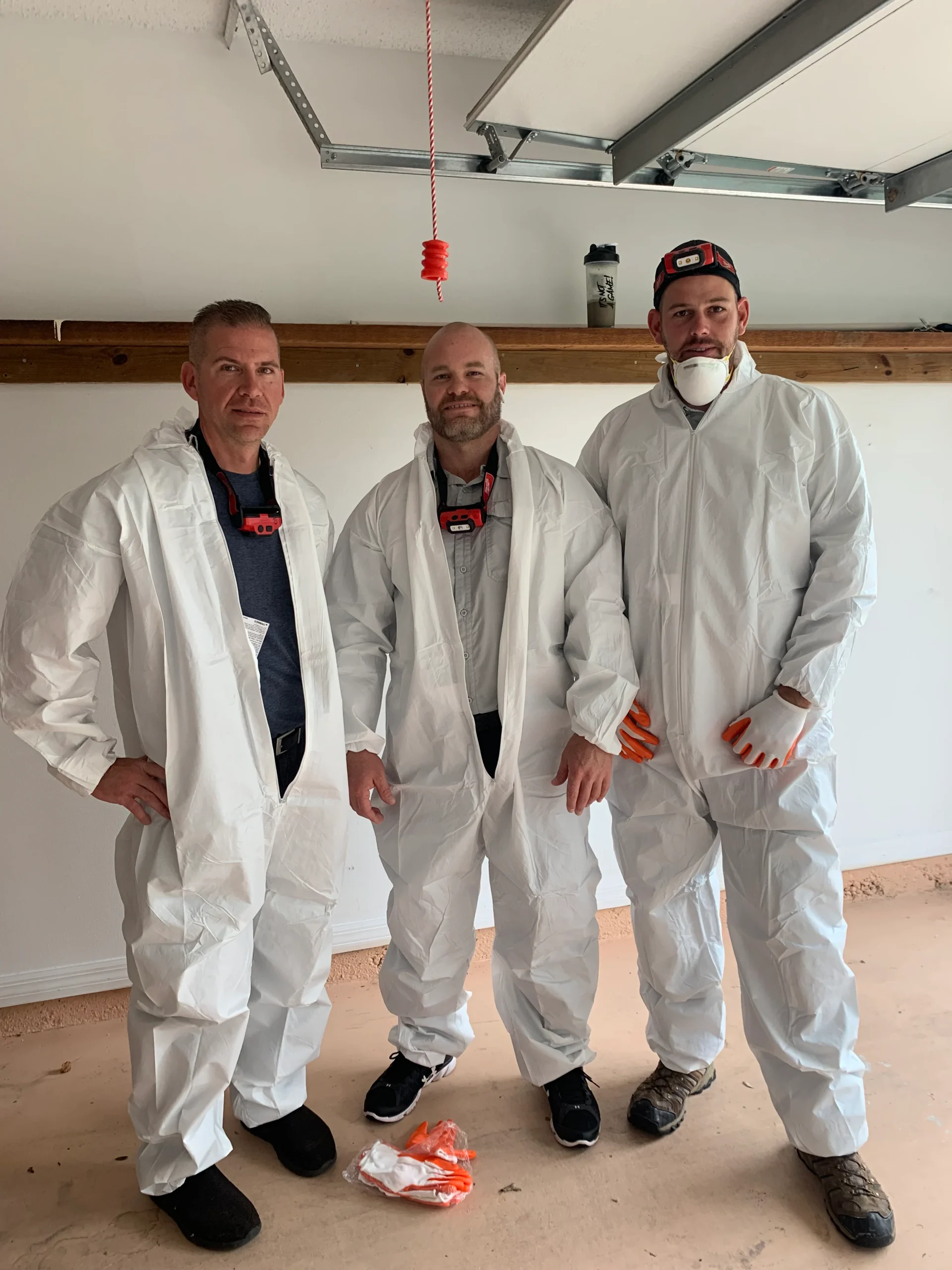
You hear scratching in the attic at night. You find droppings in the garage. You smell something dead in the walls but can’t pinpoint where.
Wildlife problems don’t wait for business hours, and neither should your solution. When raccoons, bats, squirrels, or other animals get into your Palm Trails home, they bring health risks, structural damage, and stress that compounds every day you wait.
Professional wildlife removal means more than trapping the animal you see. It means finding how they got in, sealing those entry points, cleaning contaminated areas, and repairing damage so you’re not dealing with the same problem next month. You get your home back—and the peace of mind that comes with knowing it’s actually fixed.
The difference between a quick fix and a real solution is whether the problem comes back. Our approach addresses the animal, the entry point, the damage, and the prevention all at once.
We’ve been handling wildlife removal in Palm Beach County since 2006. We’re fully licensed by the Florida Fish & Wildlife Commission and insured to handle every species common to Palm Trails homes.
We’re based in Port St. Lucie, which means we understand the seasonal patterns that drive wildlife into attics and crawl spaces across the Treasure Coast. Spring nesting season, summer storms, fall prep, winter shelter-seeking—we’ve seen how each season brings different animals looking for different things in your home.
Our approach is straightforward. We remove the animal humanely, identify how it got in, seal those access points, clean up contamination, and guarantee our work. No overselling, no scare tactics—just the work that needs to be done to solve the problem correctly.
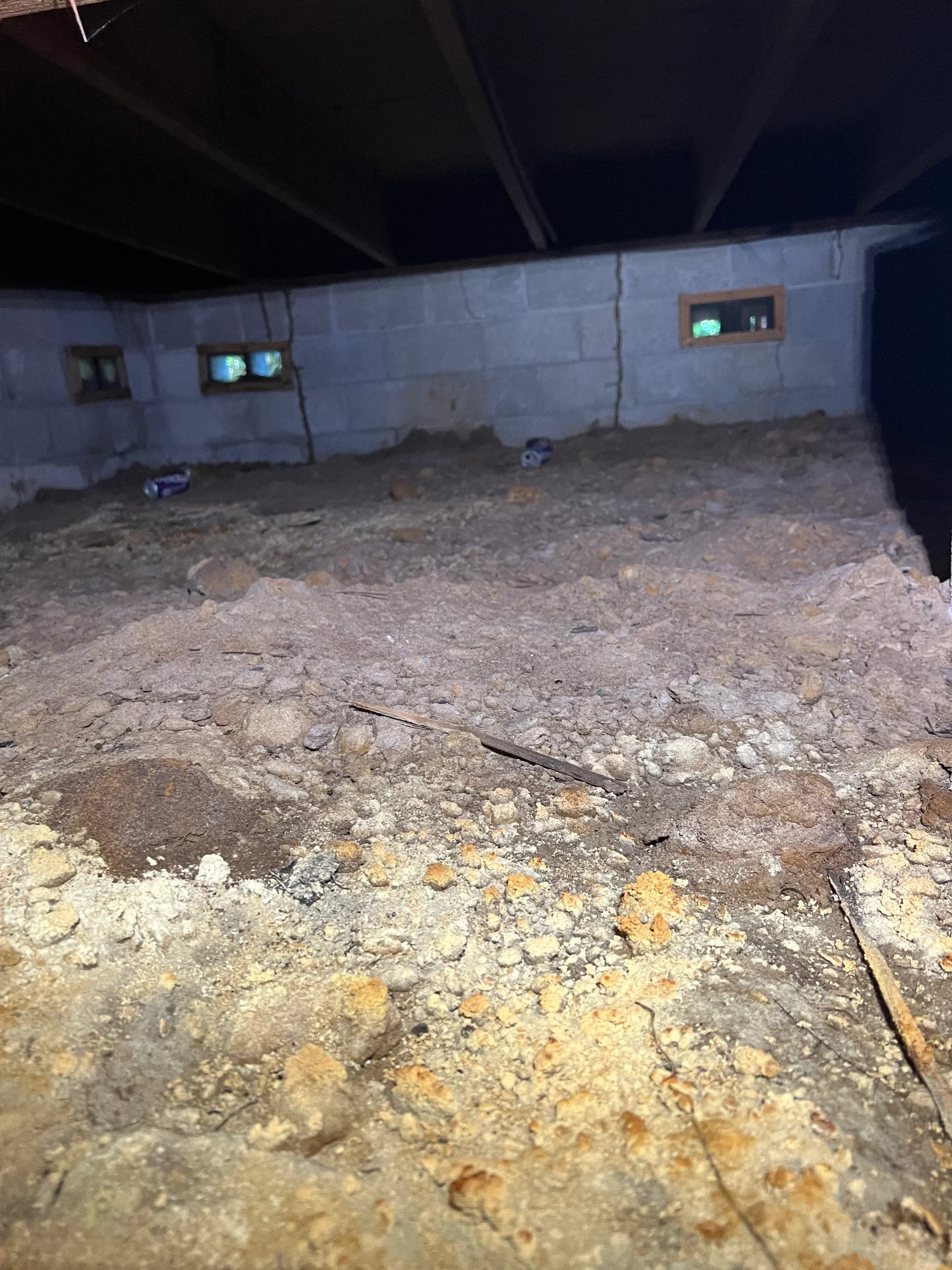
We start with a thorough property inspection to locate the animal, identify entry points, and assess any damage. You’ll know what we’re dealing with before we start any work.
Next comes humane removal using species-appropriate methods. For raccoons, that might mean live trapping. For bats, it’s exclusion devices that let them leave but not return. For squirrels in the attic, we remove them and their nesting materials, then address the access points they chewed through.
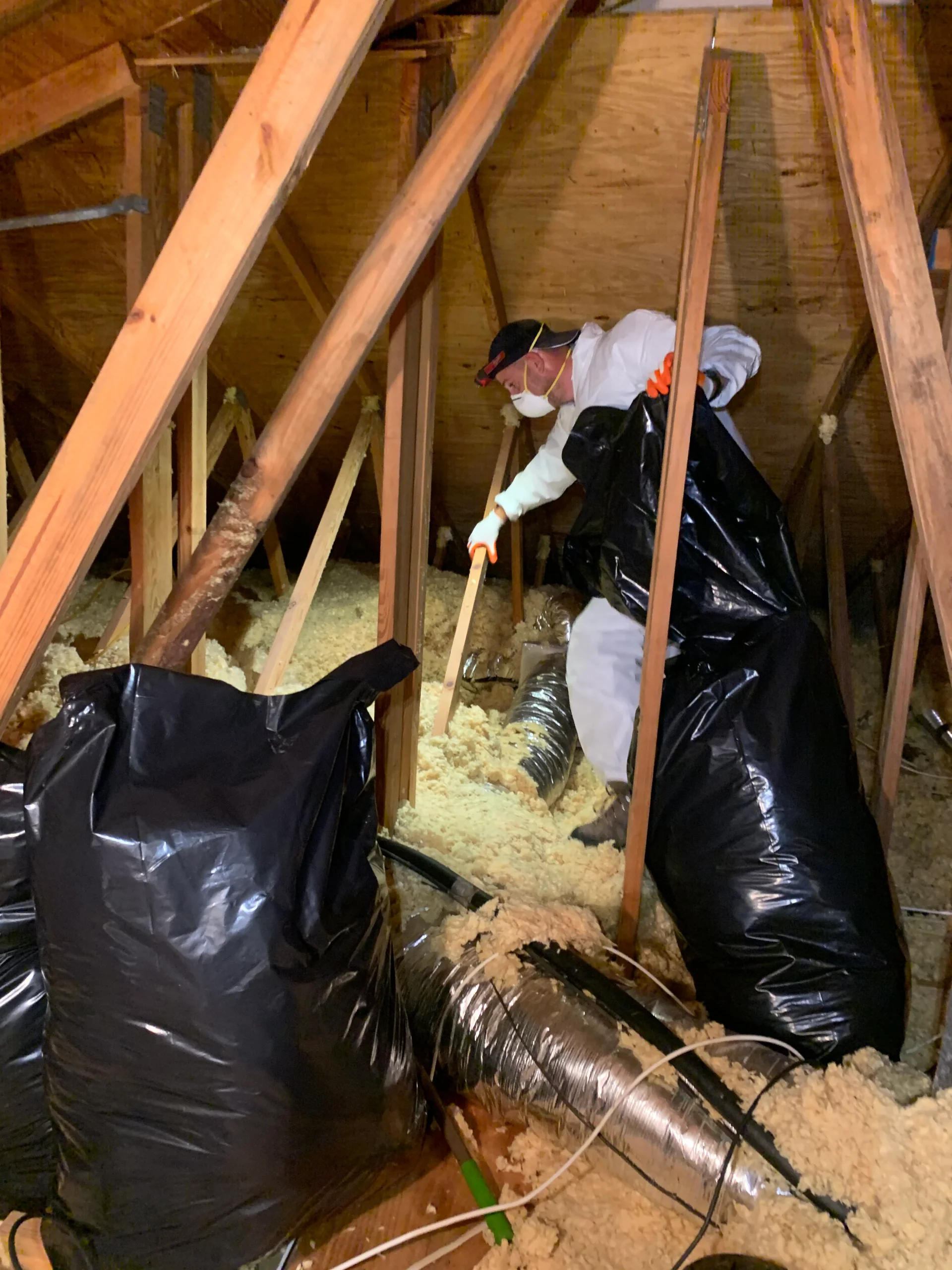
Once the animals are out, we seal every entry point with materials they can’t chew, claw, or push through. This is where most DIY attempts fail—knowing which materials work for which species matters. We also clean and decontaminate affected areas to remove health risks from droppings and urine.
Finally, we inspect our work and provide a warranty. If something isn’t right, we come back and make it right. Most wildlife removal jobs in Palm Trails are completed within a few days, though larger infestations or extensive damage can take longer.
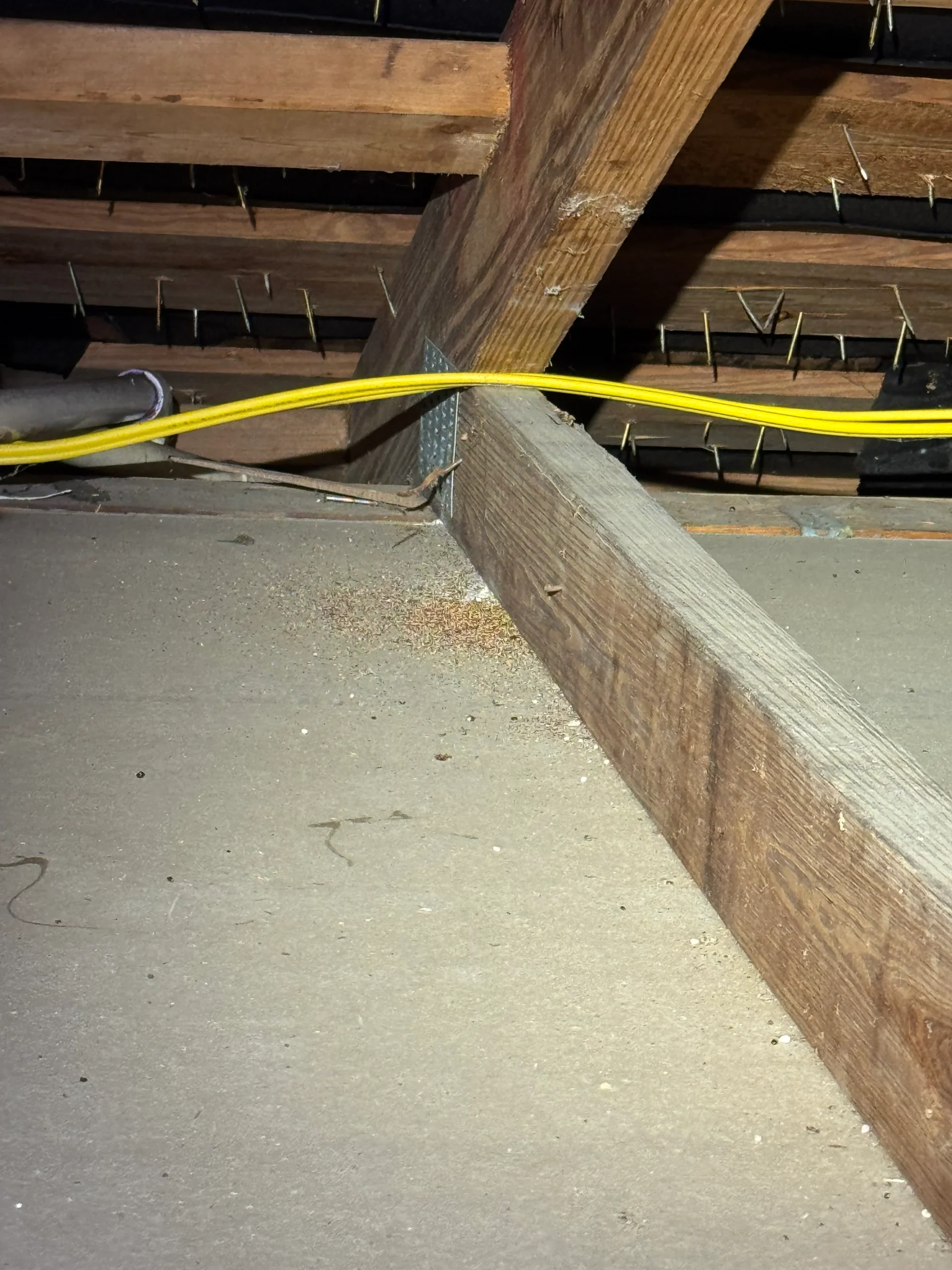
You get a complete solution, not just animal trapping. That includes identifying the species, removing all animals from the property, sealing entry points with exclusion materials, removing contaminated insulation or nesting materials when necessary, and repairing damage to soffits, vents, or rooflines.
Palm Trails homes face specific challenges. The warm climate means wildlife stays active year-round. Raccoons are a major issue here—they’re strong, smart, and carry rabies more than any other species in Florida. Bats roost in attics and leave droppings that can cause respiratory illness. Squirrels chew through wood, wires, and ductwork.
We also handle dead animal removal, which is more urgent than people realize. Decomposition spreads bacteria and attracts other pests. The smell can permeate your home through HVAC systems if the animal died near ductwork.
Every job comes with a free estimate, 24/7 emergency availability, and a satisfaction guarantee. We’re licensed to handle the species you’re dealing with, and we follow Florida Fish & Wildlife regulations for humane handling and relocation.
Most wildlife removal starts the same day or next day depending on when you call. Emergency situations—like a bat in the living space or an aggressive raccoon—get prioritized for same-day response.
The removal itself depends on the species and situation. Trapping a raccoon might take a few days if we’re using live traps and waiting for the animal to enter. Bat exclusion takes longer because we install one-way devices and wait for them to leave naturally, which can take up to a week.
Squirrels and rodents are usually out within a few days. The full job—including exclusion work and cleanup—typically wraps up within a week for most Palm Trails homes. Larger infestations or homes with extensive entry points take longer, but you’ll know the timeline upfront.
Raccoons top the list. They’re strong enough to tear through soffits and smart enough to remember how they got in. They nest in attics, contaminate insulation with feces and urine, and carry rabies at higher rates than other Florida wildlife.
Squirrels are a close second. They chew through wood and wires, creating fire hazards and costly damage. They’re most active in spring and fall when they’re nesting or preparing for cooler weather.
Bats roost in attics and wall voids, especially during maternity season in summer. Their droppings carry histoplasmosis, a respiratory illness that becomes airborne when disturbed. Opossums, armadillos, and snakes also show up regularly, usually in garages, crawl spaces, or under decks. Each species requires different removal methods, which is why working with licensed professionals matters.
Yes. Florida Fish & Wildlife Conservation Commission regulates how wildlife is trapped, handled, and relocated. Many species are protected, and improper removal can result in fines for the property owner.
For you, this means hiring a licensed wildlife control operator isn’t optional—it’s the only legal way to handle most species. Bats, for example, can’t be excluded during maternity season (April through August) because flightless pups would be trapped inside and die.
Raccoons require specific trap types and relocation distances. Venomous snakes have their own handling requirements. A licensed operator knows these regulations and follows them, which protects you from liability and ensures the work is done humanely. DIY wildlife removal often violates these rules without the homeowner realizing it.
Exclusion work is the difference between a temporary fix and a permanent solution. After removing the animal, we inspect your entire roofline, foundation, vents, and other potential entry points.
We seal openings with materials specific to the species. Raccoons need heavy-gauge steel mesh because they can tear through weaker materials. Squirrels require metal flashing around chewed areas because they’ll just chew through wood again. Bats need caulking and foam in tiny gaps because they can squeeze through openings as small as a dime.
We also address attractants when possible. That might mean recommending you secure trash cans, trim tree branches away from the roofline, or repair standing water issues that draw animals to your property. The exclusion work comes with a warranty—if an animal gets back in through an area we sealed, we come back and fix it at no charge.
Raccoons, bats, and rodents all carry diseases that spread through their droppings, urine, and saliva. Raccoon feces can contain roundworm eggs that cause serious neurological damage if accidentally ingested. Bat droppings carry histoplasmosis spores that become airborne and cause respiratory illness.
Rodents spread salmonella and leptospirosis through urine that dries and becomes airborne. When wildlife damages your ductwork—which happens often—these contaminants spread throughout your home every time the HVAC system runs.
Beyond disease, wildlife brings parasites. Fleas, ticks, and mites infest nesting areas and can migrate into living spaces after the animal is removed. This is why cleanup and decontamination matter as much as removal. We remove contaminated insulation, treat affected areas, and ensure you’re not left with lingering health risks after the animal is gone.
Yes. We’re available 24/7 for wildlife emergencies because some situations can’t wait until morning. A bat flying around your bedroom, a raccoon acting aggressively in your yard, or the smell of a dead animal in your walls—these need immediate attention.
Emergency response times depend on your location in Palm Trails and our current job schedule, but we prioritize urgent situations. Same-day service is standard for true emergencies.
Not every wildlife problem is an emergency, though. If you hear scratching in the attic but the animal isn’t in your living space, next-day service is usually fine. We’ll help you determine urgency when you call and schedule accordingly. Either way, you’re not waiting days or weeks to get the problem addressed.