
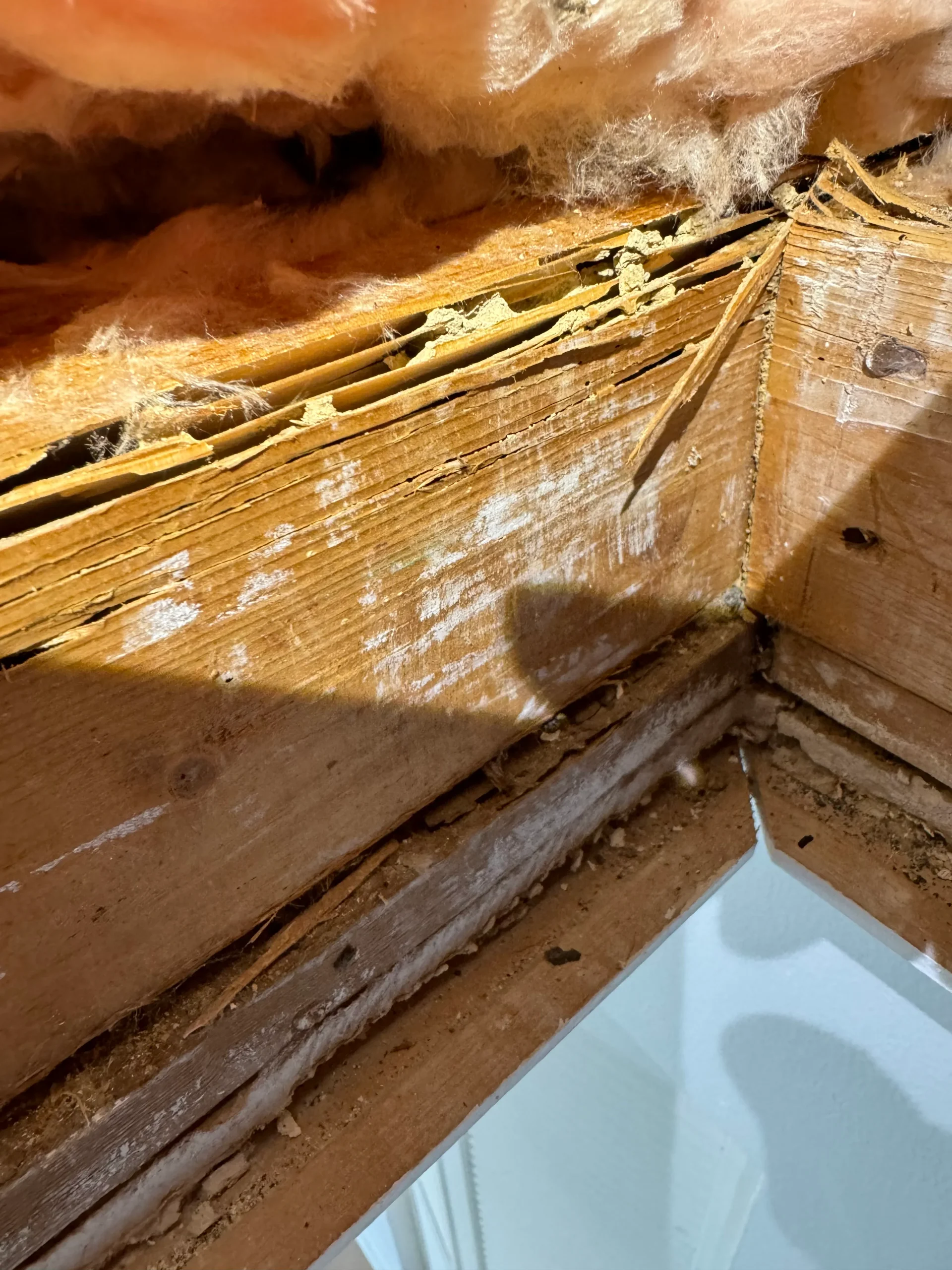
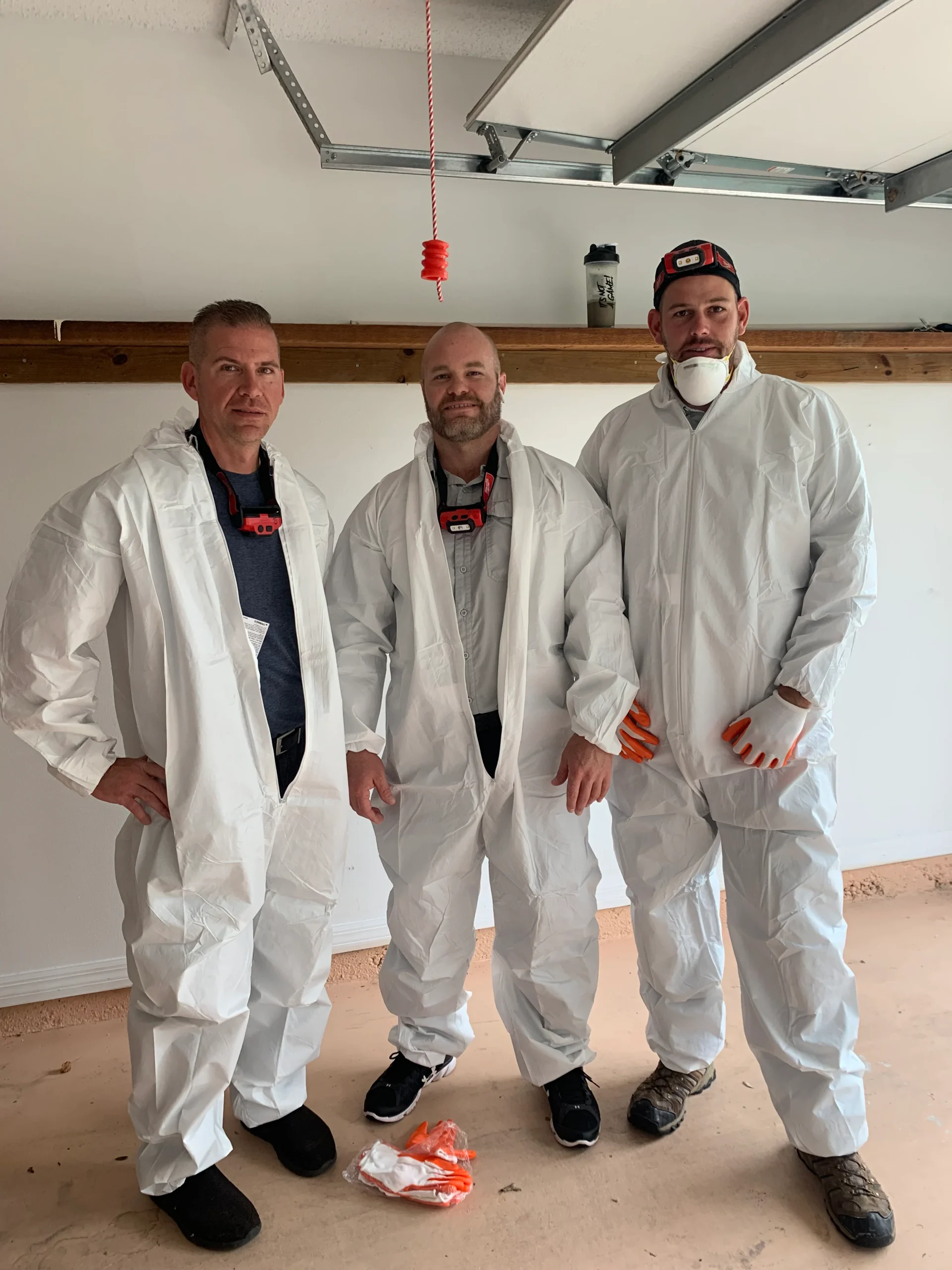
You’re not just paying to have an animal removed. You’re paying for your attic insulation to stay intact, your ductwork to remain undamaged, and your family to stop worrying about diseases spreading through your vents.
Wildlife removal done right means no scratching sounds at 2 a.m. No foul smells seeping through your walls. No return visits from the same critter because someone forgot to seal the entry point.
It means a full inspection that catches what others miss. Humane trapping and removal that follows Florida law. Exclusion work that actually holds up. And cleanup that removes contaminated insulation, droppings, and odor—not just the animal.
In Tradition and across St. Lucie County, wildlife doesn’t take a break. Raccoons, bats, opossums, and rodents are active year-round thanks to Florida’s mild climate. That’s why prevention matters as much as removal. You need someone who understands local wildlife behavior, knows where animals enter, and can stop them before they settle in.
We’re based in Port St. Lucie and have been serving the Treasure Coast since 2006. We’re licensed, insured, and focused on eco-friendly methods that work with Florida’s ecosystem—not against it.
We’re not the company that shows up, sets a trap, and disappears. We walk you through what’s happening, why it’s happening, and what we’re doing to fix it. Our team handles residential and commercial properties throughout Tradition, and we’re available 24/7 for emergencies.
You’ll work with people who’ve seen it all—raccoons tearing through soffits, bats roosting in attics, opossums nesting under decks. We know what works in this area because we’ve been doing it here for nearly two decades.
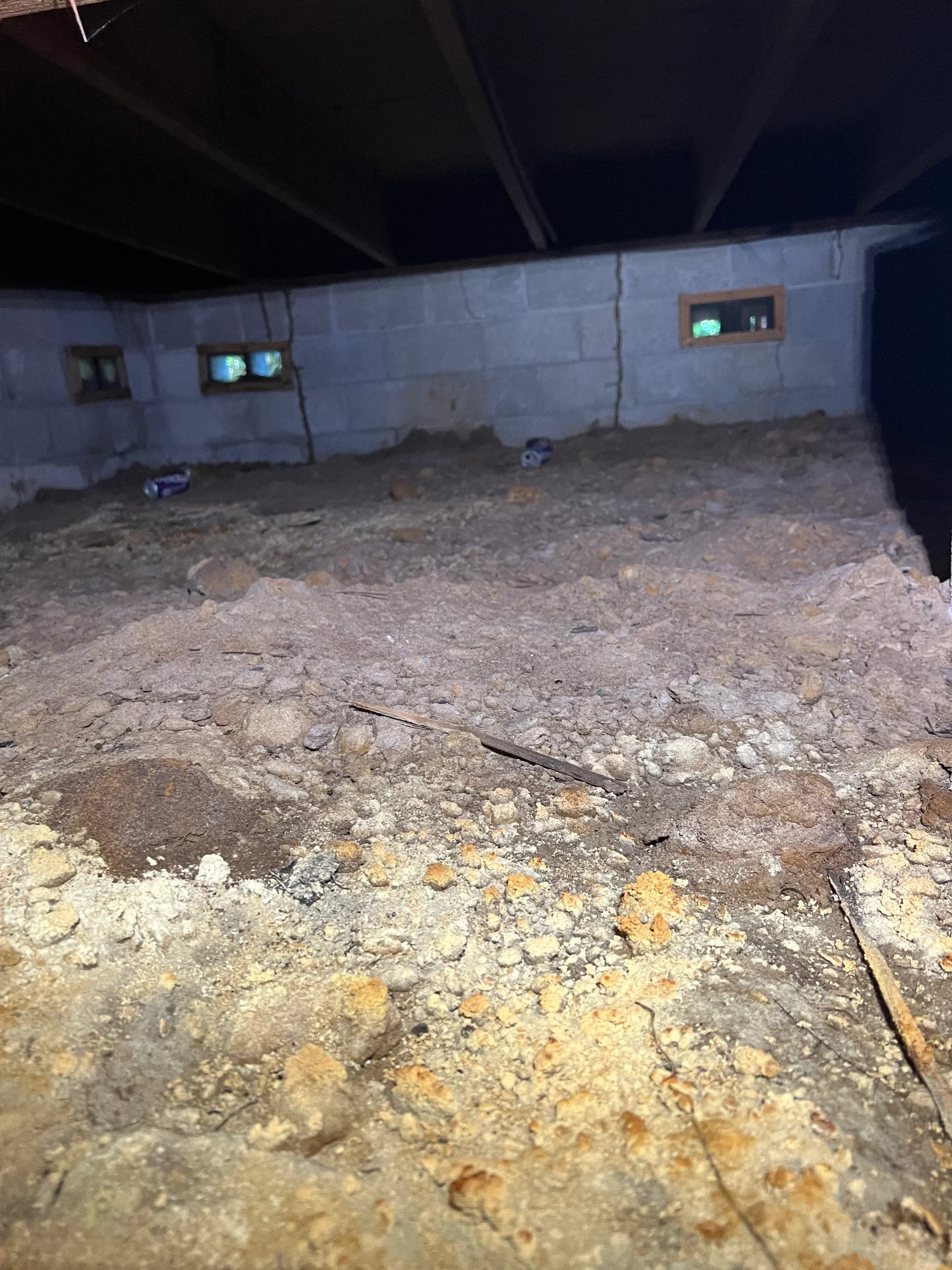
First, we inspect your property—inside and out. We’re looking for entry points, damage, nesting areas, droppings, and signs of activity. Most companies miss things. We don’t. That’s why our inspections take longer.
Once we know what we’re dealing with, we explain it. What animal, where they’re getting in, what kind of damage they’ve caused, and what it’ll take to fix it. You get a free estimate before any work starts.
Then we remove the animal using humane trapping methods that comply with Florida wildlife laws. No poisons. No shortcuts. If it’s a protected species, we handle the permits.
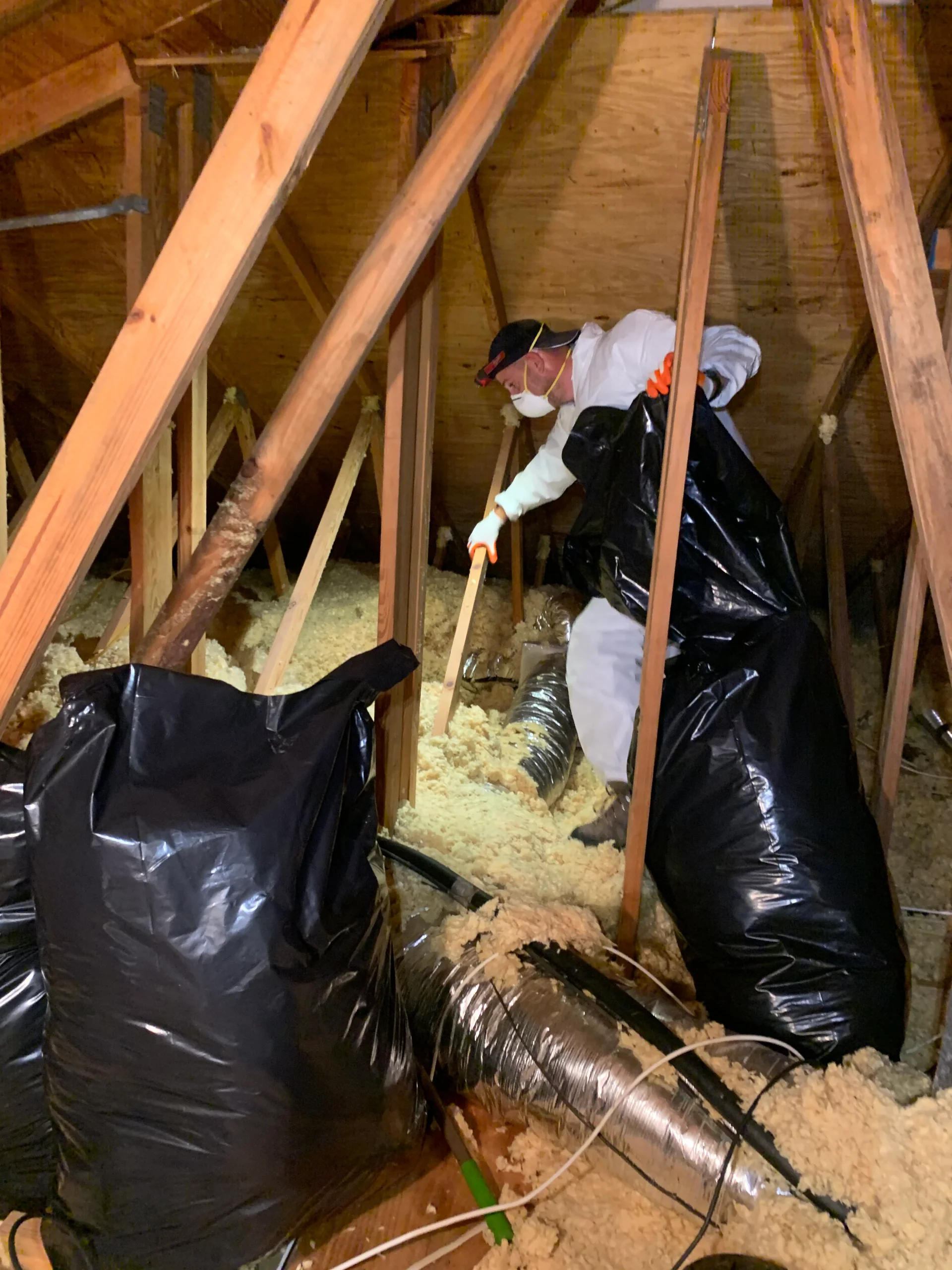
After removal, we seal every entry point. Raccoons have hands—they’ll open weak spots if you let them. We use materials that hold up. Then we clean and decontaminate affected areas, removing insulation if needed, treating for odor, and making sure no health risks remain.
Finally, we follow up. If something isn’t right, we come back. That’s the guarantee.
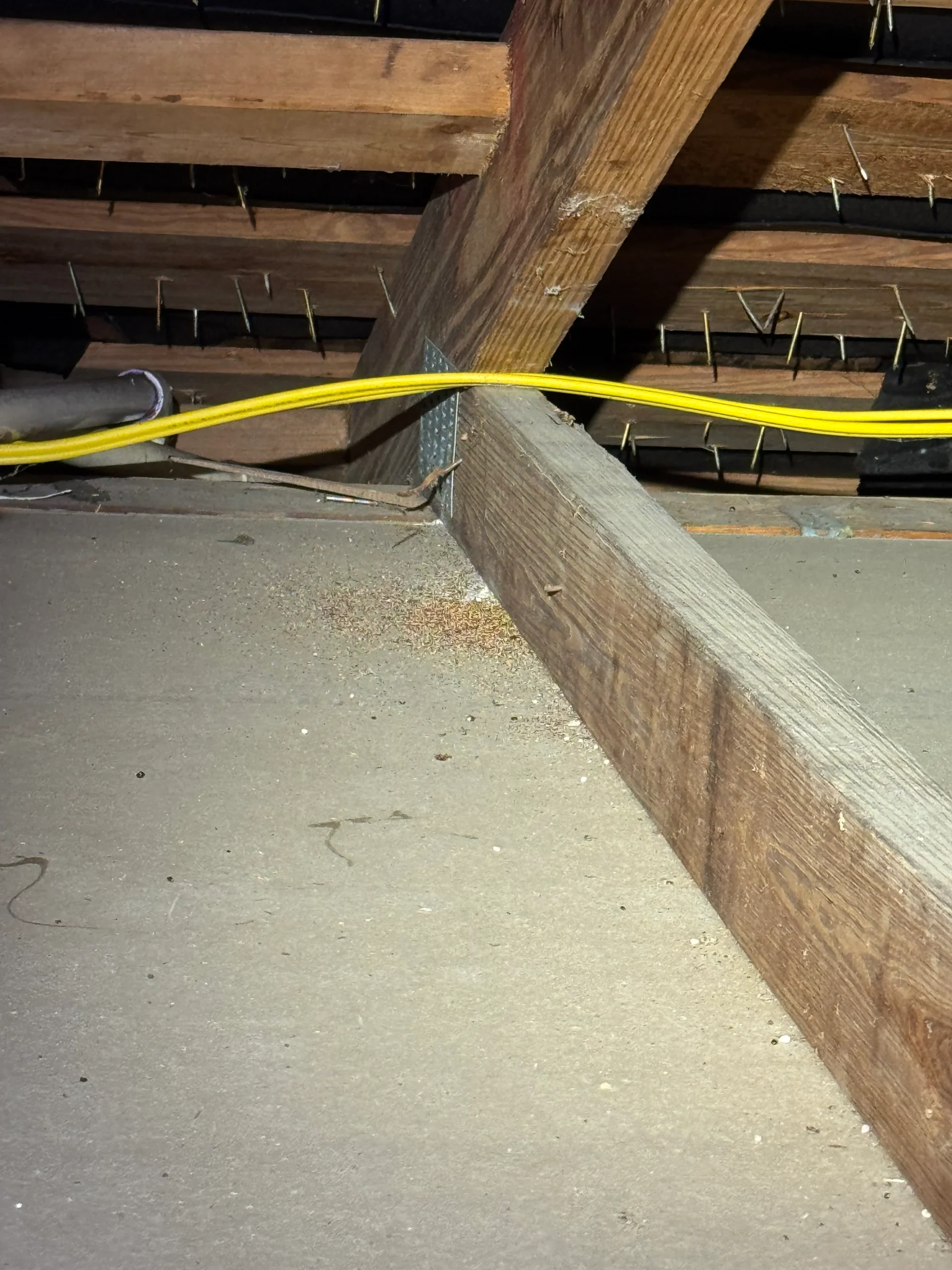
Wildlife removal in Tradition means dealing with animals that thrive in Florida’s climate. Raccoons are the biggest issue—they’re smart, strong, and destructive. They’ll rip through roof vents, tear up insulation, and leave droppings that carry roundworm and leptospirosis.
Bats are another common problem. Florida is home to 13 bat species, and they roost in attics where their guano creates serious health risks, including histoplasmosis. Removing bats requires timing and technique—you can’t just seal them in.
Opossums, rats, and squirrels round out the usual suspects. Each one brings its own risks. Rats chew through wiring and spread salmonella. Squirrels destroy insulation and create fire hazards. Opossums leave messes and attract other pests.
Our service includes full inspections, humane animal trapping, exclusion and sealing, dead animal removal if needed, attic cleanup and decontamination, and preventative recommendations. We also handle the less common calls—snakes, armadillos, birds nesting in vents.
In Tradition, you’re close enough to natural habitats that wildlife encounters are common. Properties near wetlands or wooded areas see more activity, but even neighborhoods farther from the edge deal with raccoons and rats. Florida’s year-round warmth means animals don’t hibernate—they’re always looking for food, water, and shelter. Your home checks all three boxes.
It depends on the animal, the damage, and how many entry points need sealing. A straightforward raccoon removal with one entry point might run a few hundred dollars. A full attic restoration after years of bat activity can cost several thousand.
We offer free estimates so you know exactly what you’re paying for before we start. No surprises, no upselling. Most companies charge for inspections—we don’t.
Price matters, but so does doing it right. Cheap removal without exclusion means the animal comes back. Cheap exclusion without cleanup means you’re still breathing in contaminated air. You’re better off paying once for a complete job than paying twice because someone cut corners.
Yes. Florida Fish and Wildlife Conservation Commission regulates the removal of certain species. Bats, for example, have maternity seasons when removal isn’t allowed. Some animals are protected and require special permits.
We handle all of that. If a permit is needed, we get it. If there’s a legal restriction, we work around it. You don’t have to worry about whether you’re breaking the law—we make sure you’re not.
DIY removal is risky for more than just legal reasons. Many animals carry diseases, and improper handling can expose you to rabies, leptospirosis, or histoplasmosis. Professionals have the training, equipment, and insurance to do it safely.
You’ll hear scratching, thumping, or scurrying—usually at night for raccoons and rats, early morning or dusk for squirrels. Bats are quieter but you’ll hear high-pitched squeaking and fluttering.
Smells are another giveaway. Urine and droppings create a strong, musty odor that gets worse over time. If something dies in your walls or attic, the smell is unmistakable.
Look for visible damage too. Torn soffit vents, holes in your roof, chewed fascia boards, or displaced insulation if you can see into your attic. Outside, check for tracks, droppings, or greasy rub marks along entry points. If you’re not sure, call for an inspection. We’ll tell you what’s there and what’s not.
Legally, no. Florida law prohibits relocating wildlife without a permit, and for good reason. Relocated animals usually die because they don’t know the area, and you risk spreading disease to new populations.
There’s also the practical side. Trapping sounds simple until you’re dealing with an aggressive raccoon or a bat colony. Animals bite, scratch, and carry diseases. Raccoons can weigh 16 pounds and have sharp claws. Bats carry rabies.
Even if you trap the animal, you haven’t solved the problem. If you don’t seal the entry points, another animal moves in. If you don’t clean up the contamination, your family is still at risk. DIY rarely works, and when it doesn’t, you end up paying for professional help anyway—plus the cost of whatever damage happened in the meantime.
Inspections usually take an hour or two depending on property size and the extent of the problem. Trapping can take anywhere from a day to a week—it depends on the animal and how many there are.
Exclusion and sealing work happens after removal, and that might take a few hours to a full day depending on how many entry points we’re closing. Attic cleanup and decontamination add another day or two if it’s needed.
Most jobs wrap up within a week. Emergency situations get faster response times—we’re available 24/7 and can often do same-day inspections. The timeline also depends on you. If we need attic access or permission to work in certain areas, delays happen. But once we’re cleared to work, we move quickly.
Seal every entry point. Raccoons need a four-inch gap to squeeze through. Rats need half an inch. Bats need a quarter inch. If there’s a way in, they’ll find it.
We use heavy-gauge materials that animals can’t chew or claw through. We also install exclusion devices like chimney caps, vent covers, and reinforced soffit screens. Regular maintenance helps too—trim tree branches away from your roof, secure trash cans, and don’t leave pet food outside.
Florida’s climate means wildlife is active year-round, so prevention is ongoing. After we finish the job, we’ll walk you through what to watch for and when to call us back. Most of our clients never have a repeat problem, but if they do, our guarantee covers it.