


- Since 2006Locally Owned & Operated
- 47+ YearsCombined Professional Experience
- 5-StarCustomer-Rated Service
- 2Full-Time State Certified Operators
Locally owned since 2006
Rodent Control and Exclusion Specialists.
Expert rodent control and removal in St. Lucie County.
Two full-time state-certified operators. Over 47 Years of Combined Experience.
We find how rats and mice are getting in, seal those openings with durable, high-quality exclusion work, and remove the rodents already inside.
Serving the Treasure Coast, Palm Beach areas, and the Riverland area, with help for Roof Rats, Norway Rats and House Mice.
- Most rodent exclusion work includes a one-year warranty. Annual renewal available.
- 24/7 emergency service. Locally owned since 2006.
Where they get in
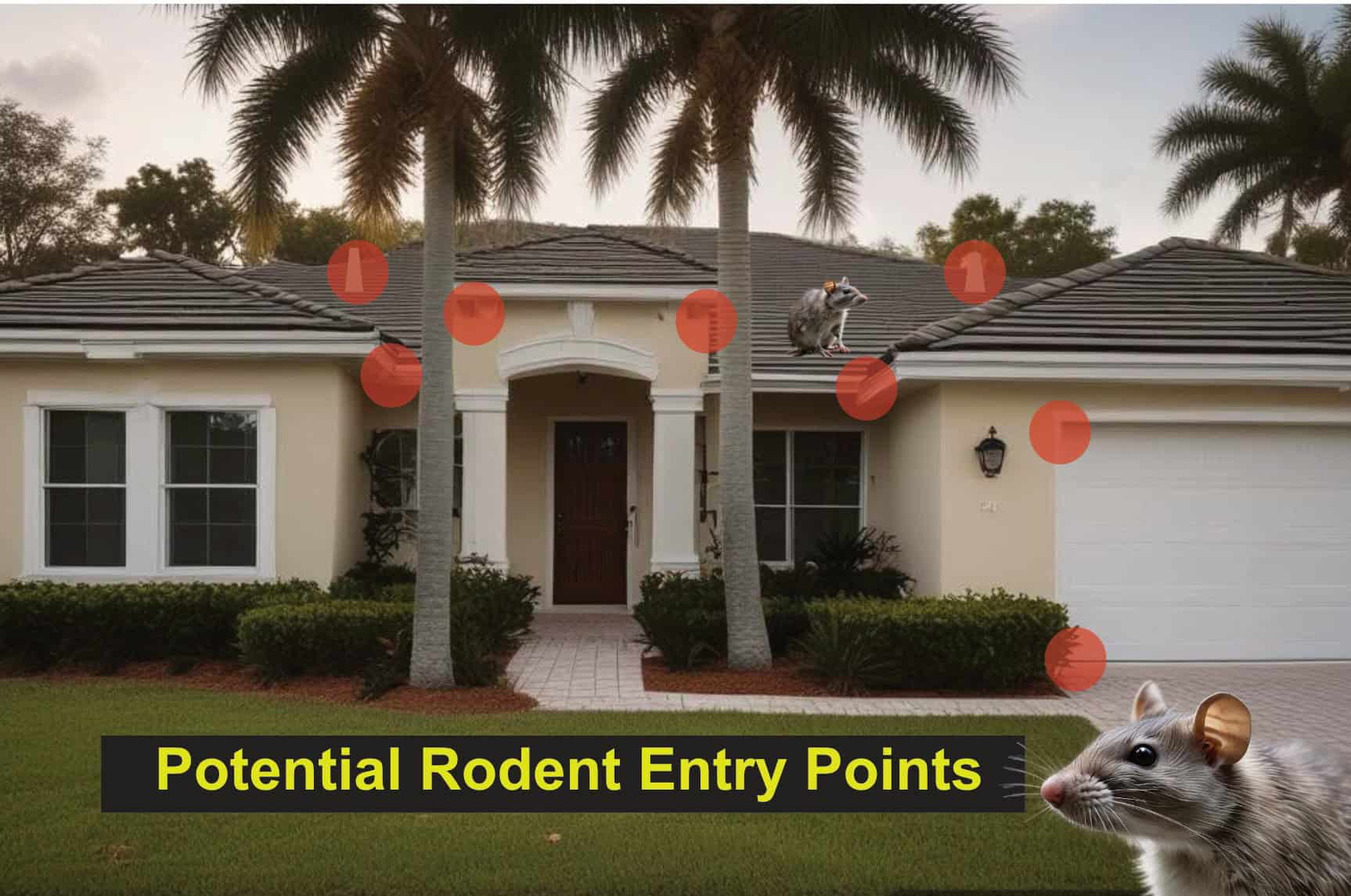
Don’t Let Rodents In: Spot Entry Points Around Your St. Lucie Home
Ever wonder how rodents are getting into your home? This visual guide marks common spots around a St. Lucie house that rats and mice use — the roofline, eaves, attic vents, and garage door among them.
Seeing those openings makes the next step clearer: inspect them, and seal the ones that are letting rodents in.
Our process
Rodent Exclusion Done Right, From Start to Finish
A more thorough approach, backed by experience and field judgment.
Trapping alone will not fix a rodent problem if the way in is still open. Our rodent specialists build this work around durable, high-quality exclusion from the outset: finding the gaps rats and mice use and sealing the openings we find.
Expert Inspection
We inspect from the foundation to the roof to identify the species, find entry points, and locate nesting areas.
Exclusion and Sealing
We seal the entry points we find with materials matched to each opening, chosen for durable, high-quality exclusion that fits the spot.
Trapping and Baiting
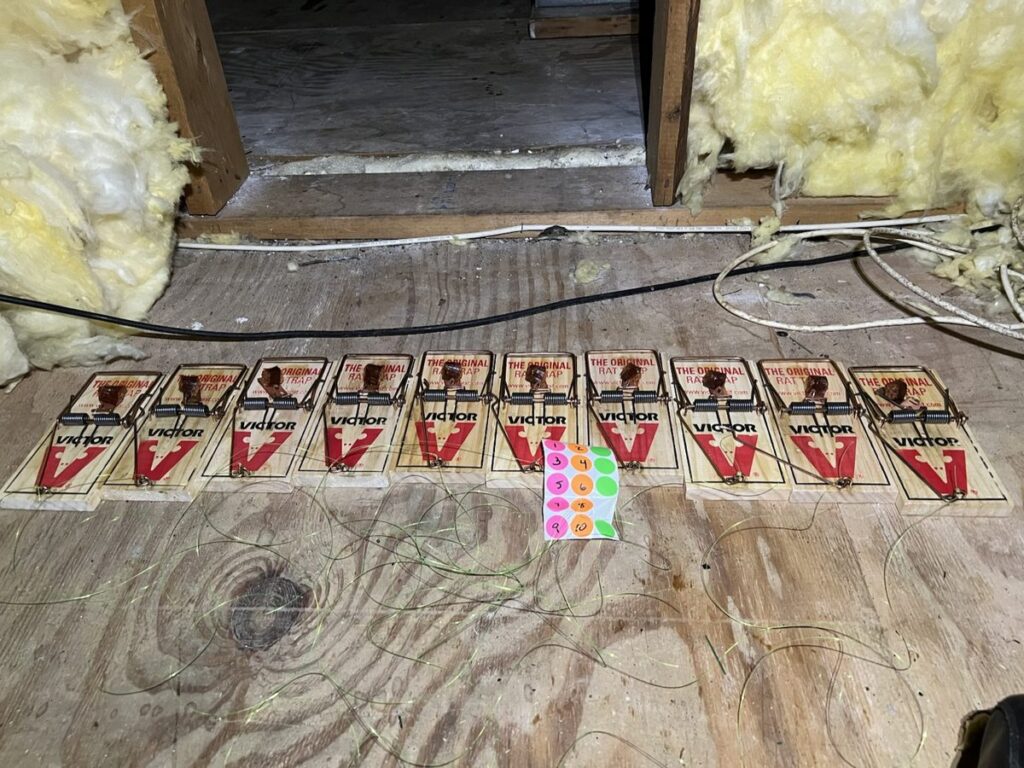
Trapping and baiting are different tools. We use adaptable trapping, rodent boxes, and bait stations, and we match the method to the activity we see rather than using one approach on every job. Trapping targets rodents already inside; baiting is a separate choice used when the activity calls for it.
Revisit and Adjust
We come back to check the exclusion, review trap and bait activity, and adjust the plan as needed. Ongoing rodent control plans are available.
Sealing the way in
Rodent Exclusion
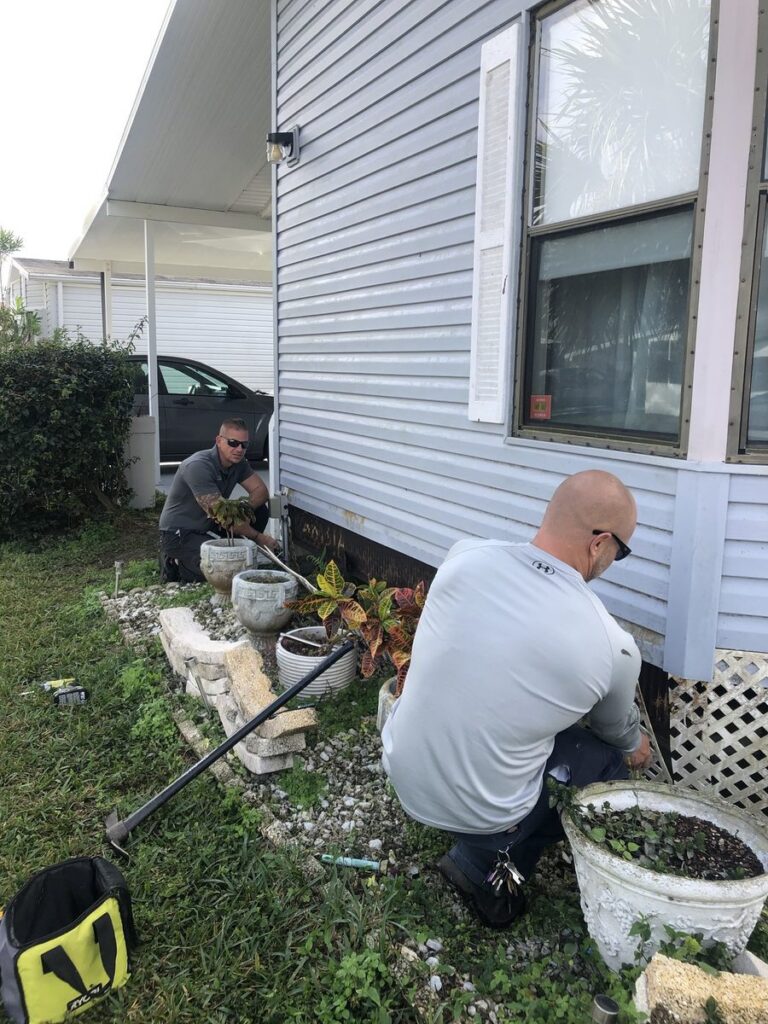
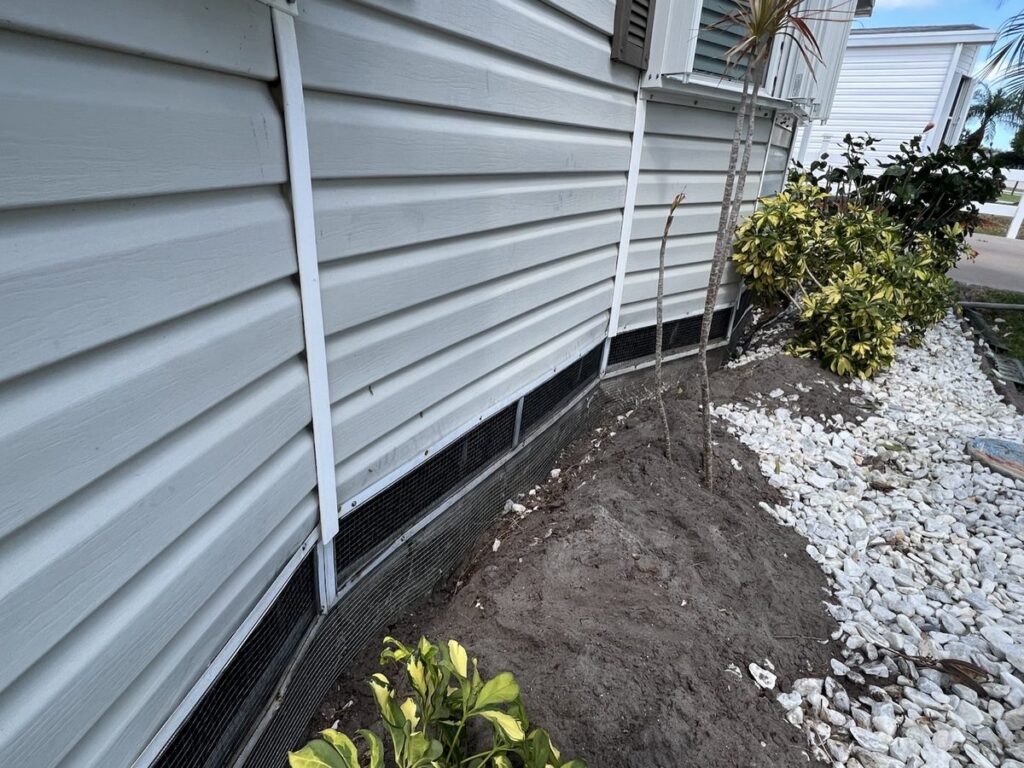
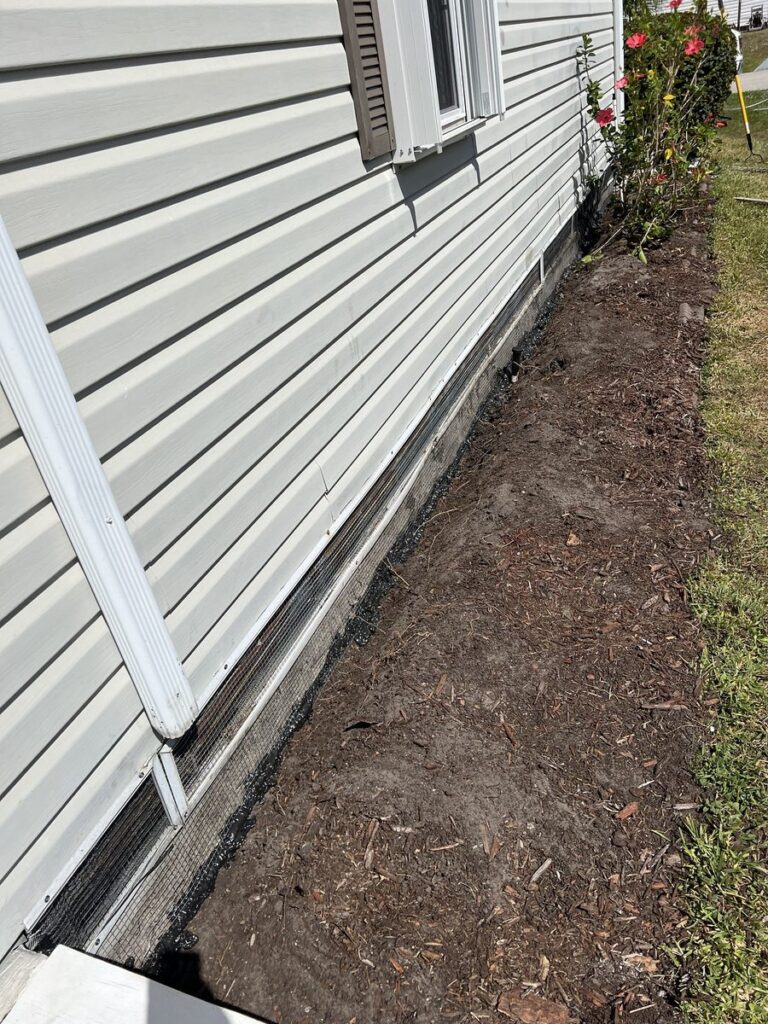
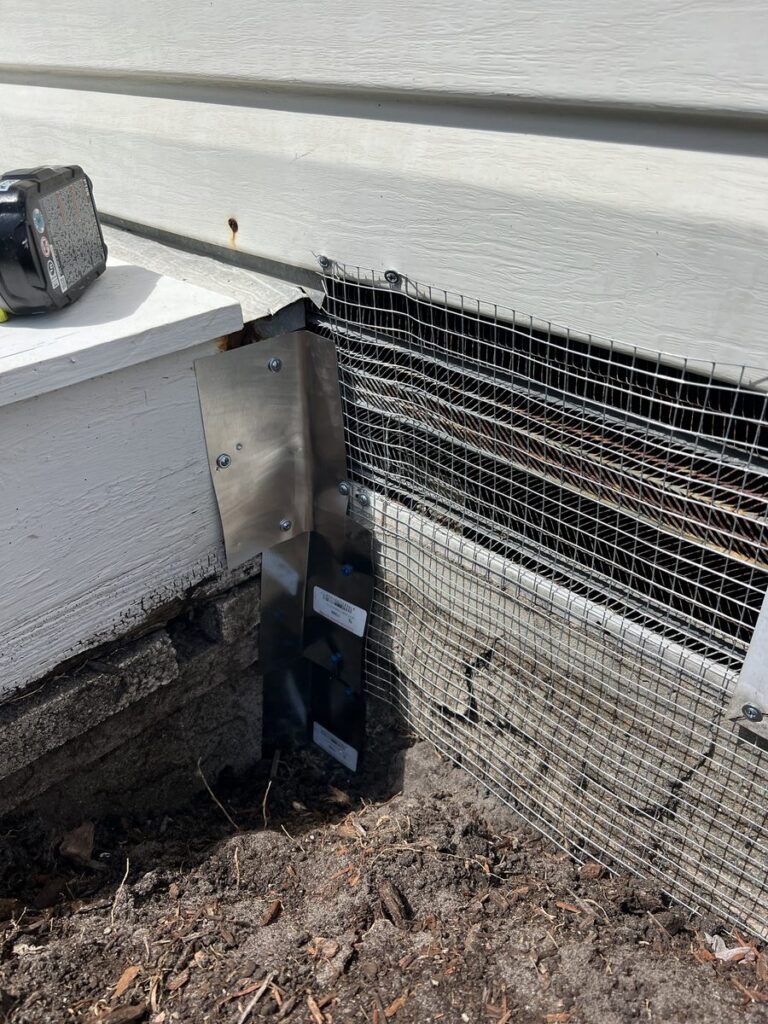
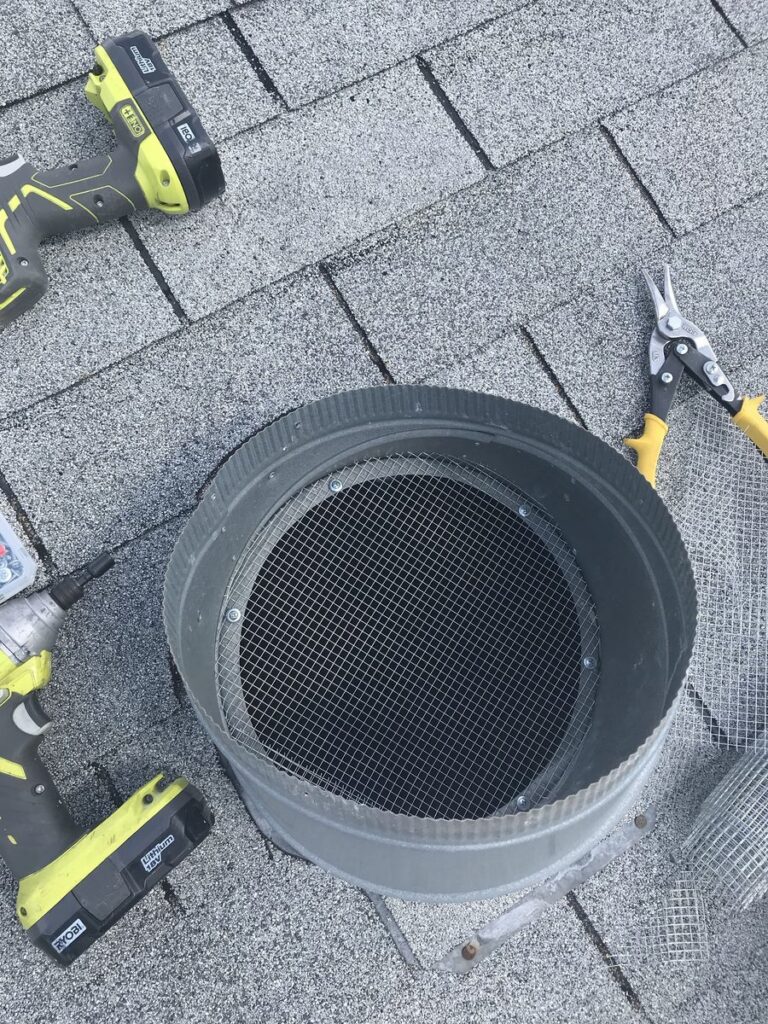
Rodents get into buildings through gaps along the foundation, under skirting, at roof vents, and at other small openings. On this kind of work, ProControl fits hardware cloth and metal flashing at those points and backfills soil along the base. An inspection can identify which openings need to be closed.
On the roof
A Closer Look at Rooftop Exclusion
Joe from ProControl walks through a rooftop exclusion inspection around an A/C chase.
Roof Rats travel the roofline, so chases, vents, eaves and roof-to-wall gaps are part of a full rodent inspection.

Who does the work
Experience Behind Our Rodent Work
- ProControl has been locally owned since 2006. Our team includes two full-time state-certified operators.
- Over 47 Years of Combined Experience.
- We are available 24/7 at 772-579-0230.
We are often brought in to correct unsuccessful prior exclusion work. We use that experience to find and seal rodent entry points.
Know the rodent
Roof Rats, Norway Rats and House Mice
The species shapes where we look and what we seal. Roof Rats tend to come in high, Norway Rats tend to come in low, and House Mice can use openings small enough to miss.
Roof Rats
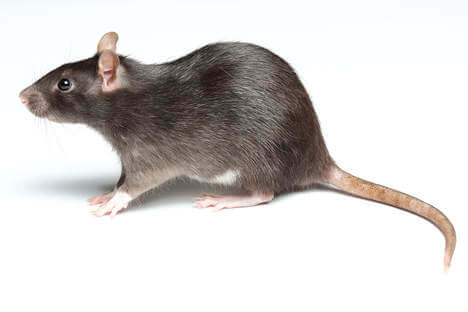
Also known as the Black Rat or Ship Rat (Rattus rattus). Roof Rats are climbers. They travel the roofline and use attic and eave openings to get inside.
Identification
A slender, agile rat, usually dark gray to black or brown, with a pointed nose, large ears and a tail longer than its head and body.
Where they nest
Above ground: attics, upper wall voids, dense vegetation, palm trees and vines. They move along tree limbs, fences and utility lines.
How they get in
Roof-to-wall gaps, eaves and soffits, roof vents, A/C chases and openings around lines that enter near the roof.
Signs of activity
- Scratching or running in the attic at night
- Spindle-shaped droppings with pointed ends
- Greasy rub marks along beams and entry holes
- Gnawed wiring, insulation or stored items
Why exclusion matters: while a roofline opening stays open, other rats can find the same route. Sealing the openings we find is what keeps trapping from becoming a repeat job.
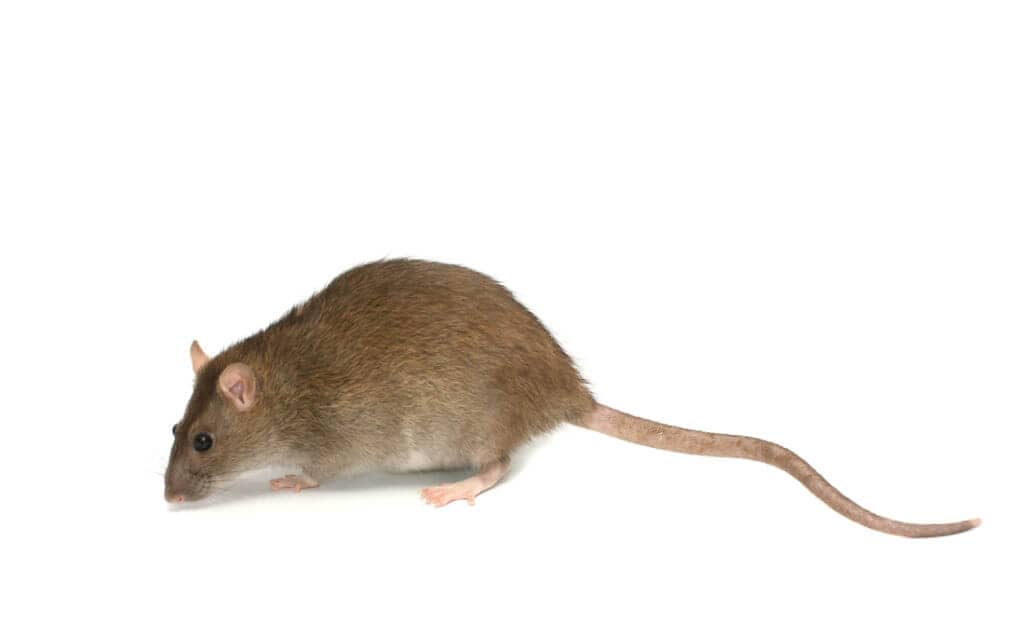
Norway Rats (Brown Rats)
Also known as the Street Rat, Sewer Rat, Norway or Norwegian Rat (Rattus norvegicus). Brown Rats stay low. They travel along the ground and burrow around foundations and other low openings.
Identification
A larger, heavier rat with a stocky body, brown-gray fur and a lighter belly, a blunt nose, small ears and a tail shorter than its head and body.
Where they nest
At ground level: burrows in soil along foundations and slabs, under debris and woodpiles, and in crawl spaces, garages and lower floors.
How they get in
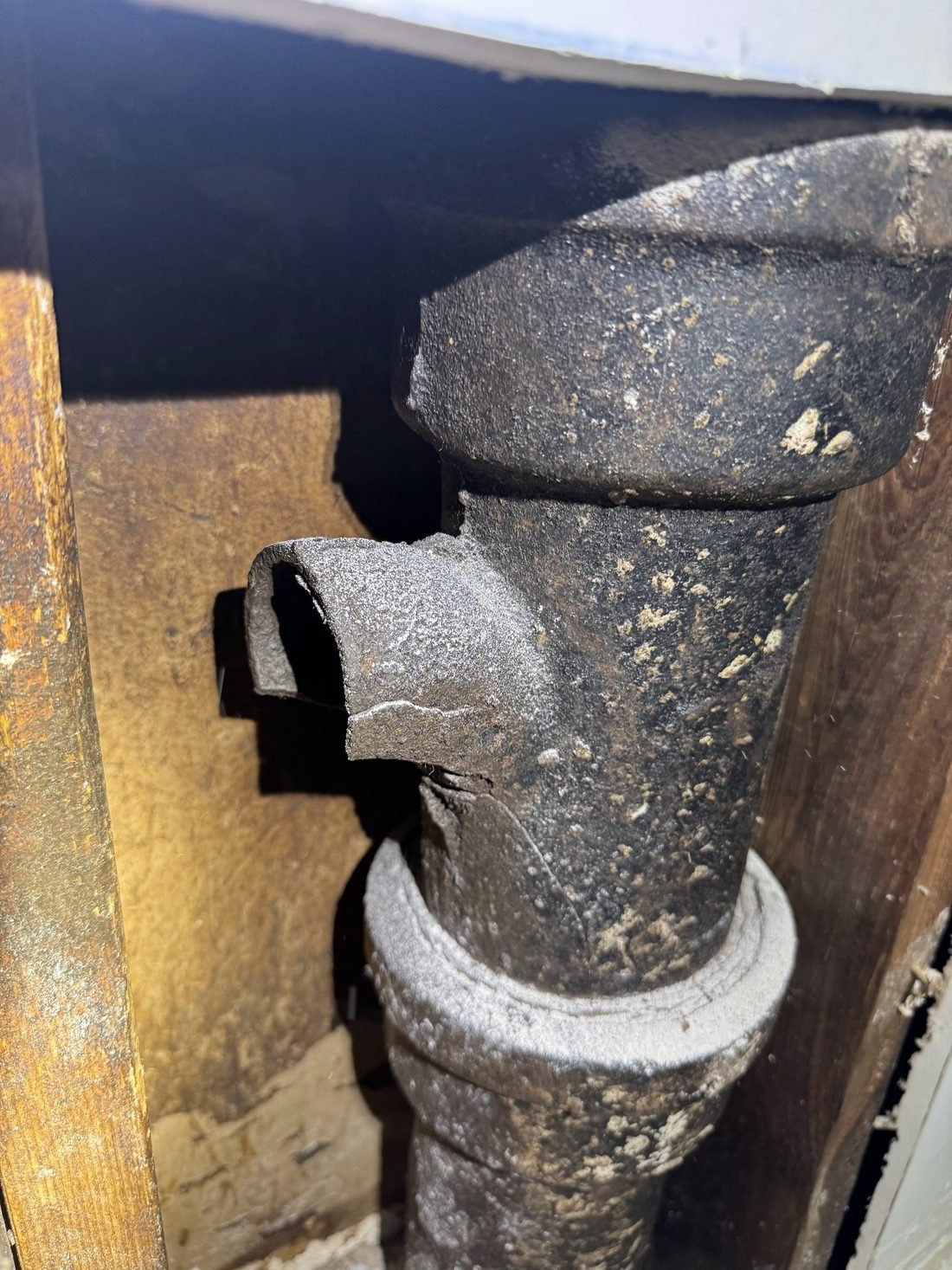
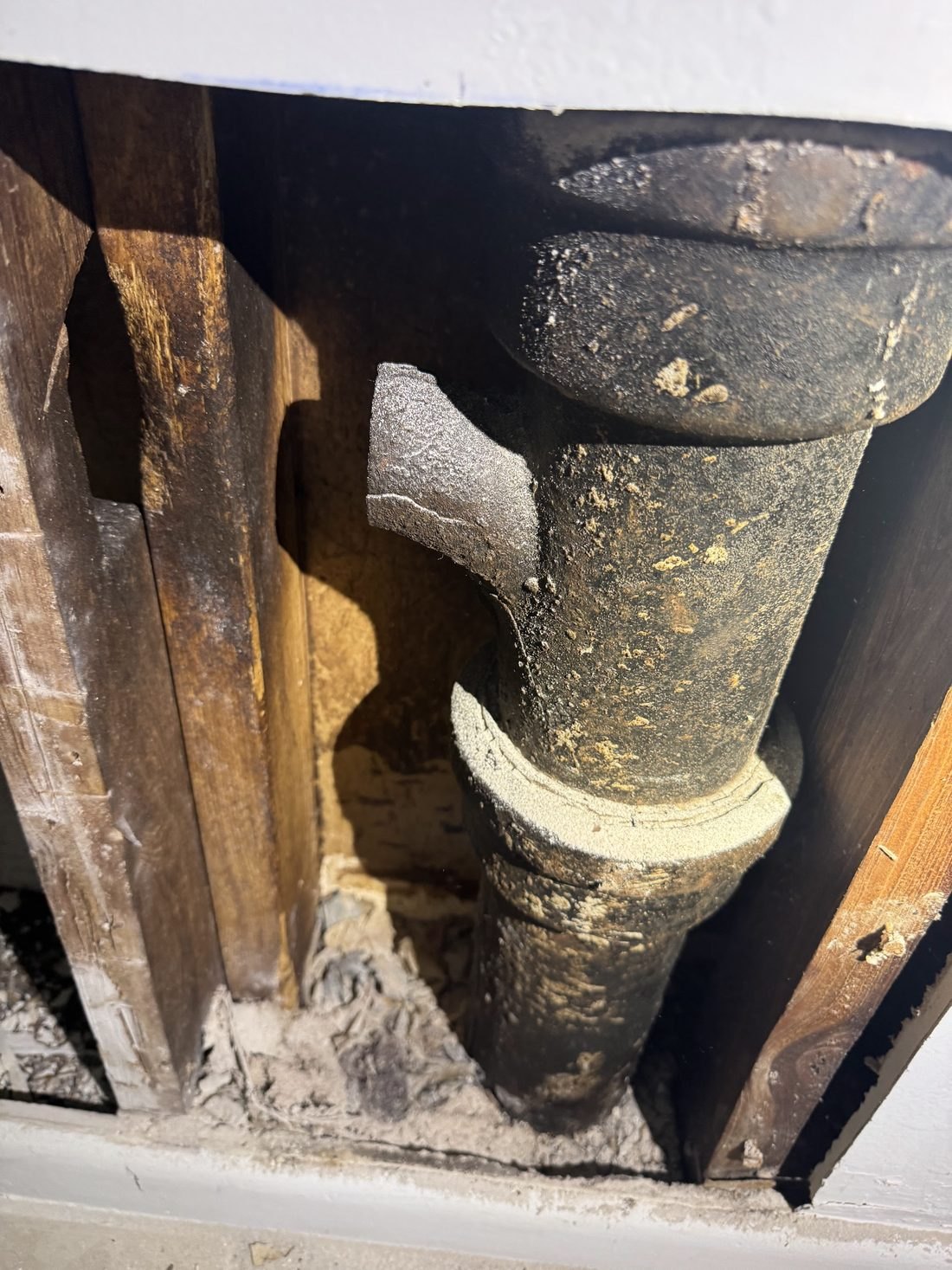
Gaps along the foundation, under doors and skirting, around plumbing and utility penetrations, and through damaged pipes and drain lines.
Signs of activity
- Burrow openings near foundations or slabs
- Worn runways along walls and in landscaping
- Larger, capsule-shaped droppings with blunt ends
- Gnawing at doors, skirting and stored items
Why exclusion matters: burrows and low openings tend to be reused. Hardware cloth, flashing and backfilled soil along the base close the routes we find at ground level.
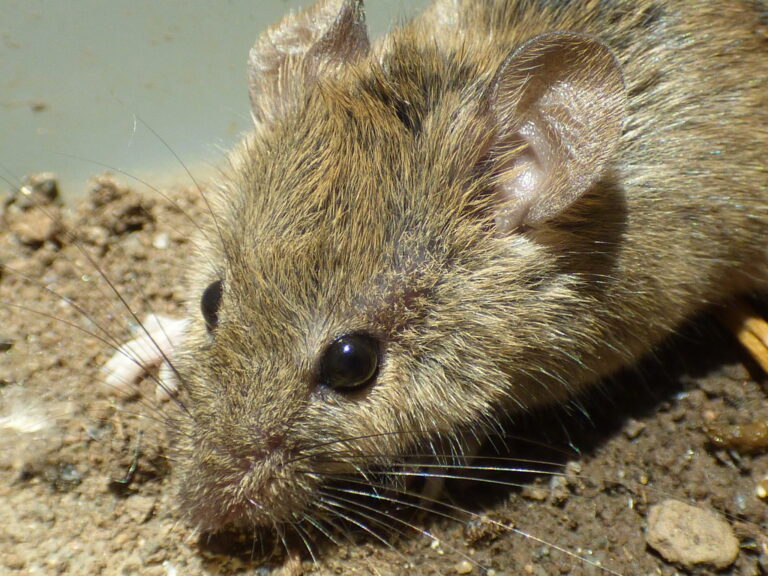
House Mice
Mice can fit through small openings, travel along walls, and nest near food and shelter.
Identification
Much smaller than a rat, with large ears, small eyes and a thin tail about as long as its body.
Signs of activity
Small, rod-shaped droppings in cabinets, drawers and along walls; shredded paper or fabric used for nesting.
What to look for
Signs of Rodent Activity
- Sounds at night: scratching, running or gnawing in the attic, walls or ceiling.
- Droppings: in the attic, garage, cabinets or along walls. Their size and shape help tell rats from mice.
- Gnaw marks and damage: on wiring, wood, pipes, insulation, stored boxes or fruit.
- Rub marks and runways: dark smudges along beams and openings, or worn paths in landscaping.
- Openings: holes at the roofline, vents, skirting or foundation, and burrows along the base.
If you notice any of these, an inspection can confirm the species and find the entry points. Call: 772-579-0230
Extra Services
Extra Services Beyond Removal: Help Protect and Restore Your Home
After rodent activity, some homes also need related protection, cleanup, or attic work. These services are available when they fit the property. They are not part of every rodent job.
Gutter Guards
Gutter guards help keep leaves and debris out of gutters and can reduce one pathway pests use around the roofline. They do not, by themselves, stop rodents from entering a home.
Learn about Gutter Guards →Sanitation Cleanup
Rodents can leave droppings and urine where they nest. Our sanitation service addresses cleanup after pest activity in homes and businesses, based on the condition of the property.
Learn about Sanitation Cleanup →Insulation Services
When attic insulation has been damaged by rodents or is no longer doing its job, a professional evaluation determines what fits the property. Confirmed options include insulation removal, cap-over, and full replacement, including BF 360 blown-in pest control insulation where appropriate.
Learn about BF 360 Insulation →Smoke Testing
When Rodent entry points are difficult to locate, targeted Smoke Testing may help identify hidden openings that could allow Rodents into your property. Smoke Testing is available as an additional diagnostic service when appropriate.
Common Questions About Our Rodent Work
What is the difference between trapping and exclusion?
Trapping removes rodents that are already inside. Exclusion means finding and sealing the gaps they use to get in. Our work uses both, because trapping alone will not fix a problem if the way in is still open.
Do you use Smoke Testing on every job?
No. Smoke Testing is not used on every job.
What happens on follow-up visits?
We come back to check the exclusion, review trap and bait activity, and adjust the plan as needed. Ongoing rodent control plans are available.
Do you clean up after rodents?
When a property needs it, our sanitation service addresses cleanup after pest activity. It is a separate service, and not every rodent job includes it. Learn more about our sanitation service.
What warranty comes with rodent exclusion?
Most rodent exclusion work includes a one-year warranty. Annual renewal available.
Start With a Rodent Inspection
We find how rodents are getting in, seal the openings we find, and come back to check the work. 24/7 emergency service.