Hiring the wrong termite company can cost you more than the infestation itself. Here's what to watch for before you sign anything.
Share:

Summary:
Most homeowners don’t think about termites until something forces them to. Maybe you spotted swarmers near a window. Maybe a neighbor mentioned it. Maybe you’re buying or selling a home and suddenly a WDO inspection is on the table. Whatever brought you here, you’re now in the position of having to find a termite company — and that’s where things can go sideways fast.
The pest control industry has its share of bad actors. High-pressure sales tactics, vague contracts, and inspectors who manufacture problems are real. Knowing what to look for — and what to walk away from — can save you from a costly mistake before it happens.
Before anything else, a termite exterminator needs to be properly licensed by the Florida Department of Agriculture and Consumer Services. In Florida, that’s not a suggestion — it’s the law under Chapter 482 of the Florida Statutes. Every company performing termite work must hold an active Pest Control Business License, and any technician entering your home needs to carry a valid FDACS-issued ID card.
For termite-specific work, the company’s Certified Operator must hold certification in Termite and Other Wood Destroying Organisms. WDO inspections — the official termite inspections required in Florida real estate transactions — can only be performed by someone with that specific credential. If a company can’t tell you their license number, or gets evasive when you ask, that’s your first red flag.
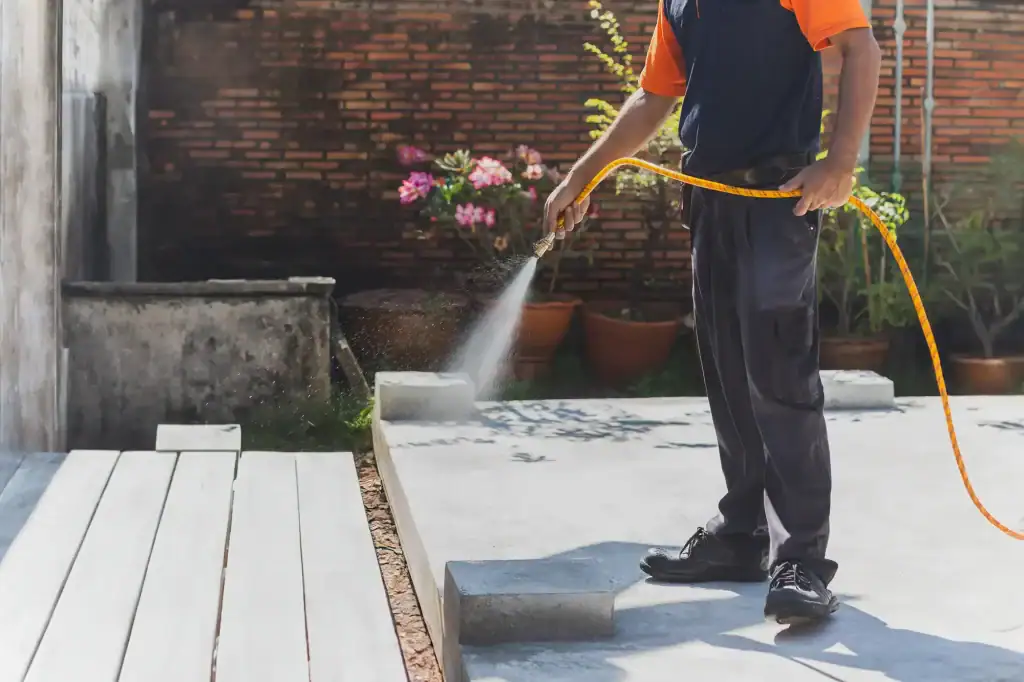
A real termite inspection takes time. A good inspector walks the entire structure — interior rooms, exterior foundation lines, attic spaces, slab edges, areas around plumbing penetrations, and anywhere wood meets soil or moisture. In St. Lucie County, that elevated soil moisture during our rainy season from June through September creates ideal conditions for subterranean termites to expand their colonies rapidly. An inspector who skips the exterior or rushes through the attic isn’t doing you any favors.
You should also expect photographic documentation of any activity found, especially in areas you can’t easily access yourself. If an inspector tells you there’s a problem but can’t show you where or what they found, slow down. We give our customers the information they need to make a decision — we don’t just hand you a quote and wait for you to sign.
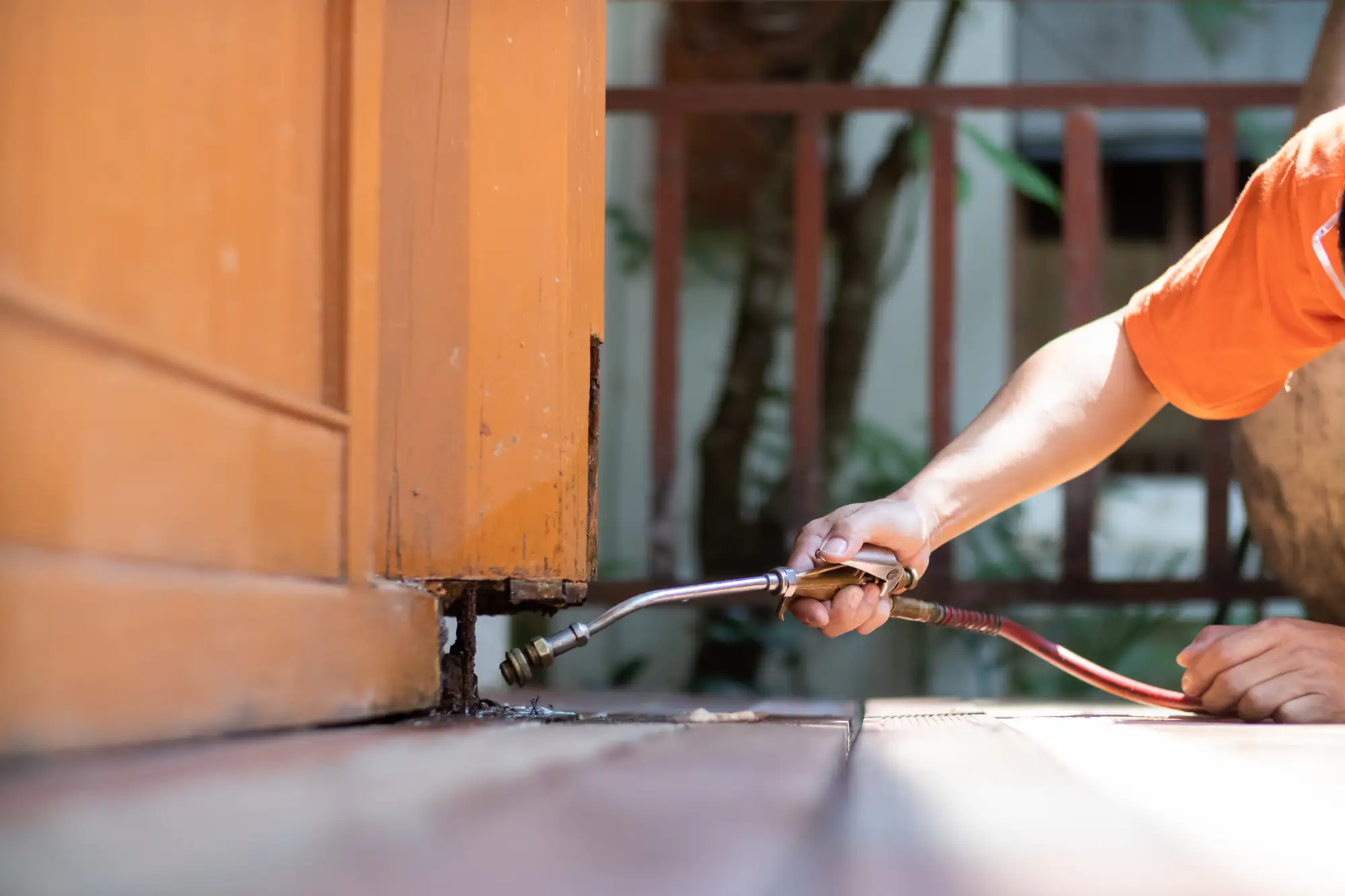
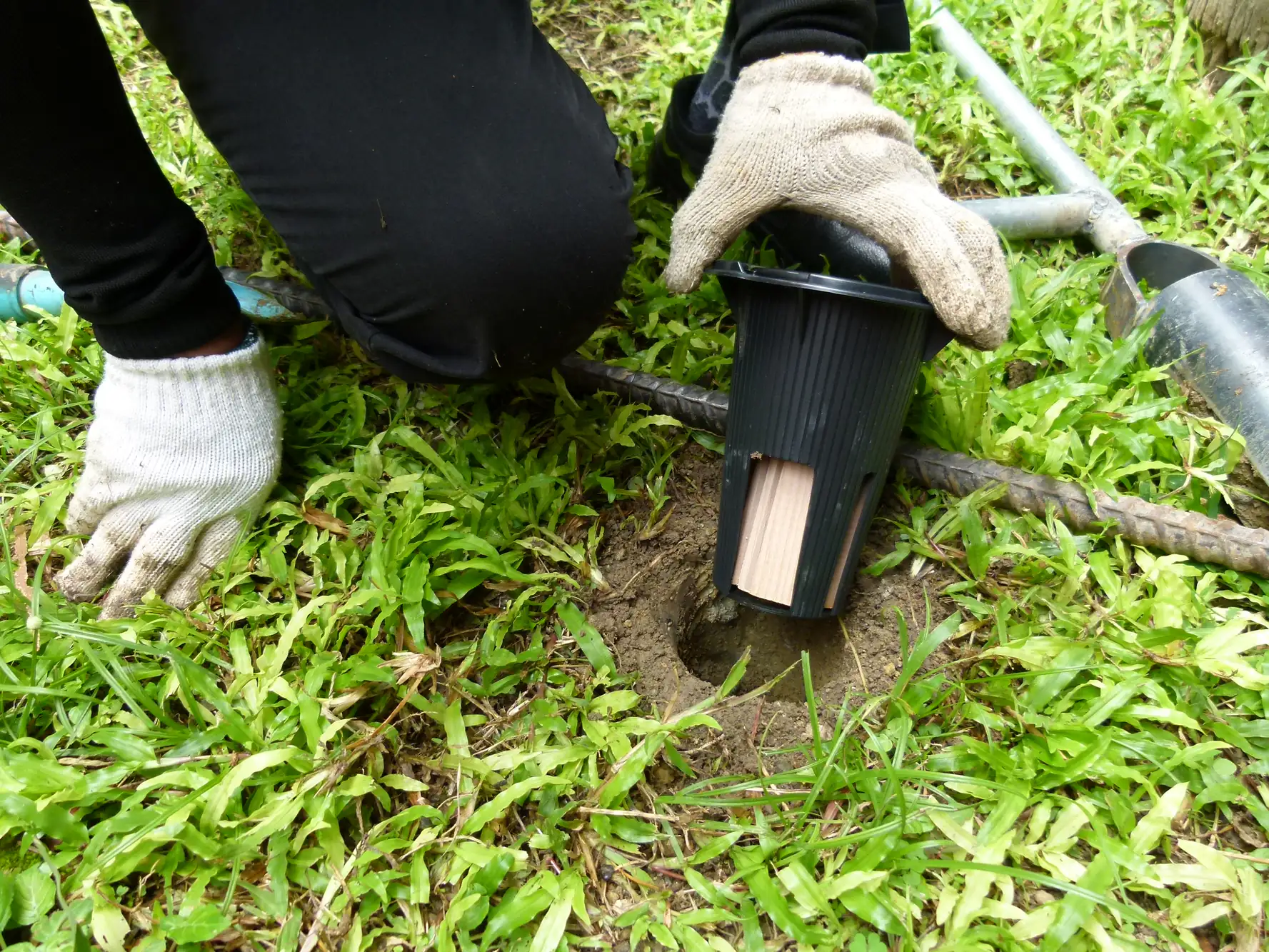
After the inspection, a legitimate termite exterminator will explain what type of termites are present, where the activity is concentrated, and why we’re recommending a specific treatment method. That last part is important. Subterranean termites live in the soil and require a liquid barrier or bait station approach. Drywood termites infest attic timbers and wood trim without any soil contact and may need spot treatment or, in widespread cases, tent fumigation. These are not interchangeable treatments. A company that recommends full fumigation for every infestation regardless of species or scope is either cutting corners on the diagnosis or steering you toward the highest-ticket option. Neither is acceptable.
In St. Lucie County, both subterranean and drywood termites are active year-round. We’ve been working in this market since 2006, and we see both species regularly — sometimes in the same structure. That dual-species reality is something a national chain running a standardized protocol may not account for. Local experience matters here in a way that’s hard to overstate.
If someone knocks on your door offering a free termite inspection out of the blue, be skeptical. Door-to-door pest control solicitation is a well-documented scam vector in Florida. The typical pattern involves an inspector who “finds” a serious infestation, creates urgency around same-day treatment, and pressures you into signing before you’ve had a chance to verify anything. Legitimate companies don’t need to cold-knock neighborhoods to find work.
The same caution applies to quotes that seem unusually low compared to everyone else. Termite treatment is not a commodity. The cost of a proper liquid barrier treatment or a Sentricon bait station installation reflects the labor, materials, and follow-up required to actually eliminate a colony. A bid that’s significantly below the others isn’t a deal — it usually means something is being left out, whether that’s the scope of treatment, the warranty, or the quality of the product being used.
On that note: the EPA specifically warns consumers against companies that quote termite treatment by the gallon of termiticide applied. That pricing model is a red flag. It creates an incentive to apply more product rather than the right amount, and it tells you the company is focused on volume rather than results. We quote based on the treatment method, the size of the structure, and the severity of the infestation — not by the jug.
Warranty terms are another area where low-cost providers cut corners. Under Florida law, a written termite treatment contract must include at minimum a one-year warranty for retreatment, with the option to renew for up to four additional years. If a company offers no written warranty, offers only vague verbal assurances, or provides a contract you can’t read before signing, walk away. The contract is your protection. If it doesn’t clearly state what’s covered, what triggers a retreatment, and what the renewal terms are, it’s not worth the paper it’s on.
There’s a real difference between hiring a national franchise with a local office and hiring a company that has been working in your specific community for nearly two decades. It’s not just about size — it’s about accountability, species knowledge, and what happens when something goes wrong.
National companies bring brand recognition. What they often can’t bring is a technician who has spent years learning the specific termite pressures in Tradition, Sandpiper Bay, or the older neighborhoods along the St. Lucie River. Technician turnover at large chains is high, and standardized national protocols don’t always account for the fact that St. Lucie County homeowners are dealing with more than ten identified termite species — with swarm seasons that span virtually every month of the year.
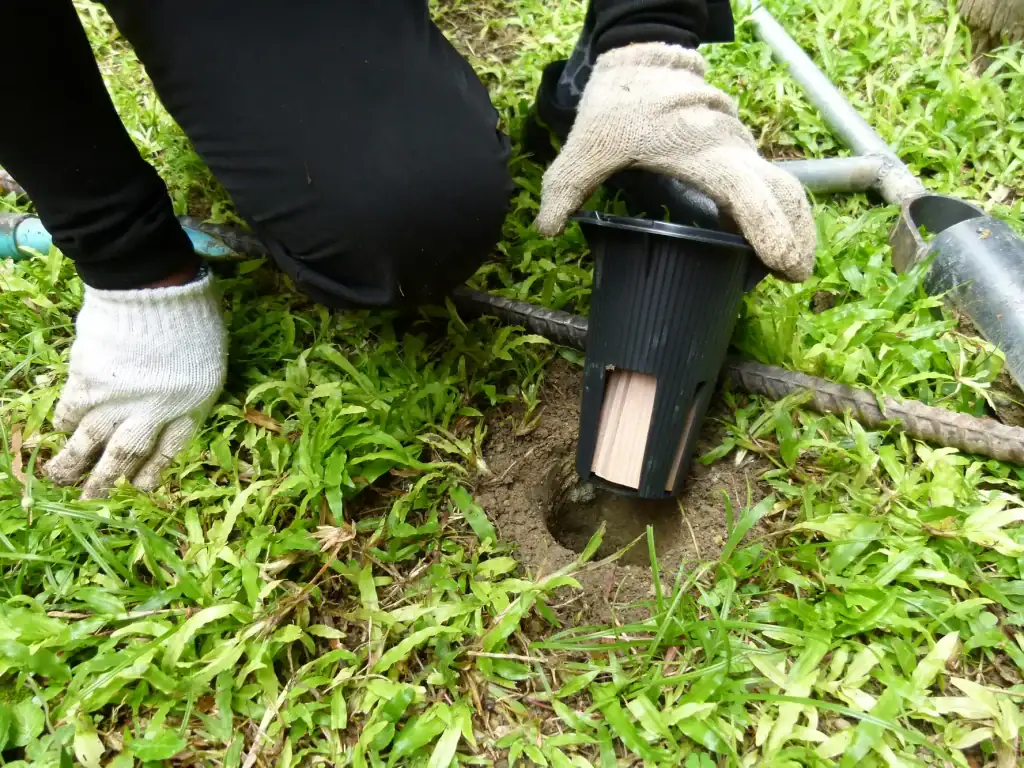
A pest control company that handles everything — ants, mosquitoes, lawn treatments, wildlife, and termites — isn’t necessarily bad. But when your concern is specifically termites, there’s a meaningful difference between a generalist and a specialist. A company that has built its entire reputation around termite and rodent control has concentrated its training, its protocols, and its diagnostic experience on the pest types that cause the most structural damage. That focus shows up in the quality of the inspection, the accuracy of the diagnosis, and the effectiveness of the treatment.
We hear from homeowners regularly who had termite work done by another company — sometimes more than once — and still had an active infestation. That’s not an accident. It usually points to a misdiagnosis, an inadequate treatment, or a company that treated the visible symptoms without addressing the colony. Termite colonies don’t disappear because a technician applied product near the entry point. They need to be eliminated at the source, which requires knowing exactly what species you’re dealing with and where the colony is actually located.
In the Treasure Coast market, that kind of diagnostic work requires familiarity with the local species mix. Eastern subterranean termites in Florida actually swarm between October and February — the opposite of what most national content describes as “termite season.” If a company is working from a one-size-fits-all playbook, they may miss activity that a locally experienced inspector would catch immediately.
We’ve been operating in Port St. Lucie since 2006, which means we’ve seen what South Florida termites do to different types of construction over time — newer builds in St. Lucie West, older wood-frame homes in Fort Pierce, concrete block structures in Sandpiper Bay. That depth of local experience isn’t something you can replicate with a franchise manual.
Before you let anyone start treatment on your home, a few direct questions will tell you almost everything you need to know about whether a company is worth trusting.
Ask for their Florida DACS license number and verify it. The FDACS website allows consumers to look up any licensed pest control business in the state. A company that provides their license number without hesitation and encourages you to check it is a company that has nothing to hide. One that deflects or gives you a vague answer about being “fully licensed” without specifics is not.
Ask what species of termite they found and why they’re recommending a specific treatment method. A qualified termite exterminator should be able to tell you exactly what they found, where they found it, and why the proposed approach addresses that specific infestation. If the answer is generic — “we recommend this for all termite problems” — push back.
Ask what the warranty covers and what triggers a retreatment. There’s a meaningful difference between a warranty that covers retreatment only and one that covers retreatment plus damage repair. Understand which one you’re getting, how long it lasts, and what the renewal terms are before you sign.
Ask whether the company carries liability insurance. If a treatment damages your property — flooring, landscaping, interior finishes — you want to know that the company is insured to cover it. An uninsured contractor leaves that risk entirely on you.
Finally, ask whether eco-friendly treatment options are available. For families with children and pets, this matters. In St. Lucie County, where we spend a lot of time outdoors and in and around our homes year-round, the type of products being used inside and around your structure is a legitimate concern — not just a preference. We offer environmentally responsible methods without compromising effectiveness.
The short version: verify the license, get everything in writing, and trust your instincts when something feels rushed or unclear. A company worth hiring will give you time to ask questions, provide a written quote before any work begins, and back their work with a warranty that means something.
St. Lucie County’s termite environment is genuinely complex — dual species threats, year-round swarm activity, and climate conditions that keep colonies active when they’d be dormant almost anywhere else in the country. That’s not a reason to panic. It is a reason to be selective about who you hire.
If you’re looking for a locally owned termite company that has been working in this community since 2006, offers free estimates, and stands behind every service with a satisfaction guarantee, we’re available around the clock. We’ll give you a straight answer about what you’re actually dealing with.
Article details:
Share:
Continue learning: