Dealing with rodents in your Florida home? This guide covers safe removal methods, prevention strategies, and what actually works in our subtropical climate.
Share:
Summary:
Three main rodents cause problems for Florida homeowners: Norway rats, roof rats, and house mice. Each behaves differently, nests in different areas, and requires a slightly different approach to control.
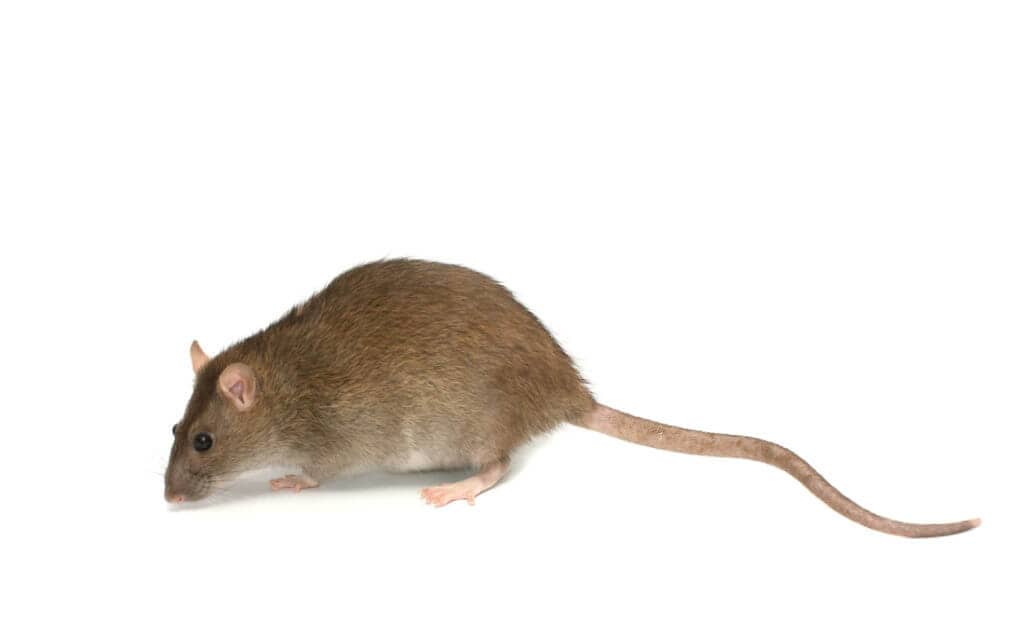
Norway rats are the stocky, ground-dwelling type. They burrow under foundations, around sheds, and along property edges. Roof rats are the climbers—sleek, agile, and drawn to attics, trees, and upper levels of homes. House mice are the smallest but often the most persistent, squeezing through openings as small as a dime and nesting inside walls, cabinets, and storage areas.
Knowing which rodent you’re dealing with helps determine where to look, what signs to watch for, and how to approach removal.

Rodents are nocturnal, so you’re more likely to hear them than see them. Scratching or scurrying sounds at night, especially in the attic or walls, are often the first clue. If you’re hearing activity above your ceiling or behind the drywall, there’s a good chance rodents have already moved in.
Droppings are another telltale sign. Rat droppings are dark, capsule-shaped, and about half an inch long. Mouse droppings are smaller—closer to the size of a grain of rice. You’ll typically find them near food sources, along baseboards, in pantries, or inside cabinets. Fresh droppings are black and shiny. Old ones turn gray and crumble when touched.
Look for gnaw marks on food packaging, wires, wood, or plastic. Rodents need to chew constantly to keep their teeth trimmed, so they’ll gnaw on almost anything. Chewed electrical wires are particularly dangerous—they create fire hazards that can go unnoticed until it’s too late. You might find teeth marks on furniture edges, door frames, or even drywall.
Greasy rub marks along walls and baseboards show where rodents travel repeatedly. Their fur leaves dark smudges on surfaces they brush against. You might also notice shredded paper, fabric, or insulation—materials rodents use to build nests. Check storage boxes, especially those containing linens or clothing.
If you spot any of these signs, don’t wait. Rodents reproduce incredibly fast. Rats can have seven or eight litters per year, with each litter producing seven or more offspring. Mice breed even faster—up to ten litters annually. What starts as a minor issue can spiral into a full-blown infestation in weeks.
The smell is another indicator people often overlook. A strong, musty odor in enclosed spaces like closets, cabinets, or attics often signals rodent activity. The smell comes from urine, droppings, and the rodents themselves.
Rodents aren’t just a nuisance—they’re a legitimate health hazard. They carry diseases that spread through their droppings, urine, and saliva. Hantavirus, leptospirosis, salmonella, and rat-bite fever are all transmitted by rodents and can cause serious illness. In some cases, these diseases can be fatal.
You don’t have to touch a rodent to get sick. Simply breathing in dust contaminated with dried rodent urine or feces can expose you to harmful pathogens. That’s why attics and crawl spaces with rodent infestations are so dangerous—the airborne particles can circulate through your home’s ventilation system.
Rodents also trigger allergies and asthma, especially in children. Their dander, droppings, and urine contain allergens that worsen respiratory conditions. If someone in your household has unexplained breathing issues or allergic reactions, rodents could be the cause.
The property damage is just as concerning. Rodents chew through electrical wiring, creating fire hazards that put your entire home at risk. They gnaw on wood, insulation, and drywall, weakening your home’s structure over time. Norway rats have even been known to chew through water lines, causing leaks and flooding.
And then there’s the contamination. Rodents urinate and defecate constantly as they move through your home. They contaminate food, cooking surfaces, and stored items. Once they’ve been in your pantry or kitchen, everything they’ve touched needs to be cleaned or thrown out.
The financial impact adds up fast. Repairing chewed wires, replacing insulation, fixing water damage, and sanitizing contaminated areas can cost thousands of dollars. That’s on top of the health risks and stress of living with an infestation.
Getting rid of rodents requires more than just setting a few traps. Effective rodent control combines removal, exclusion, and prevention. You need to eliminate the rodents already inside, seal off entry points so more can’t get in, and remove the conditions that attracted them in the first place.
Trapping is the safest and most effective removal method. Snap traps work well for both rats and mice when placed strategically along walls, in corners, and near signs of activity. Rodents travel along edges rather than open spaces, so trap placement matters more than most people realize.
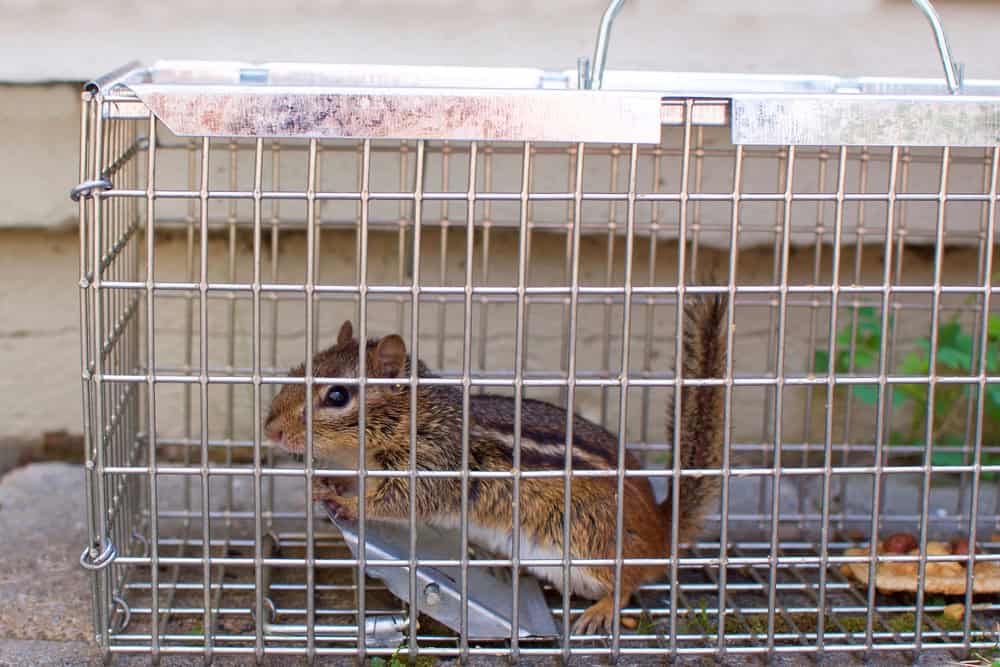
Live traps are a humane option if you prefer not to kill the rodents, but you’ll need to release them at least a mile from your property. Otherwise, they’ll just come back. Glue traps are controversial—they cause prolonged suffering and aren’t recommended by most pest control professionals.
Exclusion is the most important step in long-term rodent control. It means sealing every possible entry point so rodents can’t get back inside. Rats can squeeze through openings as small as half an inch. Mice only need a quarter-inch gap. If you can fit a pencil through a hole, a mouse can get through it.
Start by inspecting the exterior of your home. Look for gaps around doors, windows, vents, and utility pipes. Check the foundation for cracks. Examine the roofline, soffits, and fascia boards for openings. Don’t forget the garage, shed, and any outbuildings—rodents often nest in these areas first before moving into the main house. Roof rats are particularly good at using tree branches as bridges to access your roof, so pay special attention to areas where vegetation touches your home.
Seal small gaps with steel wool or copper mesh. Rodents can’t chew through metal. For larger openings, use hardware cloth, metal flashing, or concrete. Avoid using foam, caulk, or wood alone—rodents will chew right through those materials. The seal needs to be permanent and rodent-proof.
Install door sweeps on exterior doors. Make sure windows close tightly and screens are intact with no tears or gaps. Cover vents and chimney openings with mesh screens that allow airflow but keep rodents out. Trim tree branches and vegetation away from your roofline—roof rats use overhanging branches as highways into your attic. Keep branches at least three feet from your home.
Inside your home, eliminate food sources. Store pantry items in airtight containers made of glass or thick plastic. Clean up crumbs and spills immediately. Don’t leave pet food out overnight. Keep garbage in sealed bins and take it out regularly. Even small amounts of accessible food can sustain a rodent population.
Remove clutter that provides hiding spots and nesting material. Cardboard boxes, piles of paper, and stored fabric are all attractive to rodents. Keep storage areas organized and off the floor. The less clutter you have, the fewer places rodents can hide. This is especially important in garages, attics, and basements where clutter tends to accumulate.
Fix leaks and eliminate standing water. Rodents need water to survive, so a dripping pipe or leaky faucet can attract them. Make sure your property drains properly and doesn’t have puddles or water accumulation near the foundation.
DIY methods work for minor issues, but most rodent problems in Florida require professional help. If you’re hearing activity in multiple areas, finding droppings regularly, or dealing with an infestation that keeps coming back, it’s time to call in experts.
Professional rodent control starts with a thorough inspection. Trained technicians know where to look and what signs to watch for. We can identify the species you’re dealing with, locate entry points you might have missed, and assess the extent of the infestation. This matters because Norway rats, roof rats, and house mice all require slightly different control strategies.
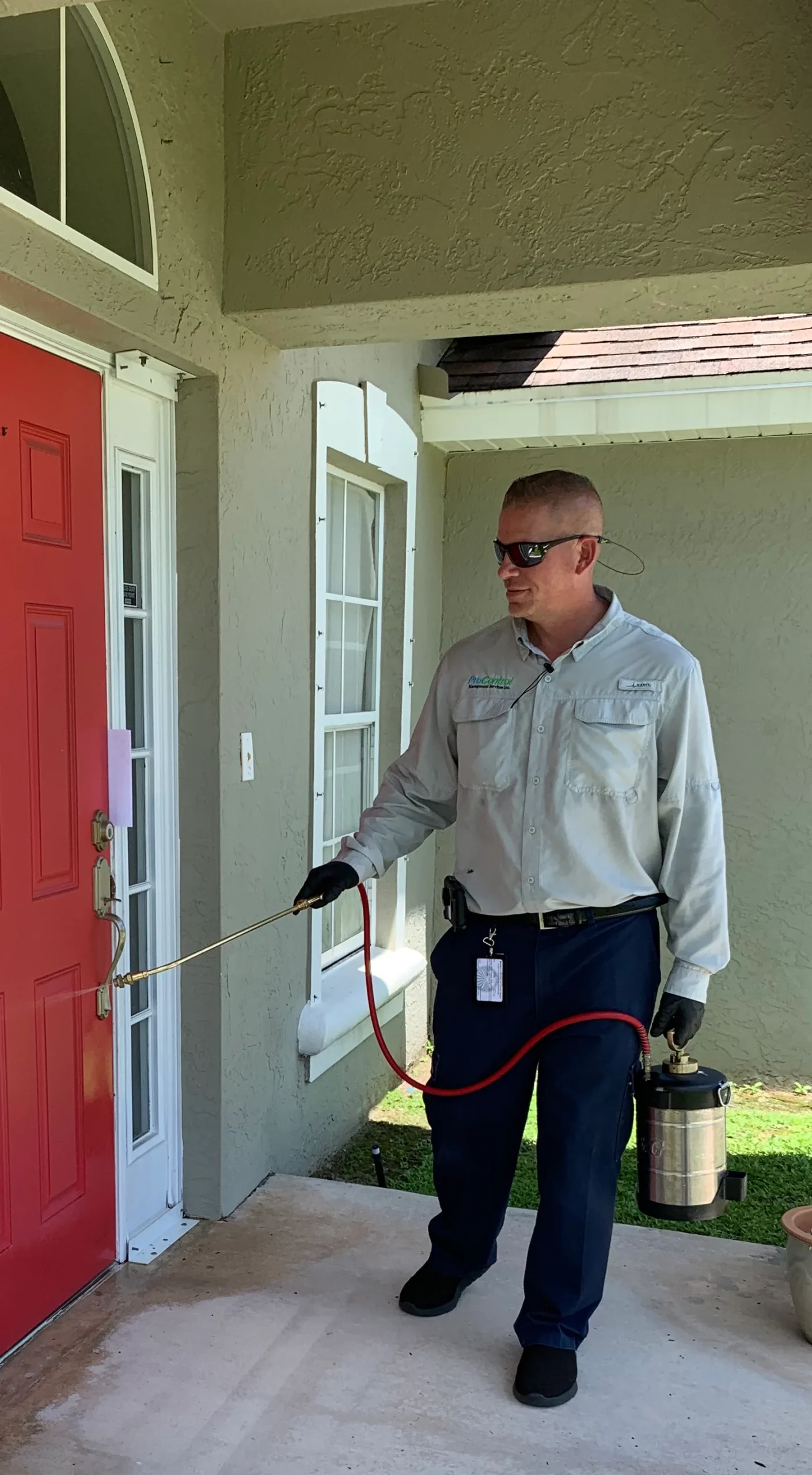
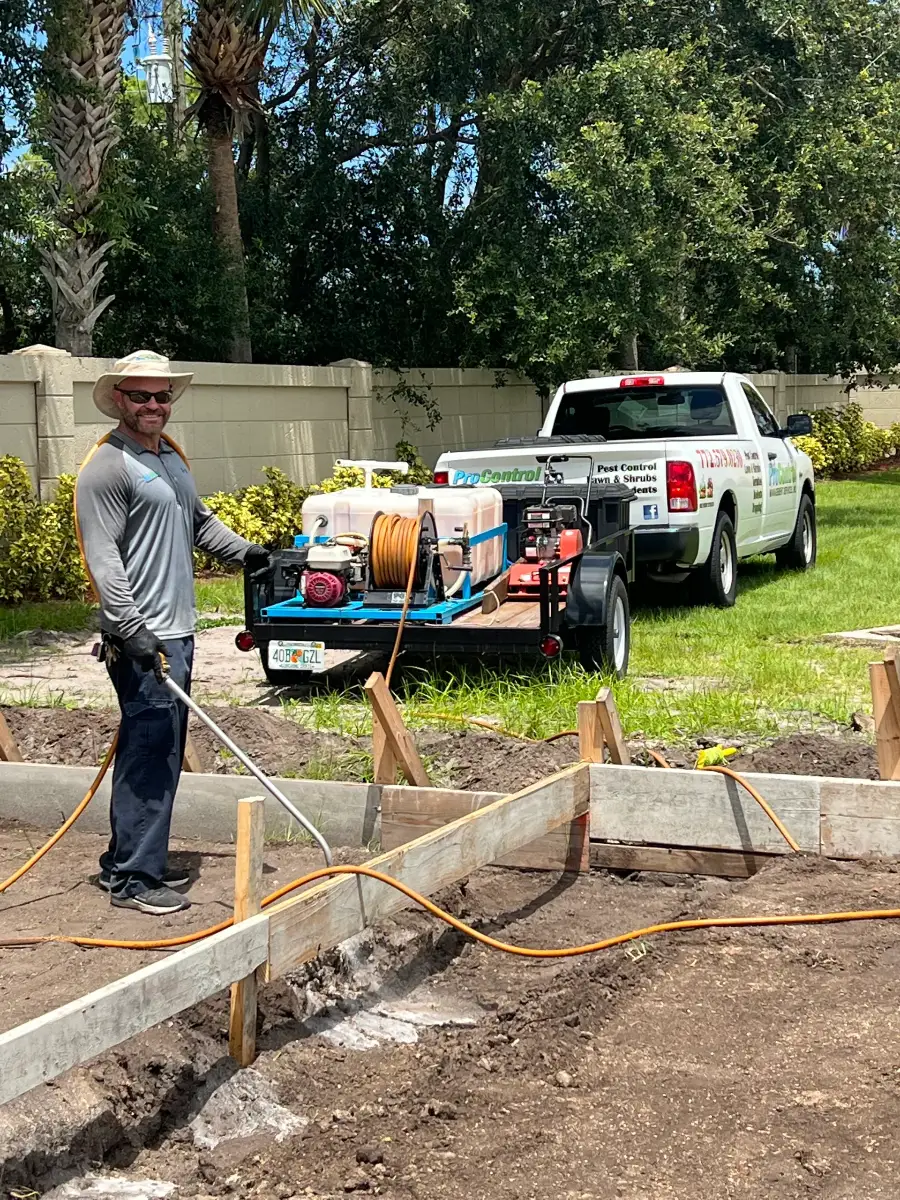
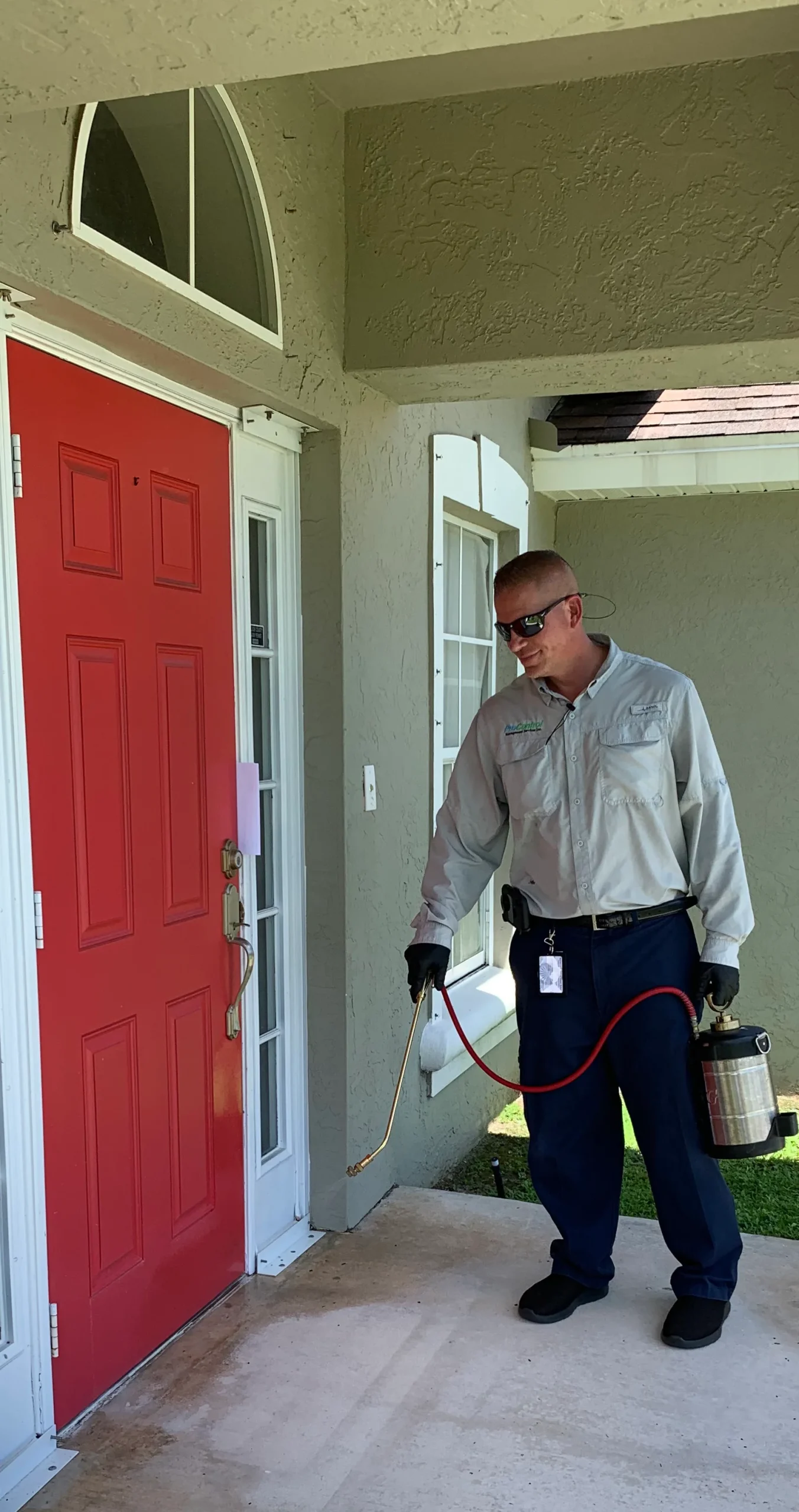
The removal process uses a combination of trapping, baiting, and monitoring. Professionals know how to place traps strategically for maximum effectiveness. We use professional-grade equipment and techniques that get results faster than DIY approaches. More importantly, we know how to handle the process safely without exposing your family or pets to unnecessary risks.
Exclusion work is where professionals really make a difference. We’ll seal entry points properly using materials rodents can’t chew through. We’ll identify vulnerabilities you wouldn’t notice—gaps around utility lines, cracks in the foundation, openings in the roofline. A comprehensive exclusion job can prevent future infestations for years.
Sanitization is another critical step that most homeowners skip. Professional services include cleaning and disinfecting areas contaminated by rodent droppings and urine. We’ll remove soiled insulation if necessary and treat surfaces to eliminate pathogens and odors. This protects your family’s health and prevents the spread of disease.
Look for a rodent control company that’s licensed and insured. In Florida, pest control operators need proper credentials and training. Ask about their methods—eco-friendly, pet-safe solutions are available and just as effective as traditional approaches. These methods protect your family and the environment while still eliminating the rodent problem.
Free estimates are standard in the industry. A reputable company will inspect your property, explain what needs to be done, and provide transparent pricing before starting any work. Be wary of companies that quote prices over the phone without seeing your property first. Every infestation is different and requires a customized approach.
Check for guarantees. Good rodent control companies stand behind their work. If rodents return within the guarantee period, they should come back and re-treat at no additional cost. That shows confidence in their methods and commitment to customer satisfaction.
Rodent control in Florida isn’t a one-and-done situation. Our year-round warm climate means these pests stay active no matter the season. The key is combining immediate removal with long-term prevention—getting rid of the rodents you have now and making sure they can’t come back.
Start by identifying the signs early. The sooner you catch an infestation, the easier and less expensive it is to fix. Don’t ignore scratching sounds or droppings. Those small signs turn into big problems fast. Whether you’re dealing with roof rats in your attic, Norway rats under your foundation, or house mice in your walls, taking action quickly makes all the difference.
For minor issues, DIY trapping and exclusion might be enough. But if you’re dealing with an established infestation, professional help saves time, money, and stress. You get comprehensive service that addresses the root cause, not just the symptoms. That means proper inspection, effective removal, thorough exclusion, and complete sanitization—everything needed to protect your home and family.
If you’re in St. Lucie County and dealing with rodents, we offer eco-friendly solutions with 24/7 emergency availability. Licensed, insured, and backed by nearly 20 years of local experience serving the Treasure Coast, we provide the thorough inspection, humane removal, and long-term prevention strategies that actually work in Florida’s unique environment.
Article details:
Share:
Continue learning: