


You’re not just getting rid of the rodents you can see. You’re getting a home that stays protected from future invasions.
Once rodents get inside, they cause major damage by chewing and exposing live wires, while their droppings mix with dust in the air, creating serious health risks for your family. The scratching stops. The chewed wires get fixed. The entry points get sealed properly.
Real rodent control addresses both the structural damage from chewing and the diseases spread through droppings and urine, because ignoring the problem never works. You get back to sleeping through the night without wondering what’s running around in your walls.
We’ve been handling Swan Park’s rodent problems for nearly two decades. We’re the locally owned company that understands exactly what you’re dealing with.
South Florida’s humid weather and dense vegetation create perfect breeding conditions for rodent infestations, with year-round warmth and water sources making this a persistent challenge. We’ve seen it all in Swan Park – from roof rats in attics to Norway rats burrowing under foundations.
Licensed, insured, and backed by our satisfaction guarantee. We use eco-friendly methods that work without putting your family or pets at risk.
First, we inspect your property thoroughly – inside, outside, attic to foundation. We look for gnaw marks, feces, rub marks, nesting material, runs in insulation, and small entry points. No guessing, no assumptions.
Next comes removal using targeted trapping and safe, effective methods. We create a strategic trapping plan specifically for the rodents found in your home. Every situation is different, so every solution is customized.
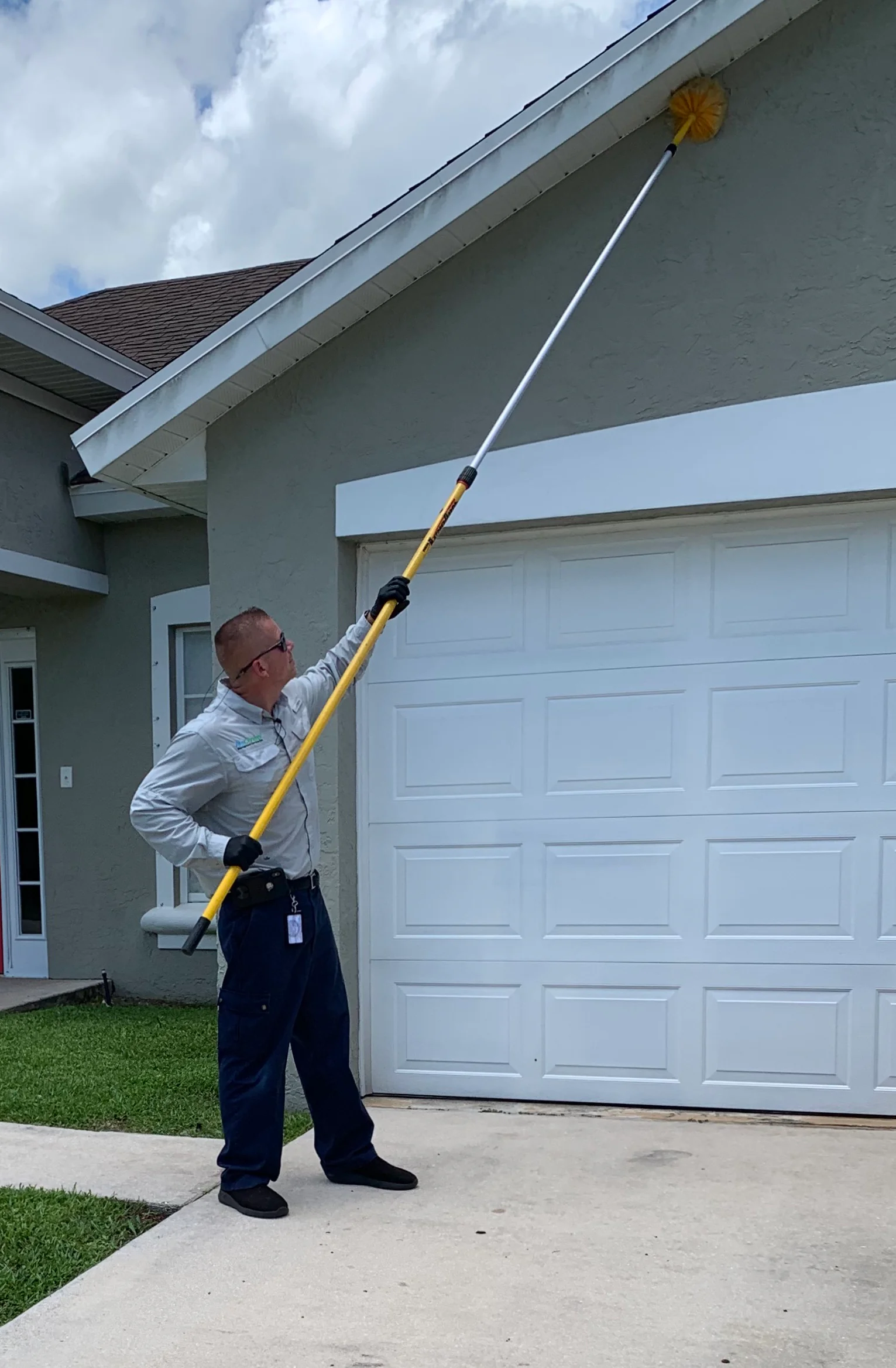
Finally, we seal entry points and implement prevention measures. The best rodent control is sealing possible entrances through exclusion methods like caulking cracks, capping chimneys, and installing mesh covers. This keeps new rodents from getting in after we’ve eliminated the current problem.
Roof rats are the most common rodents in South Florida homes – long, lean climbers with tails longer than their bodies. In Swan Park, we also deal with Norway rats, house mice, and occasionally cotton rats. Each species requires different approaches.
Mice reproduce every 19 days with up to 8 litters per year and 5-6 young per litter, which is why infestations get out of hand quickly. Time matters. The longer you wait, the bigger the problem becomes.
Our service includes complete inspection, humane removal, exclusion work, and follow-up to ensure the problem doesn’t return. We use materials that work and are safe for your family, with 24/7 emergency services available when you need immediate help.
The most common signs include gnaw marks, feces, rub marks, nesting material, runs in insulation material, and small entry points. You might hear scratching or scurrying sounds in walls, ceilings, or attics, especially at night when rodents are most active.
Look for tiny pellet-like droppings, chewed wires, wood, or insulation, and a faint, musty urine odor. Fresh droppings appear black and shiny, while older ones become gray and crumbly. If you notice any of these signs, act quickly – rodent populations can explode in a matter of weeks.
Yes, rodents pose serious health risks. They can spread hantavirus through contact with droppings, urine, or saliva, leading to serious respiratory conditions, while leptospirosis can cause kidney damage, liver failure, and even death.
One of the most concerning ways diseases spread is through the air – when rodent droppings or urine dry out, they release particles that may carry pathogens, and simply breathing contaminated air puts your family at risk. Pregnant women should not handle rodents and should avoid being in areas where rodent-contaminated materials are being cleaned.
DIY methods like rat traps and mouse traps may catch a rodent or two, but they often fail to address the root of the problem, and mice and rats can spread diseases throughout your home while reproducing faster than you can trap them.
All traps require intimate knowledge of mouse habits and behavior to use them effectively. We know exactly where to place traps, what bait to use, and how to identify and seal the entry points that keep allowing new rodents inside. Without addressing the source, you’re just playing catch-up with an ever-growing population.
Rodents cause major damage to homes by chewing and exposing live wires, and they leave droppings behind which mix with dust in the air, raising health issues. They pose health risks and can cause significant property damage, chewing through electrical wires, insulation, and structural components, potentially leading to fires, water damage, and costly repairs.
Rodents have front teeth that continuously grow, which means they can gnaw a new way back into your home even after exclusion work. The damage compounds quickly – what starts as a few chew marks can become serious structural issues, electrical hazards, and contamination problems within weeks.
South Florida’s humid weather and dense vegetation provide the perfect breeding ground for rodent infestations, with year-round warmth and proximity to water sources attracting these pests and creating persistent challenges. Florida’s warm climate keeps rodent activity high year-round, unlike northern climates where cold weather provides natural population control.
Florida’s building structures are often designed to withstand extreme weather conditions, creating unique nooks and crannies that can become entry points for determined rodents. The combination of ideal weather, abundant food sources, and construction styles that create hiding spots makes Swan Park a challenging environment for rodent control without professional intervention.
Rodent trapping usually takes between five to fourteen days, but the timeline depends on the size of the infestation and the species involved. Since mice reproduce every 19 days with up to 8 litters per year, quick action makes all the difference.
The inspection and initial treatment happen within days of your call. We strongly recommend maintenance service because rodents have front teeth that continuously grow, meaning they can gnaw new ways back into your home. Complete rodent control isn’t just about removing the current population – it’s about creating long-term protection through proper exclusion and ongoing monitoring.