
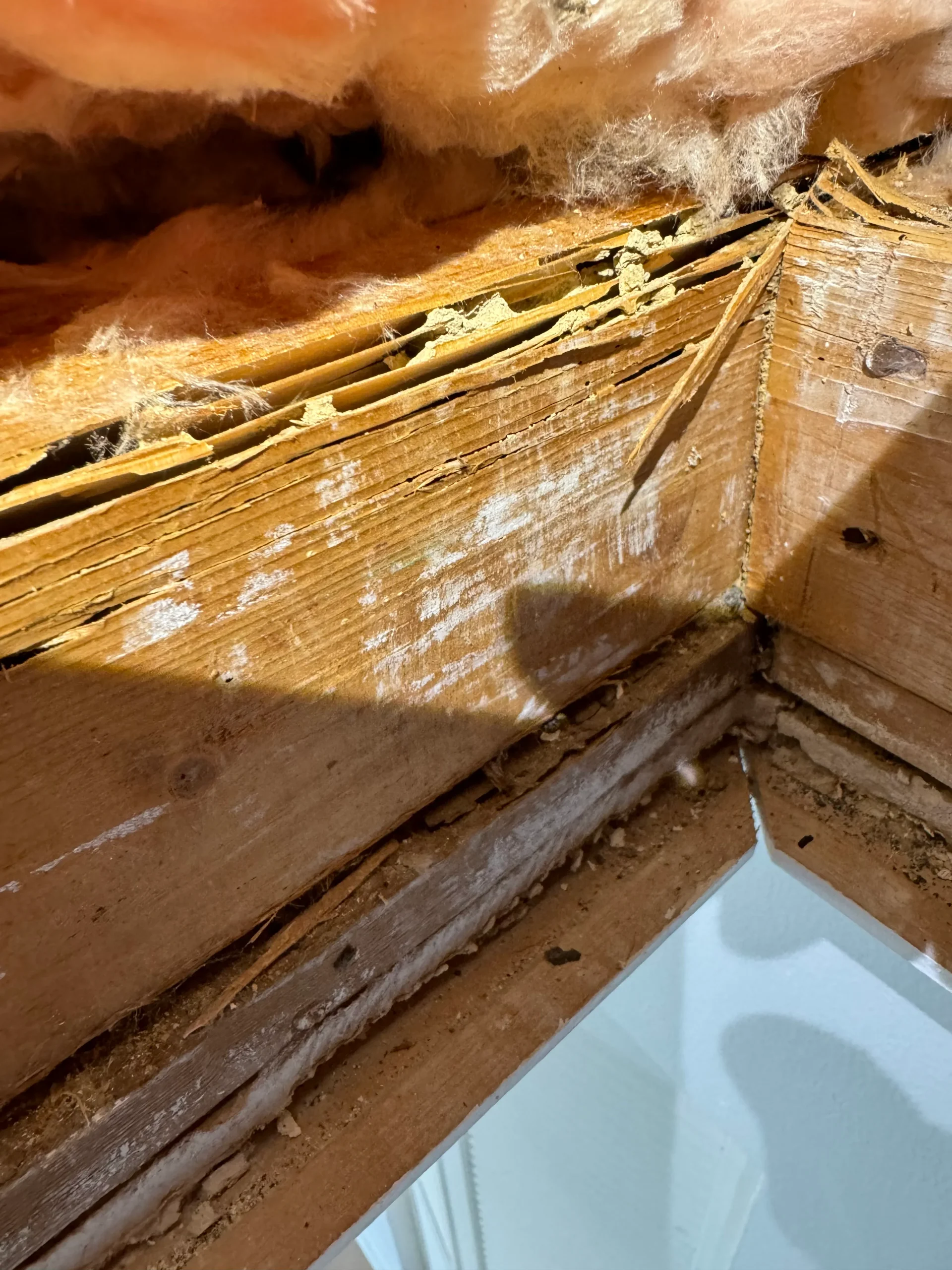
You hear scratching in the attic at night. You spot droppings near the garage. Maybe you’ve already tried sealing up holes yourself, only to find new entry points a week later.
Wildlife doesn’t just create noise and mess. Raccoons tear through insulation and chew electrical wiring. Bats leave droppings that carry histoplasmosis. Snakes find cool spots under your deck. Every day you wait, the damage gets worse and the health risks grow.
Professional wildlife removal means more than trapping the animal you see. It’s about finding every entry point, sealing them properly, cleaning contaminated areas, and making sure your property stays protected. You get your space back without the guesswork, without the risk of doing it wrong, and without animals returning next season.
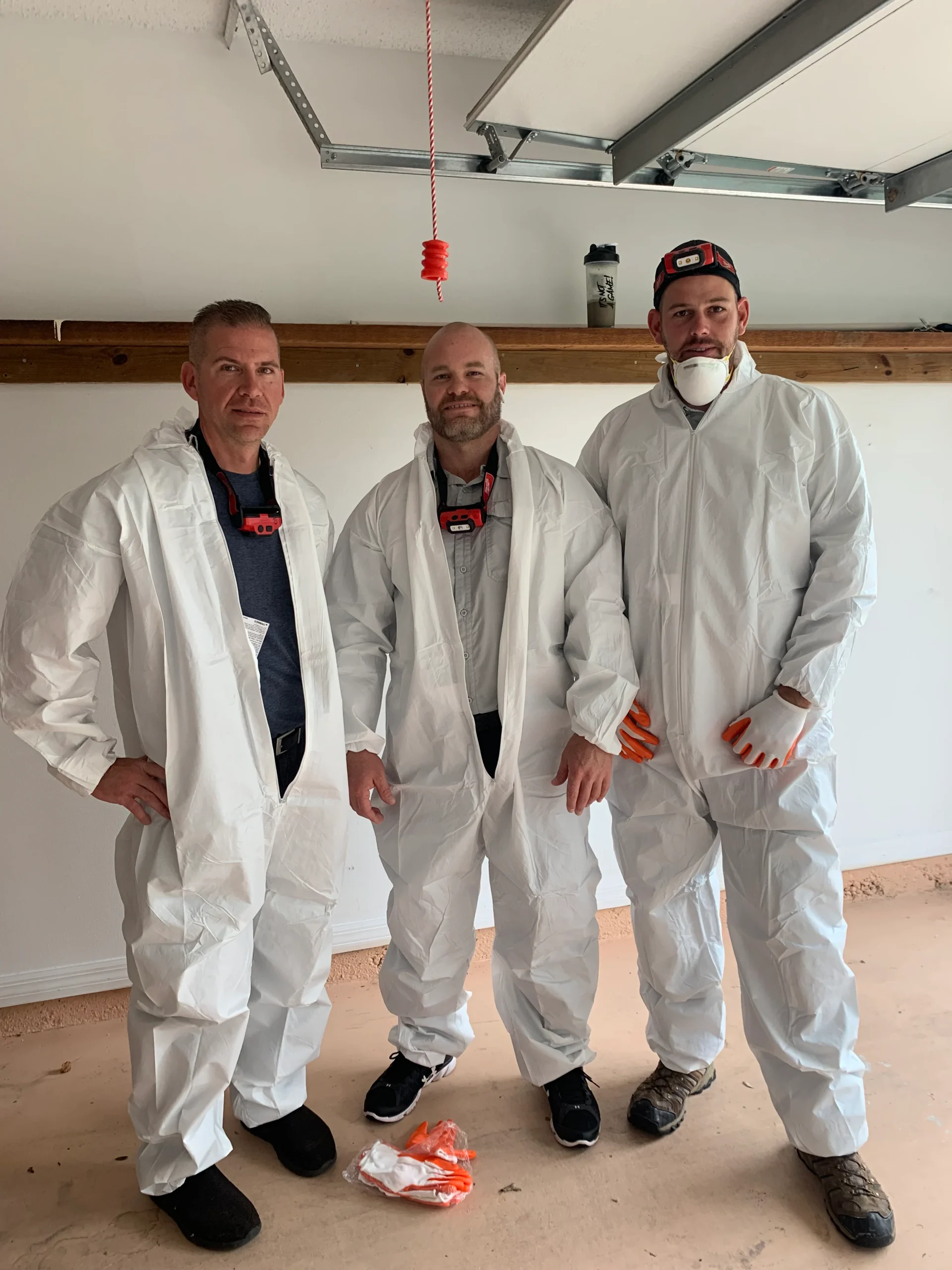
We’ve handled wildlife removal across the Treasure Coast since 2006. We’re licensed, insured, and available 24/7 for emergencies.
Swan Park sits in an area where wildlife encounters happen year-round. The warm climate and water-rich landscape mean raccoons, opossums, bats, and snakes don’t hibernate—they stay active. We’ve worked in this area long enough to know which animals cause problems during which seasons, where they enter homes, and how to keep them out permanently.
You’re not getting a national franchise following a script. You’re getting a local team that understands Florida wildlife behavior and knows how to handle it right the first time.
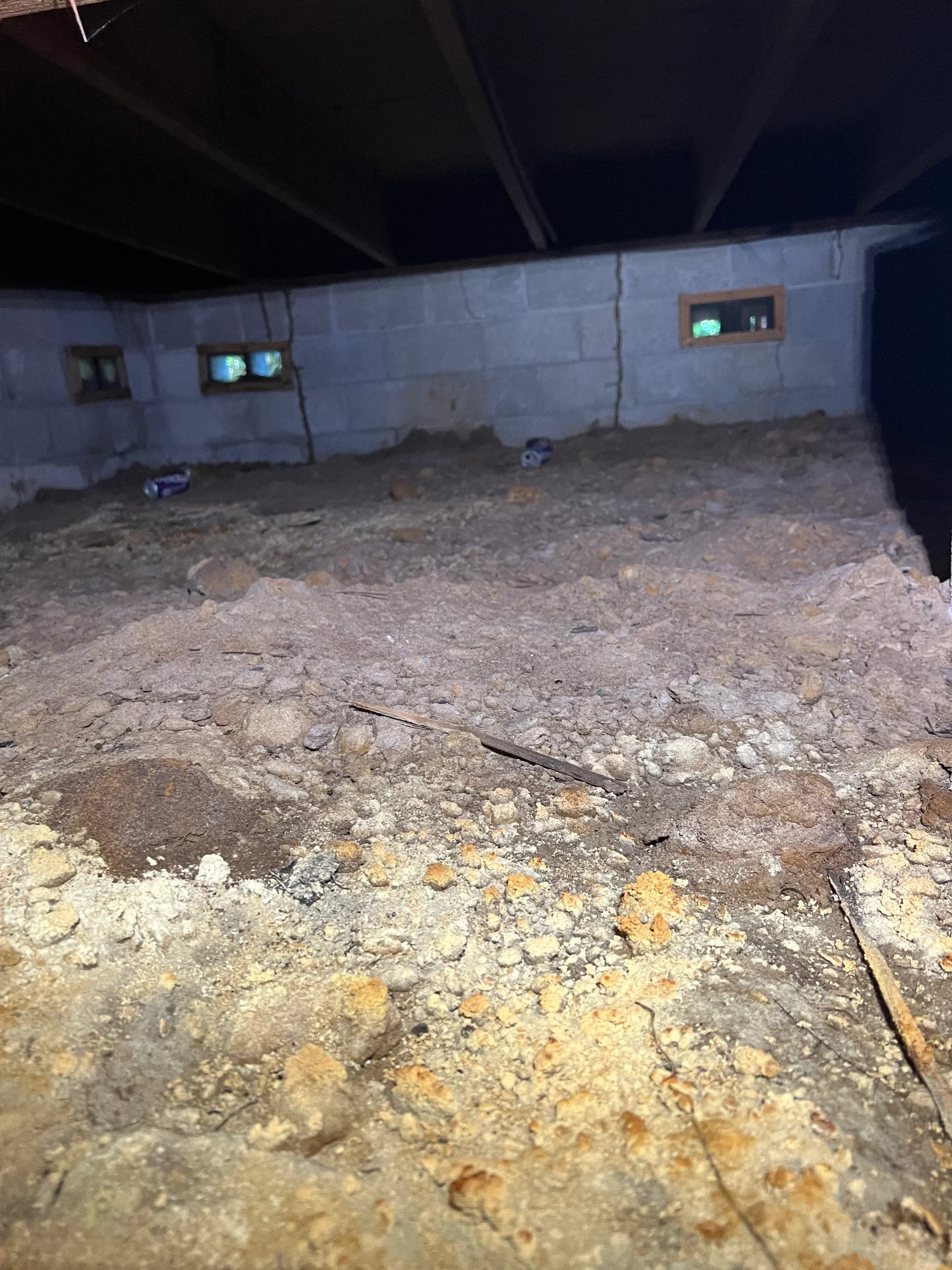
First, we inspect your property to identify the animal, locate entry points, and assess any damage. This isn’t a quick walk-around. We check attics, crawl spaces, rooflines, vents, and foundation gaps. You’ll know what you’re dealing with before any work starts.
Next comes humane removal using methods appropriate for the species. Some animals get trapped and relocated. Others, like bats, require exclusion devices that let them leave but not return. We follow Florida wildlife regulations, which protect certain species and restrict how they can be handled.
After removal, we seal every entry point with materials animals can’t chew or claw through. Then we clean and sanitize contaminated areas, removing droppings, urine, and nesting materials that carry disease. If insulation or wiring got damaged, we handle repairs or connect you with the right professionals.
You get a clear timeline, straightforward pricing, and a guarantee that backs up the work. If an animal gets back in through our exclusion work, we come back and fix it.
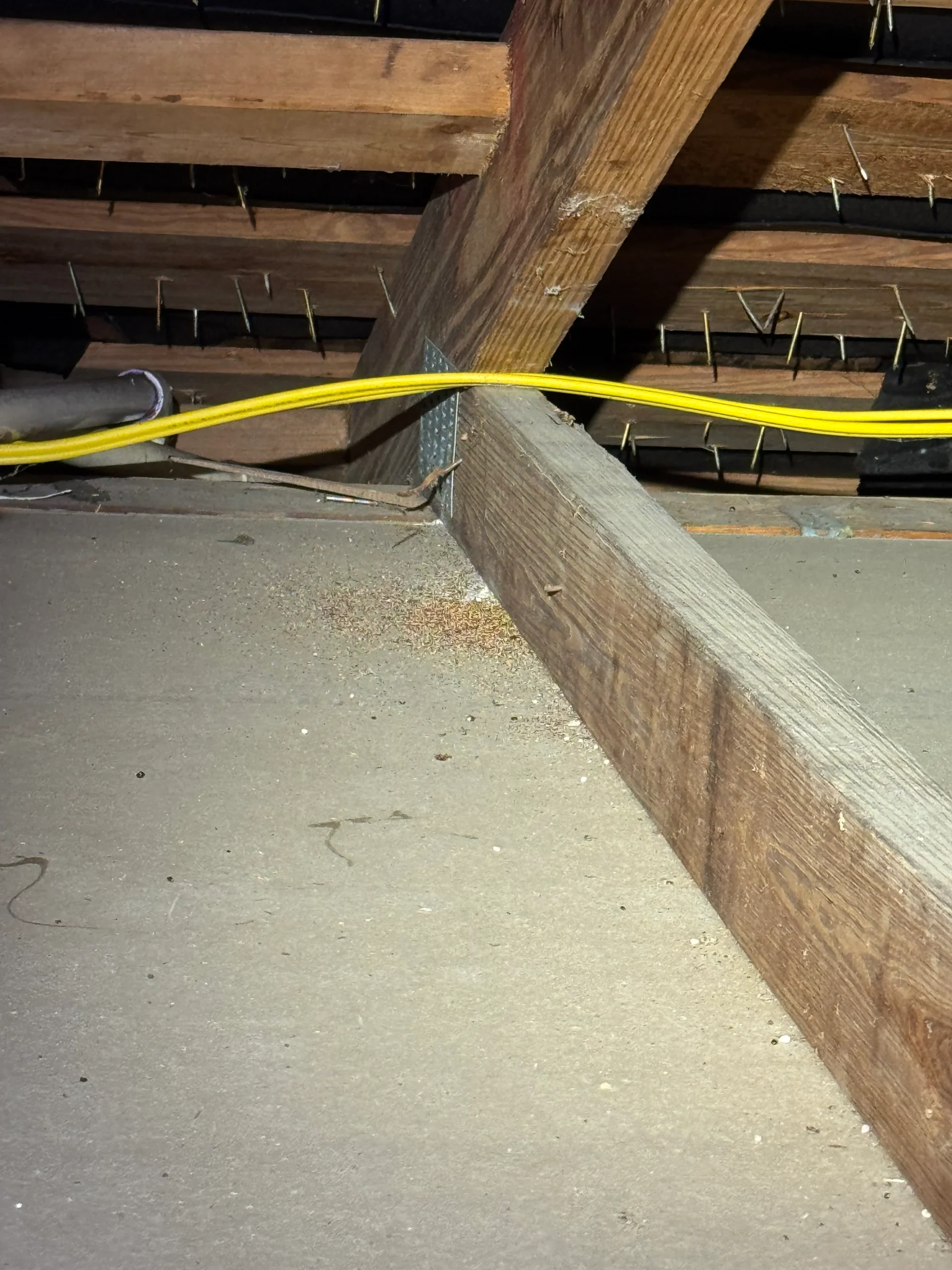
Complete wildlife removal covers the full scope of the problem. That means animal trapping or exclusion, entry point sealing, attic cleanup, odor control, and damage repair. You’re not paying for half a solution.
Swan Park properties face specific challenges. Older homes often have gaps in soffits and fascia that raccoons exploit. Tile roofs create spaces where bats roost. Screened enclosures attract snakes looking for lizards and frogs. We address these local vulnerabilities with materials and methods that hold up in Florida’s heat and humidity.
We also handle dead animal removal when something dies in a wall cavity or under your home. The smell doesn’t go away on its own, and locating the carcass without tearing apart your property takes experience. We find it, remove it, sanitize the area, and eliminate the odor.
Every property gets a customized approach based on what we find during inspection. You’re not getting a one-size-fits-all treatment. You’re getting a plan built around your specific wildlife problem and your property’s unique entry points.
We offer 24/7 emergency response for urgent situations. If you have an aggressive animal in your living space, a bat flying through your bedroom, or a snake that poses immediate danger, we prioritize those calls.
Most non-emergency appointments get scheduled within 24 to 48 hours. That timeline works for situations like hearing scratching in the attic or noticing droppings in the garage—problems that need attention but aren’t putting anyone at immediate risk.
Response time also depends on our current call volume and your location within our service area. Swan Park is part of our core coverage zone, so we typically reach you faster than properties on the outer edges of the Treasure Coast. When you call, we’ll give you an honest estimate of when we can arrive.
Raccoons top the list. They’re smart, strong, and excellent climbers. They tear through soffits, pry up shingles, and rip open attic vents to create dens. Once inside, they damage insulation and leave large amounts of feces that carry parasites and disease.
Bats are the second most common issue. Florida has 13 bat species, and several roost in attics, tile roofs, and behind shutters. They squeeze through gaps as small as half an inch. Bat guano accumulates quickly and can cause respiratory problems when disturbed.
Opossums, rats, and snakes also show up regularly. Opossums den under decks and in crawl spaces. Rats enter through roof gaps and breed rapidly once inside. Snakes—including venomous species like pygmy rattlesnakes and cottonmouths—seek cool, dark spaces around foundations and pool equipment. Each animal requires different removal methods and exclusion strategies.
Yes. Florida Fish and Wildlife Conservation Commission regulates how certain species can be trapped, relocated, or removed. Some animals are protected, some are nuisance species with fewer restrictions, and others fall somewhere in between.
For example, you can’t relocate raccoons without a permit. Bats are protected during maternity season (roughly April through August), so removal during those months requires exclusion methods that let adults leave but prevent re-entry. Certain snake species are protected and can’t be killed or relocated without proper authorization.
These regulations exist to protect wildlife populations and public health. They also mean you can’t just trap an animal and drop it off somewhere else without potentially breaking the law. Licensed wildlife control professionals know these rules and follow them. DIY attempts often violate regulations without the property owner realizing it, which can result in fines.
We guarantee our exclusion work. If an animal re-enters through a spot we sealed, we come back and fix it at no additional charge. That guarantee typically covers the materials and workmanship for a specified period—we’ll spell out the exact terms before you agree to anything.
The guarantee doesn’t cover new damage to different areas of your property. If we seal your attic and a raccoon later tears through a soffit on the opposite side of the house, that’s a new entry point requiring additional work. But if our patch fails or an animal gets through our exclusion device, we handle it.
Most exclusion work holds up permanently when done correctly. We use heavy-gauge steel mesh, metal flashing, and commercial-grade sealants that animals can’t chew or claw through. The materials we install are designed to outlast the typical lifespan of the structure itself. Failures usually happen when property owners make modifications—like adding a new vent or replacing a roof—that create new vulnerabilities.
You can skip it, but you’re leaving behind health hazards and damaged insulation that costs you money every month. Animal droppings and urine carry diseases like leptospirosis, salmonella, and hantavirus. Dried feces become airborne when disturbed, and you breathe them in through your HVAC system.
Contaminated insulation also loses its R-value. Compressed, soaked, or shredded insulation doesn’t regulate temperature effectively. Your air conditioner runs longer, your energy bills climb, and your home stays less comfortable. In Florida’s heat, that inefficiency adds up fast.
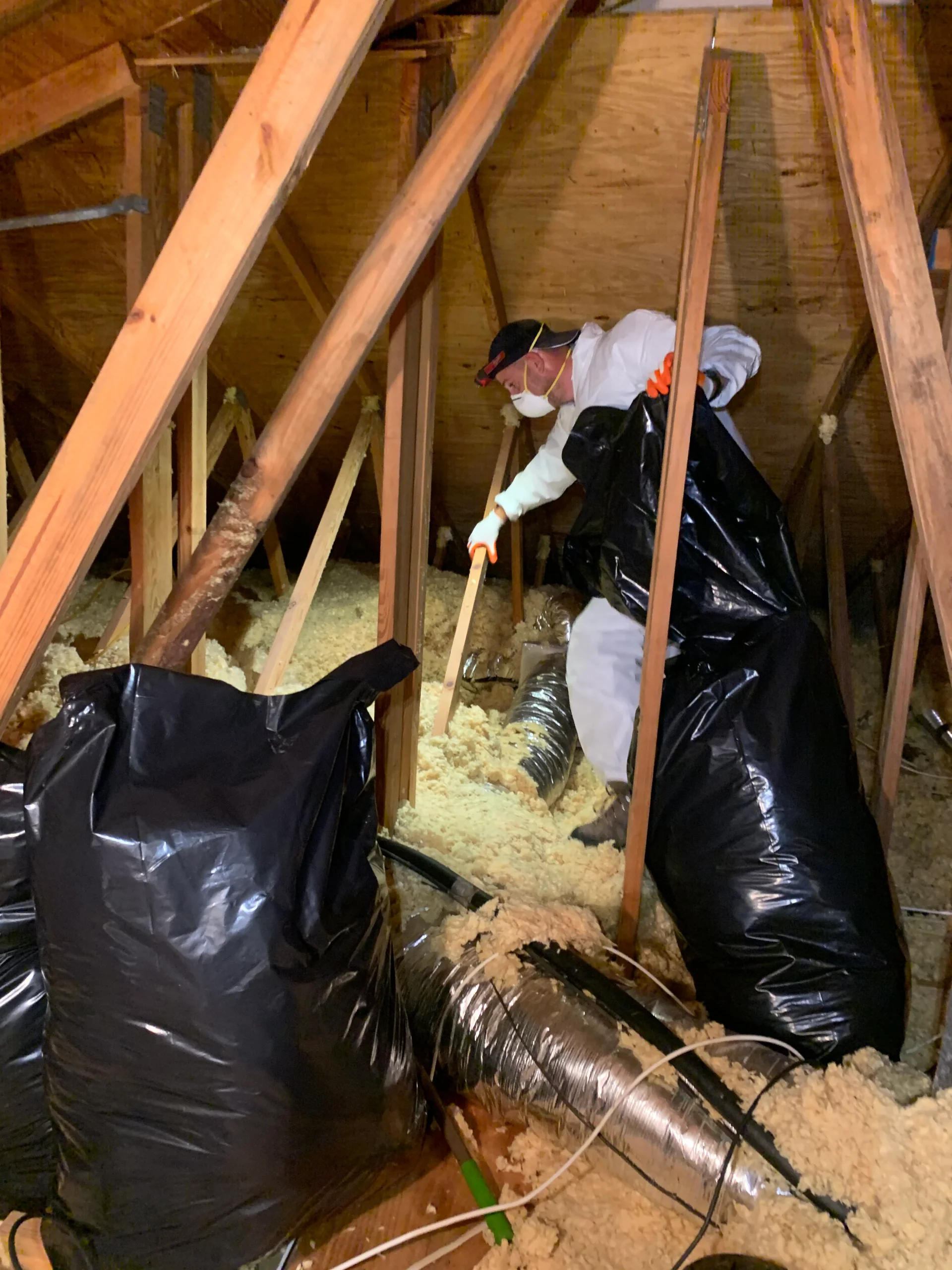
Attic cleanup involves removing contaminated insulation, sanitizing all surfaces with antimicrobial treatments, and installing new insulation to proper R-value standards. It’s not glamorous work, but it protects your family’s health and restores your home’s energy efficiency. Some homeowners insurance policies cover wildlife damage and cleanup costs, so check your policy before assuming you’ll pay out of pocket.
It depends on the animal, the extent of the infestation, and how much exclusion work your property needs. A single raccoon with one entry point costs less than a bat colony with multiple access points and extensive attic contamination.
Most jobs fall between a few hundred dollars for straightforward trapping and removal, up to several thousand for complex situations involving multiple animals, extensive damage, full attic restoration, and comprehensive exclusion work across the entire structure. We provide free estimates after inspecting your property, so you’ll know the cost before committing to anything.
Cheap wildlife removal usually means incomplete work. If someone quotes you half what everyone else does, they’re probably skipping the exclusion work or the cleanup. You’ll pay less upfront, but you’ll pay again when animals return or when you finally hire someone to do it right. We price our work to cover the full scope of what’s needed—removal, exclusion, cleanup, and guarantee—so you’re done dealing with the problem after we leave.