Commercial pest control isn't just about eliminating bugs—it's about protecting your reputation, passing health inspections, and keeping customers safe in St. Lucie County, FL.
Share:
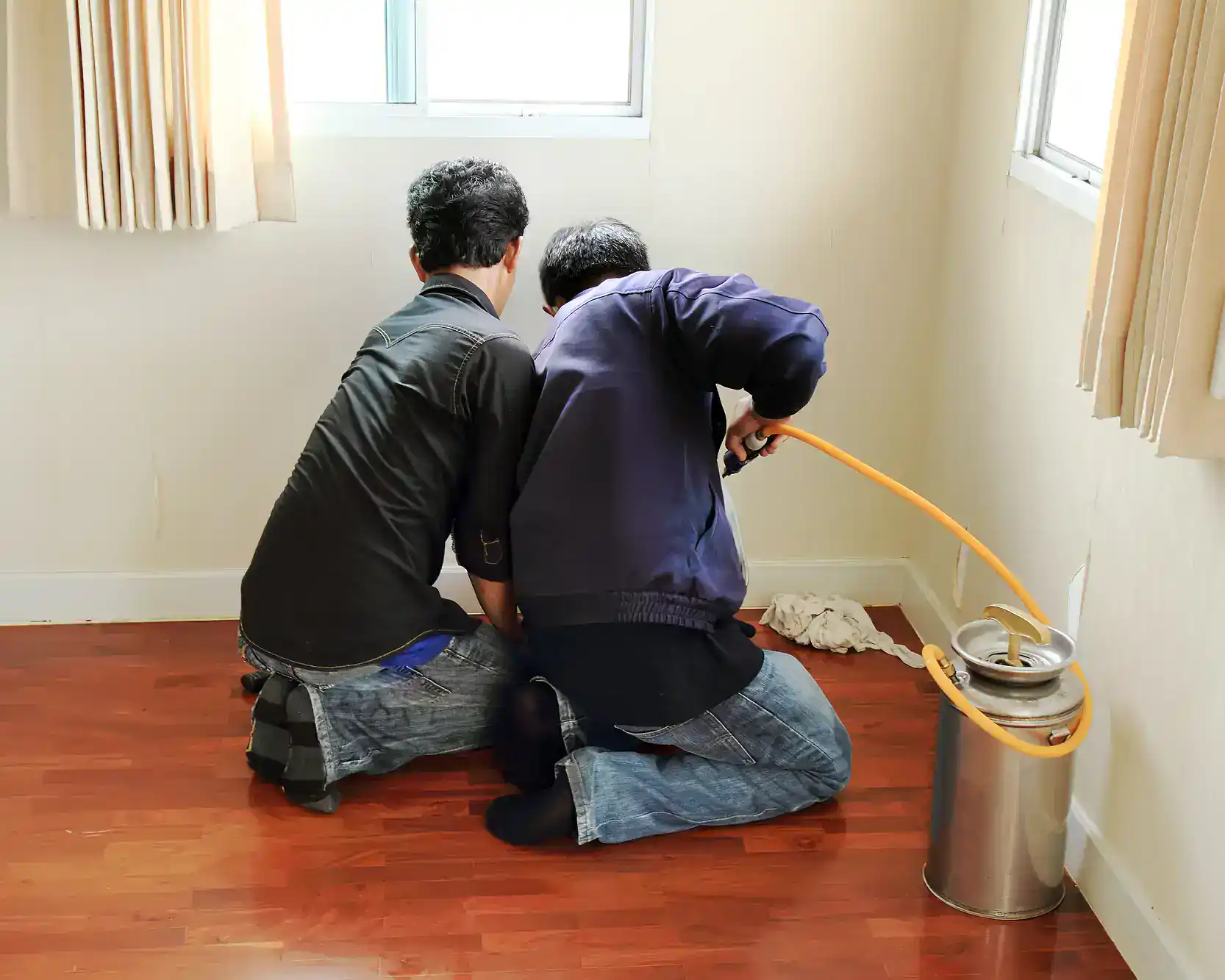
Summary:
Walk into any commercial kitchen, warehouse, or hotel, and you’re looking at an environment pests dream about. Constant food sources. Warmth. Moisture. Plenty of hiding spots.
But unlike a home, your business can’t afford to wait and see if a problem goes away. One roach spotted by a health inspector can trigger an immediate shutdown. A single rodent sighting shared on social media can cost you customers for months.
That’s why commercial pest control goes beyond spraying baseboards and hoping for the best. It requires understanding your industry’s specific regulations, your property’s unique vulnerabilities, and the pest pressures that come with operating in South Florida’s year-round pest climate.
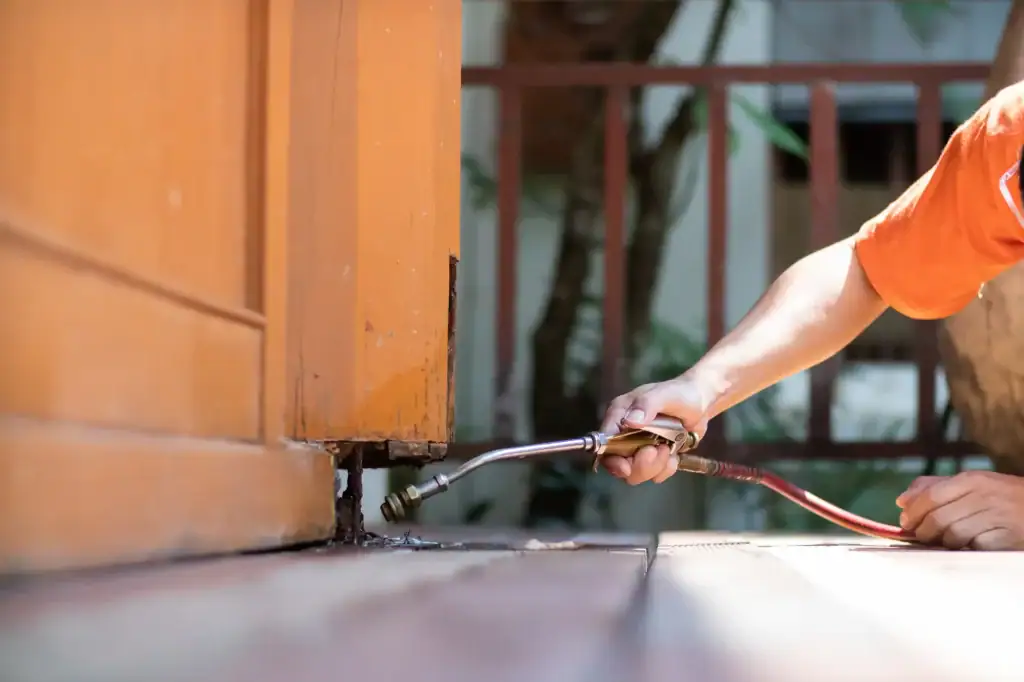
Health inspectors don’t need to see a full-blown infestation to cite you. They’re trained to spot the warning signs most business owners miss.
Droppings behind equipment. Gnaw marks on packaging. Grease trails along walls. Even a single pest sighting during an inspection gives them legal authority to take action. In restaurants and food service establishments, pest violations alone account for 20% of your overall health inspection score. That means you can’t earn an “A” rating if you have pest issues, no matter how spotless the rest of your operation looks.
Florida’s inspection process focuses on evidence of pest activity, not just live pests. Inspectors examine food storage areas, check for proper sealing of entry points, and assess whether you have a documented pest management program in place. For restaurants, hotels, and healthcare facilities, failing to show proof of regular professional pest control can result in follow-up inspections, fines, or temporary closure until you correct the violations.
The FDA Food Code, which most states and local health agencies follow, requires food service establishments to keep pests out of food preparation and storage areas to prevent contamination. Flies, cockroaches, and rodents are known carriers of pathogens like Salmonella, E. coli, and Shigella. A single fly in your kitchen isn’t just unsanitary—it’s a food safety risk that inspectors take seriously.
That’s why businesses that pass inspections consistently don’t wait for problems to appear. They work with pest control professionals who understand what inspectors look for and build prevention programs that address those specific concerns before inspection day arrives.
A restaurant’s pest control needs look nothing like a warehouse’s. And what works for a hotel won’t necessarily protect a school or medical facility.
Restaurants and food service businesses deal with the strictest regulations. You’re managing constant food sources, grease buildup, and moisture from dishwashing and cooking. Cockroaches, flies, and rodents are attracted to these conditions, and even minor infestations can lead to health code violations, failed inspections, or closure. In 2023 alone, over 100 food service locations across the United States received citations specifically for rodent health code violations, each bringing fines, mandatory re-inspections, and public posting of violations.
Warehouses and distribution centers face different pressures. You’re storing large quantities of products, often in spaces with multiple entry points and limited visibility into every corner. Pests like stored product insects, rodents, and birds can contaminate inventory, damage packaging, and trigger product recalls. Warehouses are particularly vulnerable because pests feed on goods and materials, and their droppings, webbing, and skin casts can lead to significant loss of revenue and regulatory penalties.
Hotels and hospitality businesses can’t afford a single guest review mentioning pests. Bed bugs, cockroaches, and rodents don’t just create health risks—they destroy your online reputation. In today’s environment, consumers actively share their experiences on social media platforms, and word of mouth can make or break a hotel’s reputation faster than any marketing campaign can repair it.
Schools, healthcare facilities, and office buildings require pest control approaches that prioritize safety and minimal disruption. You’re protecting vulnerable populations—children, patients, employees—and treatments need to be scheduled around occupancy, use non-toxic methods where possible, and comply with specific industry regulations.
Each of these industries operates under different codes, faces different inspection standards, and requires customized pest management plans that address their specific risks. That’s why effective commercial pest control starts with understanding your industry, not just spraying chemicals and hoping they work.
Effective commercial pest control isn’t about reacting to problems after they appear. It’s about building a system that prevents pests from ever becoming an issue in the first place.
That starts with customization. Your property layout, your industry’s regulations, and your specific pest pressures all factor into what will actually work. A customized plan takes into account the type of pests most likely to affect your business, identifies entry points and vulnerabilities unique to your property, and creates targeted prevention strategies that address root causes rather than just symptoms.
In South Florida, you’re also dealing with a climate that supports pest activity year-round. There are no specified “seasons” for insect infestations here. From cockroaches and palmetto bugs to ants and termites, pests infest all year long, which means your pest control plan needs to be ongoing, not seasonal.
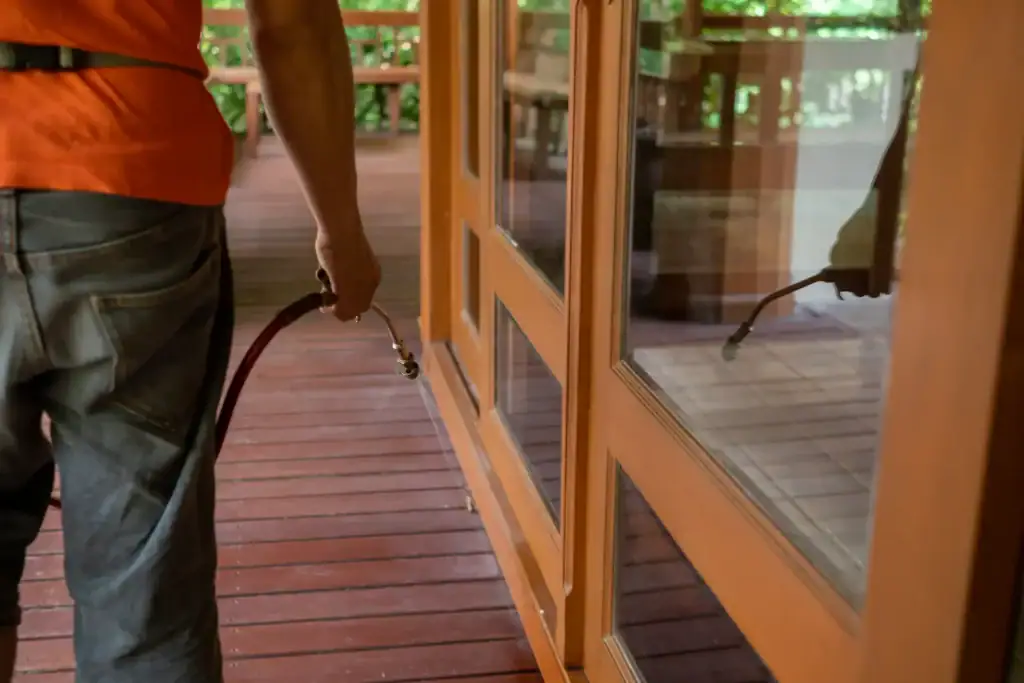
Generic pest control treatments might work for a home, but they fall short in commercial settings.
Here’s why: every business operates differently. A restaurant has food prep areas, grease traps, and constant foot traffic. A warehouse has loading docks, high ceilings, and stored products. An office building has break rooms, HVAC systems, and multiple entry points. One-size-fits-all treatments don’t account for these differences, which means they miss the specific conditions that attract and harbor pests in your environment.
Customized pest control solutions allow us to pinpoint the exact areas that need attention. We take into account factors like your property’s layout, existing pest infestations, and any potential risk factors for future problems. This personalized approach leads to more effective and long-lasting results because it addresses the root cause of infestations rather than just treating symptoms.
Custom plans also adapt to your operational needs. We can schedule treatments during off-hours or in low-traffic areas, ensuring the work gets done without interfering with your daily operations. For businesses like restaurants and hotels, this flexibility is essential—you can’t afford to disrupt service or alarm customers with visible pest control activity.
Another advantage: customized plans are built around compliance. Different industries face different regulations. Restaurants need to meet FDA Food Code standards. Warehouses may need to comply with USDA requirements if they handle food products. Healthcare facilities operate under strict sanitation codes. A pest control plan tailored to your industry ensures you’re meeting the specific regulatory requirements that apply to your business, with documentation that proves compliance during inspections and audits.
Integrated Pest Management (IPM) is often the foundation of these customized solutions. IPM combines biological, cultural, physical, and chemical control strategies, using a variety of tactics to make pest management more effective while reducing reliance on traditional pesticides. This approach focuses on long-term prevention, which is more cost-effective than repeatedly treating the same problems.
Ongoing pest management isn’t just about scheduling regular visits. It’s about building a proactive system that monitors, prevents, and responds to pest activity before it becomes a problem.
Regular inspections are the backbone of any effective program. We inspect your property on a set schedule—monthly, quarterly, or customized to your needs—looking for early signs of activity. We check entry points, monitor high-risk areas, and identify conditions that could attract pests. This consistent monitoring allows us to catch problems early, often before you even notice them, which prevents small issues from turning into costly infestations.
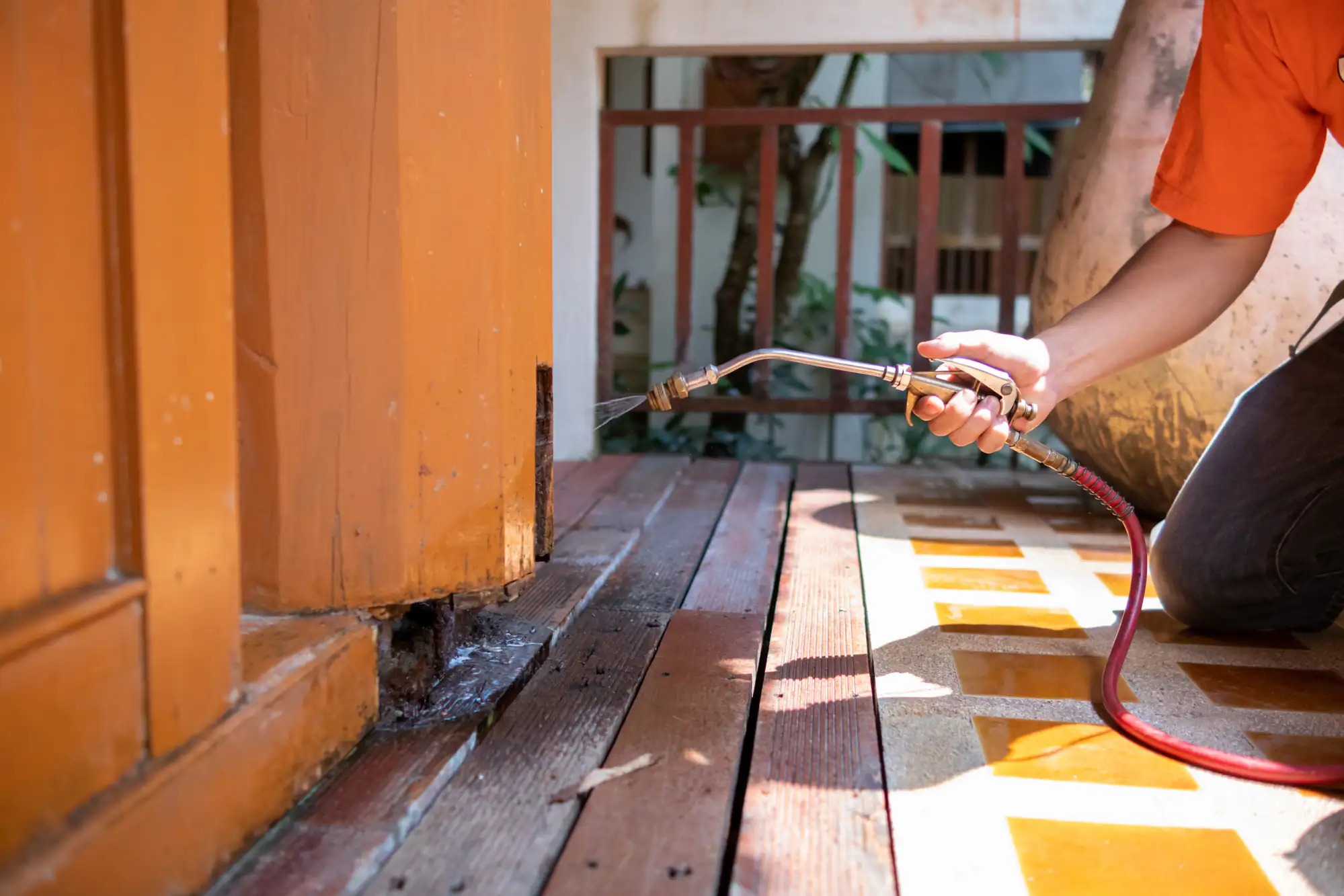
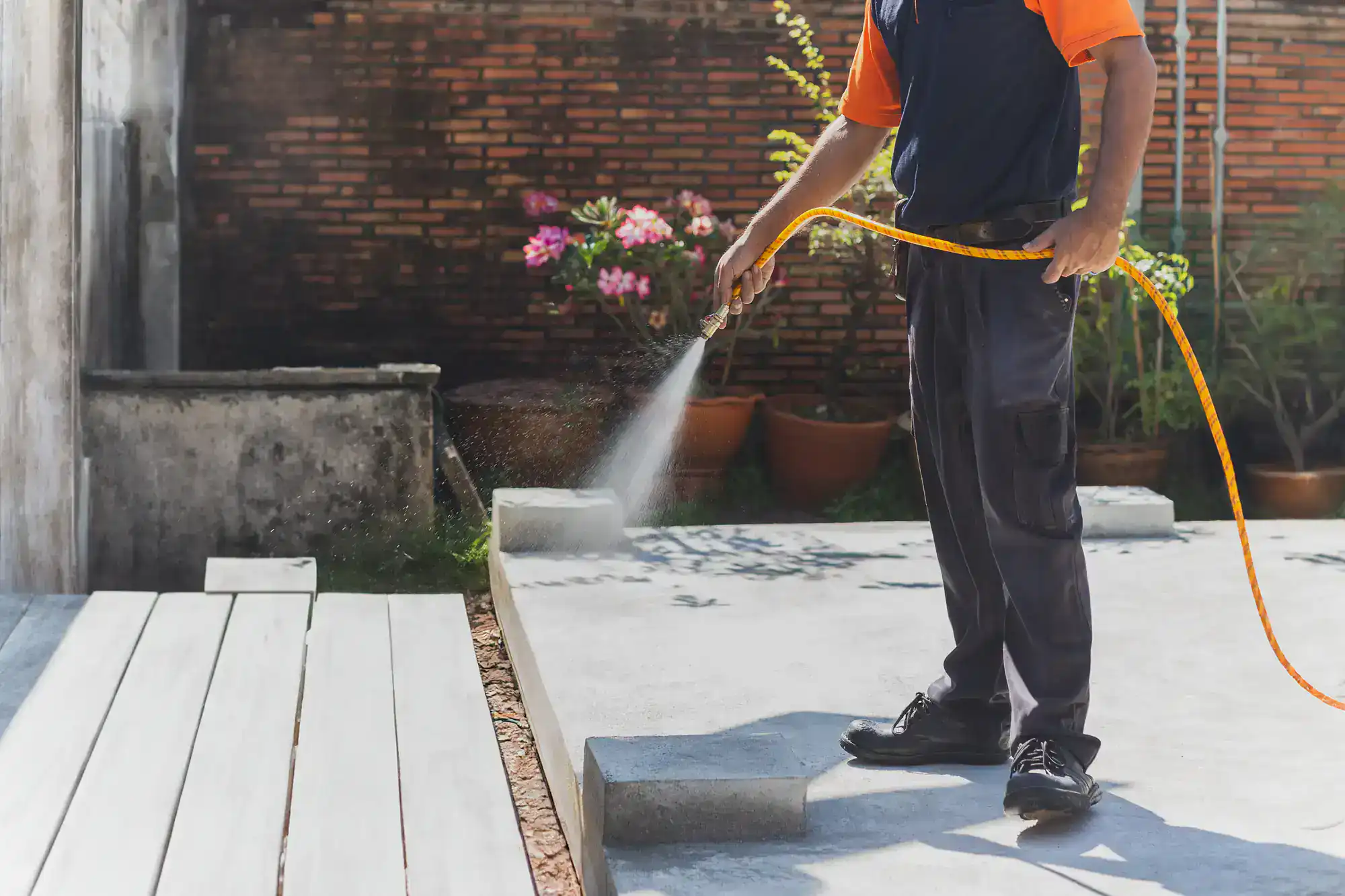
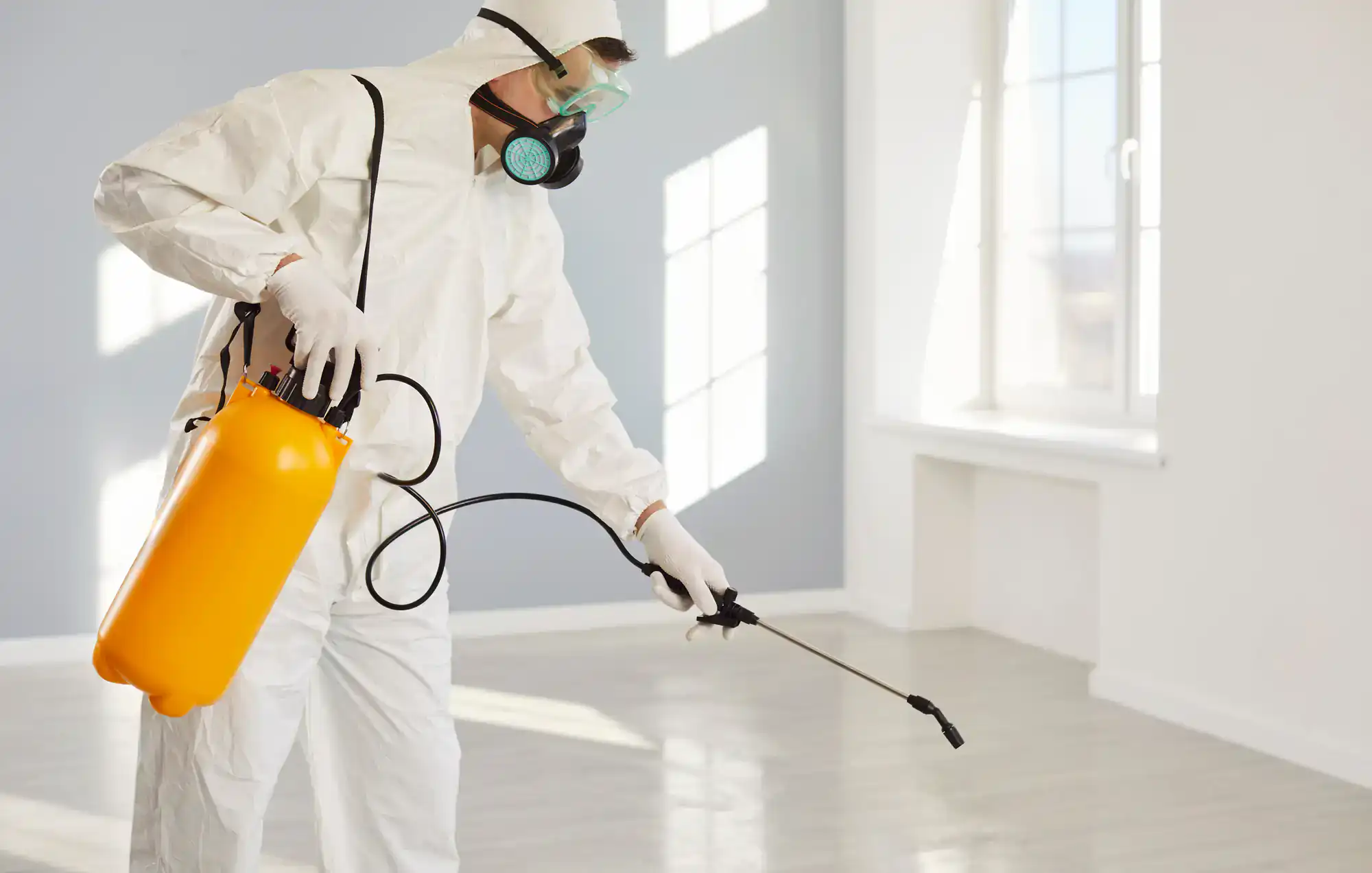
Treatment and prevention go hand in hand. We don’t just spray and leave. We seal entry points, eliminate food and water sources, install monitoring devices, and apply targeted treatments only where needed. This outside-in approach focuses on preventing pests from entering your building in the first place, rather than waiting to treat them once they’re inside.
Documentation is another critical component, especially for businesses that face regular inspections. We maintain detailed records of every visit, noting what was inspected, what treatments were applied, and any recommendations for improving conditions. These records prove compliance during health inspections and third-party audits, giving you the paper trail you need to demonstrate that you’re taking pest management seriously.
Ongoing plans also include flexibility for emergency situations. If you spot pest activity between scheduled visits, we’ll return at no additional charge to address the issue. This guarantee ensures that you’re never left dealing with a problem on your own, and it reinforces our commitment to keeping your business pest-free.
Education and communication matter too. During regular visits, our technicians can educate your staff about conditions that attract pests and actions they can take to help prevent infestations. When your team understands how to avoid circumstances that harbor pests—like leaving food uncovered, allowing spills to sit, or propping doors open—your overall pest management becomes more effective.
The goal of ongoing pest management is peace of mind. You shouldn’t have to worry about what might be lurking behind your equipment or whether a health inspector will find something you missed. With a solid prevention program in place, you can focus on running your business, confident that pest control is handled.
Commercial pest control isn’t something you can afford to get wrong. The stakes are too high—health violations, lost revenue, damaged reputation, and in severe cases, closure.
What separates businesses that stay pest-free from those that don’t? A commitment to prevention over reaction. Customized plans over generic treatments. And a pest control partner who understands your industry, your property, and the unique challenges you face operating in South Florida’s year-round pest climate.
If you’re ready to protect your business with a pest management program built specifically for your needs, we’ve been helping Treasure Coast and Palm Beach area businesses stay compliant and pest-free since 2006. We offer eco-friendly solutions, 24/7 emergency services, and customized plans designed to keep your operation running smoothly without disruption.
Article details:
Share:
Continue learning: