DIY termite checks miss what's hiding inside your walls. Here's what a professional inspection actually covers — and why it makes a real difference in Florida.
Share:
Summary:
If you’ve spotted what might be termite damage — hollow-sounding wood, a pile of discarded wings near a window, mud tubes along the foundation — the first instinct for a lot of homeowners is to head to the hardware store. It feels proactive. It feels cheaper. But in St. Lucie County, where termite pressure is year-round and the species involved are some of the most destructive in North America, that instinct can cost you far more than a professional inspection ever would. This page breaks down what a real termite inspection covers, how treatment methods actually compare, and what to look for when deciding between doing it yourself and calling someone who does this every day.
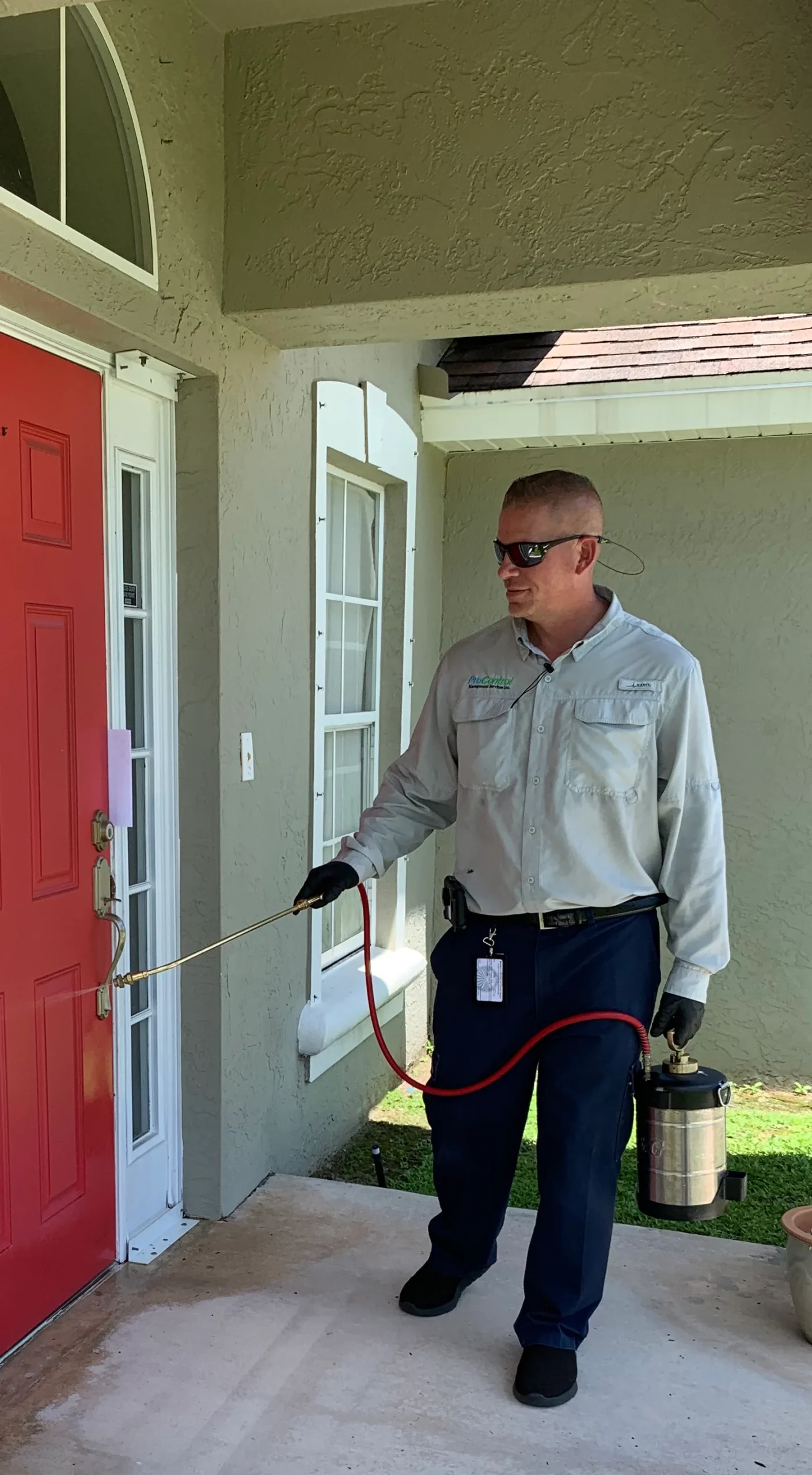
A thorough termite inspection is not a quick walk-around. A qualified inspector should spend 45 minutes to over an hour on your property — checking the full perimeter, probing wood along the foundation, looking for mud tubes near utility penetrations, and working through the interior room by room. That means baseboards, window frames, door casings, inside cabinets, under sinks, around water heaters, and anywhere plumbing meets structure.
The attic matters too. Exposed rafters and roof framing are common targets for drywood termites, and it’s one of the first places we check. In St. Lucie County, where humidity is high and termite colonies never go dormant, the inspection has to be comprehensive — not a surface scan.
What separates a legitimate inspection from a sales call in disguise is documentation. You should walk away with a written report of what was found, where it was found, and what we recommend — and why.
Most homeowners focus on what they can see. The problem is that termites are designed to stay hidden. Subterranean termites build their colonies underground and travel through mud tubes — pencil-thin tunnels made from soil, wood particles, and saliva — that hug the foundation or run along pipes inside walls. You could walk past one every day and not recognize it for what it is.
Drywood termites are even more cryptic. They live entirely inside the wood they’re eating. The main sign is frass — tiny pellets that look like sawdust or coffee grounds — that accumulates near exit holes in baseboards or furniture. Most homeowners mistake it for dust or debris. A trained eye knows exactly what it means.
There’s also the moisture angle. Termites are drawn to water-damaged wood, and an experienced inspector will flag plumbing leaks, poor drainage, and areas where wood is in direct contact with soil — conditions that don’t cause termites on their own but make your home significantly more attractive to them. Catching those issues early is part of what makes a professional inspection worth it.
In St. Lucie County specifically, Formosan subterranean termites are present and active. These are not the same as the Eastern subterranean termites common in northern Florida — Formosan colonies can contain millions of workers and cause structural damage at a rate that outpaces most other species in the country. Knowing which species you’re dealing with changes the treatment approach entirely, and that’s not something a DIY kit accounts for.
A DIY termite check has real limits, and it’s worth being honest about what those are. You can look for visible mud tubes, tap wood to check for hollow sounds, and scan for discarded wings after a swarm. Those are legitimate signs, and noticing them is better than noticing nothing. But surface observation only tells you part of the story.
Professional inspectors use moisture meters, probing tools, and trained pattern recognition built from years of working in Florida homes specifically. We know where termites hide in slab-on-grade construction. We know how to read water staining patterns that suggest hidden activity. We know the difference between old damage and an active infestation — a distinction that matters a great deal when you’re deciding how urgently to act.
There’s also the product gap. The termiticides available at home improvement stores are consumer-grade formulations that treat surface symptoms. The professional-grade products and bait systems we use — including colony elimination systems that target the queen — are not available for retail purchase. They require a licensed applicator for a reason.
And then there’s the financial reality. Homeowners insurance in Florida does not cover termite damage. It doesn’t matter how severe the infestation is or how long it went undetected — the repair bill is yours. Average repair costs in Florida run between $8,000 and $12,000 per incident, with foundation damage climbing well above $25,000 in serious cases. A free professional inspection costs you nothing. Skipping it and guessing wrong can cost you everything.
Once an inspection confirms termite activity, the next question is which treatment method makes sense. The answer depends on the species involved, the severity of the infestation, the construction type of your home, and your priorities around safety and environmental impact. There is no single right answer for every situation, but understanding the main options helps you have a more informed conversation with whoever you hire.
The three most common approaches are liquid barrier treatments, bait systems, and targeted spot treatments — each with different applications, timelines, and coverage implications. Eco-friendly alternatives, including borate-based treatments, are also available and increasingly relevant to families who want effective results without heavy chemical exposure.
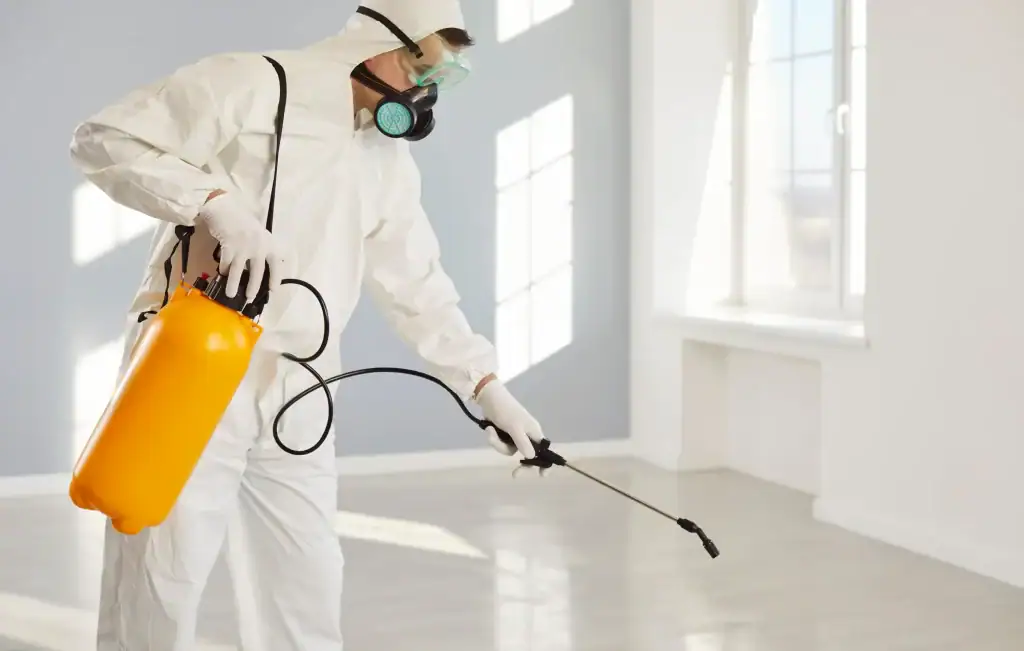
Liquid termiticide treatments work by creating a chemical barrier in the soil around and beneath your home’s foundation. When subterranean termites tunnel through treated soil, they contact the product and carry it back to the colony. It’s a proven method with a long track record, and when applied correctly by a licensed technician, liquid treatments can provide protection for several years before reapplication is needed.
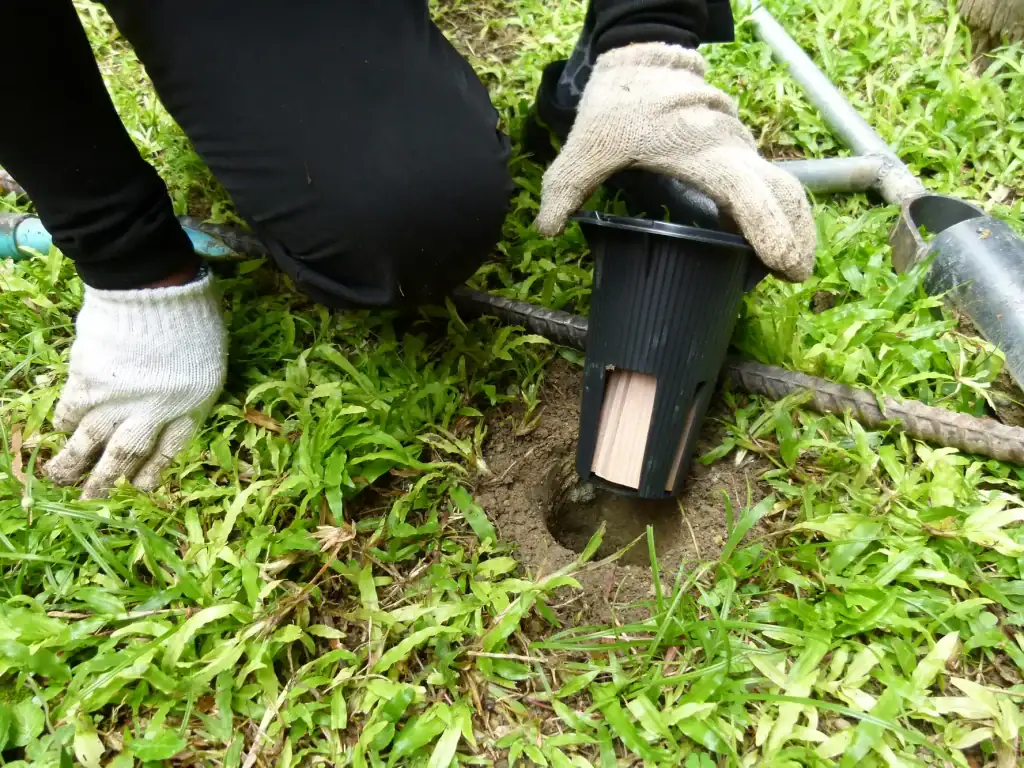
Bait systems take a different approach. Stations are installed in the ground around the perimeter of the home, and termites that find the bait carry it back to the colony as a food source. Over time, the colony is eliminated from the inside out. Bait systems require ongoing monitoring — usually quarterly or semi-annual visits — and are particularly effective for properties where liquid soil treatment isn’t practical, such as homes near wells or water features.
For drywood termites, the calculus changes. These species don’t live in the soil, so perimeter treatments don’t reach them. Localized spot treatments and borate-based wood treatments are effective for contained infestations. Whole-structure fumigation (tent fumigation) is the most thorough option for widespread drywood activity, though it requires vacating the home for several days and comes with a higher cost.
What most homeowners don’t realize is that the warranty coverage attached to each method varies significantly. Liquid treatments often come with multi-year warranties tied to annual inspections. Bait systems are typically covered on a subscription basis. Spot treatments may carry shorter coverage windows. Understanding what your warranty actually covers — and what voids it — is a conversation worth having before you sign anything.
Termites get most of the attention, but rodents are often working on the same home at the same time — and the two problems reinforce each other in ways that aren’t obvious until you’re dealing with both.
Rodents chew through insulation, wiring, and structural materials to create entry points and nesting sites. That damage creates moisture pathways and exposes wood in ways that make it more vulnerable to termite activity. Rodents also disturb soil and create tunnels that can inadvertently open new access routes for subterranean termite colonies. In homes throughout St. Lucie County, where the warm climate keeps both species active year-round, the overlap is common enough that treating one without addressing the other often leads to a repeat call.
Since 2006, we’ve been handling termite and rodent control in St. Lucie County, and one of the things we see regularly is homeowners who’ve paid for termite treatment but still have unresolved rodent activity — or vice versa. When you address both under one inspection and one treatment plan, you close the gaps that a single-focus approach leaves open. Our attic inspections look for signs of both termite damage in exposed wood and rodent activity in insulation and framing at the same time.
There’s also the insulation angle. We install T.A.P. Insulation — a Thermal Acoustical Pest Control product that contains borate, a naturally occurring mineral compound that’s lethal to termites, ants, and cockroaches on contact but safe for people and pets. It functions as both a pest deterrent and an energy-efficiency upgrade, which means it pays for itself over time in ways that a standard pesticide application doesn’t. It’s not something most pest control companies in Port St. Lucie offer, and for homeowners in Tradition or River Park who want long-term structural protection without repeated chemical treatments, it’s worth knowing about.
If you’re in Port St. Lucie, Fort Pierce, Tradition, or anywhere else in St. Lucie County, the most useful thing you can do right now is get a professional set of eyes on your home. Not because you definitely have termites, but because Florida’s termite pressure is real, year-round, and genuinely invisible until it isn’t. A free inspection costs you nothing and gives you information you can actually act on.
What you’re looking for in a company is straightforward: licensed by Florida DACS, experienced with the species active in this area, willing to explain what they found and why they’re recommending what they’re recommending, and not in a hurry to push you toward the most expensive option. Eco-friendly methods should be on the table if that matters to your family.
We’ve been doing this work in St. Lucie County since 2006. We offer free inspections for residential and commercial properties, use eco-friendly treatment methods, and back every service with a satisfaction guarantee. If you’ve already had another company out and the problem isn’t resolved, that’s exactly the kind of situation we’re built for. Give us a call — we’ll tell you honestly what we find.
Article details:
Share:
Continue learning: