Florida's year-round warmth makes flea and tick control essential for pet owners. Learn how integrated lawn care and safe treatments protect your family and pets.
Share:
Summary:
Most states get a break. Winter arrives, temperatures drop, and flea and tick populations slow down or die off. Florida doesn’t work that way. The warm, humid subtropical climate here creates perfect conditions for these pests to survive and reproduce continuously.
Fleas thrive when temperatures stay between 75 and 85 degrees with high humidity. St. Lucie County delivers that combination nearly year-round. Ticks are just as comfortable, remaining active even during what other states would call “off-season.” Unlike northern states where freezing temperatures provide natural pest control, Florida’s mild winters let fleas and ticks keep going without interruption.
That means your pets are at risk every single month. There’s no dormant period. No natural reset. Just constant exposure.

Humidity is the real accelerant. Fleas need moisture to survive, and Florida delivers. When conditions are right, a single flea can lay up to 28 eggs per day. Those eggs fall off your pet into carpets, bedding, furniture, and your yard. Within three weeks, one flea can turn into a thousand.
Ticks follow a similar pattern. The brown dog tick is the most common species in Florida and the most troublesome for pet owners. Unlike some tick species that prefer wildlife, brown dog ticks specifically target dogs. They can complete their entire lifecycle indoors, which means an infestation can establish itself inside your home if left unchecked.
Both pests go through four life stages: egg, larva, pupa, and adult. Each stage requires different conditions and presents different challenges for control. Eggs are nearly impenetrable to most insecticides, which is why a single treatment rarely solves the problem. You have to disrupt the entire lifecycle, and that takes a coordinated approach.
The warm climate also means these pests reproduce faster here than in cooler regions. Spring and summer bring peak activity, but even fall and winter see enough warmth and humidity to keep populations going. Pet owners who only treat seasonally often find themselves dealing with recurring infestations because they’re not addressing the year-round threat.
Fleas and ticks aren’t just irritating. They carry real health risks for both pets and people. Fleas can cause flea allergy dermatitis, an allergic reaction to flea saliva that leads to intense itching, hair loss, and skin infections in pets. Some pets are so sensitive that a single flea bite can trigger symptoms across their entire body.
Severe flea infestations can cause anemia, especially in young, old, or small pets. Constant feeding drains blood faster than the pet can replace it. Fleas also transmit tapeworms and diseases like murine typhus and tularemia. These aren’t common, but they’re possible, and the risk increases with heavier infestations.
Ticks present different dangers. The brown dog tick rarely bites people, but it can transmit canine ehrlichiosis and babesiosis to dogs. Other tick species in Florida, though less common, can spread Rocky Mountain spotted fever, Lyme disease, and ehrlichiosis to humans. Lyme disease cases in Florida are lower than in the Northeast, but they do occur, and the risk is growing as tick populations expand.
Children and pets spend more time on the ground, in the grass, and in areas where fleas and ticks hide. That puts them at higher exposure risk than adults. Quick removal of ticks is essential because disease transmission typically takes 24 to 48 hours of attachment. The sooner you find and remove a tick, the lower the chance of infection.
Beyond disease, there’s the quality of life issue. Pets that constantly scratch, bite, and groom themselves are uncomfortable. They lose sleep. They develop hot spots and secondary infections. Families dealing with flea infestations often find themselves vacuuming daily, washing bedding constantly, and still seeing fleas. It’s exhausting, and it’s preventable.
Treating your pet alone won’t solve a flea or tick problem. Neither will treating just your house or just your yard. These pests move between environments, and they reproduce in multiple locations. An integrated approach treats all three areas—your pet, your home, and your outdoor spaces—at the same time.
Lawn care plays a bigger role than most people realize. Fleas and ticks hide in tall grass, shaded areas, leaf piles, and overgrown vegetation. They wait for a host to pass by. A well-maintained lawn reduces the habitat they need to survive. Regular mowing, debris removal, and trimming back bushes and shrubs all make your yard less hospitable to pests.
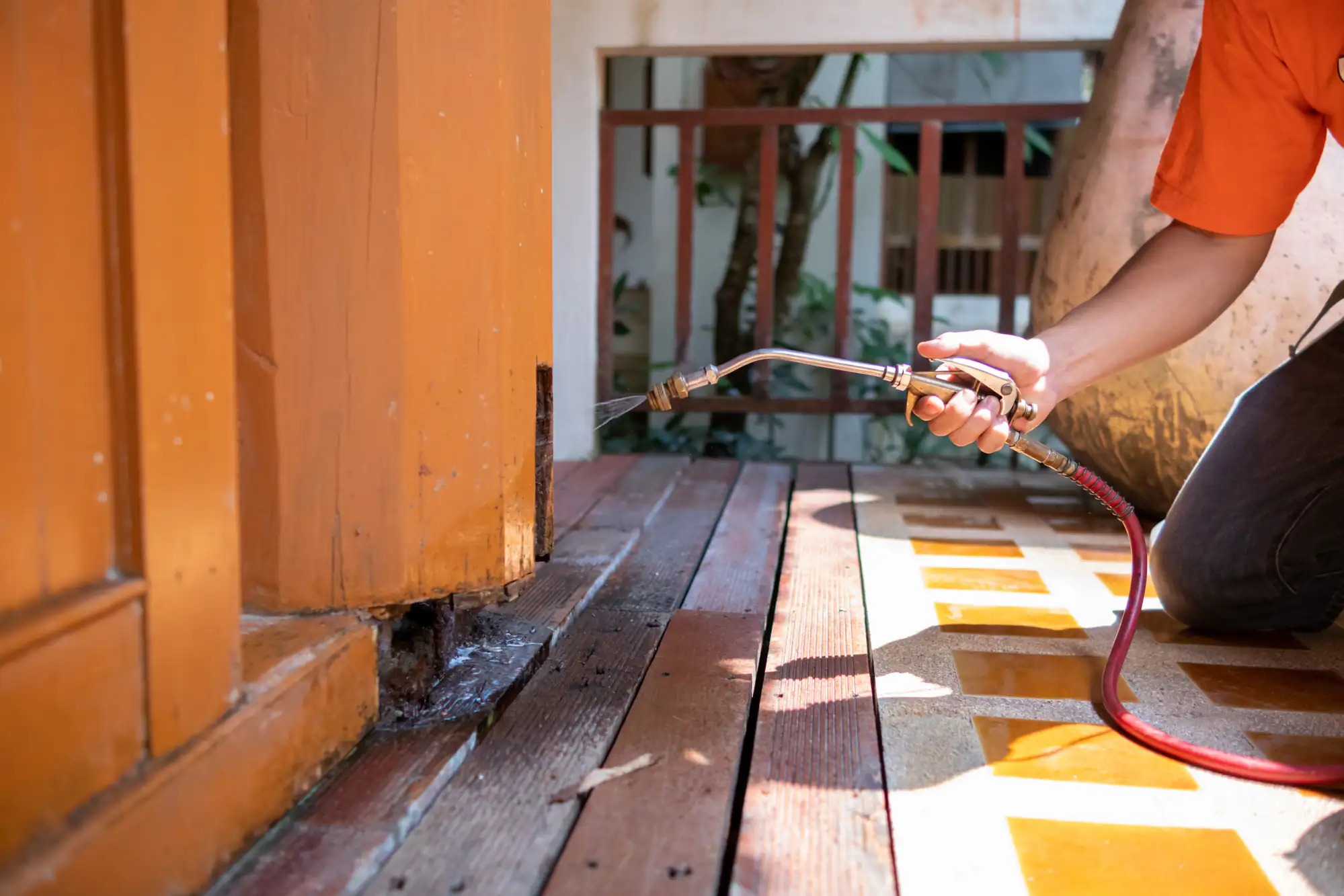
Professional treatments take it further. Targeted applications to your lawn, especially in shaded and moist areas, kill existing fleas and ticks while creating a barrier that prevents new ones from establishing. When combined with proper lawn maintenance, these treatments significantly reduce the pest population around your home.
Walk into any pet store and you’ll find shelves full of flea and tick products. Sprays, powders, shampoos, collars. Some work better than others, but most share the same limitation: they only address part of the problem.
Over-the-counter flea and tick medications for pets have become less effective in recent years. Some products that used to work well now struggle to keep up with pest populations. Whether it’s resistance or other factors, many pet owners find themselves using these products religiously and still dealing with infestations.
Yard treatments sold at retail stores face similar issues. Applying a granular product to your lawn might kill some fleas and ticks, but it often misses the areas where they actually hide. Ticks, for example, prefer to climb onto trees, bushes, and walls rather than stay in the lawn itself. A granular application on grass won’t reach them. Fleas lay eggs in shaded, moist spots that a single DIY treatment won’t penetrate.
The bigger problem is the lifecycle. Flea eggs are nearly impossible to kill with standard insecticides. They can sit dormant in your carpet, under furniture, or in your yard for weeks or months, then hatch when conditions are right. If you only treat once, you’re killing the adult fleas you can see but leaving the next generation untouched. Within a few weeks, you’re back where you started.
Professional treatments use products and application methods that target multiple life stages. They’re applied at the right concentrations, in the right locations, and on the right schedule to actually break the cycle. That’s the difference between temporary relief and lasting control.
Not all pest control treatments are created equal, especially when you have pets. You need something that kills fleas and ticks without putting your dog or cat at risk. That’s where eco-friendly, pet-safe options make a difference.
Modern pest control has moved beyond harsh chemicals. Professional-grade treatments now include options based on essential oils, botanical extracts, and refined minerals. These products work by targeting the pests’ nervous systems in ways that don’t affect mammals. They’re effective against fleas and ticks but safe for pets and people when applied correctly.
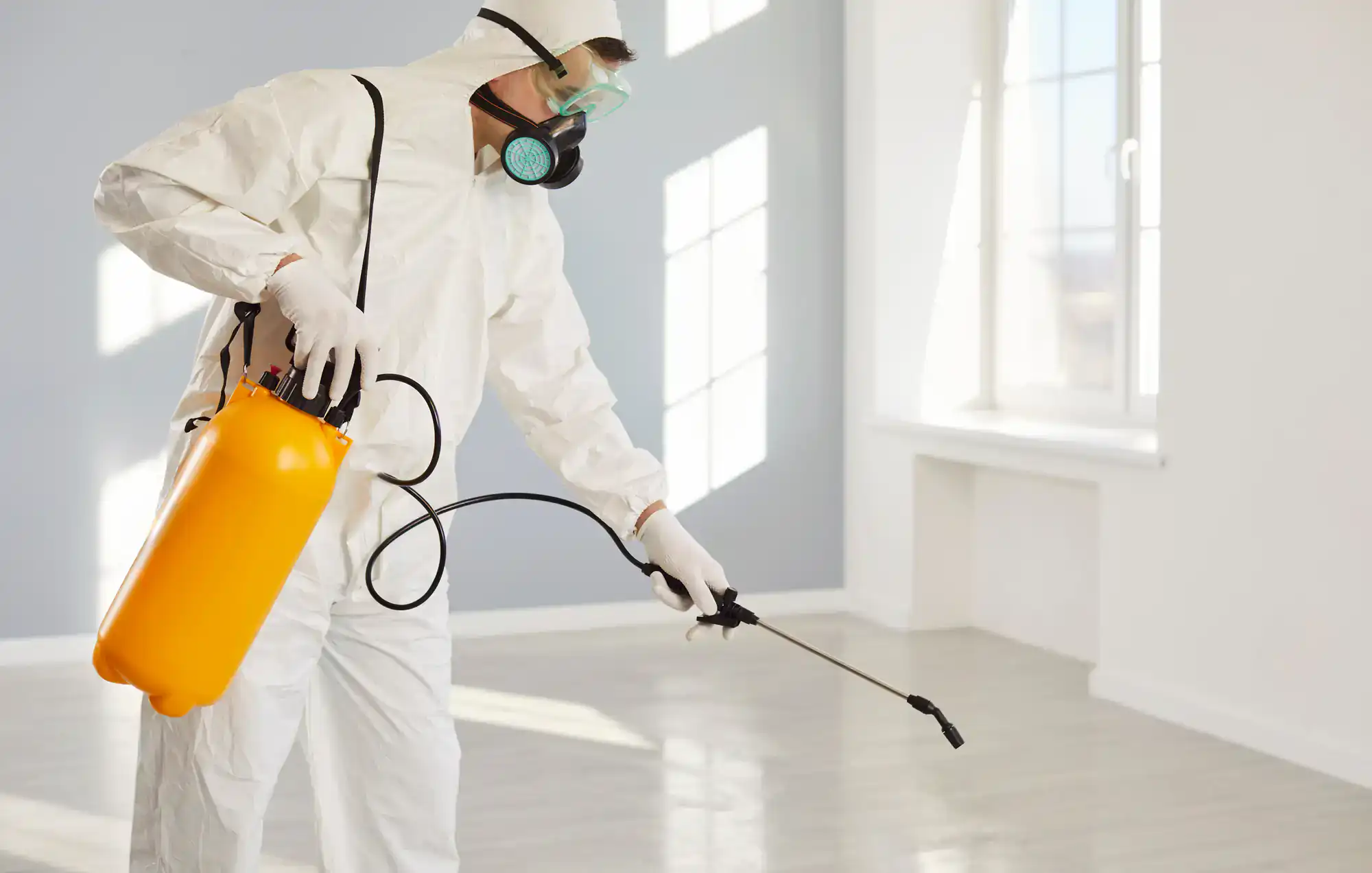
The key is proper application. Even pet-safe products need to dry before pets re-enter treated areas. Once dry, the residue stays effective against pests but poses minimal risk to your household. Professional applicators know how to treat your yard, kennel areas, and outdoor spaces in a way that maximizes pest control while minimizing exposure to your pets.
Combining yard treatments with veterinarian-recommended preventatives for your pets creates a layered defense. The preventative protects your pet directly, while the yard treatment reduces the number of fleas and ticks they encounter in the first place. Together, they’re far more effective than either approach alone.
Regular lawn maintenance also plays into pet safety. Keeping grass short reduces the shaded, moist hiding spots that fleas love. Removing leaf piles, brush, and yard debris eliminates tick habitat. Creating barriers between wooded areas and your lawn—like a strip of mulch or gravel—discourages ticks from migrating into spaces where your pets play.
Some homeowners worry about pollinators and beneficial insects. Quality eco-friendly treatments are designed to target pests like fleas and ticks without harming bees, butterflies, or other helpful species. Independent testing has confirmed that residues from plant-based pest control formulas don’t harm beneficial insects when applied properly. That means you can protect your pets and your yard without damaging the local ecosystem.
The best approach is consultation with a licensed professional who understands both pest biology and pet safety. We can assess your property, identify problem areas, and recommend a treatment plan that fits your specific situation. Whether you’re dealing with an active infestation or trying to prevent one, the right combination of treatments and maintenance makes all the difference.
Fleas and ticks aren’t going anywhere in Florida. The climate works in their favor, and they’ll keep coming back unless you take a comprehensive approach. That means treating your pets, your home, and your yard at the same time. It means understanding the lifecycle and knowing that one-time treatments rarely work.
The good news is that integrated lawn care and pest control can break the cycle. Regular maintenance, professional treatments, and pet-safe products give you the tools to protect your family and your pets year-round. You don’t have to accept constant reinfestation as normal.
If you’re dealing with fleas and ticks in St. Lucie County and need a solution that actually works, we offer eco-friendly, integrated pest control designed specifically for Florida’s climate. With nearly two decades of experience serving the Treasure Coast, we understand what it takes to keep your home and yard pest-free.
Article details:
Share:
Continue learning: