Termites silently destroy Florida homes and drain property values. Discover how termite control in St. Lucie County protects your biggest investment from costly damage.
Share:
Summary:
St. Lucie County’s climate is paradise for homeowners and termites alike. Year-round warmth and humidity mean termite colonies never go dormant. They’re eating wood in your walls, floors, and foundation 365 days a year.
Here’s what makes this particularly challenging in our area. Florida is home to some of the most aggressive termite species in the country, including Formosan termites, Eastern subterranean termites, and drywood termites. Each species attacks differently, and all of them cause serious damage if left unchecked.
The average acre of land in Florida typically contains 3 to 5 termite colonies. That’s not a maybe—that’s the reality of living here. And because termites eat wood from the inside out, most homeowners don’t realize there’s a problem until the damage is extensive.
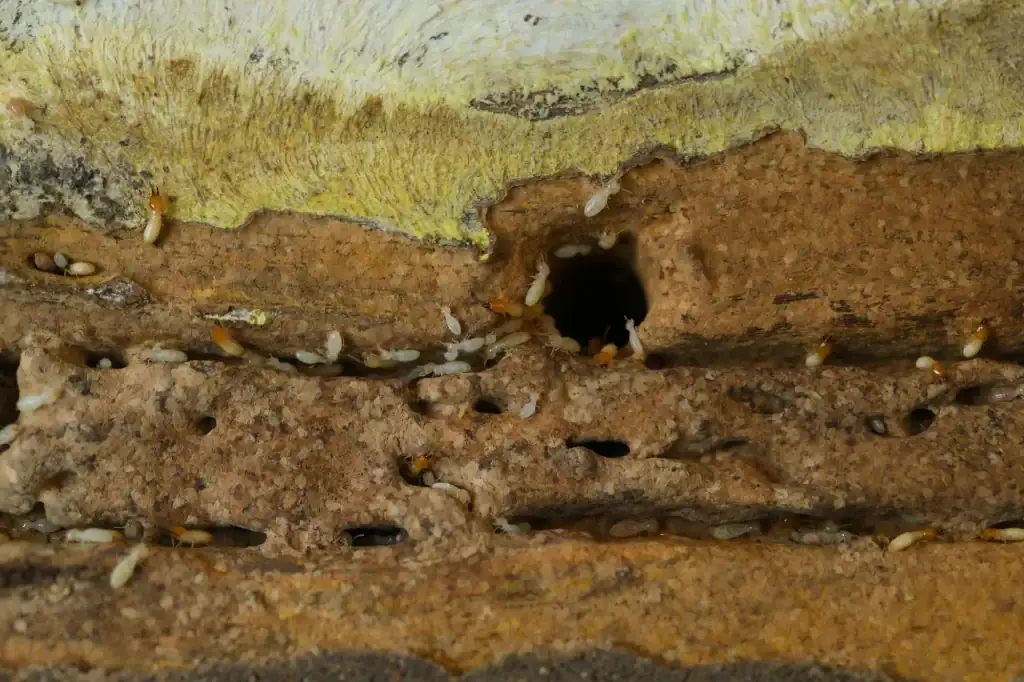
When it’s time to sell your home, termite history becomes a serious liability. Homes with documented termite damage typically see a 20% decrease in property value. That’s not a small dip—that’s tens of thousands of dollars off your asking price.
Even worse, many buyers will walk away entirely when they see termite damage on an inspection report. The ones who stay usually demand significant price reductions or insist the seller pay for all repairs before closing. And those repairs aren’t cheap. The average termite damage repair in Florida costs between $8,000 and $12,000 per incident. Severe cases can exceed $20,000.
But here’s the part that really stings: standard homeowner’s insurance doesn’t cover termite damage. You’re paying for those repairs out of pocket. And if you’re trying to sell, you’re also dealing with nervous buyers, delayed closings, and mortgage lenders who may require termite clearance letters before approving loans.
This is why prevention matters so much. The cost of professional termite control is a fraction of what you’ll pay in repairs and lost property value. Port St. Lucie homeowners typically pay around $44 per month for termite treatment—that’s $205 to $361 annually depending on home size. Compare that to an $8,000 repair bill, and the math is pretty clear.
Smart homeowners treat termite control like insurance for their property value. Because in St. Lucie County, it’s not a question of if termites will target your home—it’s when.
If you’re buying or selling a home in St. Lucie County, you’ll likely encounter a WDO inspection—that’s Wood Destroying Organism inspection in real estate speak. Banks and mortgage companies typically require these reports before approving home loans. No clean inspection, no financing.
During a WDO inspection, a licensed termite inspector examines your home’s interior and exterior for signs of active infestations or past damage. They’re looking for mud tubes on foundations, hollow-sounding wood, frass (termite droppings), discarded wings, and structural damage. They’ll check attics, crawl spaces, basements, and anywhere wood meets soil.
The inspection typically costs between $150 and $250, and it takes one to several hours depending on your home’s size. The inspector then provides a detailed report listing any findings and recommendations for treatment or repairs.
Here’s what makes this process tricky for sellers. If the inspection reveals active termites or damage, you have three options. You can treat the infestation and make repairs before closing. You can reduce your asking price to account for the problem. Or you can walk away and hope the next buyer doesn’t care—which almost never happens.
Buyers, meanwhile, use these reports as negotiating leverage. They’ll often demand the seller handle all termite-related issues before they’ll proceed. And lenders will absolutely require clearance before funding the mortgage.
This is why proactive termite control is so valuable. Annual inspections catch problems early, when they’re small and inexpensive to fix. Regular treatment prevents infestations from starting in the first place. And when it’s time to sell, you can provide documentation showing your home has been professionally protected—which reassures buyers and keeps your property value intact.
One more thing: if you’ve been living in your home for years without ever getting a termite inspection, now is the time to start. The longer termites remain hidden, the more damage they cause. And by the time you notice the problem yourself, you’re looking at extensive repairs.
Let’s talk numbers, because this is where the value of termite control becomes crystal clear. Professional termite treatment in Port St. Lucie averages $44 per month. Over a year, that’s roughly $205 to $361 depending on your home’s square footage. That covers inspection, treatment, and ongoing monitoring.
Now compare that to the cost of ignoring the problem. The average termite damage repair in Florida runs $8,000 to $12,000. Severe cases easily exceed $20,000. And remember—insurance doesn’t cover this. You’re writing that check yourself.
Here’s the other piece most people don’t consider: time. Florida’s climate allows termites to consume wood up to seven times faster than in cooler regions. What might take years to become a problem elsewhere can happen in months here. The longer you wait, the more expensive the fix becomes.
When you hire a professional termite control company in St. Lucie County, you’re getting more than just a one-time treatment. You’re getting a comprehensive protection plan designed for Florida’s unique challenges.
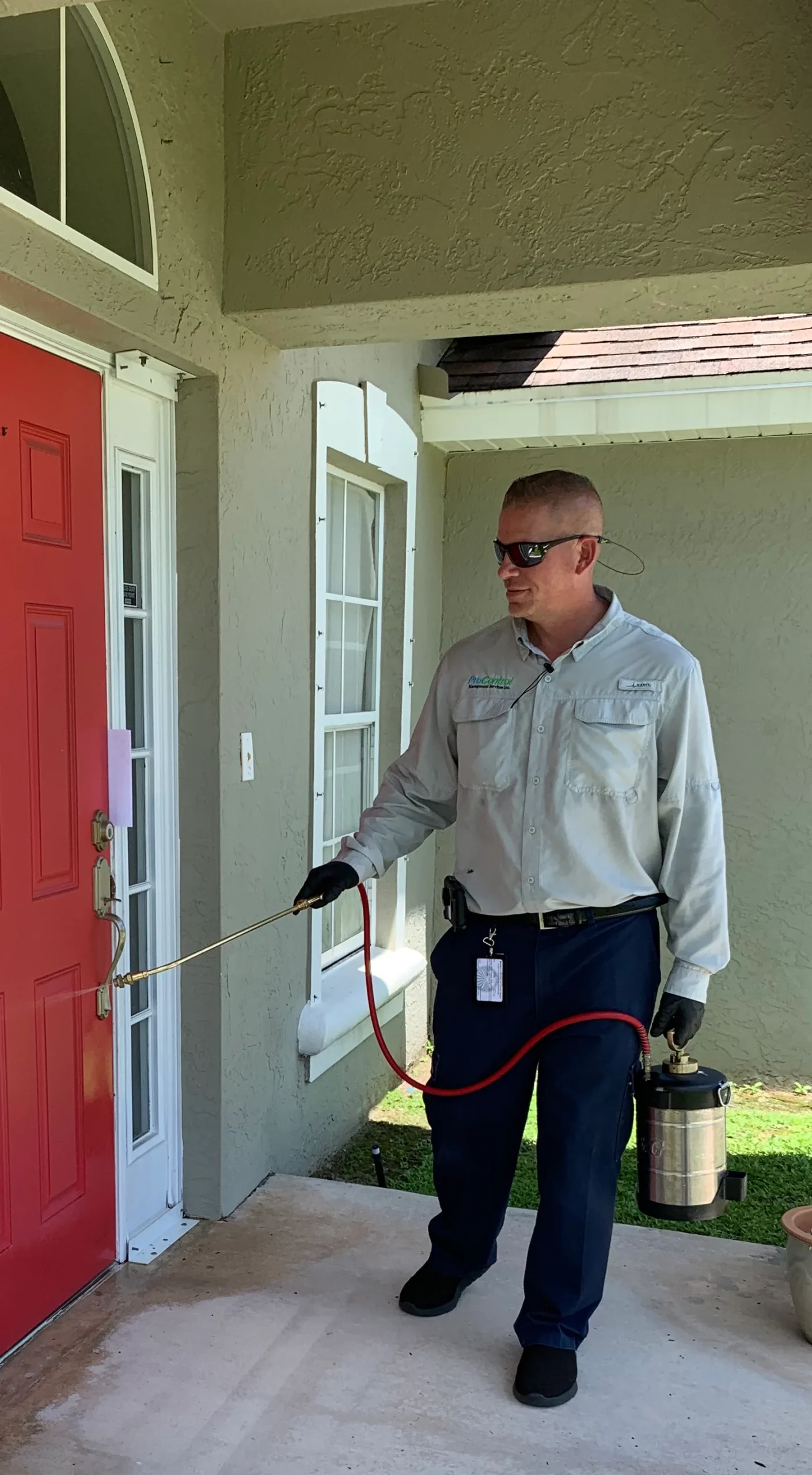
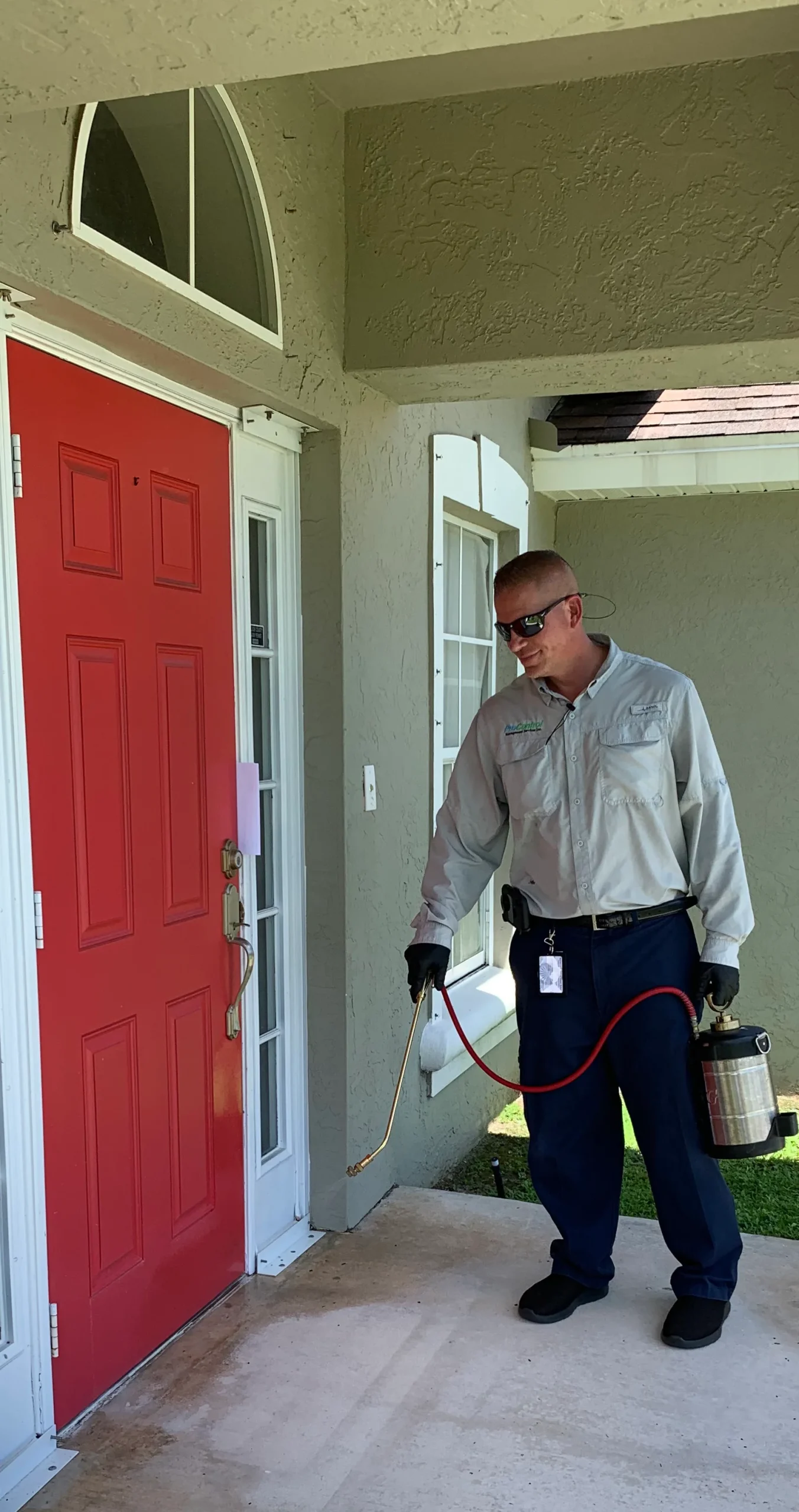
The process starts with a thorough inspection. A licensed technician examines your entire property—foundation, crawl spaces, attic, walls, anywhere termites might hide or enter. They’re looking for active infestations, conditions that attract termites, and vulnerable areas that need protection.
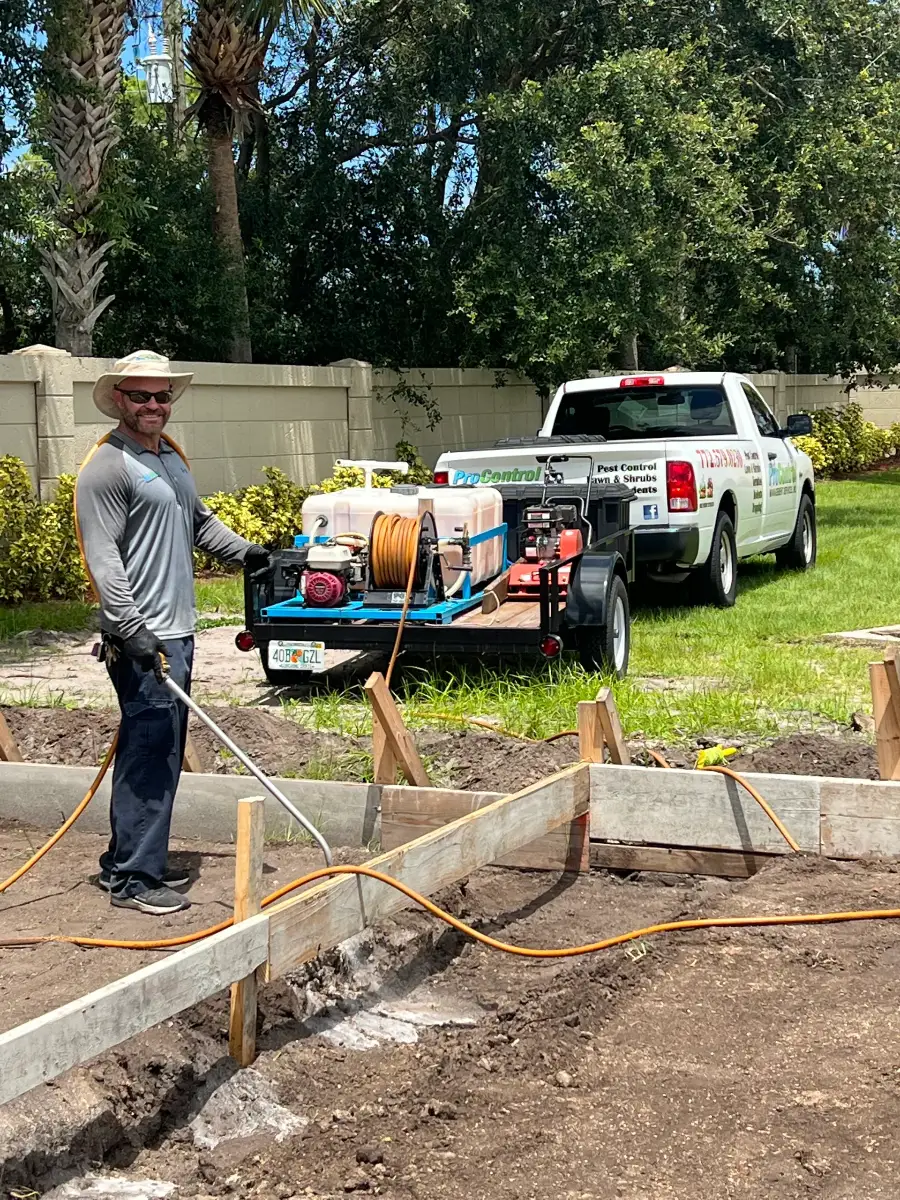
If they find an existing infestation, treatment depends on the termite species. Subterranean termites typically require liquid treatments that create a barrier in the soil around your foundation, or bait systems that eliminate entire colonies. Drywood termites might need localized treatments or, in severe cases, fumigation.
But here’s what separates good termite control from just spraying chemicals and hoping for the best: prevention. Professional companies don’t just kill the termites you have. They protect your home from future infestations.
That means treating the soil before termites can establish colonies. Installing monitoring stations around your property. Sealing entry points where termites commonly invade. And conducting regular follow-up inspections to catch new activity before it becomes expensive.
Most reputable companies also offer warranties or guarantees. If termites return between scheduled treatments, they’ll re-treat at no additional cost. Some even cover damage repairs if their treatment fails—though that’s rare when the work is done correctly.
The best part? Modern termite treatments are far more eco-friendly than they used to be. At ProControl Management Services, we use environmentally responsible methods that are safe for your family, pets, and the surrounding ecosystem. You’re protecting your home without introducing harsh chemicals into your living space.
Prevention is always cheaper than treatment. And while professional termite control is your best defense, there are practical steps you can take to make your home less attractive to termites in the first place.
Start with moisture control. Termites need water to survive, so fix leaky faucets, repair roof damage, and make sure your gutters drain properly. Keep your crawl space ventilated and dry. If you have standing water near your foundation, address the drainage issue.
Next, eliminate wood-to-ground contact. That means keeping firewood, lumber, and mulch at least 30 feet away from your home’s foundation. Don’t let mulch touch your siding. Remove old tree stumps from your property—they’re termite magnets.
Seal entry points. Termites can squeeze through cracks as small as 1/32 of an inch. Walk around your foundation and seal any gaps you find. Pay special attention to areas where utilities enter your home, like pipes and electrical wires.
Keep an eye on your landscaping. Tree branches that touch your roof or siding create highways for termites to access your home. Trim them back. And if you’re planting new shrubs or trees, give them space from your foundation.
Finally, schedule annual professional inspections. Even if you’re doing everything right, a trained technician can spot early warning signs you’d miss. They’ll check for mud tubes, frass, hollow-sounding wood, and conditions that attract termites. Catching an infestation in the early stages means smaller treatment costs and less damage to repair.
These prevention strategies work, but they’re not foolproof. In St. Lucie County’s climate, termites are persistent. That’s why combining good maintenance habits with professional termite control gives you the best protection. You’re creating multiple layers of defense instead of relying on any single approach.
Your home is more than a place to live. It’s your largest financial investment, and in St. Lucie County, termites pose a real threat to that value. But here’s the good news: professional termite control works. It protects your property, prevents costly damage, and preserves your home’s resale value.
The key is being proactive. Don’t wait until you see mud tubes on your foundation or hear hollow sounds when you tap your walls. By then, the damage is already happening. Annual inspections catch problems early. Regular treatment prevents infestations from starting in the first place. And working with a licensed, experienced company means you’re getting solutions designed for Florida’s specific challenges.
If you’re concerned about termites, preparing to buy or sell a home, or simply want to protect your investment, we can help. Since 2006, we’ve been protecting homes throughout the Treasure Coast with eco-friendly termite control solutions backed by a satisfaction guarantee. We offer free estimates and 24/7 emergency services when you need them most. Don’t wait until termites cost you thousands—reach out to us today.
Article details:
Share:
Continue learning: