Termite damage starts silently but escalates fast. Discover the warning signs, timelines, and proven prevention strategies that protect your Florida home.
Share:
Summary:
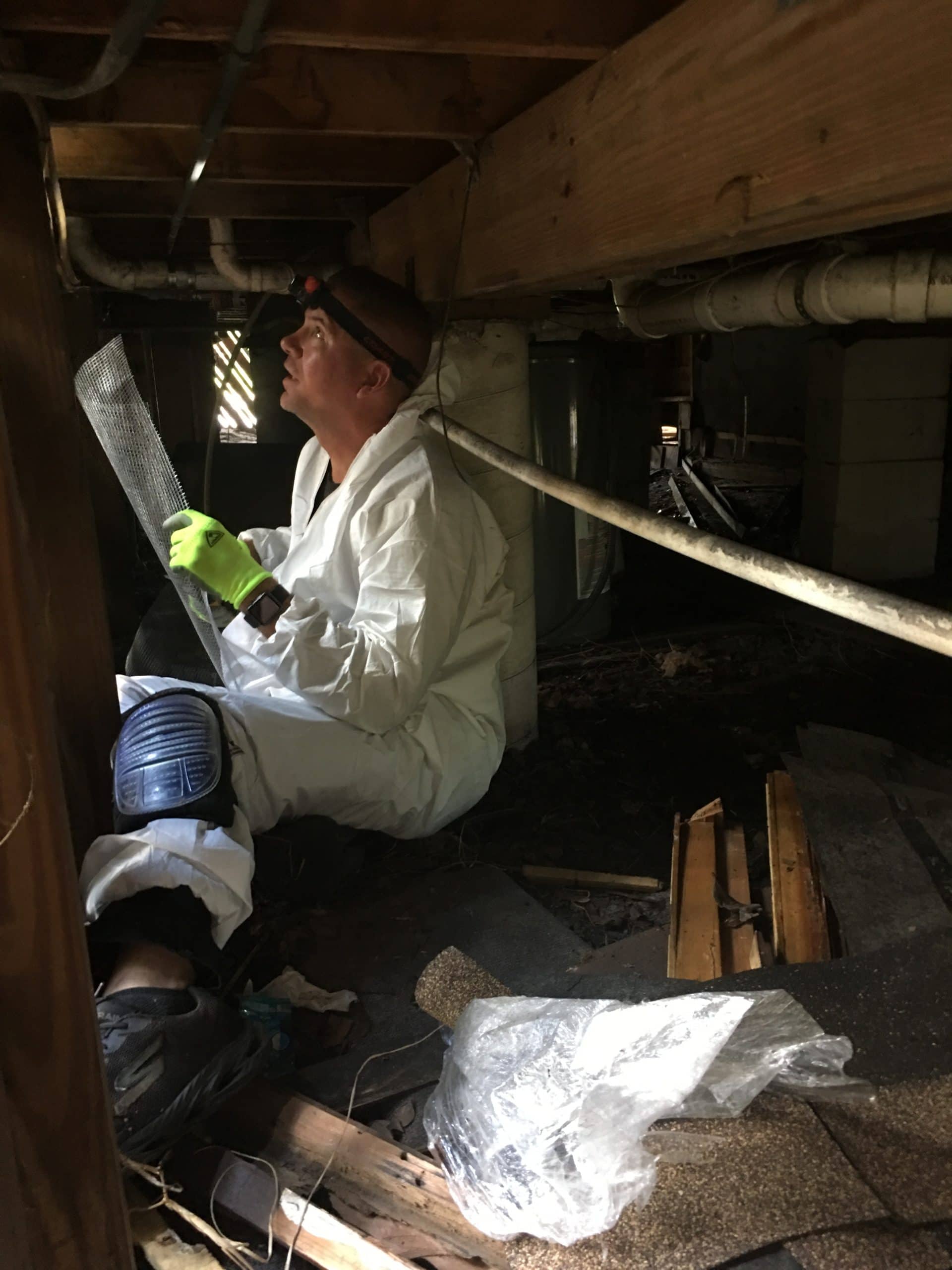
Termite damage doesn’t announce itself. These pests work from the inside out, which means by the time you see obvious signs, they’ve likely been feeding for months. The tricky part is that early damage often gets mistaken for water damage or normal wear and tear—something even professional home inspections can miss without specific termite training.
Wood that sounds hollow when you tap it is one of the most reliable indicators. Termites consume wood internally while leaving a thin outer shell intact, so surfaces might look fine until you apply pressure or knock on them. You might also notice wood that appears blistered, warped, or has visible tunnel patterns running along the grain.
Paint that bubbles or peels without an obvious moisture source can signal termite activity beneath the surface. Doors and windows that suddenly stick or won’t close properly might mean the wood framing has been compromised. These aren’t always termite-related, but in Florida, it’s worth investigating further.
Subterranean termites are the most common species in St. Lucie County, and they leave specific calling cards. These termites live underground and need moisture to survive, so they build mud tubes to travel between their colony and your home’s wood. Think of these tubes as their protected highways.
You’ll typically find mud tubes along foundation walls, in crawl spaces, near pipes, or anywhere wood meets soil. They’re about the width of a pencil and made from soil, wood particles, and termite saliva. If you break off a section of an active tube, the termites will repair it within days—that’s how you know you’re dealing with a current infestation, not old evidence.
Subterranean termites also leave behind discarded wings near windows, doors, and light sources. These wings come from swarmers—reproductive termites that fly out to establish new colonies. After they find a suitable spot, they shed their wings and burrow in. Piles of these translucent wings, especially in spring, mean a colony is either nearby or already inside your walls.
Look for these signs in areas with higher moisture levels. Bathrooms, kitchens, laundry rooms, and anywhere you’ve had plumbing leaks are prime real estate for subterranean termites. The humidity in Florida already gives them ideal conditions, so any additional moisture makes your home even more attractive. Check your foundation regularly, especially after heavy rains when soil moisture levels spike and termite activity increases.
Drywood termites operate differently than their subterranean cousins. They don’t need soil contact or extra moisture—they get everything they need from the wood itself. This makes them harder to detect because they don’t build mud tubes, and they can infest dry wood in attics, furniture, and window frames without any ground-level warning signs.
The telltale sign of drywood termites is frass, which is essentially termite droppings. Unlike subterranean termites that use their waste to build tubes, drywood termites push their fecal pellets out of small holes near their tunnels. These droppings look like tiny piles of sand, sawdust, or coffee grounds. You’ll often find them on windowsills, near door frames, or below wooden furniture.
The pellets are uniform in size and have six concave sides, though you’d need a magnifying glass to see that level of detail. What matters is that if you’re constantly sweeping up what looks like sawdust in the same spot, and you haven’t been sanding or cutting wood nearby, you’re probably looking at termite frass. The piles accumulate over time as the colony grows and creates more waste.
Drywood termites also create small, round exit holes in wood surfaces—usually about 1/8 inch in diameter. These kick-out holes are where they push the frass through, and they’re often found in furniture, wooden trim, or structural beams in your attic. Tap on any wood where you find these holes. If it sounds hollow or feels soft when you press on it, the internal damage is likely extensive. Don’t ignore these signs just because they seem small or isolated. Drywood termite colonies might be smaller than subterranean colonies, but they can still cause serious structural damage over time, especially in Florida where they’re active year-round.
The timeline for termite damage depends on several factors: colony size, termite species, environmental conditions, and how much wood is available. A small colony might take years to cause noticeable damage, while a large, established colony can compromise structural integrity in months.
Most termite colonies need about five years to grow large enough to cause significant damage. But that doesn’t mean you have five years to react once you spot signs. By the time you notice mud tubes, frass, or hollow-sounding wood, the colony has likely been established for a while. You’re seeing the results of months or years of activity, not the beginning of the problem.
In Florida’s climate, termites stay active year-round. There’s no winter slowdown like in northern states. This constant activity means damage accumulates faster here than in most other parts of the country, and it’s why termite treatment can’t wait once you’ve identified an issue.
A mature termite colony can consume about two to three grams of wood per day. That sounds minimal until you do the math over months and years. A colony with 60,000 workers can eat through about one foot of a 2×4 piece of wood in roughly six months under ideal conditions.
For most homeowners, minor to moderate damage shows up within six to twelve months of an active infestation. This might include surface damage to trim, slight weakening of structural members, or cosmetic issues that don’t yet threaten your home’s integrity. If the infestation goes undetected, significant damage typically appears within three to eight years, depending on colony size and location.
Formosan termites are the exception. This aggressive species forms massive colonies—sometimes containing millions of workers—and they can cause extensive structural damage in less than six months in the right conditions. They’re less common in Port St. Lucie than other species, but they’re present in Florida and worth mentioning because of how quickly they work.
The real danger isn’t just the timeline—it’s that most damage happens where you can’t see it. Termites prefer to stay hidden inside walls, under floors, and in crawl spaces. By the time you notice sagging floors, buckling walls, or doors that won’t close, the internal damage is already substantial. This is why annual inspections matter so much in Florida. Catching an infestation in the first six months versus the third year makes an enormous difference in both treatment complexity and repair costs.
Florida’s warm, humid climate creates perfect conditions for termites. They thrive in temperatures above 75 degrees with high moisture levels—exactly what we have here most of the year. While other states deal with seasonal termite activity, Florida properties face year-round pressure.
The average acre of land in Florida contains three to five termite colonies. That means multiple colonies are likely active near your property right now, constantly searching for new food sources. Your home doesn’t need to be old or poorly maintained to attract them. Termites don’t discriminate. They’ve been found in brand new construction within months of completion.
St. Lucie County’s subtropical climate means both subterranean and drywood termites are common. Subterranean termites love our soil moisture levels, especially during rainy season. Drywood termites don’t need the moisture, so they’re active in drier areas like attics and upper floors. You’re essentially dealing with threats from multiple angles.
Wood-to-soil contact is another major risk factor here. Mulch beds against your foundation, wooden deck posts touching the ground, firewood stored near your house—all of these create easy access points for subterranean termites. They don’t have to search hard when you’re essentially building them a bridge. Even small cracks in your foundation, gaps around utility lines, or spaces where different building materials meet give termites entry points. A crack the width of a credit card is all they need.
The combination of year-round activity, multiple termite species, high colony density, and construction methods that often include wood-to-soil contact makes Florida one of the highest-risk states for termite damage. Homeowners here can’t afford to be reactive. By the time you notice a problem without regular inspections, you’re already behind.
Termite damage doesn’t fix itself, and waiting only makes the problem worse. The difference between catching an infestation in the first few months versus a few years can mean thousands of dollars and significantly less stress. Annual termite inspections give you the early warning system you need, especially in St. Lucie County where termites are active every single month.
If you’ve noticed any of the warning signs—hollow-sounding wood, mud tubes, frass, or unexplained structural changes—don’t wait to investigate. Most homeowners insurance doesn’t cover termite damage because it’s considered preventable. That means you’re paying for repairs out of pocket, and those costs add up fast. Professional termite control addresses the root of the problem, not just the visible symptoms, and eco-friendly treatment options mean you don’t have to choose between effectiveness and safety for your family.
We’ve been protecting Treasure Coast homes since 2006 with solutions that actually work. Our team understands the specific termite challenges Port St. Lucie homeowners face, and we offer free estimates so you know exactly what you’re dealing with before making any decisions. Getting professional help now prevents much bigger problems down the road.
Article details:
Share:
Continue learning: