Wildlife intrusions threaten your property and family's health. Combining humane removal with exclusion techniques creates protection that actually lasts.
Share:
Summary:
Your home offers exactly what wildlife needs. Shelter from predators and weather. Access to food. Quiet spaces to raise young.
In St. Lucie County, FL, expanding suburban development pushes raccoons, squirrels, and opossums closer to residential areas. As natural habitats shrink, these animals adapt to urban environments. Your attic mimics a hollow tree. Your crawlspace works like a den. Your garbage provides easy meals.
They don’t need much to get inside. A gap in your roofline. A damaged vent. A small opening near your foundation. Once they find it, they’ll use it repeatedly, and other animals will follow.
Animals don’t break through locked doors. They find weaknesses in your home’s exterior that most homeowners never notice until there’s a problem.
Roof vents and soffits are prime targets for squirrel and raccoon removal situations. These animals tear through damaged screens or exploit gaps where soffit meets roofline. If your attic vent has a broken cover or deteriorated screen, it’s an open invitation. Ridge vents, gable vents, and exhaust vents all create potential access points when covers aren’t properly secured.
Chimneys without caps give animals direct routes inside. Raccoons climb down chimneys easily, and once they’re in, removal becomes significantly more complicated. Birds and squirrels also use uncapped chimneys as nesting sites. This is one of the most common wildlife removal calls in Port St. Lucie.
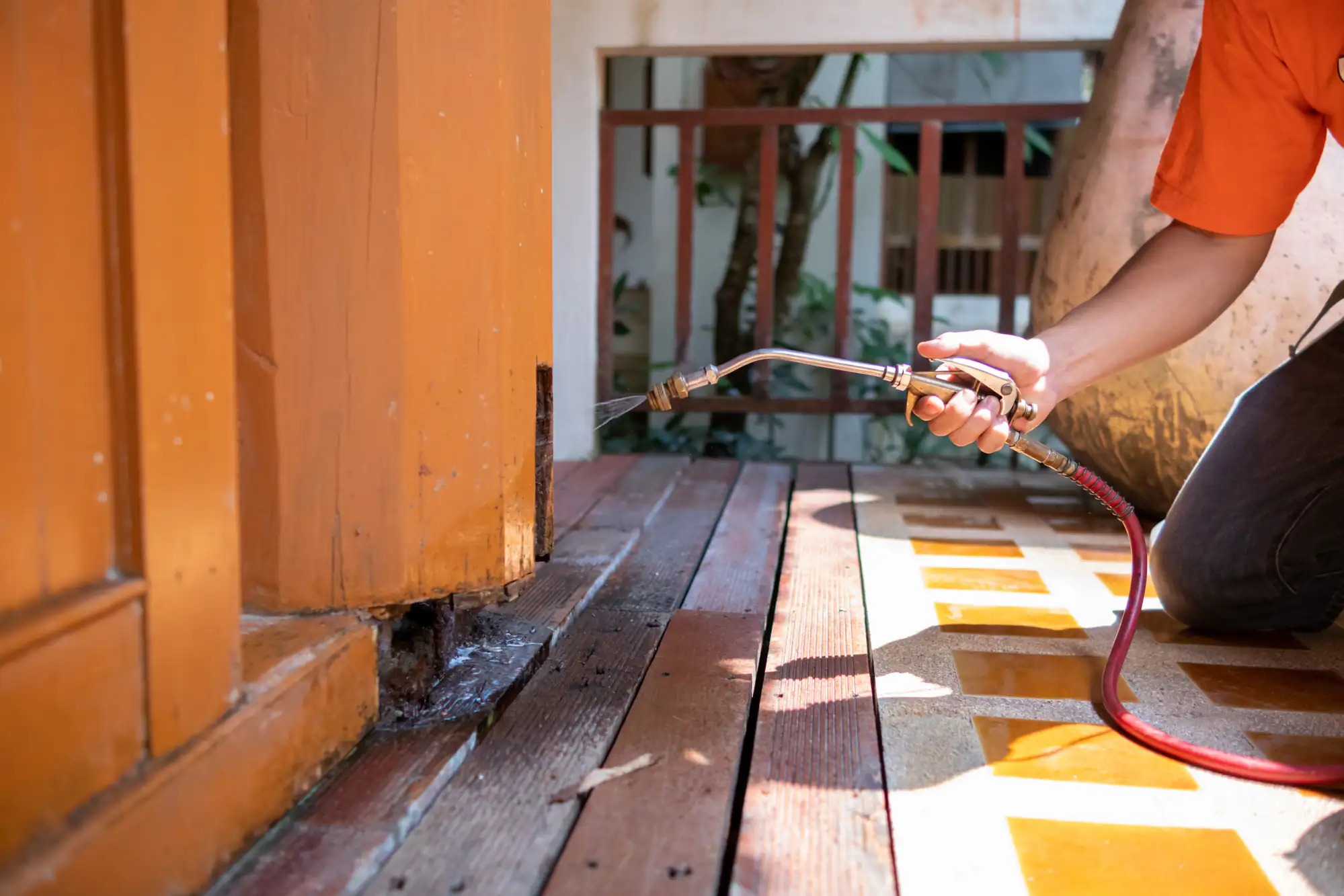
Foundation cracks and crawlspace openings attract animals seeking ground-level shelter. Opossums and skunks dig under decks, porches, and sheds if areas aren’t properly sealed. Even small gaps around utility lines, pipes, or cables can be enlarged by persistent animals.
Damaged fascia boards, loose siding, and gaps around windows or doors provide additional entry opportunities. Raccoons have dexterous paws and can pry open weak spots. Squirrels gnaw through wood and plastic to create or enlarge openings. If your home has exterior damage from weather, age, or previous pest activity, wildlife will find and exploit it.
The problem compounds when animals are inside. They don’t stay in one spot. They explore. They chew. They create new damage that opens more entry points. What starts as one small gap can turn into multiple access routes throughout your home.
The scratching sounds are annoying. The smell is worse. But actual damage goes far beyond what you can see or hear from below.
Electrical wiring becomes a chew toy. Squirrels and rats gnaw on wires constantly, sometimes from curiosity, sometimes to keep teeth from overgrowing. Exposed or damaged wiring creates legitimate fire hazards. House fires from rodent damage to electrical systems happen more often than most people realize, and insurance companies won’t be sympathetic if the problem was preventable.
Insulation gets destroyed quickly. Animals tear it apart to build nests, compact it with movement, and contaminate it with urine and feces. Damaged insulation loses effectiveness, which means your HVAC system works harder and energy bills climb. Replacing attic insulation after a wildlife infestation can cost thousands of dollars.
Ductwork suffers too. Raccoons are particularly destructive, tearing holes in air conditioning ducts as they move through attics. This forces your system to work overtime cooling spaces now leaking conditioned air into unconditioned attics. The efficiency loss shows up immediately in utility bills.
Structural wood can be compromised. While termites get more attention for wood damage, wildlife causes significant problems too. Squirrels gnaw on roof joists and rafters. Raccoons tear at wood around entry points to make them larger. Over time, this weakens your home’s structure.
Health hazards accumulate. Animal waste carries bacteria, parasites, and potential diseases. Raccoon feces can contain roundworm eggs that remain infectious for years. Bat droppings can harbor histoplasmosis spores. Even after animals are gone, contamination remains unless properly cleaned and sanitized.
Water damage often follows wildlife intrusions. Animals damage roof materials, creating leaks. They tear through vapor barriers. They block soffit vents, disrupting attic ventilation and leading to moisture problems. Once water gets into your attic or walls, you’re dealing with mold, rot, and structural issues extending far beyond the original wildlife problem.
The financial impact adds up fast. Between structural repairs, insulation replacement, electrical work, and potential HVAC duct repairs, a wildlife infestation unaddressed for even a few months can result in repair bills reaching thousands. That doesn’t include ongoing energy waste from damaged insulation or potential health costs if someone in your household is exposed to contaminated materials.
Effective wildlife removal isn’t just about catching the animal. It’s about understanding behavior, identifying all problems, and implementing solutions that prevent recurrence.
The process starts with thorough inspection. We examine your entire property, looking for active entry points, potential vulnerabilities, signs of current activity, and evidence of damage. We check your roofline, vents, foundation, and structures like sheds or decks. We look for tracks, droppings, fur, grease marks, and damage patterns that identify species and problem extent.
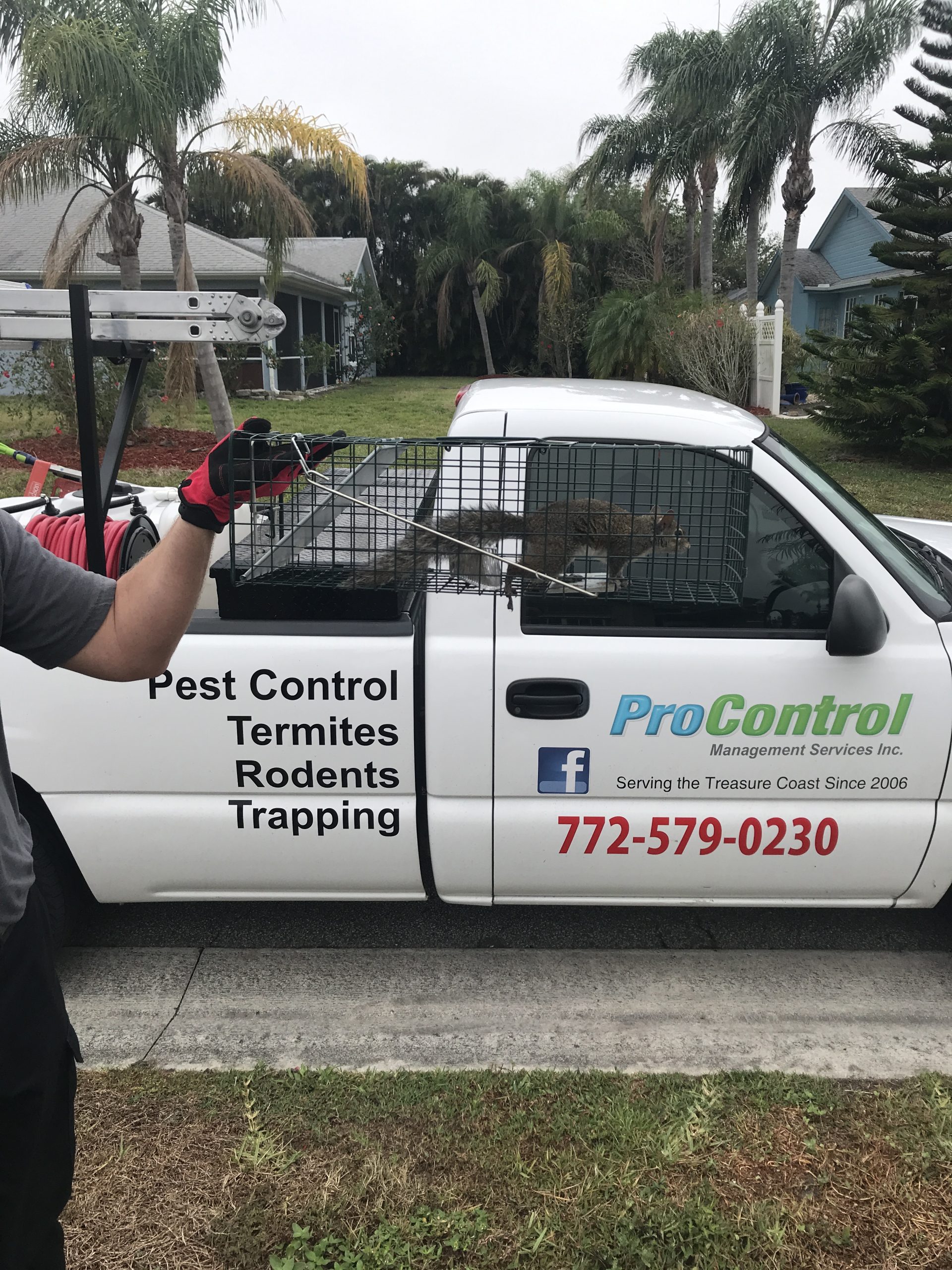
Humane animal control methods depend on the situation. Sometimes it’s live trapping. Sometimes it’s exclusion devices that let animals exit but prevent re-entry. If babies are involved, the approach changes entirely because separating mothers from young creates additional problems. Florida regulations also dictate how certain species must be handled, which is why working with licensed professionals matters.
You can remove every animal on your property today, but without exclusion work, new animals move in tomorrow. Exclusion separates temporary fixes from permanent solutions.
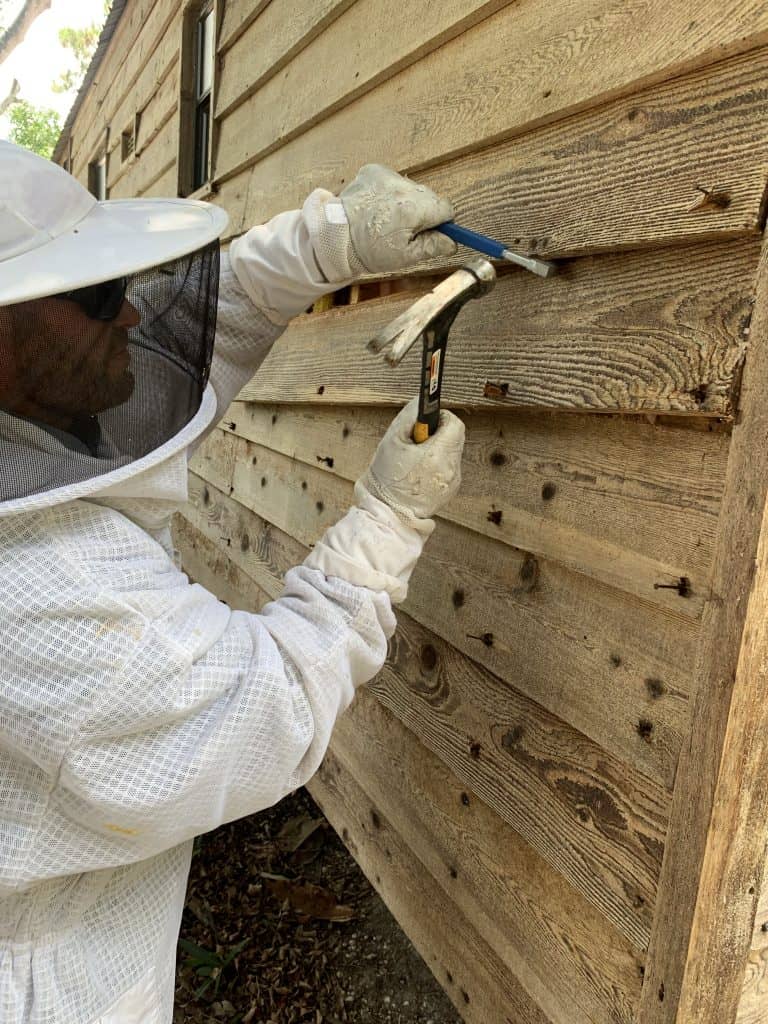
Exclusion means sealing every entry point with materials wildlife can’t breach. This isn’t about stuffing foam in a hole and hoping for the best. Professional exclusion uses heavy-gauge steel mesh, metal flashing, and other durable materials specifically designed to withstand gnawing, scratching, and persistent animals. Materials must hold up against Florida’s heat, humidity, and weather while remaining effective for years.
Every opening gets addressed. That includes obvious entry points where animals currently get in, but also potential vulnerabilities they haven’t exploited yet. Once you seal the main entrance, animals search for alternative routes. If those exist, they’ll find them. Comprehensive exclusion means identifying and securing every possible access point before animals discover them.
The work must be done correctly. Improper exclusion can trap animals inside, creating entirely new problems. If babies are in a nest, they need location and removal before sealing entry points, or they’ll die inside your walls or attic. The smell alone from a dead animal in an inaccessible space is enough to make your home uninhabitable, and removal becomes exponentially more difficult and expensive.
Timing matters too. Some exclusion work needs to happen during specific seasons to avoid trapping dependent young. Florida wildlife breeds throughout much of the year due to warm climate, but there are still optimal times for exclusion depending on species. We understand these patterns and schedule work accordingly.
One-way doors are sometimes part of the solution. These devices allow animals currently inside to exit but prevent re-entry. It’s a humane approach avoiding trapping, but only works when installed correctly and when all other potential entry points are already sealed. Otherwise, animals just find another way back in.
Exclusion also includes habitat modification around your property. Trimming tree branches providing roof access. Securing garbage cans. Removing outdoor food sources like pet food or bird feeders attracting wildlife. Fixing drainage issues creating standing water. These steps reduce factors drawing animals to your property in the first place.
The investment in proper exclusion pays for itself. Yes, it costs more upfront than just trapping an animal. But trapping without exclusion means you’ll pay for removal again in weeks or months when the next animal moves in. Exclusion done right is a one-time expense protecting your property permanently.
Getting animals out is only part of the job. What they left behind needs addressing, and your home needs protection against future intrusions.
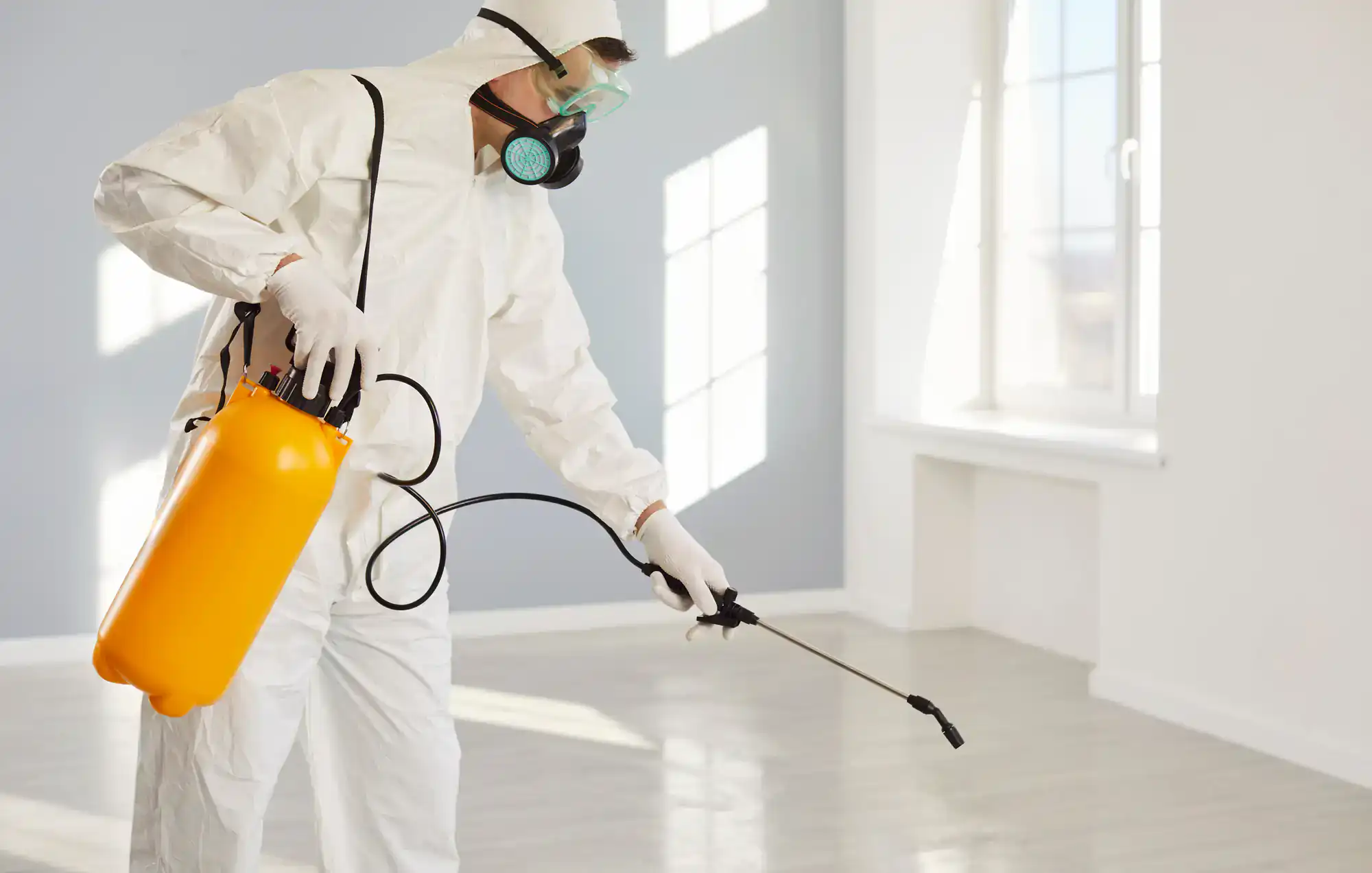
Cleanup and sanitation come next. Depending on how long animals were present and damage extent, this ranges from minor to extensive. Animal waste needs removal. Contaminated insulation may need replacement. Affected areas should be treated with antimicrobial solutions to eliminate bacteria and odors. This isn’t just about smell. It’s about removing health hazards and eliminating scent markers that might attract other animals.
Some situations require attic restoration. If insulation is heavily damaged or contaminated, replacement makes sense for both health reasons and energy efficiency. If animals damaged ductwork, that needs repair or replacement. If they chewed through wiring, an electrician needs to assess and fix damage before it becomes a fire risk.
Repairs to your home’s exterior are essential. Any damage to soffits, fascia, roofing materials, or siding needs fixing. These repairs should use materials more resistant to wildlife damage than what was there before. This is your opportunity to upgrade vulnerable areas so they’re less likely to fail again.
Documentation matters if you’re filing insurance claims. Most homeowners insurance doesn’t cover wildlife damage, but there are exceptions depending on your policy and circumstances. We can provide detailed documentation of damage, which helps if you do have coverage.
Follow-up inspections provide peace of mind. We return after initial work to verify exclusion is holding up and no new activity has occurred. This catch-any-missed-spots period is when you find out if the job was done thoroughly or if vulnerabilities still need attention.
Prevention planning helps long-term. We’ll give you specific recommendations for your property. Maybe it’s maintaining tree trimming. Maybe it’s upgrading certain vents or screens. Maybe it’s addressing drainage issues creating conditions wildlife finds attractive. These aren’t upsells. They’re practical steps reducing your risk of future problems.
The goal is returning your home to a condition where wildlife can’t get in and any damage they caused has been properly repaired. That’s what complete wildlife removal looks like. Not just an empty trap, but a protected home.
Wildlife removal without exclusion is just a temporary fix. The scratching stops for a while, but entry points remain, and the next animal finds them eventually. Real protection addresses both the immediate problem and underlying vulnerabilities.
Professional wildlife removal combines humane trapping, comprehensive exclusion, necessary repairs, and prevention strategies. It’s about understanding animal behavior, knowing Florida regulations, using proper materials, and doing work thoroughly enough that it actually lasts.
If you’re dealing with wildlife on your property in St. Lucie County, FL, or want to prevent problems before they start, we offer the expertise and solutions you need. Since 2006, we’ve been protecting homes in the Treasure Coast area with eco-friendly methods, 24/7 emergency response, and a satisfaction guarantee on all services.
Article details:
Share:
Continue learning: