Lawn and shrub care isn't just about curb appeal—it's your first line of defense against pests that live in turf, soil, and bushes throughout St. Lucie County.
Share:
Summary:
Most people think of pest control and lawn care as separate services. One company sprays for bugs. Another fertilizes the grass. But in Florida, that approach misses the bigger picture.
Pests don’t just show up randomly. They’re drawn to specific conditions—thin turf, compacted soil, poor drainage, overgrown shrubs. When your lawn is stressed or unhealthy, it becomes a breeding ground for insects that feed on roots, blades, and foliage. Chinch bugs thrive in dry, sunny patches. Mole crickets tunnel through weak root systems. Fleas and ticks hide in tall grass and dense shrubs.
Integrated lawn and pest management flips the script. Instead of reacting to infestations after they happen, you’re building a landscape that naturally resists pests. Proper fertilization strengthens grass so it can recover from insect damage. Regular treatments target pests where they live—in the soil, along fence lines, under bushes—before they migrate toward your home. Healthy shrubs are less attractive to aphids, whiteflies, and scale insects that spread to other plants.
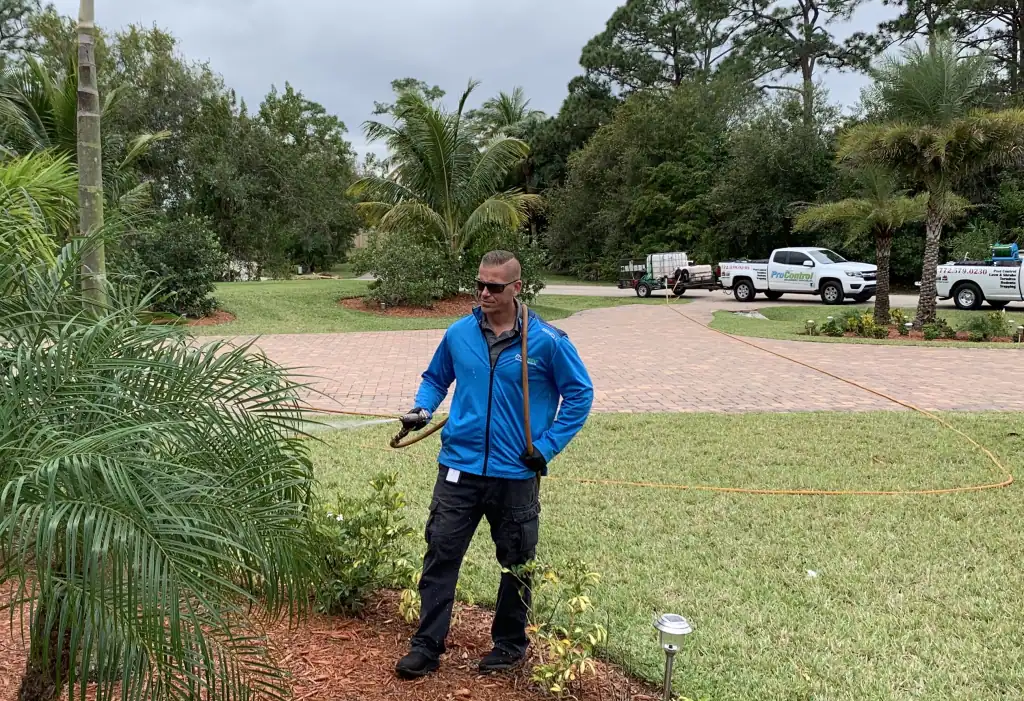
If you’re seeing brown patches, thinning grass, or mysterious damage to shrubs in Port St. Lucie, you’re likely dealing with one of several common Florida lawn pests. Understanding what you’re up against makes treatment more effective.
Chinch bugs are tiny insects that suck juice from grass blades and inject toxins that kill the plant. They prefer St. Augustine grass and thrive in hot, dry conditions. You’ll notice yellowing patches that quickly turn brown, usually starting in the sunniest parts of your yard. Left untreated, chinch bugs can destroy large sections of turf in just a few weeks.
Mole crickets are another major problem in Florida lawns. These insects tunnel through soil, feeding on grass roots and shoots. Bahia and Bermuda grass are their favorites. The tunneling dislodges plants and causes them to dry out, leaving irregular brown trails across your lawn. You might also notice small mounds of soil or spongy areas when you walk on the grass.
Fire ants build mounds in open, sunny areas and deliver painful stings when disturbed. They’re not just a nuisance—they’re a health risk, especially for children and pets. Their colonies can spread quickly if not controlled.
Sod webworms are caterpillars that feed on grass blades at night, leaving irregular brown spots and chewed edges. You might see small moths flying low over the lawn at dusk, which is a sign of webworm activity.
Fleas and ticks don’t damage your lawn, but they thrive in it. Tall grass, leaf litter, and shaded areas near shrubs provide perfect hiding spots. These pests pose serious health risks, carrying diseases and causing discomfort for pets and people.
Shrubs and ornamental plants face their own threats. Aphids, whiteflies, and scale insects feed on plant sap, weakening growth and spreading disease. Spider mites cause leaves to yellow and drop. These pests often go unnoticed until damage is severe.
In most parts of the country, pest activity slows down in winter. Not in Florida. The warm, humid climate means pests are active all year, and your lawn never gets a break.
During spring and summer, heat and moisture create ideal breeding conditions. Chinch bugs multiply rapidly. Mole crickets are most active. Fungal diseases spread quickly in humid conditions, weakening grass and making it more vulnerable to insect damage. This is when lawns take the most abuse, and without regular treatments, infestations can spiral out of control.
Fall brings slightly cooler temperatures, but pests don’t disappear. Fire ants remain active. Armyworms can cause sudden, widespread damage. Weeds start competing with grass for nutrients and water. This is also the time to prepare your lawn for the stress of summer by strengthening roots and improving soil health.
Even in winter, Florida’s mild climate keeps many pests alive. Mole crickets continue tunneling. Fungal spores remain dormant in the soil, ready to emerge when conditions are right. Shrubs and ornamental plants still need protection from scale insects and mites.
Year-round pest management isn’t about constant spraying. It’s about timing treatments to match pest life cycles and lawn health needs. Preventative applications in early spring stop chinch bugs before they hatch. Pre-emergent weed control in fall prevents crabgrass and other invasive species from taking over. Fertilization schedules are timed to strengthen grass during peak stress periods.
A healthy lawn is your best defense against pests. Thick, well-nourished turf crowds out weeds and recovers quickly from insect damage. Proper mowing height reduces stress and improves drought tolerance. Adequate watering encourages deep root growth, making grass more resilient. When lawn care and pest control are coordinated, you’re not just managing problems—you’re preventing them.
You don’t need to be a lawn care expert to make a difference. Simple, consistent habits can reduce pest pressure and keep your landscape healthier between professional treatments.
Start with proper watering. Most Florida lawns need about one inch of water per week, including rainfall. Water early in the morning so grass has time to dry before evening. Wet grass overnight invites fungal diseases. Overwatering creates soggy soil that attracts mosquitoes, chinch bugs, and other moisture-loving pests. Underwatering stresses grass and makes it more vulnerable to insect damage.
Mowing matters more than most people realize. Cutting grass too short weakens it and exposes soil to pests and weeds. For St. Augustine grass, keep the blade height between 3.5 and 4 inches. For Bahia, aim for 3 to 4 inches. Sharp mower blades make clean cuts that heal quickly. Dull blades tear grass, leaving frayed edges that are more susceptible to disease and insect damage.
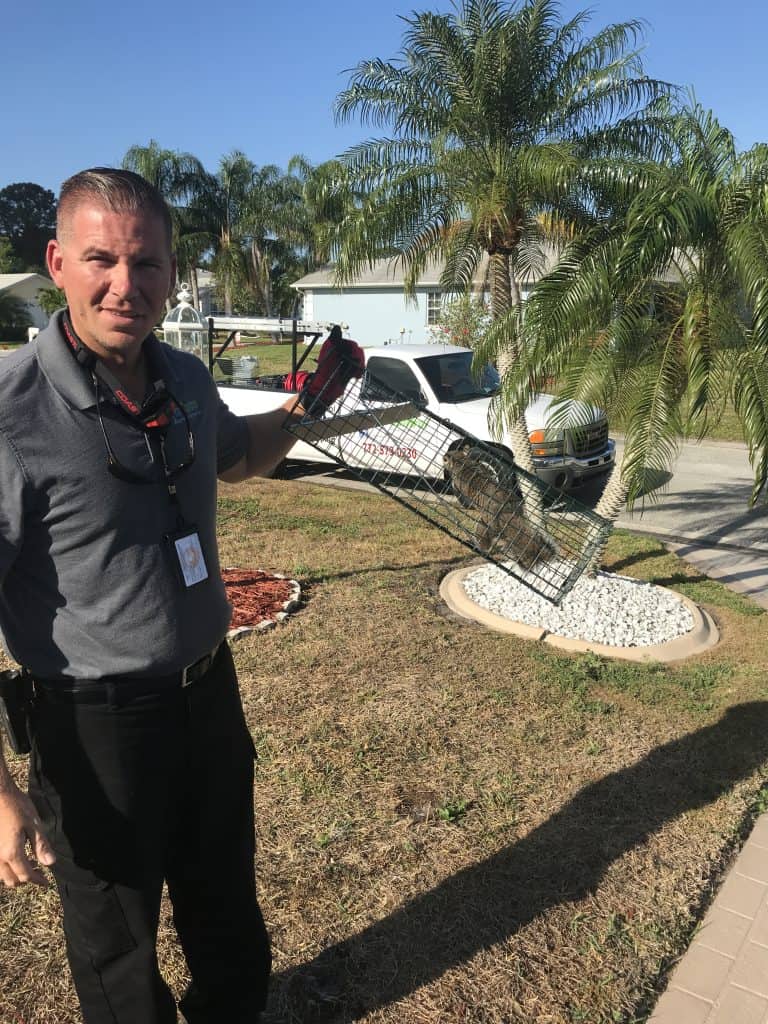
Catching pest problems early makes treatment easier and less expensive. A few minutes of observation each week can save you from major headaches later.
Walk your lawn regularly and look for changes. Brown or yellow patches that don’t improve with watering are often signs of chinch bugs or grubs. If the grass pulls up easily, roots may be damaged by mole crickets or grubs feeding below the surface. Irregular brown trails or spongy areas suggest mole cricket tunneling.
Check for visible pests. Chinch bugs are tiny—about the size of a pinhead—but you can find them by parting the grass at the edge of damaged areas and looking near the soil. Mole crickets are easier to spot at night when they come to the surface. Pour a mixture of dish soap and water over a small area. If mole crickets are present, they’ll surface within a few minutes.
Fire ant mounds are obvious, but don’t disturb them without a plan. Kicking a mound just spreads the colony and makes them more aggressive. Professional treatments target the queen and eliminate the entire colony.
Inspect shrubs and ornamental plants for sticky residue, curled leaves, or yellowing foliage. These are signs of aphids, whiteflies, or scale insects. Look for webbing, which indicates spider mites. Early detection allows for targeted treatments before pests spread to other plants.
Pay attention to increased pest activity around your home. If you’re seeing more ants, roaches, or spiders indoors, it often means outdoor pest populations are high. Treating the lawn and landscape reduces pressure on your home’s perimeter. Whether you need residential or commercial pest control in St. Lucie County, FL, addressing outdoor sources is essential.
Don’t ignore fungal issues. Brown patch, dollar spot, and other lawn diseases weaken grass and make it more attractive to pests. Circular brown patches, powdery substances on blades, or mushrooms growing in the lawn are all red flags. Fungal problems often require different treatments than insect issues, so correct identification is important.
Not all pest control is the same. The products and methods used make a big difference in results, safety, and long-term effectiveness.
Eco-friendly pest control has become the standard for good reason. Traditional broad-spectrum pesticides kill everything—including beneficial insects that naturally control pests. Modern treatments use targeted products that focus on specific pests while protecting pollinators, earthworms, and other helpful organisms. Botanical-based pesticides derived from natural plant extracts break down quickly and don’t leave harmful residues in soil or water.
Integrated Pest Management, or IPM, is a holistic approach that combines prevention, monitoring, and targeted treatments. Instead of spraying on a schedule regardless of pest activity, IPM focuses on understanding pest life cycles and applying treatments when they’re most effective. This reduces the amount of product needed and provides better long-term control.
For lawns, IPM means building healthy turf through proper fertilization, watering, and mowing. Healthy grass naturally resists pests and recovers quickly from damage. Pre-emergent herbicides prevent weeds before they germinate. Spot treatments target problem areas instead of blanket applications.
For shrubs and ornamental plants, IPM includes selecting pest-resistant varieties, proper spacing for air circulation, and regular inspections. Beneficial insects like ladybugs and lacewings naturally control aphids and other soft-bodied pests. When treatments are necessary, they’re applied directly to affected plants rather than the entire landscape.
Timing is everything. Chinch bug treatments are most effective in late spring before populations explode. Mole cricket control works best in early summer when nymphs are young and vulnerable. Pre-emergent weed control must be applied before seeds germinate. Fertilization schedules should match grass growth cycles—heavier applications in spring and fall, lighter feeding in summer to avoid excessive growth during heat stress.
Professional lawn and pest management services bring expertise that’s hard to replicate on your own. Licensed technicians understand local pest pressures in Port St. Lucie, seasonal patterns, and the most effective products for specific conditions. We can identify problems you might miss and adjust treatments based on what’s actually happening in your yard.
Look for companies that prioritize communication. You should know what’s being applied, why, and when to expect results. Free estimates and inspections show a commitment to understanding your specific needs rather than selling a one-size-fits-all package. Satisfaction guarantees demonstrate confidence in results.
Lawn and landscape pest management isn’t just about killing bugs. It’s about creating outdoor spaces that are healthier, more resilient, and naturally resistant to the pests that thrive in Florida’s climate. When lawn care and pest control work together, you’re addressing problems at the source—before they spread to your home or destroy your investment in landscaping.
The key is consistency. Regular treatments timed to pest life cycles and lawn health needs prevent infestations rather than reacting to them. Eco-friendly methods protect your family, pets, and the environment while delivering results that last. And working with professionals who understand St. Lucie County’s unique challenges ensures you’re not wasting time or money on treatments that don’t fit your situation.
If you’re dealing with persistent pest problems, thinning grass, or landscape damage, it’s time to take a different approach. We’ve been helping Treasure Coast homeowners protect their outdoor spaces since 2006 with eco-friendly solutions, licensed expertise, and a commitment to customer satisfaction. Reach out for a free estimate and see what integrated lawn and pest management can do for your property.
Article details:
Share:
Continue learning: