Florida's warm climate means mosquitoes aren't just a summer nuisance—they're a year-round challenge. Learn the strategies that actually work to protect your outdoor spaces.
Share:
Summary:
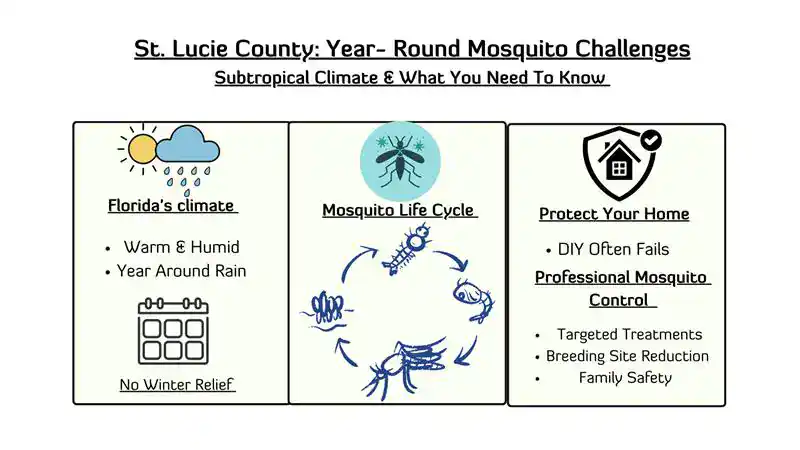
Most places get a break from mosquitoes when temperatures drop. Not here. St. Lucie County’s warm, humid climate keeps mosquitoes active all twelve months, with peak activity from June through August but no real off-season to speak of.
The topography doesn’t help. Our low-lying marshes, flatwood ponds, and wetlands create natural breeding grounds that stay wet year-round. Add in Florida’s seasonal rains and you’ve got standing water in places you might not even notice—plant saucers, clogged gutters, that decorative birdbath you forgot about.
Two species cause most of the problems here: aedes aegypti and salt marsh mosquitoes. The aedes prefer urban areas and will bite during the day. Salt marsh mosquitoes are even more aggressive, active in the middle of the day, and they can actually fly in windy conditions when other species stay grounded. That’s why you can’t escape them just by timing your outdoor activities differently.
Mosquitoes don’t need much to reproduce. Half an inch of standing water is enough for some species to lay eggs and start a new generation. The entire cycle from egg to biting adult can happen in about a week when temperatures are warm, which means your mosquito problem can multiply fast if you’re not paying attention.
Walk around your property and you’ll probably find a dozen spots holding water without realizing it. Clogged gutters are one of the worst offenders—they hold water after every rain and create perfect nurseries for larvae. Check your downspouts too. If water isn’t draining away from your foundation, mosquitoes are breeding there.
Plant containers and saucers collect water every time you use the hose or it rains. Bromeliads, those popular Florida landscaping plants, hold water right in their centers and are known mosquito magnets. Tires, buckets, kids’ toys left in the yard, tarps that sag and pool water—all of these become breeding sites within days.
Even things you want to keep, like birdbaths and decorative ponds, need attention. Birdbaths should be emptied and scrubbed at least twice a week. Ponds need circulation or mosquito fish to keep larvae under control. Pet water bowls left outside? Change them every few days.
The tricky part is that mosquitoes will also breed in places you can’t easily see or access. Tree holes that fill with rainwater, dense vegetation that stays damp, areas under decks where water collects—these hidden spots keep your mosquito population going even when you’ve eliminated the obvious sources.
That’s why source reduction alone, while important, isn’t always enough. You can spend hours every week dumping containers and cleaning gutters, and still have mosquitoes flying in from a neighbor’s yard or from wetlands nearby. It’s part of the solution, but rarely the whole solution.
Mosquitoes aren’t just annoying. They carry diseases, and Florida has seen concerning trends in recent years. In 2024, the state reported record numbers of dengue cases, both from travelers and locally transmitted. St. Lucie County and surrounding areas have issued mosquito-borne illness advisories for West Nile virus, Eastern Equine Encephalitis, and dengue.
Dengue causes severe flu-like symptoms—high fever, intense joint and muscle pain, headaches. It’s sometimes called “bone break fever” because of how painful it is. If you get it once and then get infected with a different strain later, your risk of severe complications goes up significantly. That’s not something to brush off.
West Nile virus is less common but more dangerous. Most people who get it won’t have symptoms, but about one in five develops fever, body aches, and fatigue. In rare cases, it affects the nervous system and can cause serious neurological problems or even death. Older adults face higher risks.
Eastern Equine Encephalitis is rare, but it’s the most serious of the three. It has a mortality rate between 30 and 60 percent in humans. Even survivors often face long-term neurological damage. Horses are also at risk, which is why there’s a vaccine available for them but not yet for people.
Your pets aren’t safe either. Mosquitoes transmit heartworm to dogs and cats, and if left untreated, it’s fatal. You’re probably already giving your pets heartworm prevention medication, but reducing mosquito exposure adds another layer of protection.
These aren’t scare tactics. They’re realities of living in Florida’s climate. The good news is that effective mosquito control dramatically reduces your exposure risk. When you cut down the mosquito population around your home, you’re not just making your yard more comfortable—you’re protecting your family’s health.
Reducing mosquitoes takes a combination of approaches. No single method eliminates them completely, but when you layer several strategies together, you can see real improvement in your outdoor comfort.
Start with the basics: eliminate standing water everywhere you can. Walk your property once a week, especially after rain, and dump anything holding water. Turn over buckets, empty plant saucers, check that your gutters are flowing. This is the foundation. Mosquitoes can’t breed without water, so every source you eliminate matters.
Next, think about your landscaping. Mosquitoes rest in cool, shady, damp areas during the hottest parts of the day. Overgrown vegetation, thick shrubs, and unmowed grass give them places to hide. Keep your lawn trimmed, thin out dense plantings, and remove leaf litter and yard debris. This won’t stop mosquitoes from breeding, but it reduces the number of resting spots and makes your yard less hospitable.
Once you’ve handled source reduction and landscaping, you can add some DIY treatments to the mix. Understand going in that these provide temporary relief, not long-term solutions, but they’re better than nothing when you need quick help.
Fans work surprisingly well for outdoor seating areas. Mosquitoes are weak fliers, and a strong breeze from a ceiling fan or a few portable fans makes it hard for them to land on you. Position fans to blow across your seating area at different angles. It’s a simple fix that actually works for patios and decks.
Mosquito dunks or bits are larvicides you can drop into standing water you can’t eliminate—like rain barrels, ornamental ponds, or drainage areas. They contain bacteria that kill mosquito larvae but won’t harm people, pets, fish, or beneficial insects. You replace them every month or so, and they’re available at most hardware stores.
Some people swear by planting mosquito-repelling plants like citronella, lavender, lemongrass, or marigolds. The science on this is mixed. These plants do contain compounds that repel mosquitoes when crushed or burned, but just having them growing in your yard won’t create a protective barrier. They’re nice to have and they smell good, but don’t count on them as your main defense.
Personal repellents with DEET, picaridin, or oil of lemon eucalyptus work when applied correctly. Spray your clothes and exposed skin before going outside, especially during dawn and dusk when mosquitoes are most active. Wear long sleeves and long pants if you can stand the heat. Light-colored clothing is less attractive to mosquitoes than dark colors.
Citronella candles and torches create smoke that mosquitoes avoid, but only in a very small area right around the flame. They’re fine for an intimate dinner on the patio, but they won’t protect a whole yard. And on windy nights, they’re basically useless.
Bug zappers sound like a good idea—you hear them zapping insects all night and assume they’re working. But research shows they kill mostly beneficial insects like moths and beetles, not mosquitoes. Mosquitoes are attracted to carbon dioxide and body heat, not UV light, so zappers aren’t effective mosquito control tools.
The reality is that DIY methods require constant effort and still leave gaps. You can do everything right and still have mosquitoes because they’re flying in from neighboring properties or nearby wetlands. That’s when professional treatment makes sense.
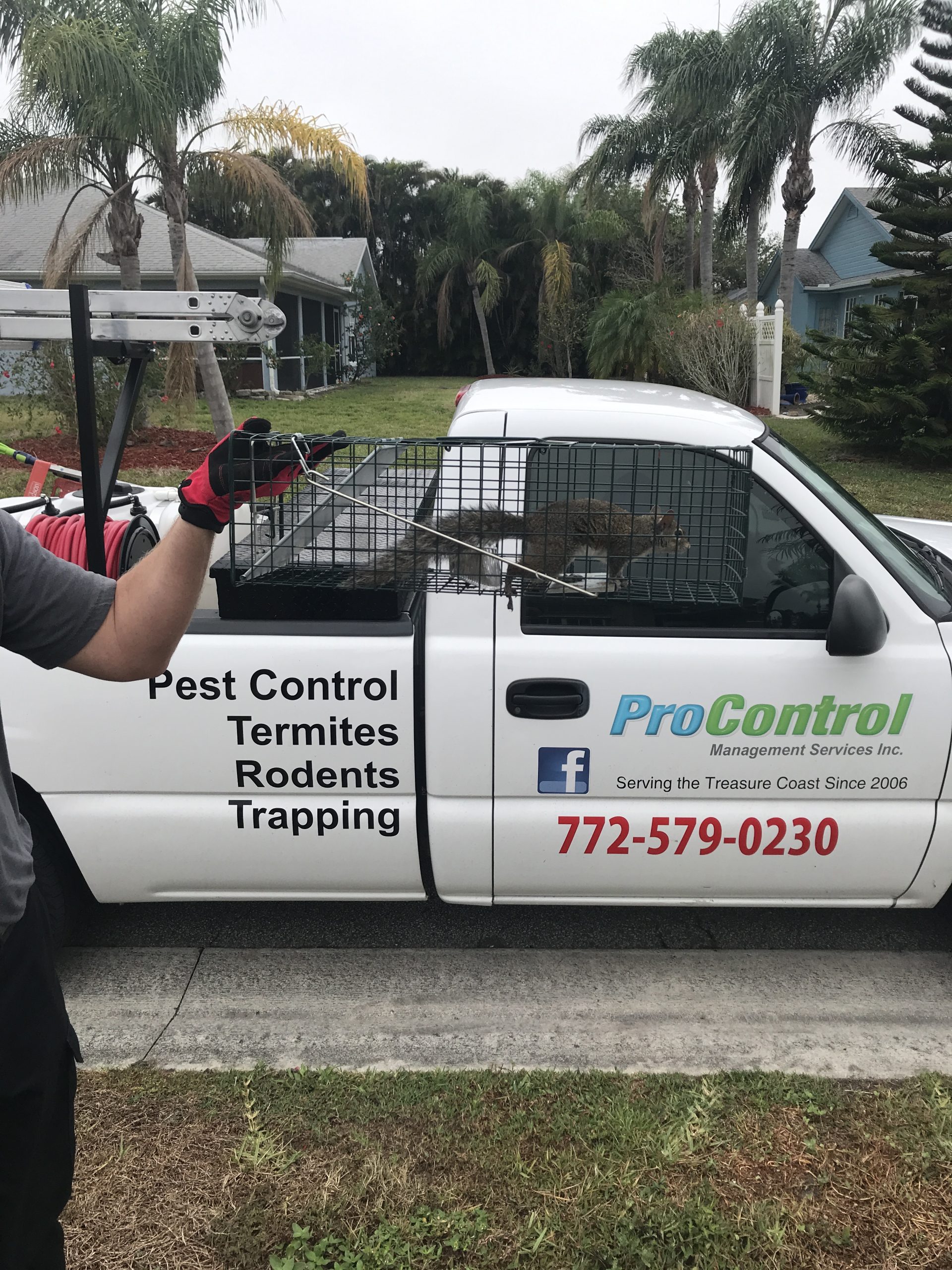
Professional mosquito control uses a more comprehensive approach than you can achieve on your own. The goal isn’t to eliminate every single mosquito—that’s impossible—but to reduce the population enough that you can actually enjoy your yard without constant harassment.
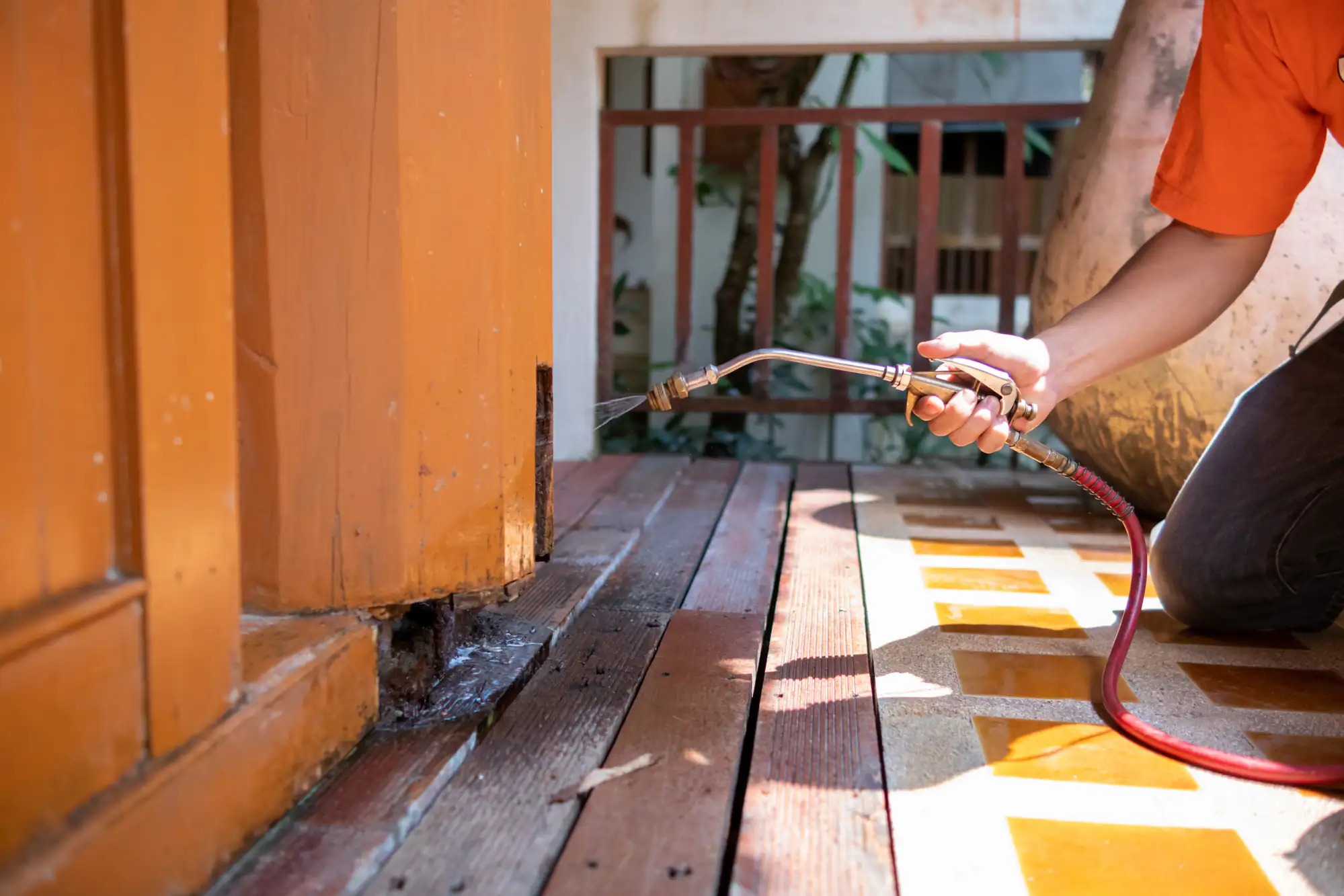
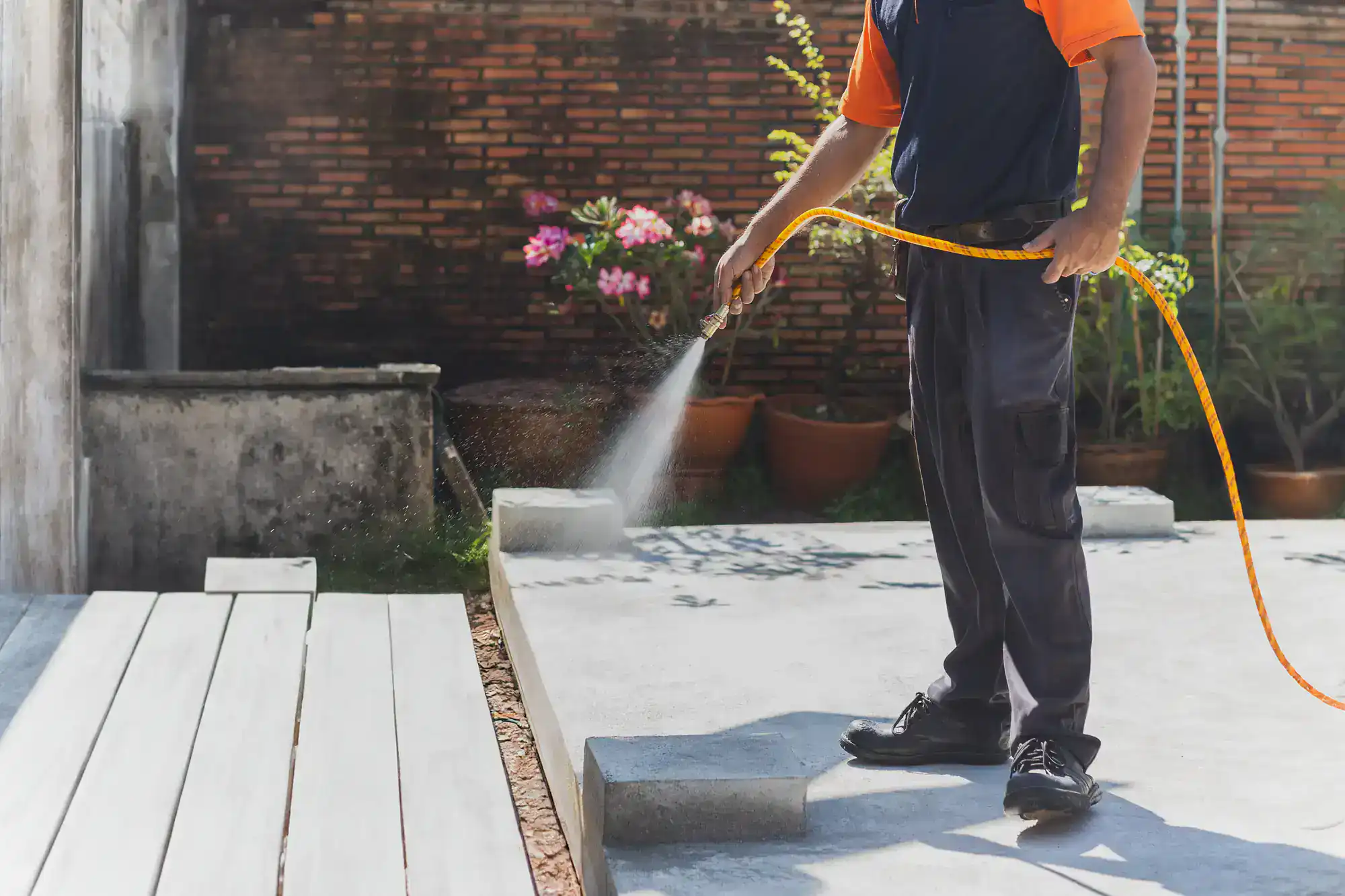
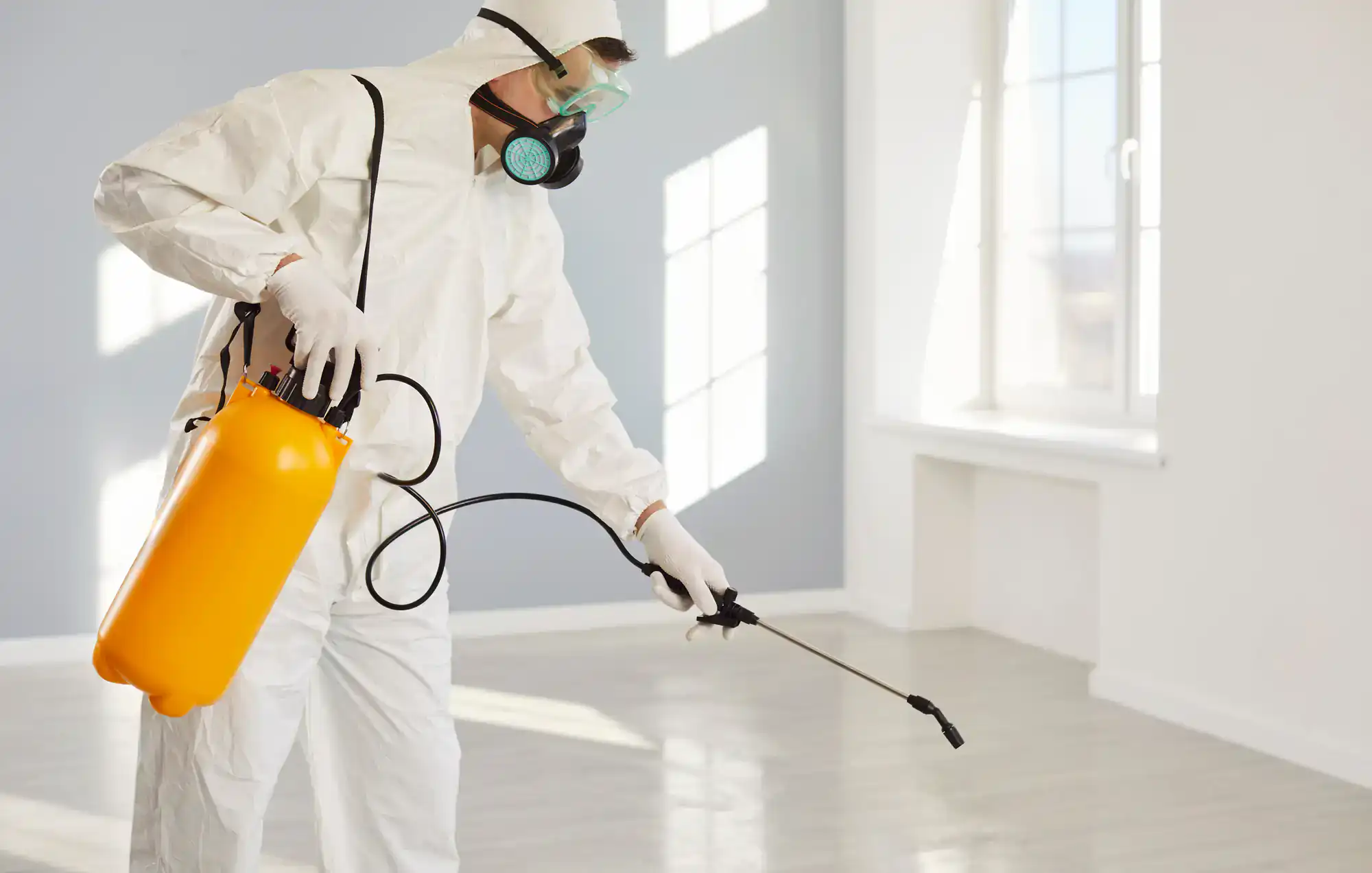
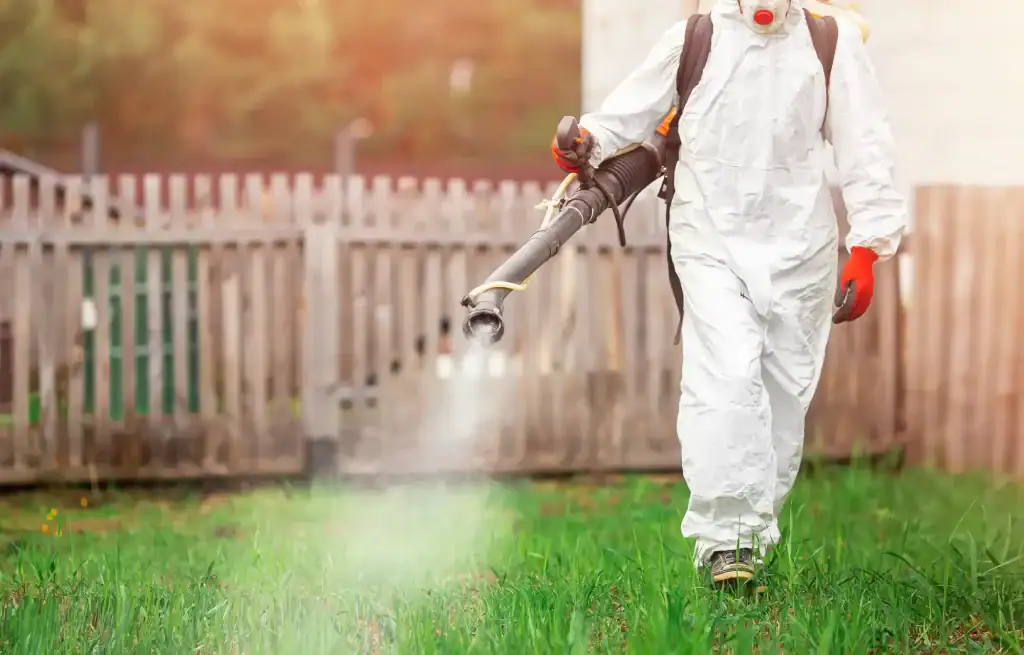
Most professional services use a barrier treatment method. A technician sprays the perimeter of your property and focuses on areas where mosquitoes rest during the day—under eaves, beneath decks, in dense shrubs, along fence lines. The treatment kills mosquitoes on contact and continues working for several weeks as mosquitoes land on treated surfaces.
Treatments are typically scheduled every three to four weeks during peak season. After heavy rain, you might need a reapplication sooner because water can wash away some of the residual protection. Good companies will come back out between scheduled visits if you’re still seeing high mosquito activity.
Eco-friendly options are available if you’re concerned about chemical treatments around kids, pets, or pollinators. These use botanical oils or naturally occurring bacteria that target mosquitoes specifically without harming beneficial insects like bees and butterflies. They’re effective, though they may not last quite as long as synthetic treatments.
Some companies also offer larvicide applications for areas with standing water you can’t eliminate—like retention ponds, ditches, or low spots in your yard that stay wet. These prevent larvae from developing into adults, which is more effective than trying to kill adults after they’re already flying around.
The advantage of professional treatment is that it’s consistent, it covers your whole property, and it’s applied by someone who knows where mosquitoes hide and breed. You’re not spending your weekends spraying and hoping for the best. You schedule it, they handle it, and you get results that last.
If you’re searching for mosquito control near you in St. Lucie County, look for companies that offer free estimates so you can see what your specific situation would require. Pricing varies depending on property size and treatment frequency, but most homeowners find it’s worth the cost when they can finally use their outdoor spaces again.
One thing to watch for: companies that guarantee 100 percent elimination are overselling. No treatment eliminates every mosquito. What you should expect is a significant reduction—usually 70 to 90 percent fewer mosquitoes—which is enough to make outdoor time comfortable again.
Mosquitoes don’t have to control your life in St. Lucie County. Yes, the climate here makes them a year-round challenge, but that doesn’t mean you’re stuck indoors. The key is combining smart prevention—eliminating standing water, maintaining your landscaping—with treatments that actually reduce the population around your home.
DIY methods help, especially for quick relief before an outdoor event, but they require constant effort and still leave gaps. Professional mosquito control gives you consistent, lasting results without the weekly time investment. You get your evenings back, your kids can play outside, and you stop worrying every time you step onto the patio.
If you’re ready to stop fighting mosquitoes on your own and want a solution that actually works, we offer eco-friendly mosquito control backed by nearly 20 years of experience in the Treasure Coast area. Free estimates, satisfaction guaranteed, and a team that understands exactly what you’re dealing with in St. Lucie County.
Article details:
Share:
Continue learning: