Scratching in the walls? Droppings in the pantry? Discover how rodents infiltrate St. Lucie County homes and what it takes to eliminate them for good.
Share:
Summary:
Rodents don’t need much space to invade your home. Mice can squeeze through openings the size of a dime. Rats need about half an inch. That’s smaller than most people realize, which is why sealing your home feels impossible without knowing exactly where to look.
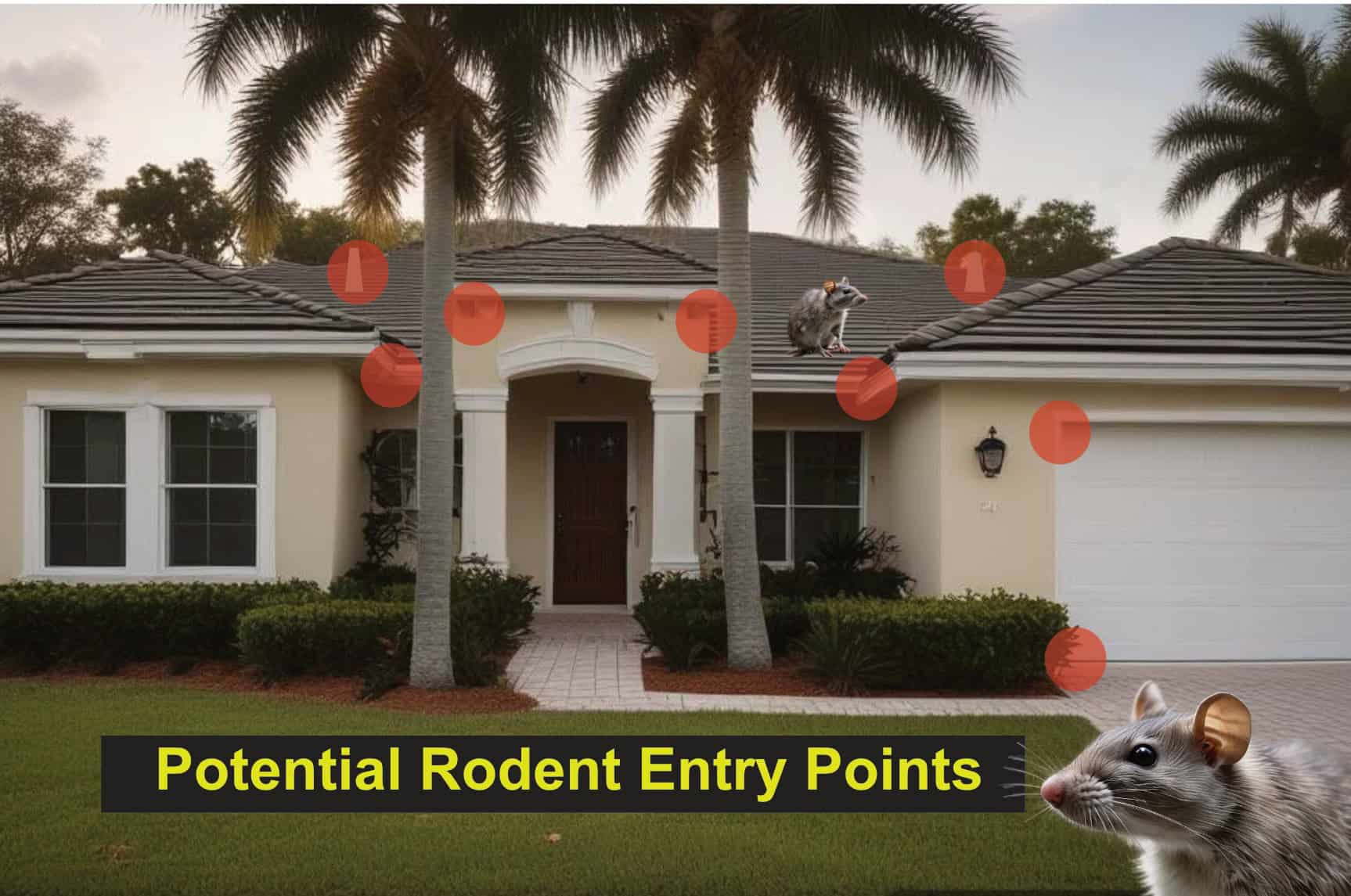
In St. Lucie County, the usual suspects are roof rats, Norway rats, and house mice. Roof rats are climbers. They use tree branches, power lines, and vines to access your roof, then slip through gaps around vents, soffits, or damaged shingles. Norway rats stay low. They burrow under foundations, crawl through gaps in garage doors, or enter through cracks in the slab. House mice are opportunists. They’ll use any tiny opening they find—gaps around pipes, damaged weather stripping, holes in screens, or spaces where utility lines enter the wall.
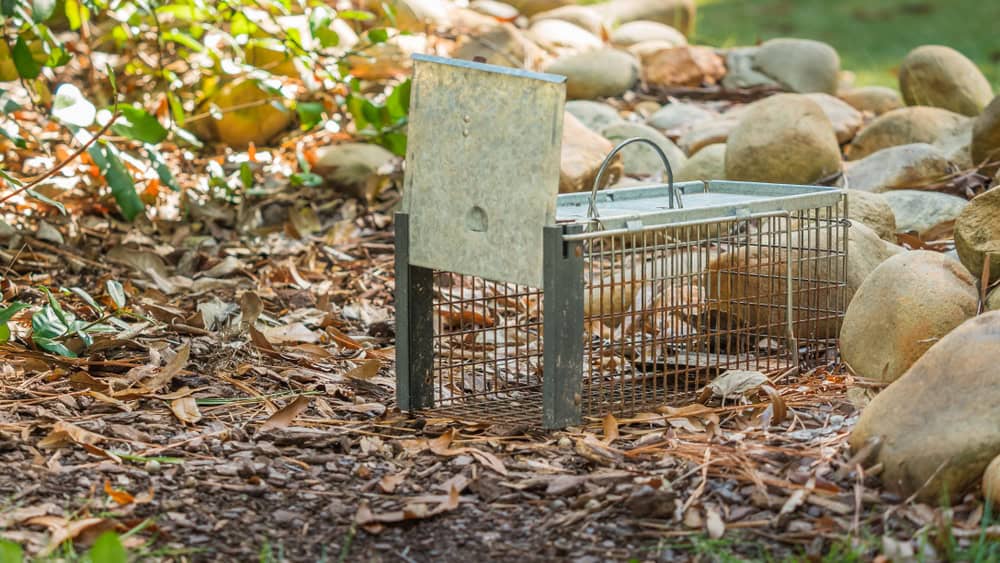
Walk around your home and you’ll likely spot several vulnerabilities without even trying. Gaps under doors. Cracks in the foundation. Openings where AC lines or plumbing enter the house. These are the easy access points rodents exploit daily.
But some entry points are less obvious. Roof vents without proper screening are a favorite for roof rats. Damaged or missing soffit vents give them a direct path into your attic. Weep holes in brick veneer, designed for drainage, can become rodent highways if left unprotected. Even small cracks around window frames or door thresholds are enough for a determined mouse.
Trees and vegetation make the problem worse. Overhanging branches create a bridge straight to your roofline. Dense shrubs against the house provide cover and easy access to ground-level cracks. Bird feeders, pet food left outside, and fruit trees add to the attraction. Rodents don’t just wander in by accident. They’re drawn to your property because it offers what they need, and once they find a way inside, they’ll keep using it.
Florida’s weather plays a role too. Heavy rains and flooding push rodents out of their outdoor burrows and into drier spaces—like your walls, attic, or crawl space. Hurricane season drives even more rodents indoors as they seek shelter from storms. That’s why infestations often spike after major weather events. The rodents were already nearby. The storm just gave them a reason to move in.
In colder climates, rodents slow down in winter. Not here. Florida’s year-round warmth means rodents stay active every single month. They don’t hibernate. They don’t take a break. They’re always breeding, always foraging, always looking for the next place to nest.
Roof rats can reproduce six times a year. Mice can have litters five to ten times annually. Each litter can include several offspring. Do the math and you’ll see how quickly two rodents become twenty. And twenty becomes a full-blown infestation in a matter of weeks.
The humidity and vegetation in St. Lucie County make things even easier for them. Thick landscaping provides cover. Standing water from afternoon storms gives them something to drink. Fruit trees drop mangoes, avocados, and citrus that become a buffet. Even your trash cans, if not properly sealed, offer an endless food supply.
This isn’t a seasonal nuisance you can wait out. It’s a constant pressure that requires consistent prevention and professional intervention when problems arise. Rodents adapt fast. They learn where food is, where shelter is, and how to avoid danger. That’s why traps you set in one spot stop working after a while. The rodents have already figured out the pattern and adjusted their routes.
The longer rodents stay in your home, the more damage they cause. They chew through insulation, reducing your home’s energy efficiency. They gnaw on electrical wires, creating fire hazards. They contaminate food, spread bacteria, and leave droppings everywhere they travel. And because they’re nocturnal, you might not even know they’re there until the problem is severe.
Rodents aren’t just gross. They’re dangerous. They carry diseases, spread bacteria, and contaminate everything they touch. According to the CDC, rodents can transmit more than 35 different diseases to humans. Some are spread through direct contact with rodent urine, droppings, or saliva. Others are spread indirectly through fleas, ticks, or mites that have fed on infected rodents.
Hantavirus is one of the most serious. It’s transmitted when you breathe in dust contaminated with rodent droppings or urine. Symptoms start with fever, muscle aches, and fatigue, but it can quickly progress to severe respiratory distress. Leptospirosis spreads through contact with water or soil contaminated by rodent urine. It can cause flu-like symptoms and, in severe cases, liver or kidney failure. Salmonella is common too. Rodents track bacteria across countertops, food storage areas, and kitchen surfaces, contaminating anything they touch.
You don’t have to touch a rodent to get sick. Just being in a space where rodents have been is enough. When rodent droppings dry out, they crumble into dust. That dust becomes airborne when you sweep, vacuum, or move boxes in the attic. You breathe it in without even realizing it.
Rodent urine is just as bad. It soaks into insulation, drywall, and flooring. It leaves behind a musky odor that’s hard to ignore. But more importantly, it carries pathogens that can make you sick. Even after the rodents are gone, the contamination remains until it’s properly cleaned and sanitized.
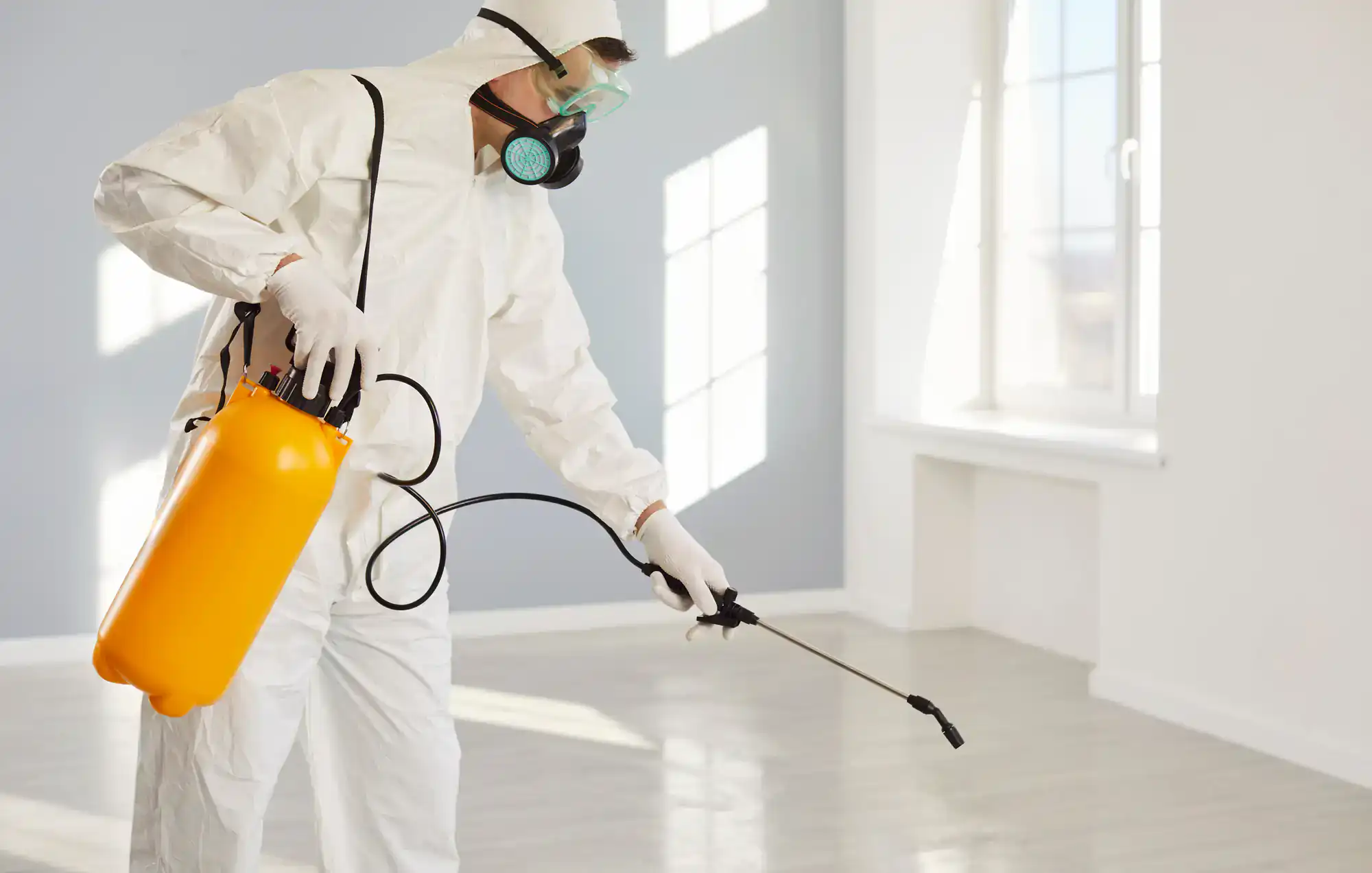
That’s why professional rodent control includes more than just trapping and removal. It includes sanitization. We use specialized products to neutralize bacteria, eliminate odors, and make contaminated areas safe again. Trying to clean up rodent waste yourself without the right equipment and knowledge puts you at risk. You need gloves, masks, proper ventilation, and disinfectants strong enough to kill the pathogens rodents leave behind.
Children and pets are especially vulnerable. They’re closer to the ground where droppings accumulate. They’re more likely to touch contaminated surfaces and then put their hands in their mouths. If you have young kids or pets at home, a rodent infestation isn’t just inconvenient—it’s a health emergency.
Beyond disease, rodents also trigger allergies and asthma. Their droppings, dander, and urine contain allergens that irritate respiratory systems. If someone in your household has asthma, rodent exposure can make symptoms worse. Even people without pre-existing conditions can develop respiratory issues after prolonged exposure to rodent contaminants.
Rodents chew constantly. Their teeth never stop growing, so they gnaw on everything to keep them trimmed. Wood, plastic, cardboard, insulation—nothing is off limits. But the most dangerous thing they chew is electrical wiring.
Exposed wires are a fire hazard. The National Fire Protection Association reports that rodents are suspected in thousands of electrical fires every year. In your attic, behind your walls, or inside your garage, rodents can chew through wiring and cause short circuits. Sometimes the damage is immediate. Other times it’s a slow burn that goes unnoticed until it’s too late.
Water damage is another problem. Norway rats have been known to chew through plastic water lines, causing leaks that lead to flooding and costly repairs. Even small leaks can cause mold growth, which creates another health hazard on top of the rodent problem.
Insulation is a favorite target. Rodents shred it to build nests. They urinate on it. They compact it down, reducing its effectiveness. Replacing contaminated insulation isn’t cheap, and the longer rodents are in your attic, the worse the damage gets. Some homeowners don’t realize how bad it is until they finally go up there and see the destruction firsthand.
Food contamination is constant. Rodents don’t just eat what’s in your pantry—they urinate and defecate on it. Even if food looks untouched, it’s likely contaminated. Packages with gnaw marks are obvious, but rodents can chew through cardboard, plastic bags, and even some food storage containers without leaving much evidence. If you’ve had rodents in your kitchen, you’re better off throwing out anything that wasn’t sealed in glass or metal.
The cost of rodent damage adds up fast. Electrical repairs, plumbing fixes, insulation replacement, food replacement, and cleaning services can run into the thousands. That’s on top of the cost of pest control itself. The sooner you address a rodent problem, the less damage they’ll cause and the less you’ll spend fixing it.
DIY rodent control rarely works. You might catch one or two, but you’re not addressing the root cause. You’re not sealing entry points. You’re not identifying where they’re nesting or how many you’re dealing with. And you’re not preventing them from coming back.
Professional rodent control starts with a thorough inspection. We look for droppings, gnaw marks, grease trails, burrows, and entry points. We identify the species, assess the severity of the infestation, and create a customized plan. That plan includes trapping, exclusion, and ongoing monitoring to make sure the problem is solved completely.
Exclusion is the most important step. It’s not enough to remove the rodents. You have to seal the entry points so they can’t get back in. That means repairing gaps, installing vent covers, sealing cracks, and trimming vegetation. It’s detailed work that requires experience and the right materials. When it’s done right, it keeps rodents out for good. If you’re dealing with rodents in St. Lucie County, we have the experience and tools to eliminate the problem and protect your home long-term.
Article details:
Share:
Continue learning: