Your home has hidden entry points that rodents exploit daily. Learn where rats and mice sneak in around St. Lucie County properties.
Share:
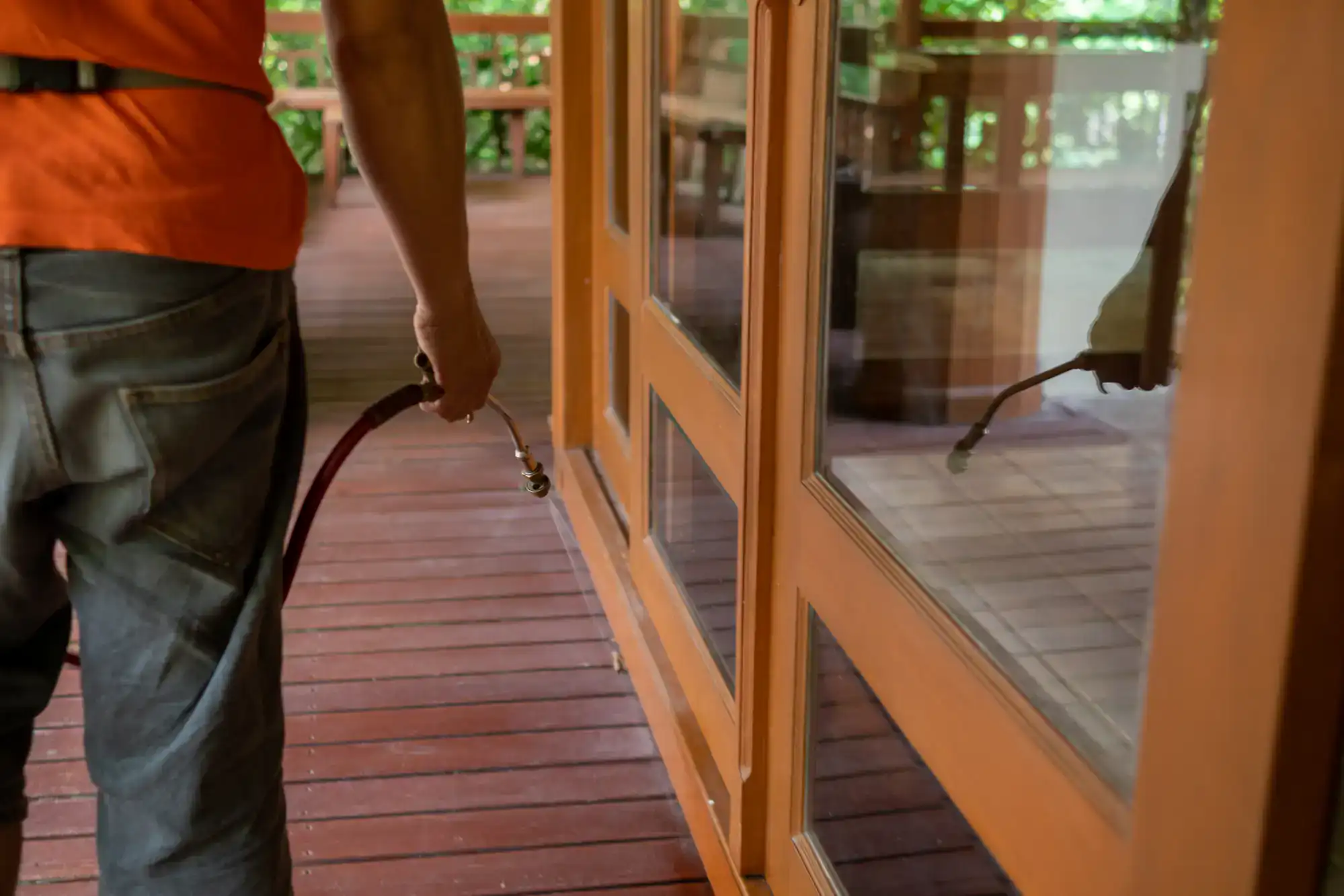
Summary:
Your roof line contains gaps in soffits, damaged roof vents, and openings where roof sections meet, with tree branches touching your roof creating easy pathways for rodents to reach these entry points. These elevated access points are particularly appealing to roof rats, which are excellent climbers.
A visual inspection of your roofline should focus on identifying any gaps or holes larger than ¼ inch, paying special attention to the space between the house and roof eaves. Areas where the roof overlaps house walls often develop cracks or gaps over time, and rodents love these spots because they find them to be easy entry points.
The problem compounds in St. Lucie County’s coastal climate, where salt air and humidity accelerate the deterioration of roofing materials. What starts as a minor gap can quickly become a rodent superhighway.
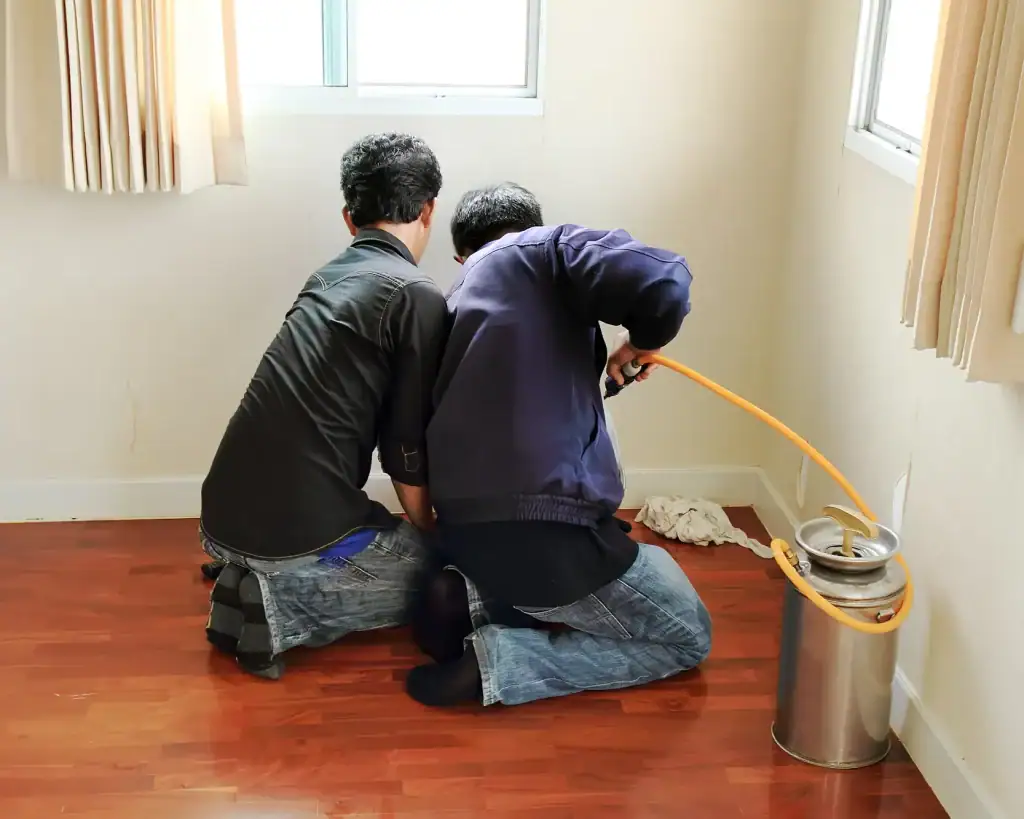
Small gaps in soffits and roof gables can lead directly into the attic, creating easy entry points that are often overlooked yet vital to inspect and seal properly. Raccoons and other pests often take advantage of loose or rotting soffits and fascia boards to gain entry into roofs or walls, with weather, age, and pests weakening these structures over time.
Soffits serve an important function by providing ventilation to your attic space. However, damaged or improperly installed soffit vents become open invitations for rodents. The screens on gable vents deteriorate over time, allowing bat, bird, and rodent entry, with critters loving gable vents with deteriorated screens.
In Port St. Lucie and surrounding areas, the combination of year-round warmth and occasional severe weather creates the perfect storm for soffit damage. These critters can squeeze through even the smallest holes in roof soffits or siding, and once inside, they quickly set out to nest and reproduce.
Regular soffit inspection should be part of your home maintenance routine. Look for sagging boards, gaps where sections meet, and any signs of chewing or scratching. Ignoring small cracks or sagging boards often leads to bigger problems down the road, but keeping an eye out for damage and repairing compromised boards quickly can prevent giving raccoons and rodents a way into your house.
The key is addressing these issues before they become major problems. Small gaps can be sealed with appropriate materials, but larger structural issues require professional attention to ensure proper ventilation while blocking pest access.
Roof vents are another area of concern, as rodents may infiltrate without proper screening around vents. Chimneys and dryer vents can act like highways straight into your home, making it essential to install chimney caps and vent covers while regularly inspecting to ensure covers are intact and secure.
Powered attic fans are common culprits, as they are almost never screened properly. These large openings provide direct access to your attic space, and without proper screening, they’re essentially open doors for flying and climbing pests.
The challenge with roof-level entry points is that they’re difficult to inspect without proper equipment and safety precautions. Many homeowners never look at these areas until a problem becomes obvious. Roof pipes that extend from your house can also serve as entry points for rodents, requiring strong materials sealed around the pipes so gaps are not left open.
We have the equipment and expertise to safely inspect and seal these elevated entry points. Rooflines, vents, utility penetrations, and gaps around windows and doors require special attention during comprehensive inspections. This is particularly important in St. Lucie County, where roof rats prefer to live in high places and commonly infest man-made structures, being attracted to damp habitats.
Don’t wait until you hear scratching in the attic. The pitter-patter of little feet can be adorable—but not when it comes from roof rats scurrying around in your attic, as these rodents can make scratching sounds from inside walls or the attic as they move around the inner structure of your home.
While roof-level access gets attention, ground-level entry points are equally problematic and often easier for rodents to discover. Every door that opens to the outside or into a garage should be inspected, and when closed, you should look for gaps along the bottom—if you can slide a pencil anywhere under the door, that’s an area pests can get in.
Sometimes the simplest entry point is right under our noses—gaps under exterior doors are a common way mice and even rats can scuttle into the house, and if you can see light under your back door or side garage door, there’s enough space for rodents to squeeze through.
Foundation-level problems compound over time. Rodent entry points in homes often include foundation cracks, basement windows, gaps around utility lines, and garage doors and vents as common access spots. These ground-level vulnerabilities are particularly important in Florida’s climate, where settling and moisture create ongoing maintenance challenges.
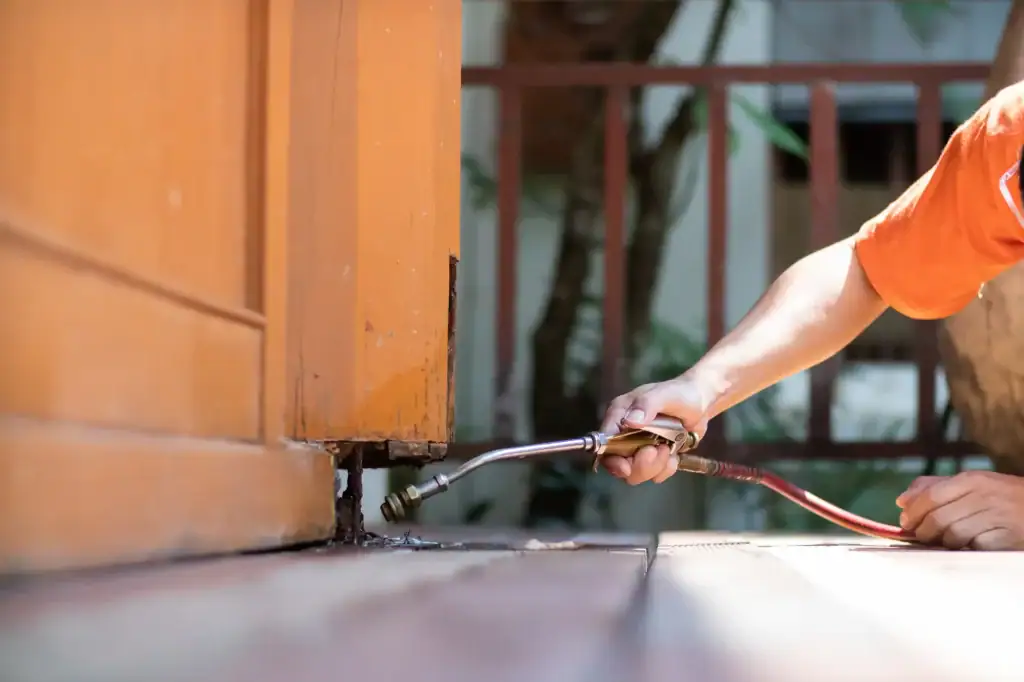
Garage doors present significant entry opportunities—close the garage and look along the area where the garage door meets the floor for gaps, and if there are gaps larger than ¼ inch or you can see light come in under the door, install appropriate sealing. Garage doors themselves are notorious for letting pests in, with many garages having weather strips on the bottom that get gnawed or warp over time, leaving corners unsealed and allowing determined rats to slip under doors that don’t sit flush to the ground.
The problem extends beyond just the bottom seal. Look at the sides of the garage door, zeroing in on the vertical weather stripping along the sides—if there are gaps, holes, or if the weather stripping appears thin, damaged, or torn, fit the base of the weather strips with appropriate rodent shields.
Utility lines, pipes, and wires that enter the house from the outside require special attention—zero in on where the utility line enters the wall and check for gaps around any of the lines, as these are all very common rodent entry points. This includes electrical service entrances, cable and internet lines, gas lines, and plumbing penetrations.
In St. Lucie County’s humid climate, these utility penetrations face constant expansion and contraction, creating gaps over time. Anything ¼ inch (roughly the diameter of a pencil) or larger should be filled with appropriate materials. Professional sealing ensures these critical entry points remain secure while maintaining proper utility function.
Once inside the garage, it’s not hard for rodents to find a way into the main house through gaps in the attic if the garage is attached or via interior doors, and we have seen cases of squirrels darting into open garage doors or chewing through flimsy wooden garage side doors if they smell bird seed or pet food stored inside.
Foundation cracks and basement windows create easy entry points for rodents, while garage door gaps and utility line openings offer access to the interior, and vents and chimneys without proper screening are vulnerable to rodent entry. If your home has a crawl space, that crawl space is a favorite hangout for rats, with Norway rats in particular burrowing under structures and popping up inside crawl spaces or under pier-and-beam foundations, and any missing vent covers or loose access doors are basically an open invitation for pests.
Foundation issues are particularly common in older St. Lucie County homes. When many older homes were built in certain regions, they utilized terra cotta foundation blocks that break easily like dropped clay flower pots, and cracks in these hollow blocks can create rodent runways through walls.
Check weep holes and foundation vents for proper screening, as older vents have screens that dry rot over time, and mice compromise these vents to get inside. Unfortunately, weep holes are big enough for mice to slip inside wall cavities, but homeowners should never seal weep holes completely since they’re important for moisture control—these openings absolutely need rodent-proof covers to keep critters out while maintaining airflow.
The challenge with foundation-level entry points is that they’re often hidden by landscaping, stored items, or simply out of regular sight. A lot of foundation gaps exist underneath porches and decks where no one ever goes, and over time, this neglected area can deteriorate, with mice and rats loving to come and go in low-traffic areas under porches and decks.
Professional inspection identifies these hidden vulnerabilities before they become major problems. It’s smart to clear vegetation and debris around the foundation, as overgrown shrubs against the house can hide rodent activity—keeping a clear 2-3 foot perimeter of gravel or short grass makes it easier to spot and stop rodents before they sneak in.
Rodents are really pesky and resourceful animals, but you can definitely keep them out of your house if you know what to do—exclusion services seal off any possible entry point so rodents cannot penetrate into your house, from roof penetrations to garage doors and door sweeps, ensuring the entire house is sealed tight.
We use information gathered during thorough inspections to implement targeted plans, focusing on key areas where rodents nest, reproduce, and access food and water to more effectively eliminate problems at their source. This comprehensive approach addresses both current infestations and prevents future problems.
The investment in professional rodent-proofing pays dividends. Many entry point sealing projects cost less than $50 in materials and can be completed in a weekend, but this small investment prevents much more expensive damage from rodent infestations—rodents can damage insulation, electrical wiring, and stored items, costing hundreds or thousands of dollars to repair.
At ProControl Management Services, we understand the unique challenges facing St. Lucie County homeowners. With nearly two decades of experience serving the Treasure Coast, we’ve seen every type of entry point and know how to seal them effectively while maintaining your home’s functionality and appearance.
Article details:
Share:
Continue learning: