Mosquitoes don't take a break in South Florida. This guide breaks down what actually works to reduce populations and protect your property.
Share:
Summary:
You probably think mosquitoes are just annoying. Buzzing in your ear, ruining outdoor time, leaving itchy welts. That’s part of it, but it’s not the whole story. In St. Lucie County, mosquitoes carry real health risks that most homeowners underestimate.
The mosquitoes you’re dealing with can transmit Eastern Equine Encephalitis, St. Louis Encephalitis, and West Nile Virus. EEE has a mortality rate in humans between 30 and 60 percent. Just in 2023, Florida saw over 172 cases of locally acquired Dengue fever—not in some distant country, but right here.
Beyond human health, mosquitoes also transmit heartworm to pets and livestock. One bite from an infected mosquito can lead to serious, sometimes fatal, complications for your animals. Mosquito control isn’t about comfort alone. It’s about protecting everyone on your property.
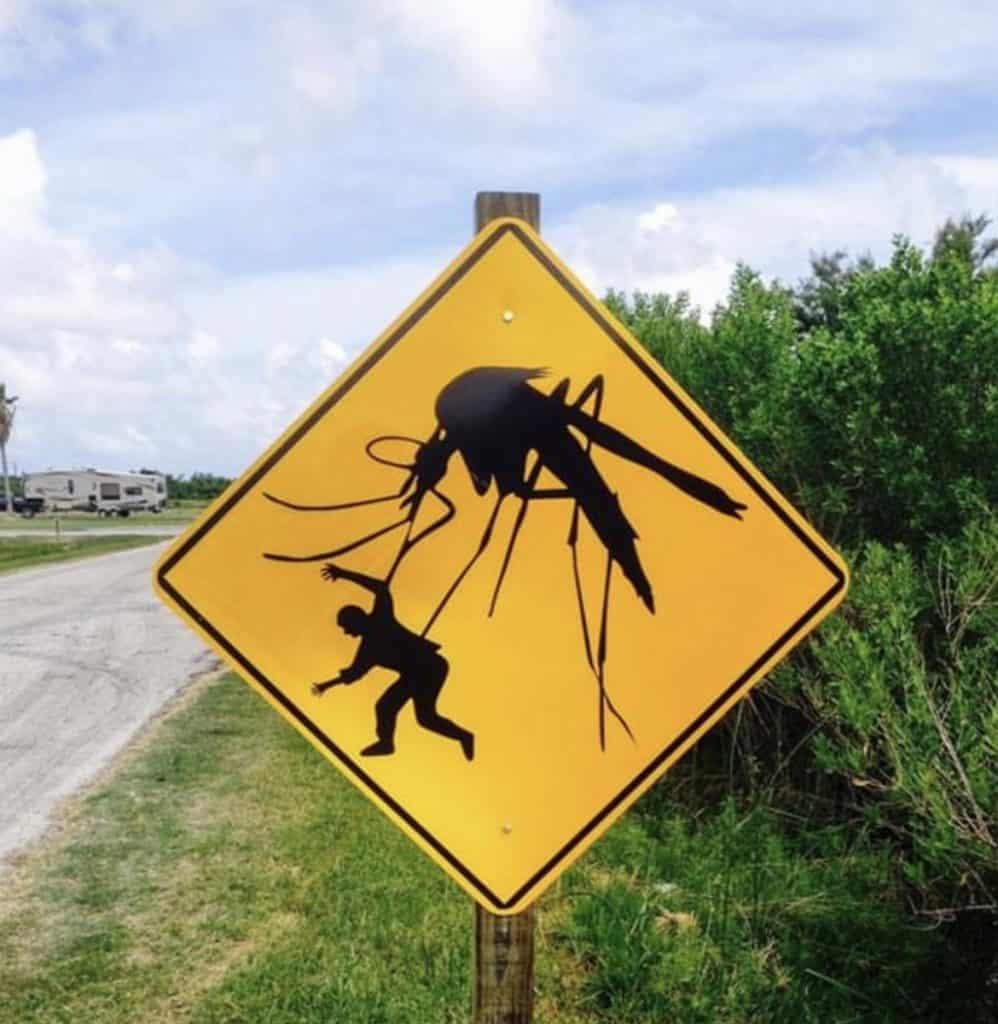
St. Lucie County isn’t dealing with average mosquito problems. The area monitors 26 different traps strategically placed around the county, tracking more than 37 different varieties of mosquitoes. That’s not a typo. Thirty-seven different species, each with their own behaviors and breeding patterns.
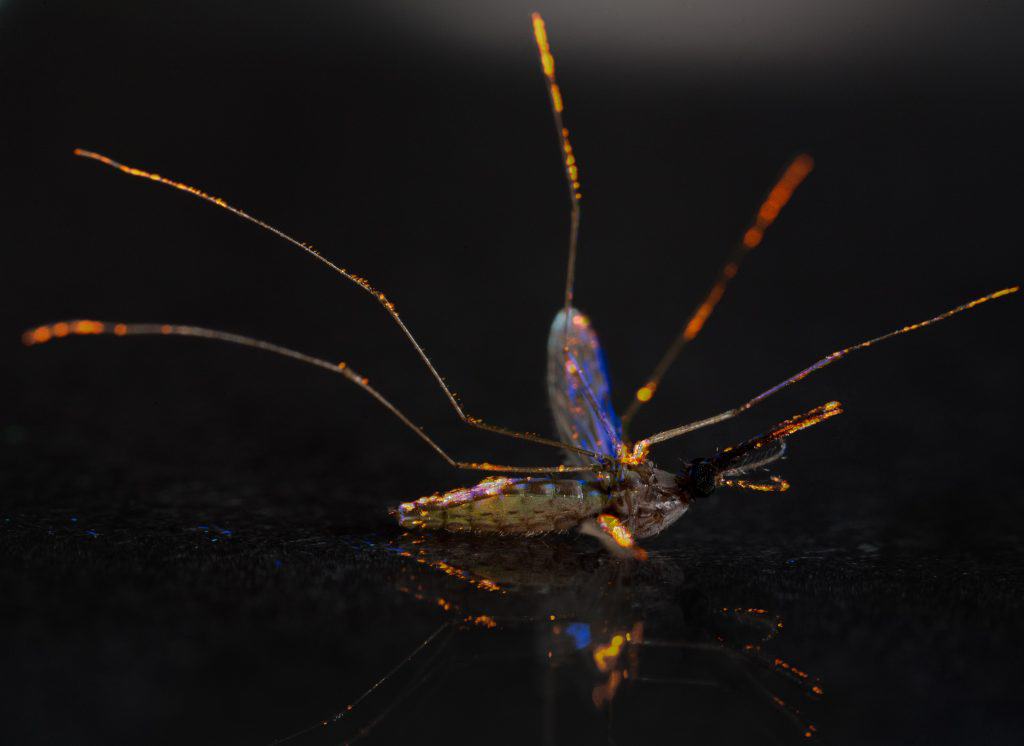
Two species cause the most problems for residents: the aedes aegypti and salt marsh mosquitoes. Aedes aegypti mosquitoes are dark brown to black with distinctive white bands on their legs. They thrive in urban areas and specifically prefer feeding on people. You’ll find them around homes, in shaded areas, and near any container holding water.
Salt marsh mosquitoes are even more aggressive. Unlike most species, they’re active during the middle of the day and can fly in wind that would ground other mosquitoes. They don’t lay eggs on standing water like you’d expect. They lay them on dry ground that floods frequently, which is exactly what happens here after our heavy rains.
Southern Florida experiences peak mosquito season all year round. While northern and central Florida are subtropical with seasonal patterns, South Florida is simply tropical. The warm, humid atmosphere combined with frequent rainfall creates perfect breeding conditions that never fully stop. Temperatures stay above the 50-degree threshold mosquitoes need to remain active. You’re dealing with this problem in January just as much as July.
The Treasure Coast’s proximity to wetlands and coastal areas makes things worse. Billions of saltmarsh mosquitoes can hatch during peak times, with as many as 150 able to land on a person in just one minute. Residents near the Indian River Lagoon report being unable to use their patios or even walk out their front door without getting swarmed. This isn’t exaggeration. It’s the reality of living in an area where mosquitoes have ideal conditions to thrive.
When you avoid dealing with mosquitoes, you’re not just accepting some discomfort. You’re limiting how you use your property. That backyard you invested in? You can’t enjoy it. The pool that cost thousands? Kids won’t swim because they get eaten alive. Evening gatherings with friends? Everyone leaves early.
Health risks compound over time. Roughly 700 million people worldwide fall ill from diseases contracted from mosquitoes each year, and more than one million of them don’t survive. While many mosquito-borne illnesses present with flu-like symptoms initially, they can progress into serious complications—seizures, kidney failure, paralysis, even death in vulnerable individuals.
In 2015 and 2016, Zika virus transmission in Florida became a major concern, particularly for pregnant women due to the risk of birth defects. West Nile virus remains the leading mosquito-borne illness in the U.S. While most people experience mild symptoms, around 1 in 150 infected individuals develop severe illness that can be fatal.
Children, elderly residents, and people with compromised immune systems face the highest risk. If you’re letting your kids play outside in a yard with heavy mosquito activity, you’re exposing them to potential infection with every bite. It only takes one infected mosquito to transmit disease.
Florida’s warming climate is making this worse. Longer mosquito seasons increase the abundance of mosquitoes, leading to more bites and higher disease incidence. Areas that were once marginal for certain mosquito species are now hospitable year-round, allowing populations to expand and thrive where they couldn’t before.
The financial cost adds up too. Mosquito bites aren’t just itchy—they can lead to secondary infections from scratching. Medical visits, treatments, and in severe cases, hospitalization for mosquito-borne diseases create expenses that far exceed the cost of prevention. And if you’re trying to sell your home, buyers will absolutely notice if your yard is unusable due to mosquito problems.
Professional mosquito control isn’t about showing up with a sprayer and hoping for the best. It’s a targeted, integrated approach that addresses mosquitoes at every stage of their lifecycle—from eggs to larvae to adults.
The most effective programs combine multiple methods: barrier sprays that create protective zones, larvicides that prevent immature mosquitoes from developing, source reduction to eliminate breeding sites, and habitat management to make your property less attractive to mosquitoes in the first place. Each component serves a specific purpose. Skipping any of them reduces overall effectiveness.
We understand mosquito behavior. We know where mosquitoes rest during hot days, where females lay eggs, and what conditions attract them to your property. That knowledge determines where treatments are applied and when they’re most effective.
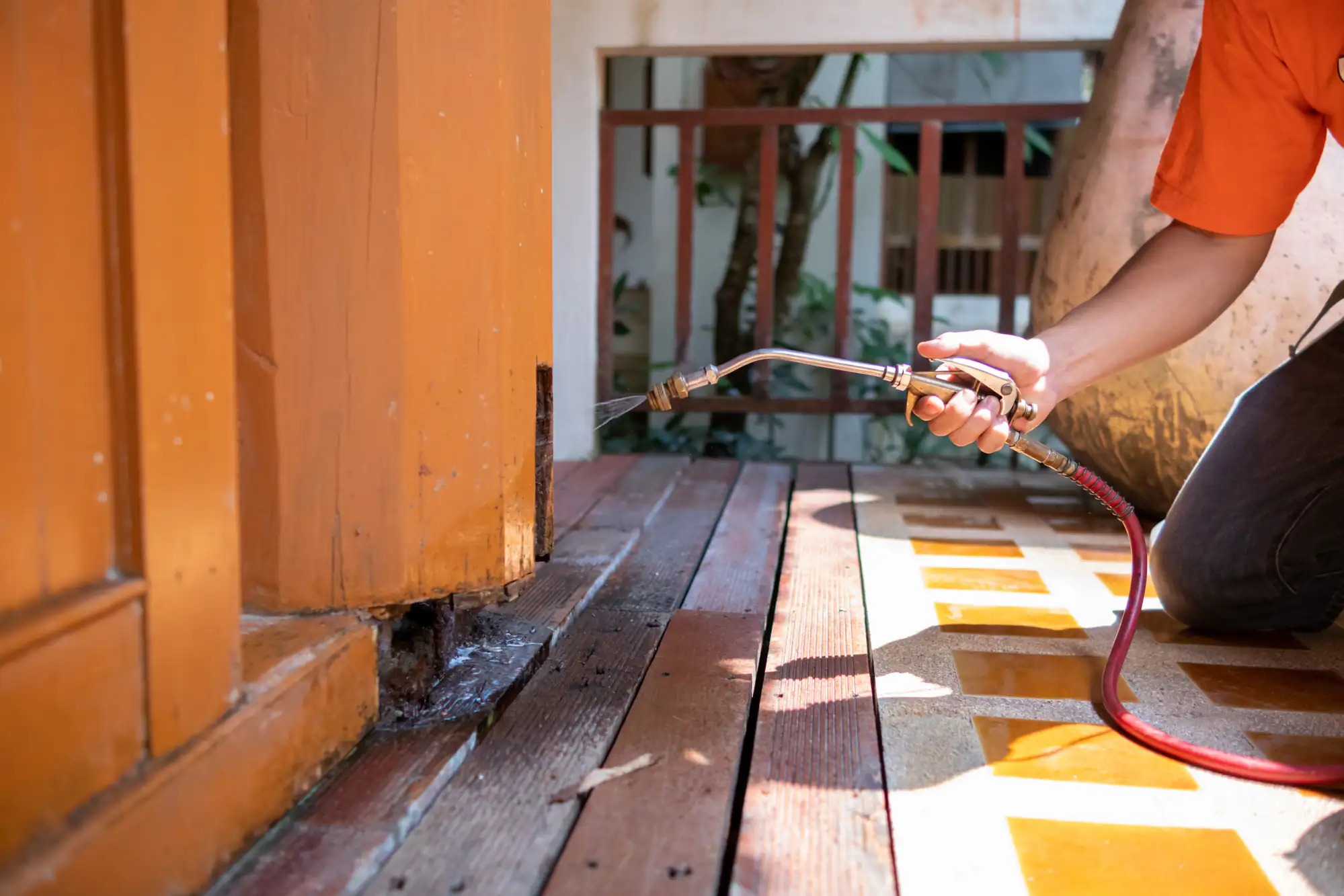
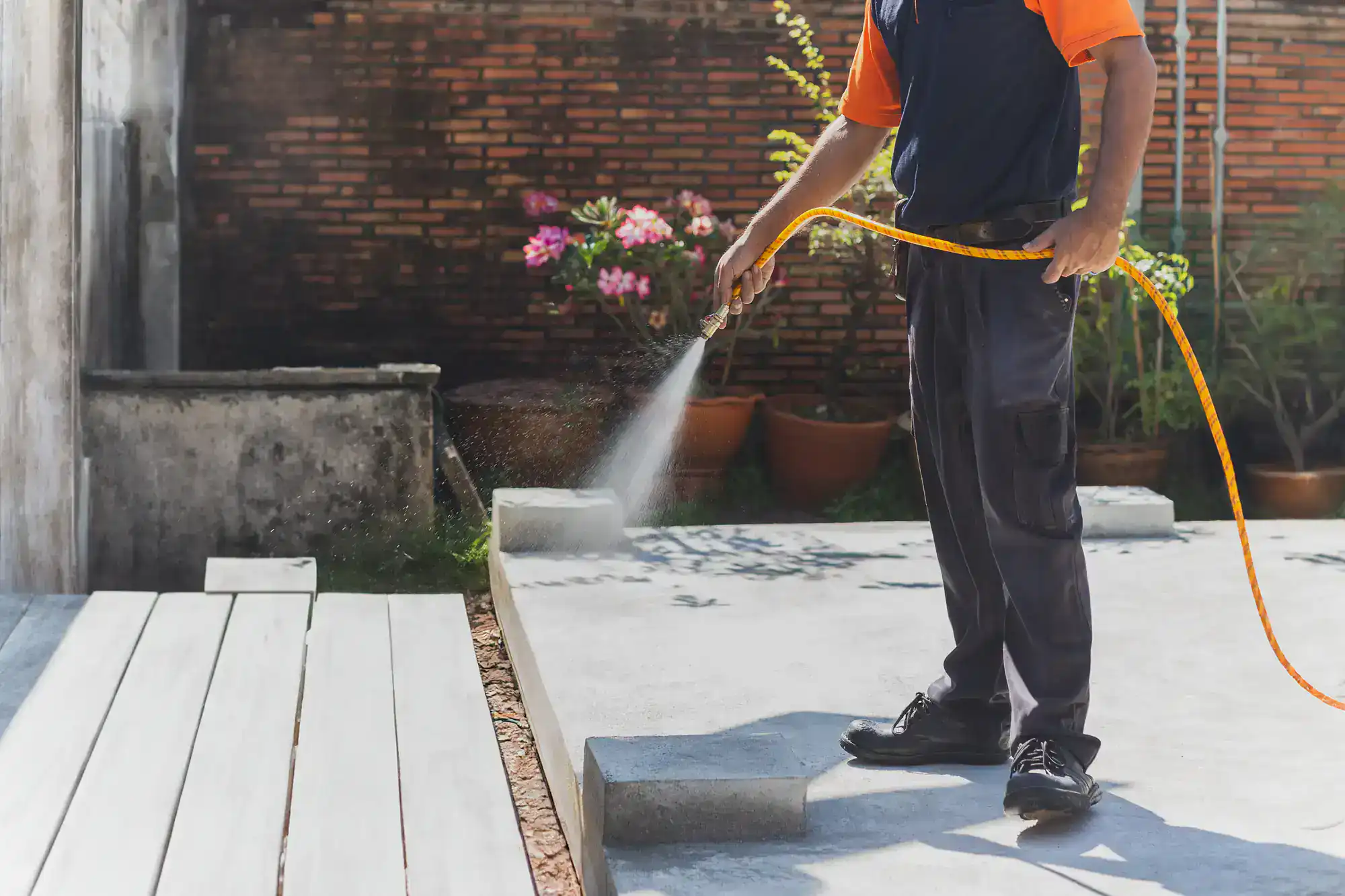
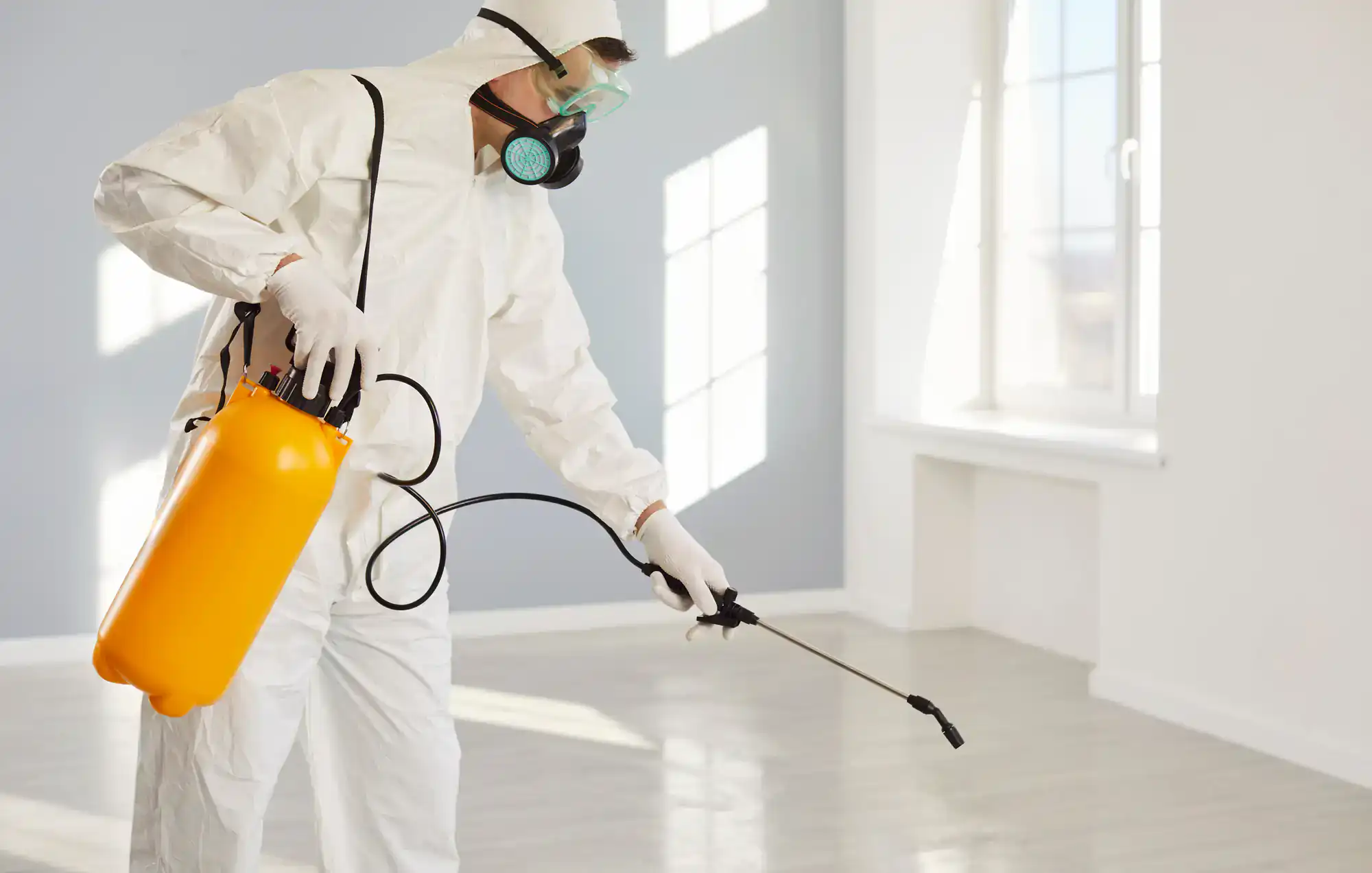
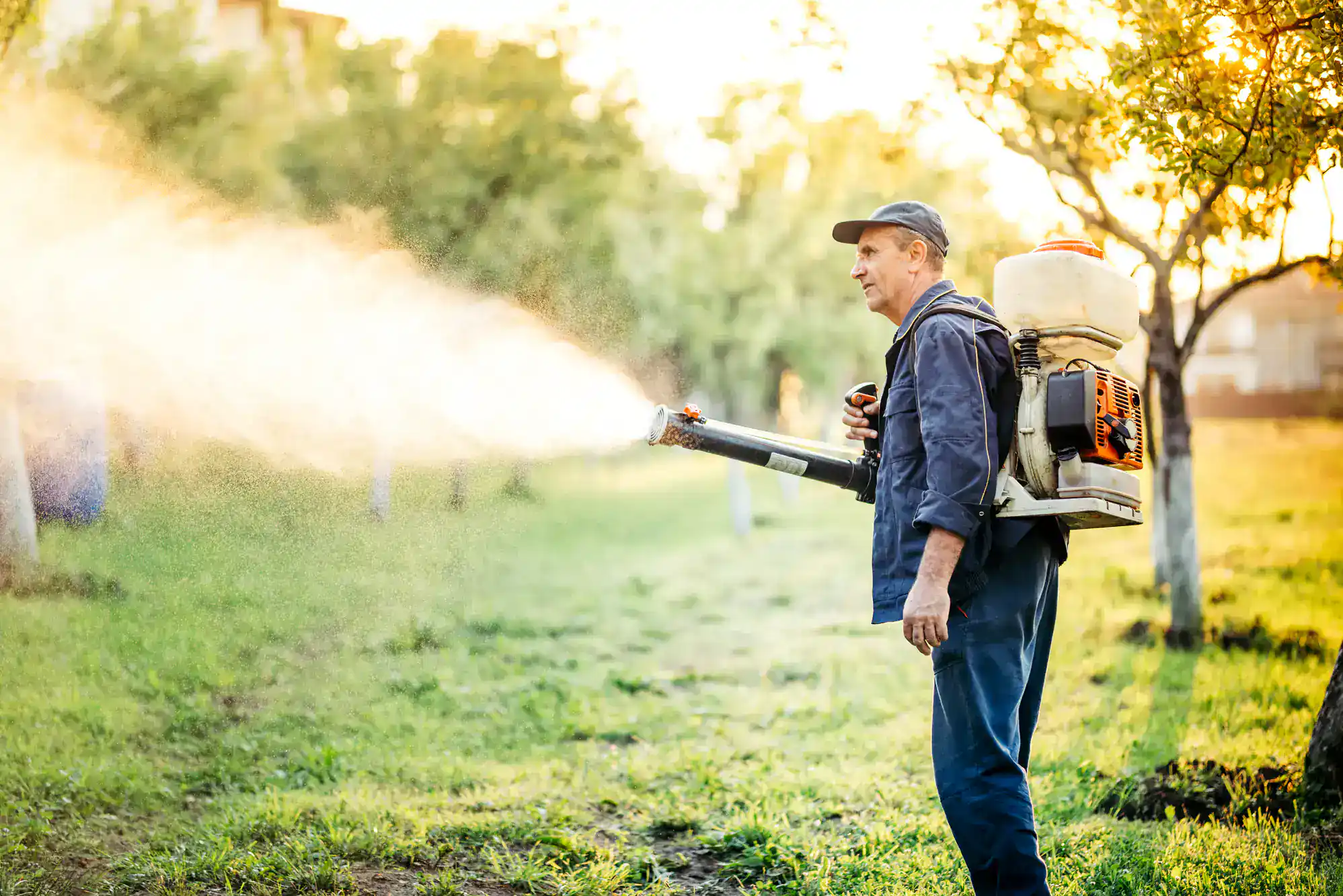
Barrier spray is the cornerstone of most professional mosquito control programs in Port St. Lucie and the Treasure Coast. Our trained technicians apply the treatment to specific areas where mosquitoes rest before and after mating—shady areas, damp spots, shrubs and trees, tall grasses, around wood piles, and the undersides of leaves.
The spray works in two stages. First, it kills adult mosquitoes on contact when they land on treated surfaces. Second, it bonds to foliage and creates a residual barrier that continues repelling and killing mosquitoes for weeks. This barrier effectively prevents new mosquitoes from entering your property for up to three weeks after application.
Here’s what makes professional barrier sprays different from DIY options: the products used are commercial-grade formulations not available in retail stores, they’re applied with specialized equipment that ensures proper coverage, and technicians know exactly where to focus application based on mosquito behavior patterns specific to your area.
The treatment targets vegetation from ankle to shoulder height in dense areas. Mosquitoes don’t just fly around randomly. They seek out cool, shaded spots to rest during the heat of the day, which is when they’re most vulnerable to barrier sprays. A common misconception is that you should spray down onto your lawn like you’re fertilizing grass, but that’s not where mosquitoes spend their time.
For best results, barrier spray should be applied every 21 to 30 days during the active season. Rain and heavy watering can reduce effectiveness, which is why recurring treatments are necessary. In South Florida’s year-round mosquito climate, this means consistent applications rather than seasonal-only service.
The timing of application matters too. We typically spray when people and pets are least likely to be outdoors, allowing the treatment to dry before the area is used again. Once dried, the barrier is safe for family members and pets while remaining effective against mosquitoes.
Eco-friendly barrier spray options exist that use natural compounds rather than synthetic chemicals. These products target mosquitoes while minimizing impact on beneficial insects like bees and butterflies. If environmental concerns are important to you, we offer botanical-based treatments as an alternative to traditional pesticides.
Adult mosquitoes are only half the problem. To truly control populations, you need to target them before they mature. That’s where larvicide treatment comes in—it kills mosquito larvae in standing water before they can develop into biting adults.
Mosquitoes lay their eggs in or near standing water. Even the smallest amount works. A bottle cap. A plant saucer. A clogged gutter. Female mosquitoes need less than a tablespoon of water to lay eggs, and those eggs can hatch into larvae within days under the right conditions.
Larvicides come in several forms: dunks (donut-shaped objects that float), briquettes, granules, and liquid formulations. The most common active ingredients are Bacillus thuringiensis israelensis (Bti), a naturally occurring bacteria that’s toxic to mosquito larvae but harmless to humans, pets, fish, and other wildlife, and methoprene, an insect growth regulator that prevents larvae from maturing into adults.
Our technicians inspect your property for standing water sources during each visit. Common problem areas include birdbaths, clogged gutters, plant saucers, decorative ponds, low-lying areas that hold water after rain, tree holes, tarps, buckets, and even toys left outside. Once identified, these areas are either treated with appropriate larvicide or we advise you on how to eliminate them.
Here’s what makes professional larvicide application more effective than DIY: we know which product to use for which water source, we can access areas you might miss, we understand the lifecycle timing to maximize impact, and we return regularly to treat new breeding sites that develop between visits.
For water features you can’t eliminate—like landscape ponds or areas with fish—specific larvicides are safe to use without harming aquatic life. Bti products are particularly effective because they only affect mosquito larvae and a few other fly species, leaving beneficial insects and fish completely unharmed.
The key is consistency. Mosquitoes breed rapidly, with a complete lifecycle taking as little as a week under ideal conditions. If you treat standing water once and then forget about it, you’ll have a new generation of mosquitoes within days. Our programs include larvicide treatment as part of every visit, ensuring breeding cycles are continuously interrupted.
Some areas require ongoing source reduction rather than just treatment. If you have drainage problems, clogged gutters, or landscaping that creates water-holding depressions, we can identify these issues and recommend corrections. Fixing the underlying problem is always more effective than repeatedly treating the same breeding site.
Mosquito control in St. Lucie County isn’t a luxury—it’s necessary if you actually want to use your outdoor space. The combination of year-round breeding conditions, aggressive local species, and real disease risks means you’re either actively managing the problem or you’re living with constant discomfort and health concerns.
Professional mosquito control works because it addresses the problem from multiple angles: killing adult mosquitoes where they rest, preventing larvae from maturing in standing water, and creating barriers that keep new mosquitoes from establishing themselves on your property. DIY methods might provide temporary relief, but they can’t match the effectiveness of commercial-grade products applied by trained technicians who understand local mosquito behavior.
The best time to start is before you’re desperate. Waiting until mosquitoes are unbearable means you’re already dealing with established populations that take longer to knock down. Starting treatments early in the season—or maintaining them year-round in South Florida’s climate—gives you consistent protection and lets you actually enjoy the outdoor spaces you’ve invested in.
If you’re tired of being trapped inside your own home, or if you’re concerned about protecting your family from mosquito-borne diseases, we’re here to help. At ProControl Management Services, we’ve been providing eco-friendly mosquito control solutions to St. Lucie County residents since 2006, with the local knowledge and professional-grade treatments that actually make a difference.
Article details:
Share:
Continue learning: