Port St. Lucie's climate means year-round pest pressure. Learn which pests you're dealing with, what you can do yourself, and when professional help becomes necessary.
Share:
Summary:
St. Lucie County’s humid subtropical climate means pests stay active 365 days a year. There’s no winter freeze to reset populations. No off-season where you get a break.
The combination of consistent warmth, high humidity, and moisture creates an environment where termites work on your home’s structure continuously. Where mosquitoes breed in any standing water. Where ants, roaches, and rodents see your house as perfect shelter with food, water, and climate control.
Your property offers everything pests need. That’s not speculation—it’s just how the ecosystem works here. Understanding this reality helps you plan for ongoing protection rather than reacting after damage starts.

Termites cause the most expensive damage. Eastern subterranean termites dominate St. Lucie County, with colonies containing 60,000 to 200,000 members. Some colonies exceed two million termites. They cause billions in property damage nationwide annually, and Florida’s climate lets them work year-round without slowing down.
Ants are constant invaders. Ghost ants and sugar ants build trails along baseboards and behind cabinets, searching for food and water. Once trails are established, entire colonies follow. Eliminating them requires finding and treating the source, not just spraying what you see.
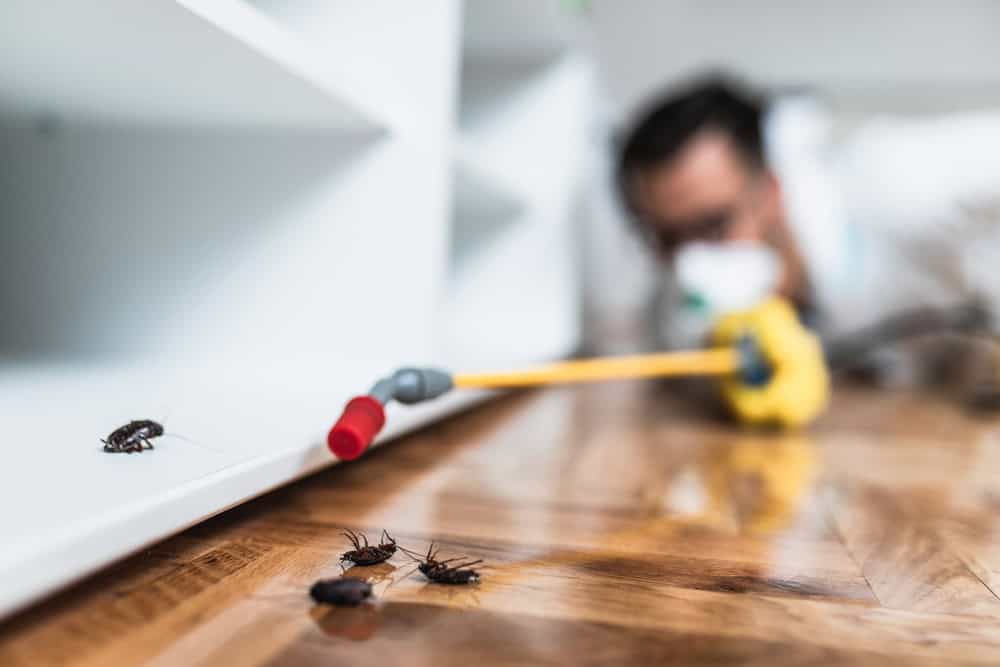
Cockroaches thrive in hot, humid conditions. American cockroaches and German cockroaches are both common. Germans reproduce quickly, making them harder to eliminate. They live near appliances and between cabinets. Heavy infestations trigger asthma in children and spread disease.
Mosquitoes breed fast in Port St. Lucie’s humid environment. They lay eggs in any standing water and can carry West Nile virus. With ideal breeding conditions year-round, mosquito control becomes ongoing rather than seasonal.
Rodents multiply faster than most homeowners realize. Rats reproduce six times annually. Mice produce litters 5 to 10 times per year. They contaminate food, damage property, chew through wiring, and spread disease through droppings and urine.
Florida’s tropical climate eliminates the natural die-off that happens in colder states. Insects don’t go dormant in winter. They stay active, breeding continuously. There are no real “seasons” when pest pressure drops. Temperatures stay warm enough year-round to keep populations growing.
This constant activity means prevention can’t be seasonal either. You can’t treat once in spring and expect protection through winter. Pests that survived your last treatment are already reproducing. New colonies move in from neighboring properties. The combination of humidity, food sources, and shelter makes homes attractive targets every day.
Even Florida’s mild winters don’t provide relief. Some pests may be slightly less active during cooler months, but ants and cockroaches remain problems. Rodents actually increase during this time, seeking warmth indoors. Occasional cold fronts don’t kill pests—they just drive them inside.
The rainy season from June to October adds another layer of challenge. Increased moisture drives cockroaches and ants indoors searching for dry shelter. Standing water creates mosquito breeding grounds. Heavy rain pushes pests from soaked soil toward drier areas, and they slip inside through gaps in doors, windows, and foundations.
Your home pest control strategy needs to account for these realities. The climate isn’t changing. Pest pressure won’t ease up. Hoping for seasonal relief that never comes doesn’t protect your property or your investment.
Prevention starts with eliminating what pests need: food, water, and shelter. Keep your home clean by vacuuming, dusting, and sweeping regularly. Wipe down countertops immediately after use. Clean up spills and crumbs promptly. Store food in airtight containers rather than original packaging that pests can access.
Moisture control matters more in Florida than drier climates. Fix water leaks, loose fixtures, and dripping faucets. Clear gutters after storms so water drains properly. Maintain air conditioning units to reduce indoor humidity. Run dehumidifiers in problem areas where moisture accumulates.
Seal entry points throughout your property. Even tiny cracks invite pests inside. Inspect windows, doors, plumbing penetrations, and electrical lines for gaps. Use caulk, weatherstripping, and mesh screens to close these openings. Mice squeeze through holes the size of a dime. Roaches need even less space.
Most pest problems start outside before moving indoors. Trim branches and bushes away from your home. Vegetation touching your roof or walls creates highways for pests to access your structure. Keep plants at least two feet from your foundation.
Remove leaf piles, excess mulch near the foundation, and standing water. These become nesting sites for roaches, termites, mosquitoes, and wasps. Keep mulch beds 12 to 18 inches from exterior walls. Bag grass clippings and remove them rather than letting them decay near your house.
Store firewood away from your home. Stacked wood near your foundation attracts termites and provides habitat for rodents. Keep it at least 20 feet from your structure if possible. Eliminate anything in your yard that collects rainwater—buckets, old tires, plant saucers, clogged gutters. Even small amounts of standing water become mosquito breeding sites.
Improve drainage around your foundation. Extend downspouts so water flows away from your home. Grade soil to direct water away rather than toward your structure. Fix areas where water pools after rain. Termites and many other pests thrive in moist environments, so controlling water and humidity significantly reduces infestation risk.
Maintain your yard regularly. Overgrown vegetation creates pest habitat and makes problems harder to spot. Regular maintenance makes your property less attractive to pests while making it easier to identify activity before infestations become established. Declutter outdoor areas, remove debris, and keep landscaping neat.
Store-bought sprays and traps treat symptoms, not causes. You might kill visible ants, but if you’re not eliminating the colony and sealing entry points, more appear in days. DIY pest control typically addresses only what you can see. Hidden problems continue growing.
Homeowners often misidentify pests, which leads to ineffective treatment. Termites look similar to flying ants. Different ant species require different approaches. Using wrong products for the pest you’re actually facing wastes time and money while the real problem expands.
Incorrect application can make infestations worse. Spraying ants with the wrong insecticide scatters colonies, causing them to split into multiple smaller colonies that are harder to eliminate. Incomplete treatments allow surviving pests to reproduce and rebuild populations. Some develop resistance to products you used, making future treatment more difficult.
DIY methods rarely address infestation sources. You might kill roaches in your kitchen without finding where they enter and breed. The nest remains. Entry points stay open. Conditions that attracted them haven’t changed. They keep coming back.
For minor issues or ongoing prevention between professional treatments, DIY steps help. But they have serious limitations with established infestations. Light problems caught early cost a fraction of what you’ll pay after pests become entrenched. Professional pest control targets sources while preventing future problems through comprehensive solutions that eliminate entire infestations, not just visible pests.
Call us immediately if you notice structural damage, gnaw marks, frass (pest droppings), or wood damage. Waiting allows pests to spread, causing more damage and higher repair costs. Early intervention saves serious money compared to dealing with established infestations requiring multiple treatments and specialized methods.
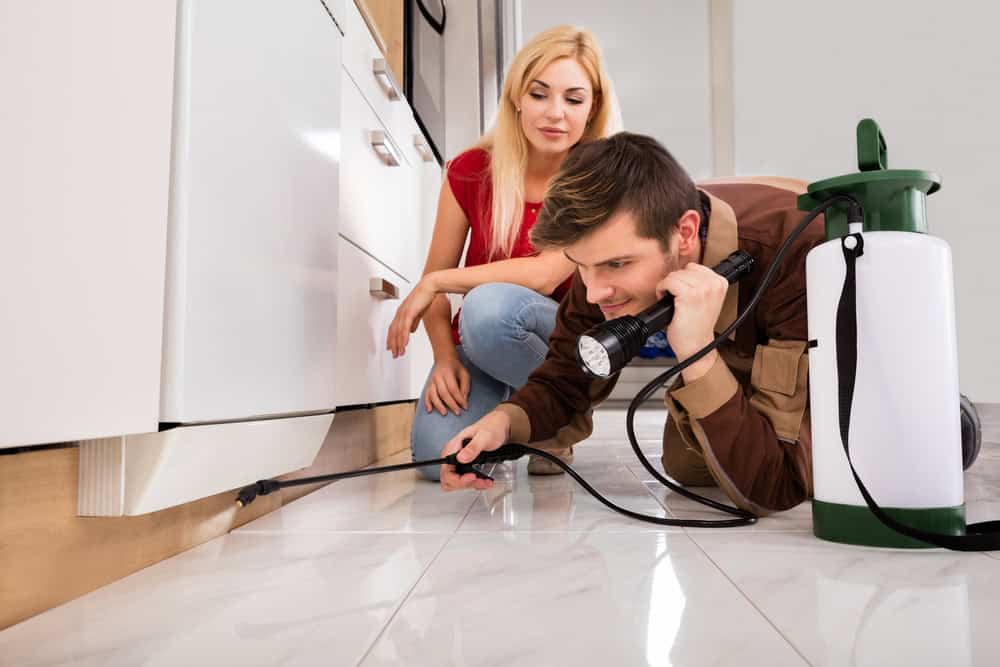
Pest control works best as prevention in Florida’s climate. Our professional services stop problems before they start rather than reacting after infestations develop. We understand local pest behavior, breeding cycles, and effective treatment methods for each species. We identify problems you might miss and address them before they become expensive disasters.
Most homes need professional pest control services quarterly or every two to three months. Monthly service may be necessary for recurring ant or cockroach problems. Regular professional attention provides ongoing protection your home needs in St. Lucie County’s challenging climate.
We’ve protected Treasure Coast homes since 2006 with eco-friendly solutions, 24/7 emergency service, and satisfaction guarantees on all work. Sometimes the smartest decision is knowing when to stop fighting alone.
Article details:
Share:
Continue learning: