Blown-in insulation offers dual protection against pests and energy loss. Learn how it works, what it costs, and when it's worth the investment.
Share:

Summary:
Blown-in pest control insulation is loose-fill cellulose made from recycled paper and treated with borates. A specialized machine blows it into your attic or wall cavities, where it settles into gaps, corners, and spaces that traditional batt insulation can’t reach.
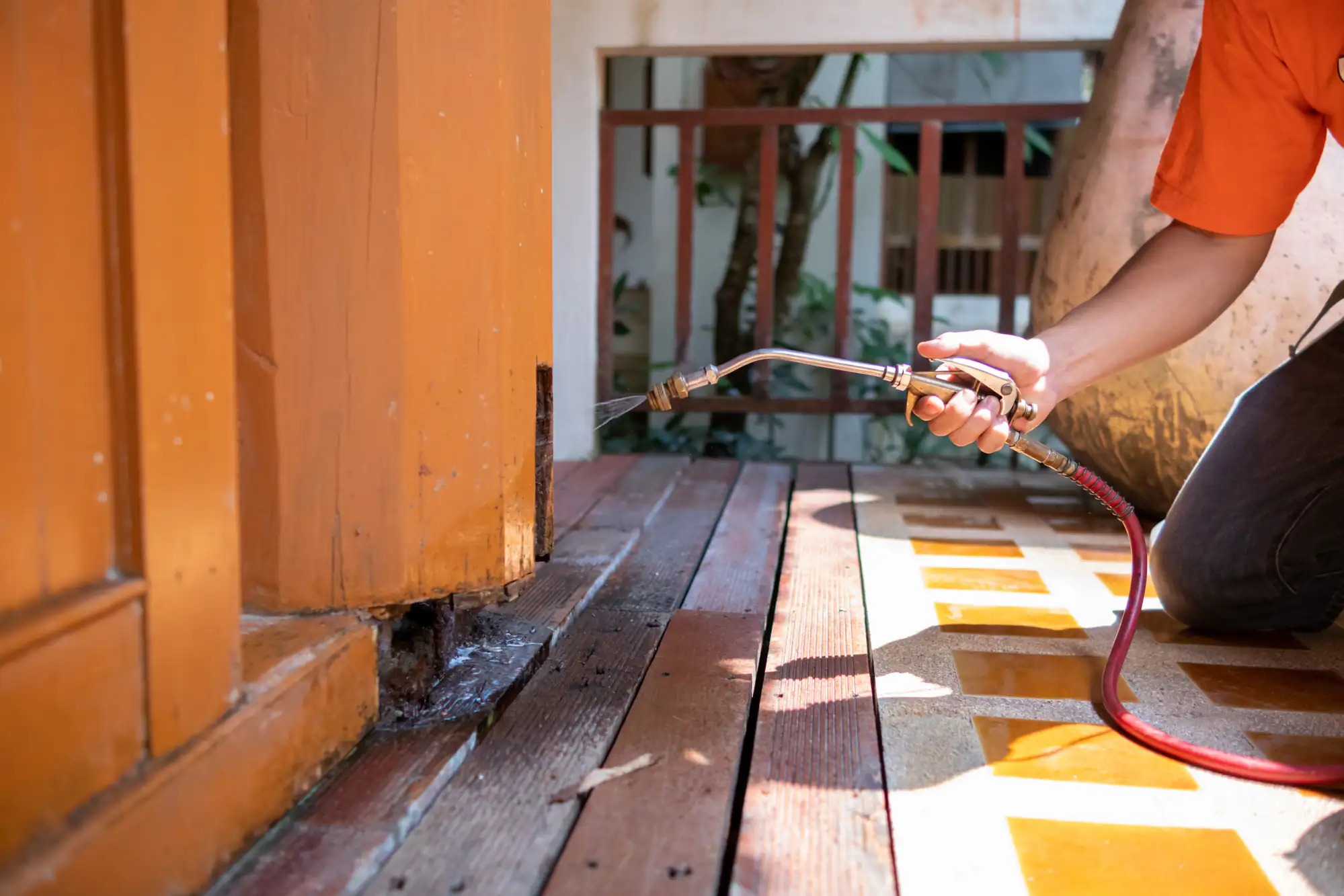
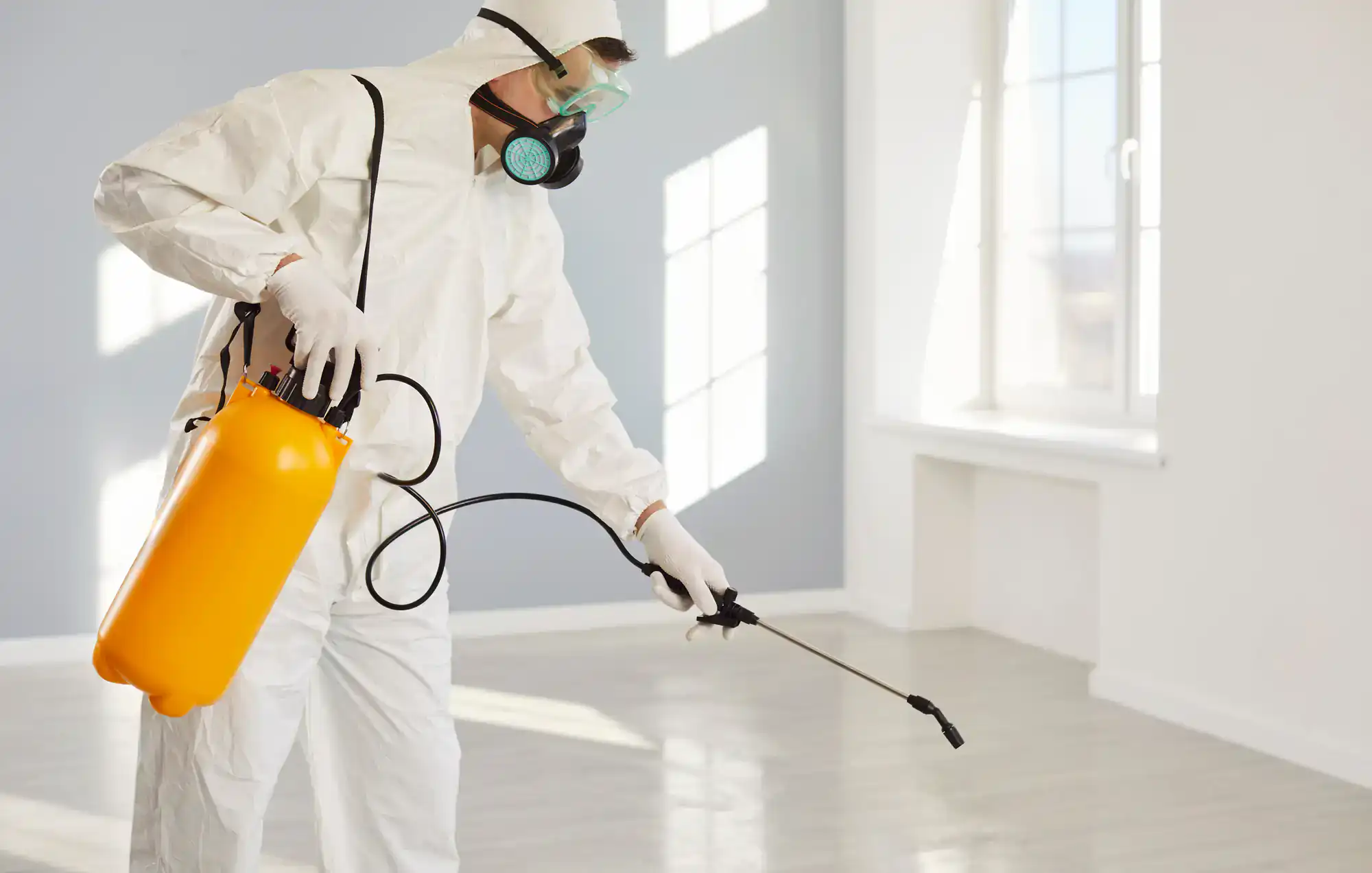
The borates are what make it work for pest control. When insects like ants, roaches, termites, or silverfish crawl through the material, the borate dust sticks to their bodies. They ingest it while grooming themselves, and because they can’t process or excrete it, it builds up in their system and kills them through dehydration and malnutrition.
For rodents, the story is different. Blown-in cellulose isn’t poisonous to them since they have livers that process borates. But the material collapses when they try to tunnel through it, making it a poor choice for nesting compared to fluffy fiberglass. It’s not a guarantee they won’t get in, but it’s a deterrent.
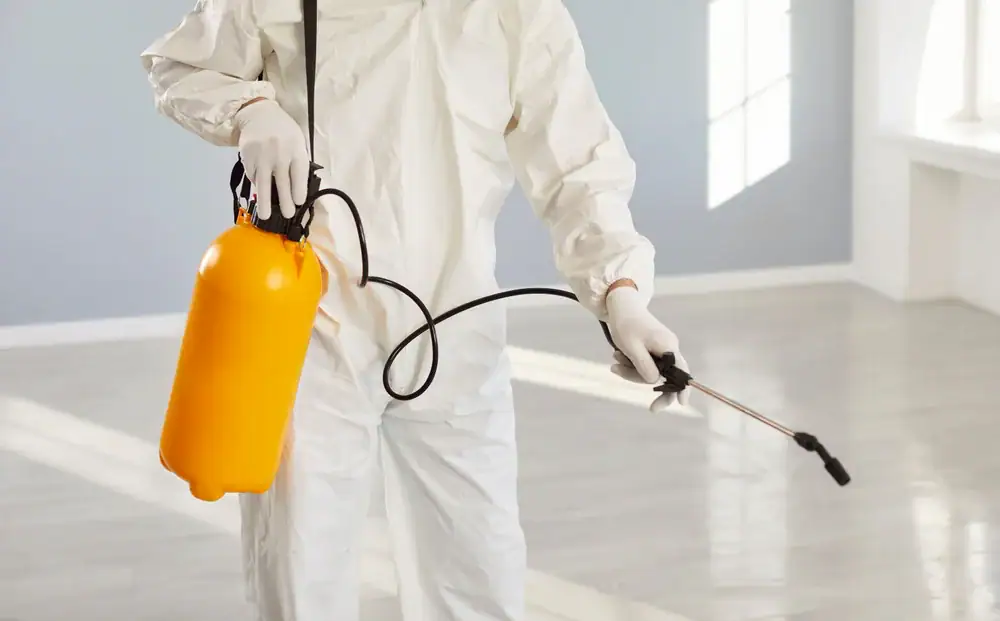
Blown-in pest control insulation is EPA-registered specifically to eliminate self-grooming insects. That includes cockroaches, ants, termites, silverfish, centipedes, crickets, and earwigs. These pests die when they come into contact with the insulation because the borate treatment disrupts their digestive and nervous systems. The effect is permanent as long as the insulation stays in place, and pests can’t develop resistance to it.
Rodents are a different challenge. Mice and rats aren’t killed by the borate, but the texture and density of blown-in cellulose make it less appealing than traditional fiberglass. Rodents prefer soft, stable material they can shred and shape into nests. Cellulose collapses under their weight and doesn’t hold its form, so they’re more likely to move on if they encounter it. That said, if your home has active entry points or food sources, insulation alone won’t keep them out. You’ll still need proper exclusion work, like sealing cracks and gaps in your roofline, soffits, and foundation.
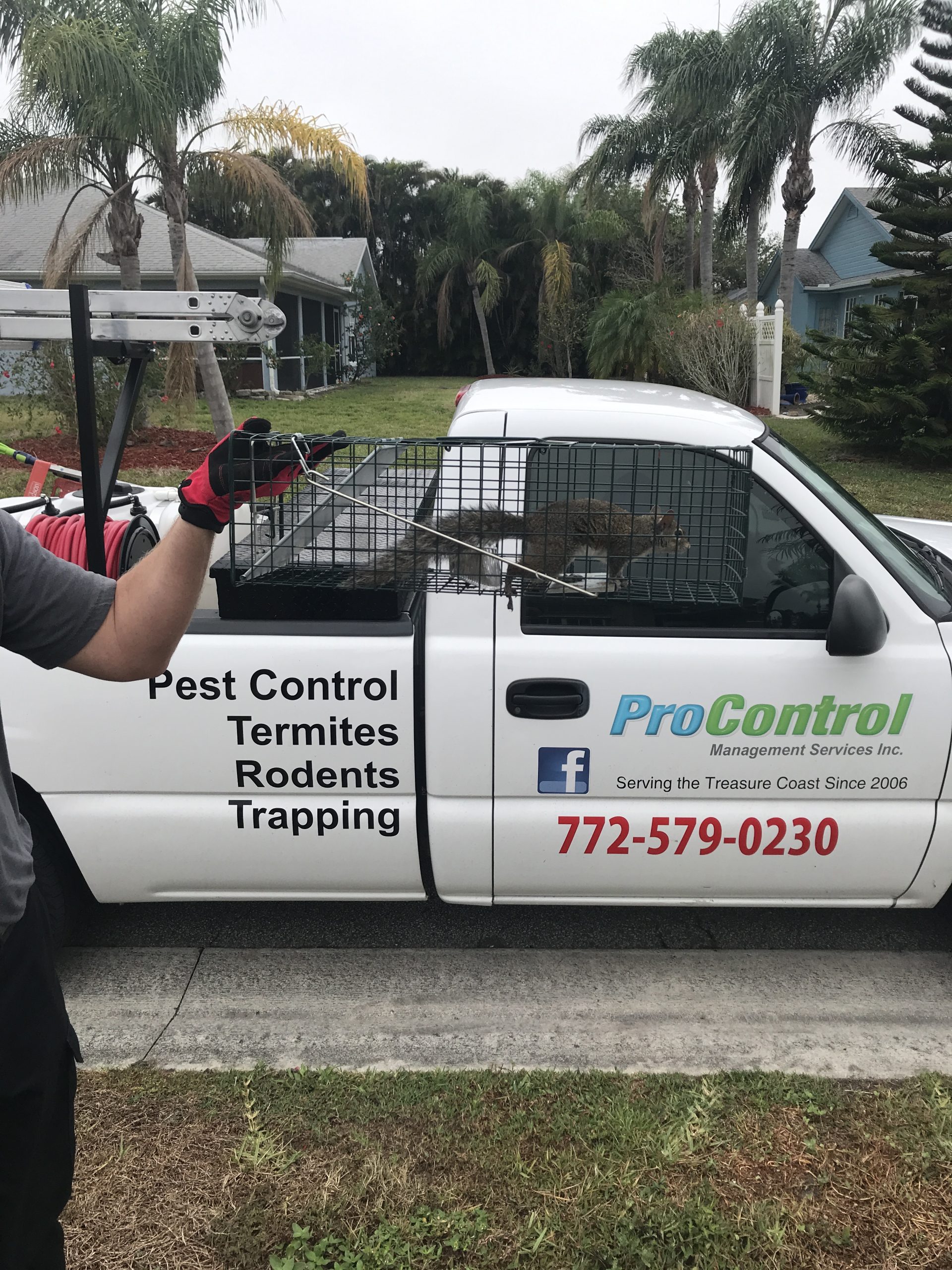
It’s also worth noting that blown-in insulation won’t stop wildlife like squirrels, raccoons, or bats. Those animals are strong enough to push through or burrow around any insulation type. If you’re dealing with larger pests, you need wildlife removal to address entry points and trapping, not just insulation.
The real value here is in prevention. Once your attic is properly insulated and pests are eliminated, the treated cellulose creates a hostile environment that discourages re-infestation. You’re not just killing what’s there now. You’re making it harder for the next wave to settle in. That’s especially important in St. Lucie County, where Florida’s year-round warmth means pest pressure never really stops.
Pest control is only half the equation. Blown-in insulation is also designed to stop heat transfer, which directly affects how hard your HVAC system has to work. In Florida, where summer heat pushes attic temperatures above 130 degrees, inadequate or damaged insulation means your air conditioner is fighting a losing battle. The U.S. Department of Energy estimates that proper attic insulation can reduce heating and cooling costs by 20 to 30 percent. That’s real money back in your pocket, especially if you’re running AC for nine or ten months out of the year.
Blown-in cellulose has a higher R-value per inch than traditional fiberglass batts, which means it resists heat flow more effectively. The R-value measures thermal resistance, and for attics in Florida, you’re typically aiming for R-30 to R-38. Cellulose achieves this with less material thickness compared to fiberglass, and because it’s blown in rather than laid down in pre-cut panels, it fills around joists, wiring, and ductwork without leaving gaps. Those gaps are where energy loss happens. Even a small opening can let conditioned air escape and hot air seep in, which forces your system to cycle more often and wear out faster.
Beyond temperature control, blown-in insulation also improves acoustic performance. The dense, interconnected fibers absorb sound, which means less noise from outside and between rooms. If you live near a busy road or have a home office, that added sound dampening can make a noticeable difference in your day-to-day comfort.
The material itself is eco-friendly. Most blown-in cellulose is made from 80 to 87 percent recycled paper, which gives it a smaller carbon footprint than fiberglass or foam. It’s also treated with fire retardants, so it won’t ignite or spread flames the way untreated paper would. That’s a safety feature that often gets overlooked but matters when you’re adding a combustible material to your attic.
Installation is faster than you might expect. A professional crew can typically complete a 1,000-square-foot attic in half a day to a full day, depending on the condition of the space and whether old insulation needs to be removed first. The machine blows the cellulose evenly across the attic floor, and the installer uses a depth gauge to ensure the correct R-value is achieved. Once it’s in, it requires very little maintenance. Unlike fiberglass batts, which can sag or shift over time, blown-in cellulose settles into place and stays put. Some settling is normal, usually around 10 to 20 percent, but it doesn’t compromise performance as long as the initial installation was done to the right depth.
Traditional batt insulation comes in pre-cut rolls or panels, usually made of fiberglass, that fit between attic joists or wall studs. It’s inexpensive, widely available, and easy to install in new construction. But it has limitations that become obvious when you’re dealing with an existing home or pest problems.
Batts leave gaps. They’re manufactured in standard widths, so if your joist spacing is slightly off or there are obstructions like wiring or ductwork, you end up with spaces that aren’t insulated. Those gaps are thermal bridges where heat escapes, and they’re also entry points for pests. Blown-in insulation doesn’t have that problem. It conforms to irregular spaces and fills around obstacles, creating a continuous thermal barrier.
Batts also sag over time. Gravity pulls them down, especially in vertical applications like walls, which creates pockets of uninsulated space. Blown-in cellulose doesn’t sag because it’s not hanging from anything. It sits on the attic floor or is densely packed into wall cavities, so it maintains its coverage for decades.
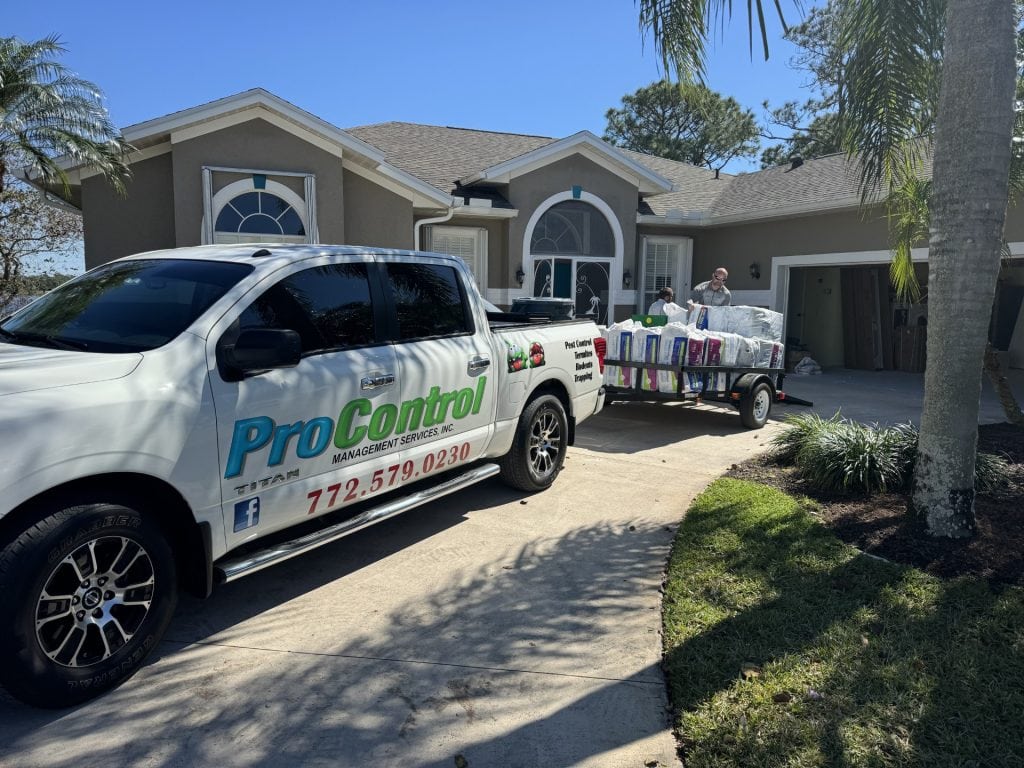
Blown-in insulation is ideal for retrofit projects where you’re adding insulation to an existing attic without tearing out what’s already there. It can be installed on top of old batts to boost the R-value, or it can replace contaminated insulation that’s been damaged by rodents or water. If you’ve had a rodent problem in the past, chances are your existing fiberglass is shredded, soiled, and no longer doing its job. Removing it and replacing it with blown-in cellulose gives you a fresh start with built-in pest protection.
It’s also a smart choice if your attic has irregular spacing, lots of wiring, or hard-to-reach corners. The blown-in method gets into places that batts can’t, which means better coverage and fewer weak spots. That’s especially important in older homes where framing might not be standard or where previous renovations created odd configurations.
Cost is another factor. While blown-in insulation requires professional installation and specialized equipment, the overall expense is often comparable to or lower than batt insulation when you factor in labor. Batts are cheap to buy, but they’re time-consuming to install properly, especially if you’re working around obstacles. Blown-in goes in faster, which keeps labor costs down. For a 1,000-square-foot attic, you’re looking at $1,500 to $2,800 on average, depending on the R-value you’re targeting and whether you need old insulation removed first.
The investment pays off through energy savings. If your current insulation is inadequate or damaged, you’re probably losing 20 to 30 percent of your conditioned air through the attic. That translates to higher utility bills every month. By upgrading to blown-in insulation, you can recoup the installation cost within two to five years, depending on your energy usage and local rates. After that, it’s pure savings. You’re also reducing wear on your HVAC system, which extends its lifespan and delays the need for costly repairs or replacement.
If you’re dealing with active pest issues, blown-in pest control insulation makes even more sense. You’re solving two problems with one project instead of paying for separate pest control treatments and insulation upgrades. That’s a more efficient use of your budget, and it gives you long-term protection instead of temporary fixes.
Pricing for blown-in insulation depends on the size of the area, the R-value you’re targeting, and whether you need prep work like removing old insulation or sealing air leaks. In St. Lucie County, you can expect to pay between $1.00 and $2.80 per square foot for blown-in cellulose, including labor and materials. That puts a typical 1,000-square-foot attic in the $1,500 to $2,800 range. If you’re going with a pest control insulation product that’s EPA-registered, the cost might be slightly higher, but you’re getting dual functionality.
Removal of old insulation adds to the cost. If your attic has contaminated fiberglass from rodent activity, it needs to come out before new insulation goes in. Removal typically runs $1 to $2 per square foot, so for a 1,000-square-foot attic, you’re looking at an additional $1,000 to $2,000. That might sound steep, but leaving contaminated insulation in place is a health risk. Rodent droppings and urine can carry diseases like Hantavirus, and the smell lingers even after the pests are gone.
Air sealing is another cost to consider. Before blown-in insulation is installed, any gaps or cracks in the attic floor should be sealed to prevent air leakage. This is usually done with spray foam or caulk around penetrations like light fixtures, plumbing vents, and wiring holes. Air sealing adds $0.50 to $1.00 per square foot, but it’s worth it. Without it, you’re still losing conditioned air, which undermines the insulation’s effectiveness.
The R-value you choose affects the total cost. Higher R-values require more material, which increases the price. For Florida, R-30 to R-38 is standard for attics, but if you’re in an area with more extreme temperature swings or if your home has high ceilings, you might go higher. Each bump in R-value adds material and installation time, so discuss your specific needs with the installer to find the right balance between performance and budget.
Some companies offer financing or seasonal discounts, especially during slower months. It’s worth asking about payment options if the upfront cost is a concern. You can also check for utility rebates or tax credits for energy-efficient home improvements. The federal government has offered tax credits for insulation upgrades in recent years, which can offset part of the expense. Your installer should be able to point you toward available incentives.
When comparing quotes, make sure you’re looking at the same scope of work. Some companies include air sealing and old insulation removal in their base price, while others charge separately. Ask for a detailed breakdown so you know exactly what you’re paying for. And don’t assume the cheapest bid is the best value. Installation quality matters. If the insulation isn’t blown to the correct depth or if air leaks aren’t sealed properly, you won’t get the energy savings or pest protection you’re expecting.
If you’re dealing with rodents in your attic, high energy bills, or both, blown-in pest control insulation offers a practical solution that addresses multiple problems at once. It fills gaps that traditional batts miss, creates a hostile environment for insects, and improves your home’s thermal performance. The upfront cost is comparable to other insulation options, and the long-term savings through reduced energy use and fewer pest control treatments make it a smart investment for most St. Lucie County homeowners.
The key is working with a licensed professional who understands both pest control and insulation. We’ve been helping Treasure Coast homeowners solve pest problems since 2006, and we know how to assess your specific situation and recommend the right approach. Whether you need old insulation removed, entry points sealed, or a full attic upgrade, we can walk you through the process and give you a clear estimate.
Don’t wait until rodents have destroyed your existing insulation or until your next energy bill makes you wince. Get ahead of the problem with a solution that works on both fronts.
Article details:
Share:
Continue learning: