Professional pest control involves more than just spraying. Discover the full process, from inspection to follow-ups, and what makes a qualified technician worth hiring.
Share:
Summary:
The inspection comes first. Always. A good technician won’t show up and start spraying without knowing what they’re dealing with.
During the inspection, your technician walks the property—inside and out. We’re looking for active pests, signs of damage, entry points, and conditions that attract infestations. Attics, basements, crawl spaces, foundations, and even your landscaping all get checked.
This isn’t a quick walkthrough. A thorough inspection can take 30 minutes to an hour depending on your property size. The technician should explain what they’re finding as they go, not disappear into your crawl space and reappear with a clipboard full of jargon.
Technicians aren’t just hunting for bugs. We’re identifying why pests chose your property in the first place.
Entry points matter. Cracks in your foundation, gaps around doors and windows, damaged screens, unsealed utility lines—these are highways for pests. In St. Lucie County, FL, where humidity stays high year-round, moisture issues also flag potential problems. Standing water, clogged gutters, and poor drainage attract mosquitoes, termites, and rodents.
Your technician should also check for pest-conducive conditions. Mulch piled against your foundation, overgrown vegetation touching your home, firewood stacked too close—all of these create shelter and food sources. Tree branches that touch your roof? That’s an access point for rodents and carpenter ants.
Inside, we’re looking for droppings, nests, gnaw marks, and damage. Termites leave mud tubes along walls and foundations. Rodents leave grease marks along baseboards where they travel. Roaches hide in warm, moist areas like under sinks and behind appliances. Each pest leaves specific evidence, and identifying it correctly determines the treatment plan.
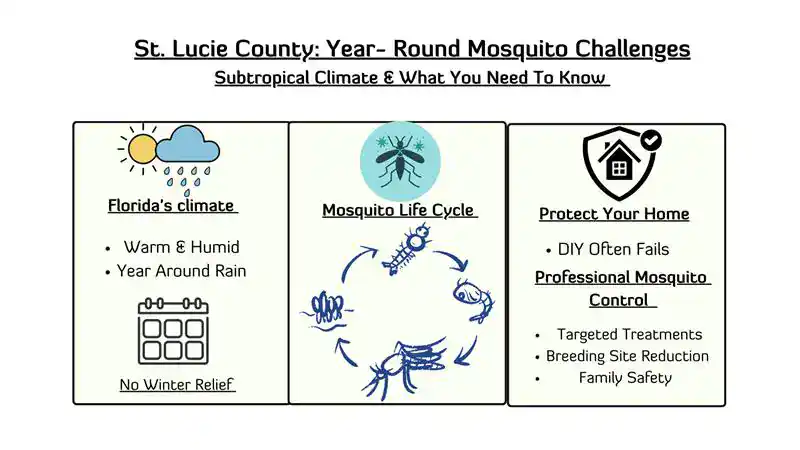
Florida’s warm climate means pests don’t take a break. Subterranean termites, palmetto bugs, fire ants, and mosquitoes stay active all year. That’s why local expertise matters. A technician who understands St. Lucie County’s pest pressure knows where to look and what to expect in each season.
Not all pest problems look the same, even if you think you know what you’re dealing with. Misidentification leads to wrong treatments, wasted money, and pests that keep coming back.
Take ants, for example. You might see small black ants in your kitchen and assume they’re all the same. But sugar ants, carpenter ants, and fire ants require completely different approaches. Carpenter ants tunnel through wood and cause structural damage. Sugar ants just want food. Fire ants build outdoor mounds and deliver painful stings. The treatment for one won’t work for another.
Termites present a similar challenge. Subterranean termites live underground and build mud tubes to access wood. Drywood termites fly in and burrow directly into wood without needing soil contact. The signs differ, the damage patterns differ, and the treatments differ completely.
Your technician should be able to explain what pest you have, how they identified it, and why it matters. If they can’t, that’s a red flag. Professional identification includes looking at physical evidence, understanding pest behavior, and sometimes even using diagnostic tools like moisture meters to find hidden activity.
In Florida, licensed pest control technicians must pass state exams covering pest identification, treatment methods, and safety protocols. This isn’t optional. The Florida Department of Agriculture and Consumer Services requires it. When you hire a licensed technician, you’re getting someone who’s proven they know the difference between pests and how to handle each one correctly.
The inspection report should detail everything found. Active infestations, conditions that could lead to future problems, and recommended treatments. You shouldn’t have to guess what’s happening or why certain areas need attention.
Once the inspection is complete and you’ve approved the treatment plan, the actual work begins. How this looks depends entirely on what pest you’re dealing with and how severe the infestation is.
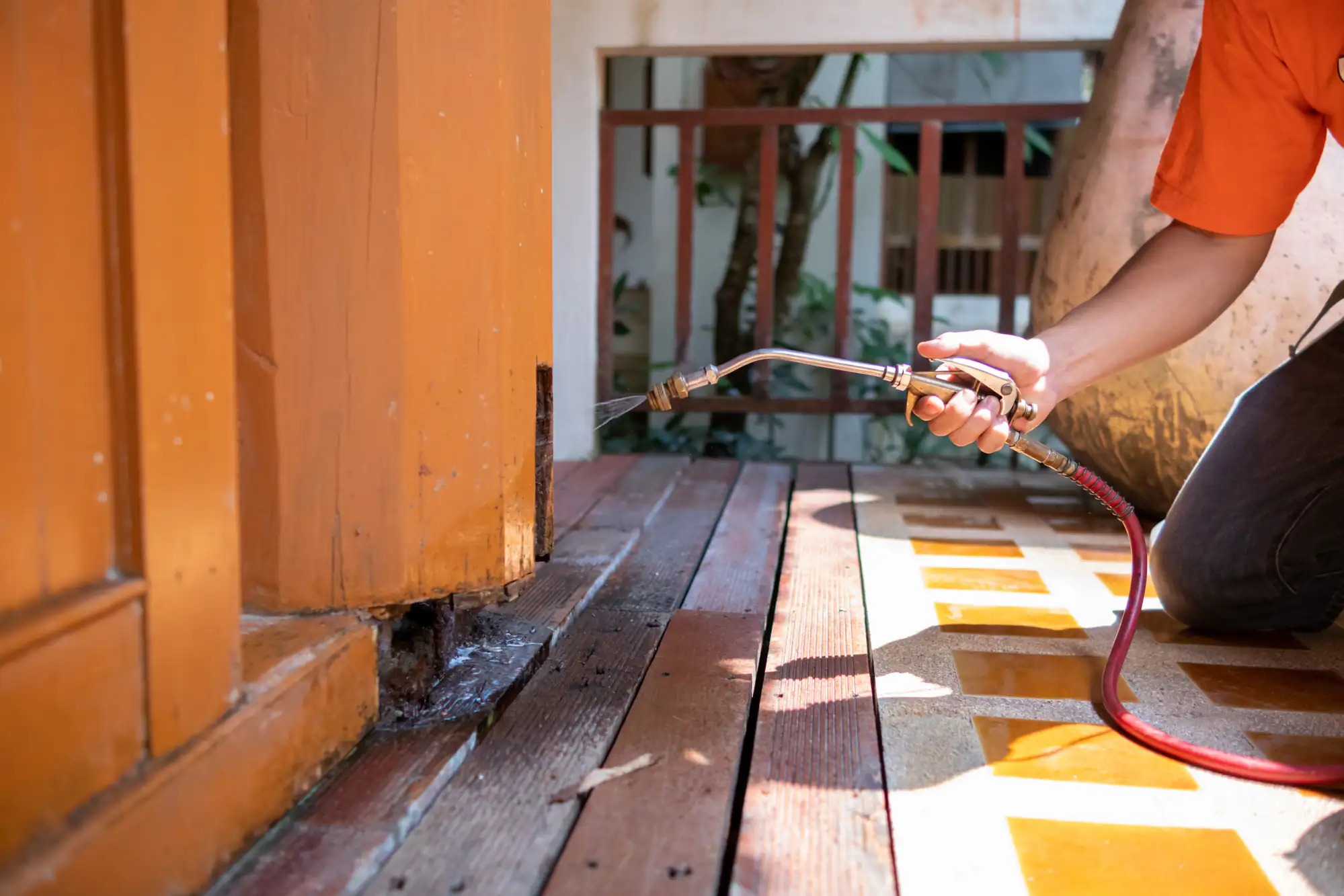
Treatments aren’t one-size-fits-all. Some pests respond to exterior barrier treatments. Others require interior applications, baiting systems, or traps. Termites might need liquid treatments around your foundation or monitoring stations in your yard. Rodents need traps placed in strategic locations based on their travel patterns.
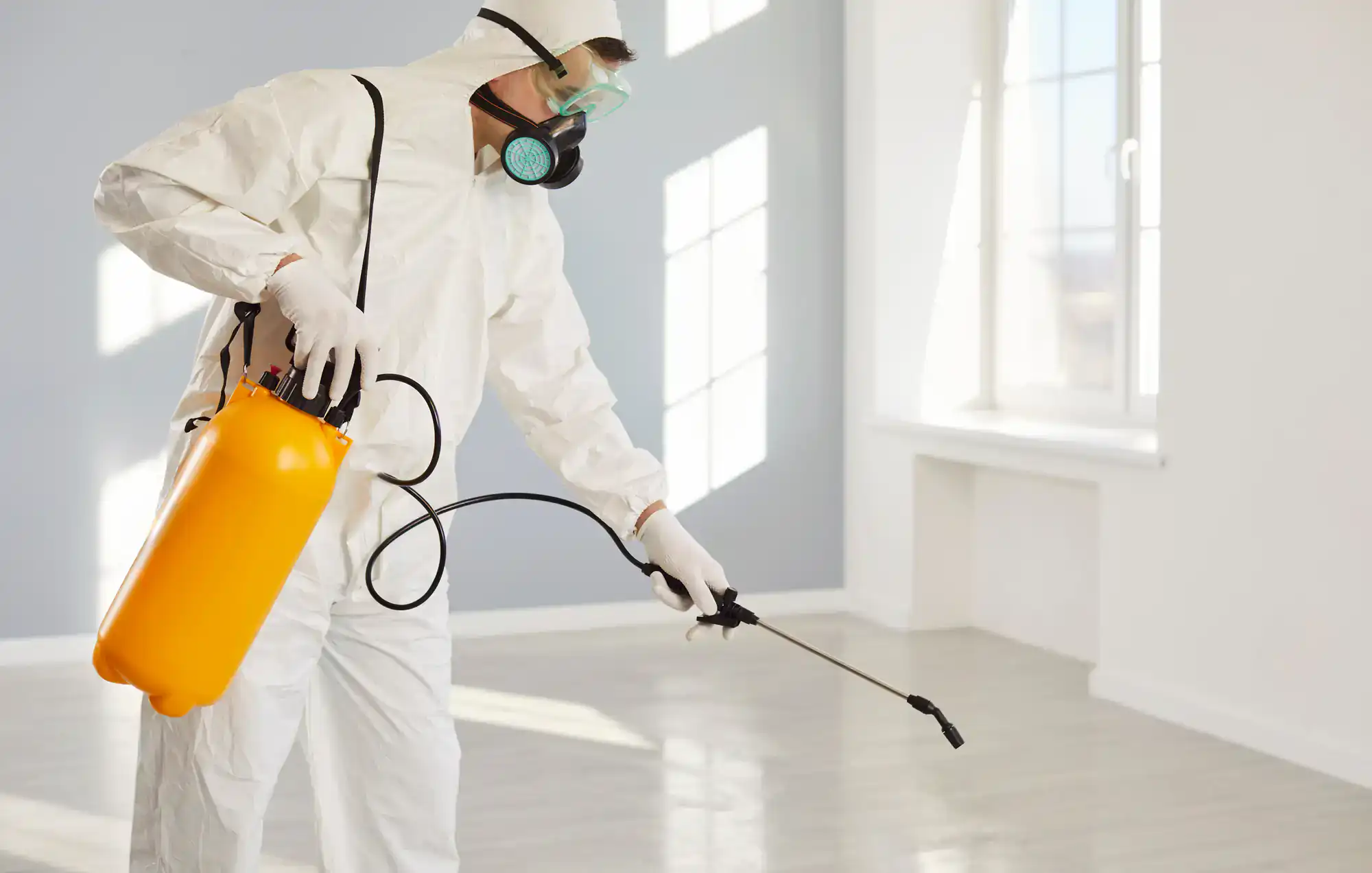
Your technician should walk you through what they’re doing and why. If we’re applying products, we’ll explain where, how long it takes to dry, and any precautions you need to take. Most modern treatments are designed to target pests while remaining safe for families and pets when applied correctly.
The type of treatment depends on the pest, the severity, and your property’s specific conditions. Here’s what different approaches actually accomplish.
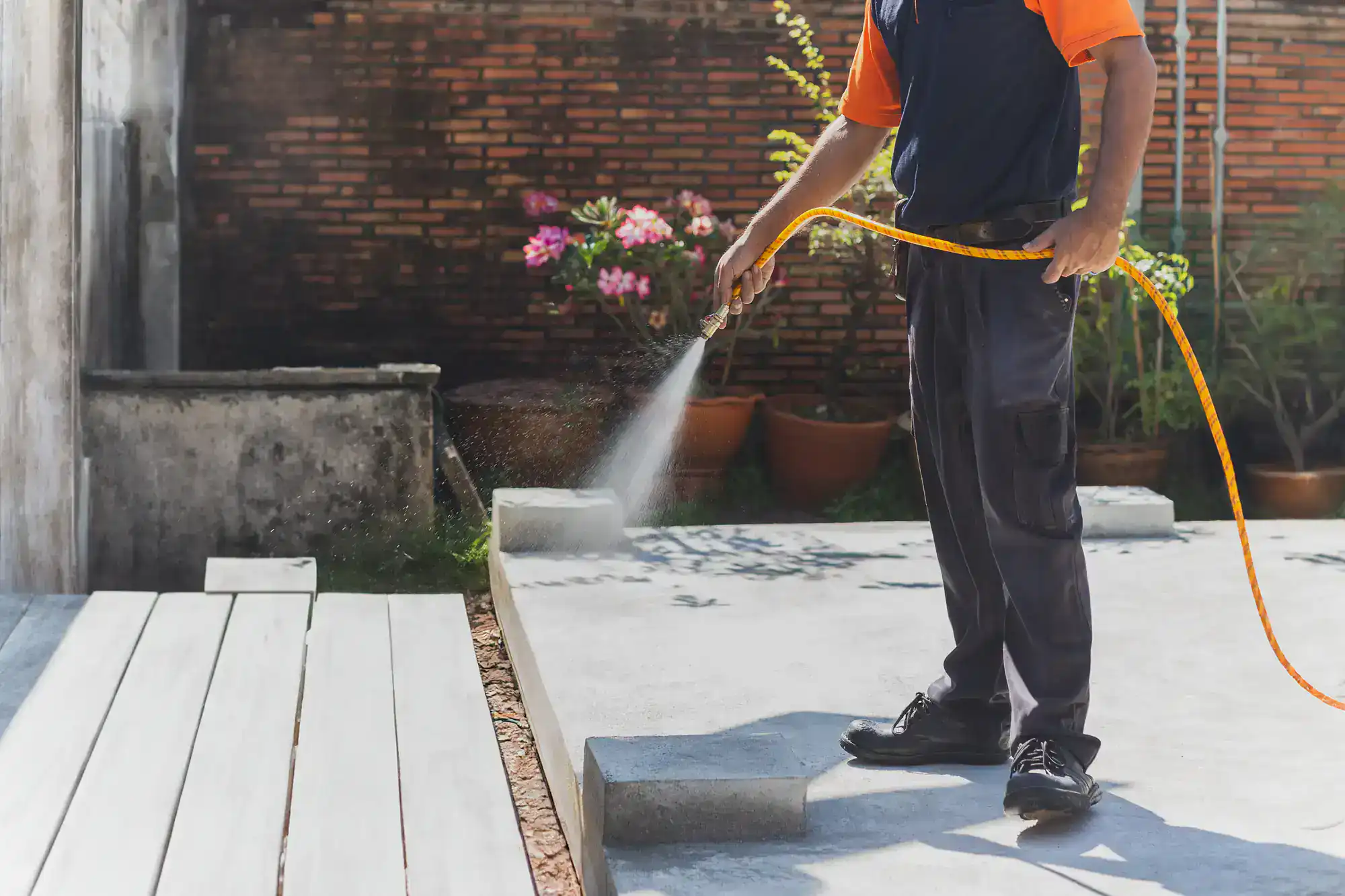
Barrier treatments create a protective zone around your home’s exterior. Technicians apply products along your foundation, around doors and windows, and in other areas where pests try to enter. These treatments typically last 60 to 90 days before needing reapplication. They work well for general pest prevention—ants, spiders, roaches, and other crawling insects.
Baiting systems work differently. Instead of killing pests on contact, baits attract pests who then carry the product back to their colony. This method works particularly well for ants and termites because it targets the entire colony, including the queen. Results take longer—sometimes weeks—but they’re more thorough than surface treatments alone.
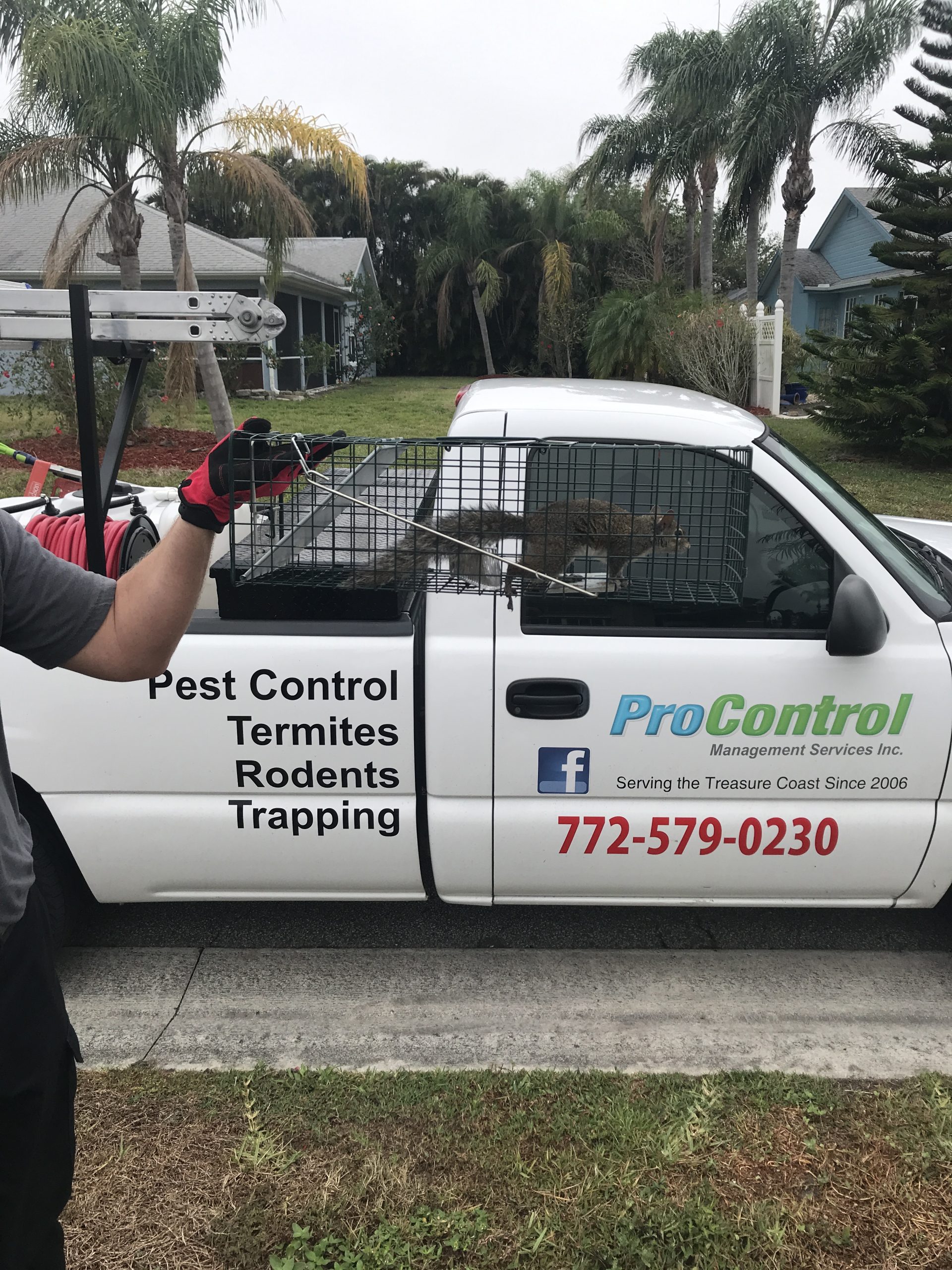
Trapping is the primary method for rodent control. Snap traps, live traps, and bait stations get placed along walls and in areas where rodents travel. Effective rodent control also includes sealing entry points, because trapping alone won’t solve the problem if more rodents can get in.
For termites, liquid treatments create a chemical barrier in the soil around your foundation. Termites can’t detect it, they cross through it, and the treatment eliminates the colony. Termite baiting stations offer an alternative—they monitor for termite activity and deliver treatment directly to the colony when detected.
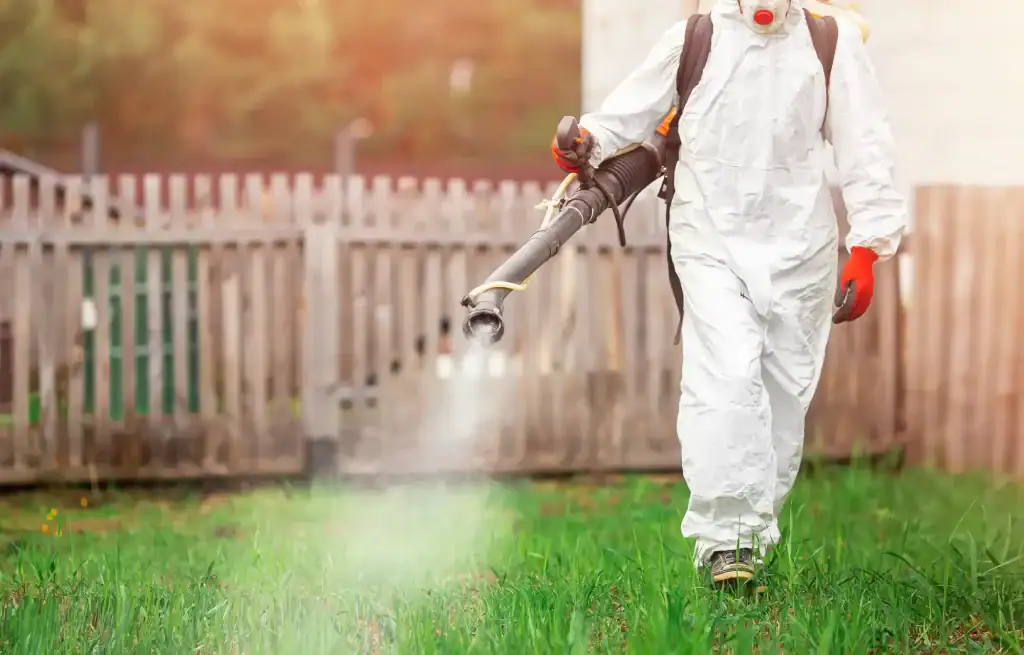
Some situations require specialized approaches. Bed bugs often need heat treatments or multiple chemical applications because they’re extremely resilient. Mosquito control focuses on eliminating breeding sites and treating outdoor areas where adults rest. Wildlife removal involves humane trapping and exclusion work to prevent re-entry.
Professional-grade products work better than what you can buy at a store. Technicians have access to concentrated formulations, specialized equipment, and application methods that deliver better results with less product. We also know proper dilution rates, application techniques, and safety protocols.
One treatment rarely solves everything. Pest control works best as an ongoing process, not a one-time event.
Follow-up visits serve multiple purposes. They confirm the initial treatment worked, catch any remaining pest activity, and address new issues before they become infestations. For severe problems, follow-ups might happen within days or weeks. For prevention, quarterly visits work well for most homes.
Quarterly service plans make sense in St. Lucie County, FL because pests don’t follow a calendar. Termites swarm in spring. Mosquitoes peak in summer. Rodents seek indoor shelter in cooler months. Ants and roaches stay active year-round. Regular treatments adapt to these seasonal patterns and keep your home protected through all of them.
Most professional plans include unlimited service calls between scheduled visits. If you spot pest activity, you call, and we come back at no extra charge. This guarantee matters because it shows the company stands behind their work.
Ongoing service also costs less in the long run. Preventing infestations is cheaper than eliminating them once they’re established. A small ant problem caught early takes one visit. A colony that’s been building in your walls for months requires multiple treatments, possible repairs, and more time.
Your technician should keep detailed records of each visit. What was treated, what products were used, what conditions changed, and what to watch for next. This documentation helps track patterns, adjust treatments, and ensure nothing gets missed over time.
Prevention includes more than just treatments. Good technicians offer recommendations—seal this gap, fix that moisture problem, trim back those branches. These aren’t upsells. They’re ways to reduce pest pressure and make treatments more effective. When you address the conditions that attract pests, you need less product and fewer emergency calls.
Not all pest control companies operate the same way. The difference between a good experience and a frustrating one often comes down to licensing, experience, and how we communicate.
In Florida, legitimate pest control businesses and technicians must be licensed through the state. This means we’ve passed exams, met experience requirements, and carry proper insurance. You can verify licenses through the Florida Department of Agriculture and Consumer Services. If a company can’t provide their license number, walk away.
Look for companies with local experience. Pest pressure in St. Lucie County, FL differs from other parts of the state. A company that understands the Treasure Coast’s specific challenges—humidity, soil conditions, common pest species—will deliver better results than a generic national chain following a script.
ProControl Management Services has served St. Lucie County since 2006, offering eco-friendly pest control solutions with 24/7 emergency availability and a satisfaction guarantee. When you’re ready to address your pest problems with a team that knows the area, local expertise makes all the difference.
Article details:
Share:
Continue learning: