Florida's pest control compliance rules catch a lot of business owners off guard. Here's what you actually need to know before your next inspection.
Share:
Summary:
If you own or manage a business in St. Lucie County, pest control isn’t just a maintenance item — it’s a compliance issue. Florida’s Division of Hotels and Restaurants conducts unannounced inspections, and pest evidence isn’t a minor note on the report. It’s a High Priority violation. That means re-inspections, potential fines, and in some cases, temporary closure. Most business owners don’t think about any of this until something goes wrong. This guide walks you through what Florida actually requires, what proper documentation looks like, and how to make sure your pest management program holds up when it matters most.
Florida food service establishments operate under some of the strictest pest control standards in the country. The state’s Division of Hotels and Restaurants — part of the Department of Business and Professional Regulation — inspects restaurants without advance notice and uses a tiered violation system. Pest-related findings, including live insects, rodent droppings, or dead pests near food prep areas, are automatically classified as High Priority violations.
That classification matters. A single High Priority violation triggers a mandatory follow-up inspection, creates a public record, and can result in fines ranging from $50 to $1,000 per violation. Accumulate enough of them and you’re looking at license suspension. The cost of prevention is a fraction of what one bad inspection cycle costs in fines, lost business, and recovery time.
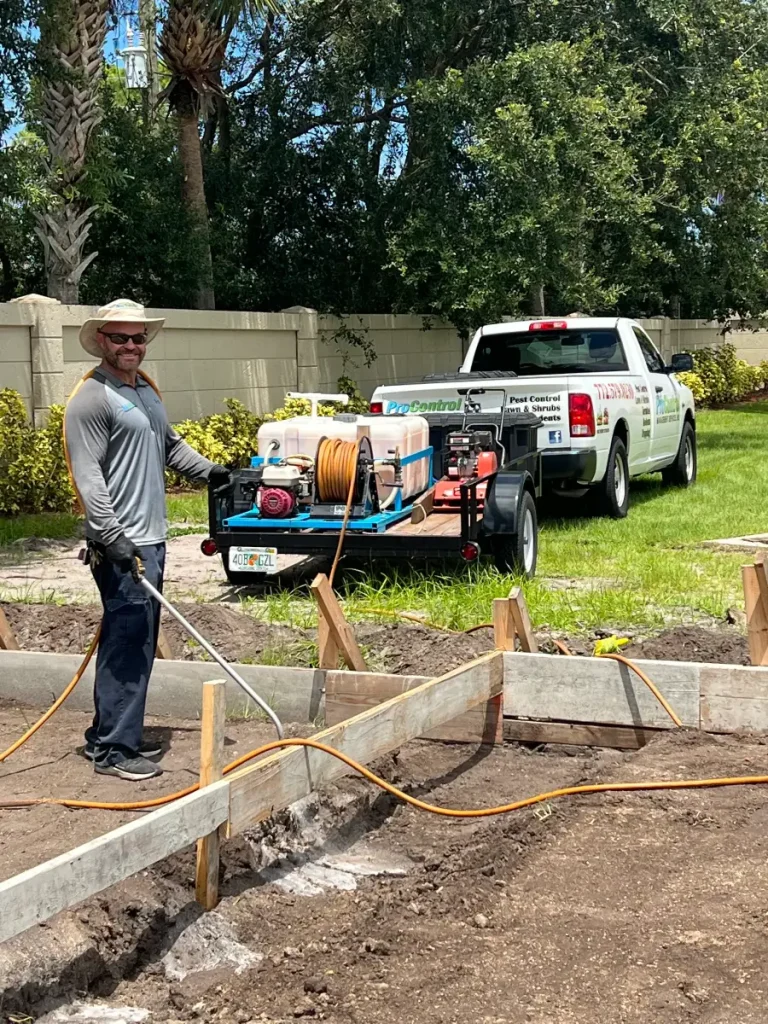
Here’s something a lot of restaurant owners don’t realize until they’re standing in front of an inspector: it’s not enough to have a pest control company come out. You need documentation — and it needs to be specific. Florida health inspectors can request your pest control service records on the spot during any inspection, and a generic receipt from a technician won’t cut it.
What they’re actually looking for is a written service report that includes the name and Florida license number of the pest control company, the date of service, the specific pests that were treated, the products used along with their EPA registration numbers, and the technician’s signature. Every visit should generate one of these reports, and you should be keeping them on-site and accessible. Inspectors have seen every version of “the paperwork is at home” — it doesn’t help you.
We provide written documentation after every visit that satisfies exactly what DBPR inspectors are trained to look for. That’s not an extra step — it’s part of the job. But not every pest control company operates this way, and if you’ve been working with a provider who doesn’t leave paperwork behind, you may be exposed without knowing it.
In St. Lucie County specifically, the restaurant corridor along US-1 through Fort Pierce and the commercial strips off Port St. Lucie Blvd. and Gatlin Blvd. are areas where DBPR inspection activity is consistent. If your business sits in one of these areas and you’re not maintaining current pest control records, that’s a risk worth addressing now rather than after an inspector shows up.
Of all the pests that show up in Florida food service inspections, German cockroaches are responsible for more violations than anything else. They’re small, fast, and built for commercial kitchen environments — they thrive in the heat, moisture, and food residue that accumulates in even the cleanest operations. Under South Florida’s year-round warmth, a single pair can produce a population of several thousand within a year. By the time you see one during business hours, the infestation is already established.
What makes them particularly difficult in a compliance context is that they hide in places that don’t get cleaned during normal operations — inside equipment panels, behind refrigeration units, under prep tables, inside wall voids near plumbing. A surface-level treatment won’t reach them. Neither will a quarterly spray-and-go visit from a technician who doesn’t know your kitchen layout.
Effective German cockroach control in a commercial kitchen requires a treatment approach that targets harborage points specifically, uses gel bait and crack-and-crevice applications that are safe for food prep environments, and includes a follow-up protocol because these populations don’t collapse after one treatment. We use eco-friendly methods that are specifically suited for food service environments — effective enough to solve the problem, safe enough that your kitchen doesn’t smell like chemicals the next morning and your customers aren’t affected.
We’ve been called into St. Lucie County restaurants more than once after another pest control company failed to get a cockroach problem under control. The pattern is usually the same: the previous provider used a general treatment approach, the population rebounded, and the business owner found out the hard way during an inspection. Industry-specific protocols aren’t a marketing phrase — they’re the actual difference between a treatment that holds and one that doesn’t.
Restaurants get most of the attention when it comes to pest control compliance, but they’re not the only businesses with documentation requirements. Hotels, retail food establishments, healthcare-adjacent businesses, and any operation that handles food storage or preparation is subject to inspection standards that include pest management records.
Florida Statute Chapter 482 governs all pest control operators in the state. Any company performing commercial pest control must hold a valid license from the Florida Department of Agriculture and Consumer Services. That’s not optional, and it’s not just a formality — if your current provider isn’t licensed under Chapter 482, their treatments don’t satisfy the legal standard, and you carry the liability for that gap.
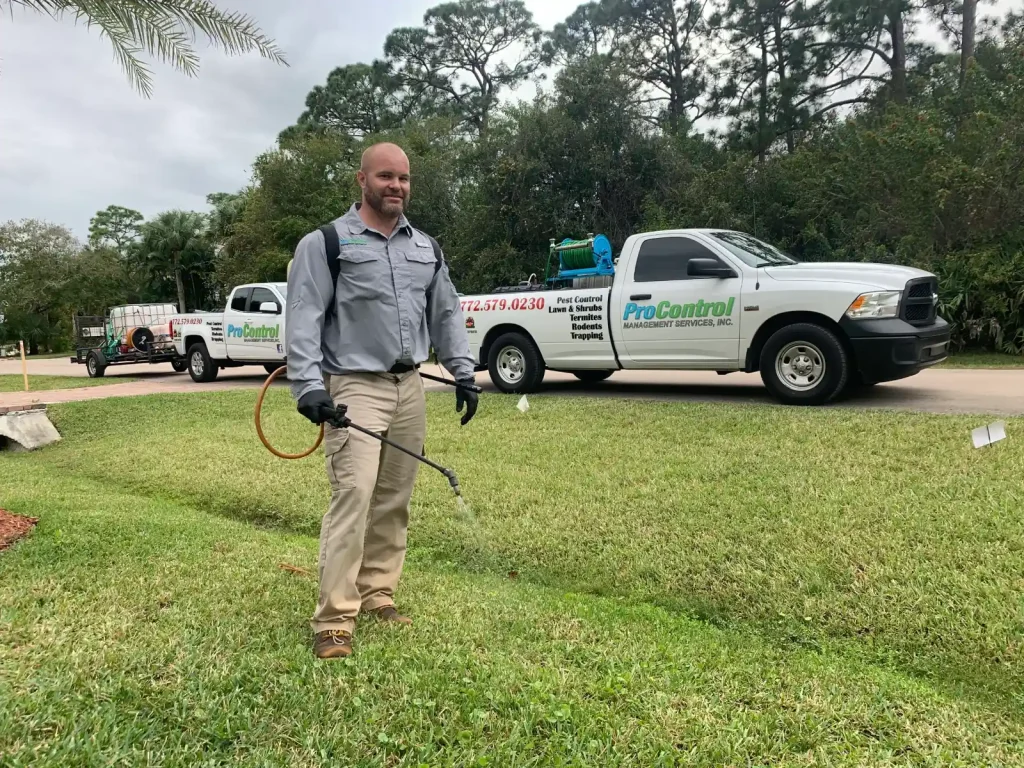
Beyond health department requirements, pest control documentation is increasingly showing up in commercial lease agreements and business insurance policies. Commercial landlords — particularly in newer developments like those along the Crosstown Parkway corridor and in the Tradition area of Port St. Lucie — sometimes require tenants to maintain an active pest management program as part of the lease. If you can’t produce records showing regular, licensed service, you may be in technical violation of your lease terms.
On the insurance side, some commercial property and liability policies include language about pest-related damage exclusions. A documented pest management program doesn’t just protect you from inspectors — it creates a paper trail that can matter if a claim ever involves pest-related property damage or a customer complaint.
The practical takeaway is that your pest control records serve multiple audiences: health inspectors, your landlord, your insurer, and your own staff. A properly structured commercial pest management program generates documentation that satisfies all of them. That means working with a provider who treats documentation as part of the service, not an afterthought.
We’re fully licensed and insured, and every commercial account we service receives written reports that include all the information those audiences are looking for. If you’ve never actually reviewed what your current provider leaves behind after a visit, it’s worth pulling the last few reports and checking whether they include license numbers, product names with EPA registration numbers, and a technician signature. If they don’t, you have a gap.
A pest management program isn’t just a service schedule — it’s a documented plan that outlines what pests are being monitored, how treatments are applied, and what happens when activity is detected between visits. For commercial accounts in St. Lucie County, where pest pressure doesn’t follow a seasonal pattern, that program needs to account for year-round activity and the specific vulnerabilities of your building and business type.
The starting point is a thorough inspection — not a walk-through, but an actual assessment of entry points, moisture sources, harborage areas, and any existing activity. From there, the program should be built around Integrated Pest Management principles, which means combining exclusion work, targeted treatment, and ongoing monitoring rather than defaulting to blanket chemical application. This approach is more effective over time and significantly safer for businesses where customers and food are present.
Scheduled service visits — typically monthly for food service accounts and quarterly for lower-risk commercial properties — should generate written reports every time. Between visits, there should be a clear process for emergency response if activity is detected. A pest problem that surfaces three days before a scheduled visit shouldn’t have to wait three days for attention.
St. Lucie County’s rainy season, which runs from roughly June through October, is when commercial accounts see the sharpest increase in pest activity. Heavy rainfall drives cockroaches, rodents, and ants indoors as they look for dry, elevated spaces. Businesses along the waterfront or near the Indian River Lagoon see this more acutely because of the wildlife populations those ecosystems support. A well-structured pest management program accounts for that seasonal surge with adjusted monitoring and treatment frequency during those months — not the same visit schedule year-round regardless of conditions.
We’ve been operating on the Treasure Coast since 2006, which means we’ve worked through enough rainy seasons and inspection cycles to know where the vulnerabilities show up and when. That local experience shapes how we build commercial programs, and it’s the kind of thing you don’t get from a national chain dispatching a technician who’s never been to St. Lucie County before.
Florida’s compliance requirements aren’t going to get simpler, and pest pressure in South Florida isn’t going to let up. What you can control is whether your pest management program is built to hold up — with the documentation, the licensed provider, and the industry-specific approach that actually protects your business.
If you’re not sure whether your current program meets Florida’s standards, or if you’ve had a provider that hasn’t been solving the problem, it’s worth getting a second opinion before an inspector shows up to give you one. A free estimate costs you nothing and tells you exactly where you stand.
We’ve been serving businesses across St. Lucie County and the Treasure Coast since 2006. Reach out to talk through what your operation actually needs — no pressure, just a straight answer.
Article details:
Share:
Continue learning: