Honest pest control pricing for St. Lucie County homeowners — what affects cost, what to watch out for, and how to get a free estimate with no surprises.
Share:
Summary:
If you’ve searched “pest control cost” before calling anyone, you’re already ahead of most people. You want a real number — not a runaround, not a bait-and-switch quote, and definitely not a contract you’ll regret signing. That’s a reasonable thing to want.
The truth is, pest control pricing in St. Lucie County isn’t one-size-fits-all. What you pay depends on the pest, the size of your property, how long the problem has been building, and which company you call. This page gives you honest numbers, explains what actually drives cost, and tells you exactly what to watch for before you hand anyone a check.
Most homeowners in Port St. Lucie and the surrounding Treasure Coast area spend somewhere between $150 and $400 for a standard pest control visit. That range covers the most common situations — ant invasions during rainy season, cockroach problems, general household pests. One-time emergency treatments tend to run higher, often $300 to $500 or more depending on what’s involved.
Termite and rodent work sits in its own category. Termite treatment for a typical St. Lucie County home averages around $44 per month, or roughly $200 to $360 per year depending on square footage. Rodent remediation — especially when it involves an attic inspection, entry point sealing, and sanitization — can range from $200 to $600 or more. These aren’t arbitrary numbers. They reflect real labor, real materials, and real follow-through.
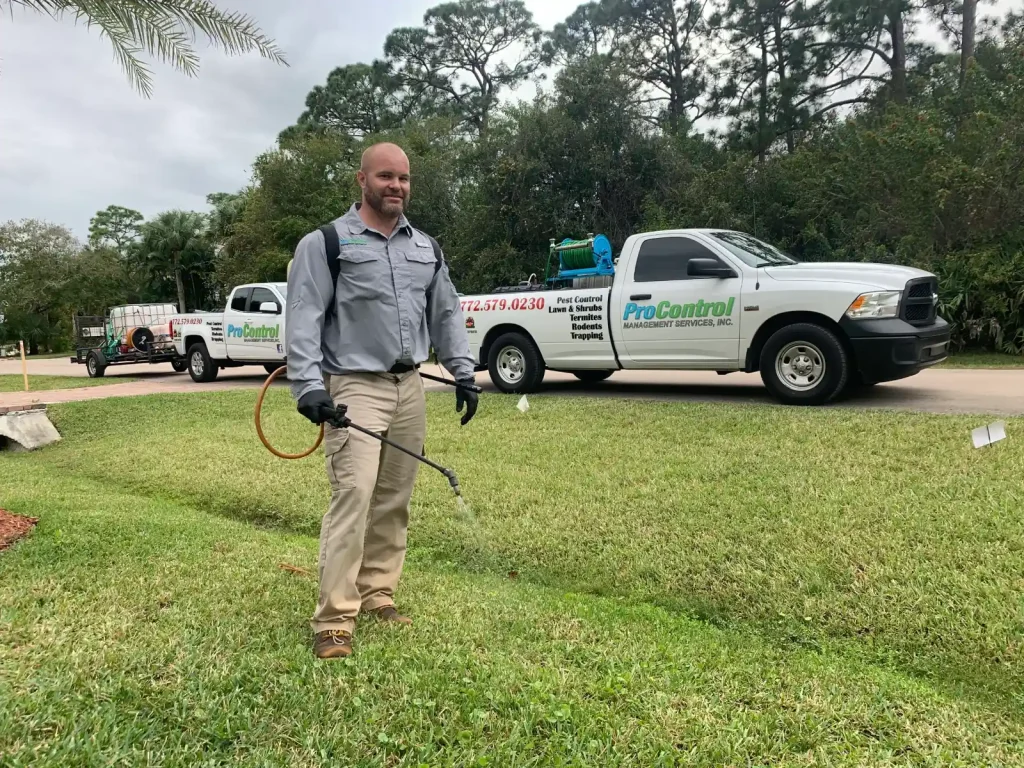
A lot of people assume pest control is just a guy with a sprayer and a flat fee. In reality, the cost of any service reflects a handful of factors that genuinely matter to how well the job gets done.
The type of pest is the biggest variable. Treating a ghost ant trail in your kitchen is a different job than eliminating a subterranean termite colony working its way through your home’s foundation. Termites in St. Lucie County are particularly aggressive — the sandy soil and year-round warmth here create near-perfect conditions for them to spread, which is part of why termite treatment costs more than a routine pest visit and why cutting corners on it is a bad idea.
Property size matters too. A 1,200-square-foot bungalow near the North Fork of the St. Lucie River and a 3,000-square-foot home in Tradition are going to have different scopes of work. More square footage means more inspection time, more product, and more labor.
Severity and how long the problem has gone untreated also affects price significantly. A rodent issue caught early — before they’ve nested in the attic insulation — is considerably less expensive to resolve than one that’s been active for months. This is one reason why our ongoing preventive service tends to cost less over time than repeated emergency calls.
Finally, treatment method plays a role. Liquid treatments, baiting systems, exclusion work, T.A.P. insulation installation — each has a different cost profile. We always explain what method we’re recommending and why before any work begins, so you know exactly what you’re paying for.
Here’s something worth knowing about Florida specifically: pest season doesn’t end. In most of the country, winter gives homeowners a break — temperatures drop, insect activity slows, and pest pressure eases. That doesn’t happen in St. Lucie County. The same subtropical climate that makes the Treasure Coast a great place to live also means termites, ants, mosquitoes, and cockroaches stay active twelve months a year.
That’s why our ongoing service plans make more financial sense here than they do in northern markets. A monthly or bi-monthly plan typically runs $40 to $70 per visit. A quarterly plan runs $100 to $300 per visit depending on what’s included. Compare that to a one-time emergency treatment at $300 to $500, and the math is fairly clear — especially when you factor in that a single visit doesn’t prevent the next infestation.
Ongoing service also gives us the chance to catch problems early. We’re on your property regularly, which means we notice things before they become expensive — a new termite mud tube near the garage, early signs of rodent activity in the soffit, a moisture problem that’s attracting pests. That kind of proactive attention is what separates a pest control plan from just calling someone when things get bad.
One-time treatments do make sense in some situations — a targeted bed bug treatment, a specific wildlife removal, or a pre-sale termite inspection. But for the general pest pressure that comes with living in St. Lucie County, a recurring plan is almost always the more cost-effective choice over a 12-month period.
This is where a lot of homeowners get burned. The quote sounds reasonable, the technician seems professional, and then the bill doesn’t match what you agreed to. It happens more often than it should in this industry.
The most common issues: automatic contract renewals that kick in without notice, cancellation fees buried in the fine print, charges for services that were never discussed, and multi-year lock-in agreements that are nearly impossible to exit. These aren’t hypothetical — consumer protection agencies have issued formal warnings about exactly these practices in the pest control industry.
Our approach is straightforward. What we quote is what you pay. No automatic renewals you didn’t agree to, no surprise line items, no fees that appear after the fact. That’s not a slogan — it’s how we’ve operated in Port St. Lucie since 2006.
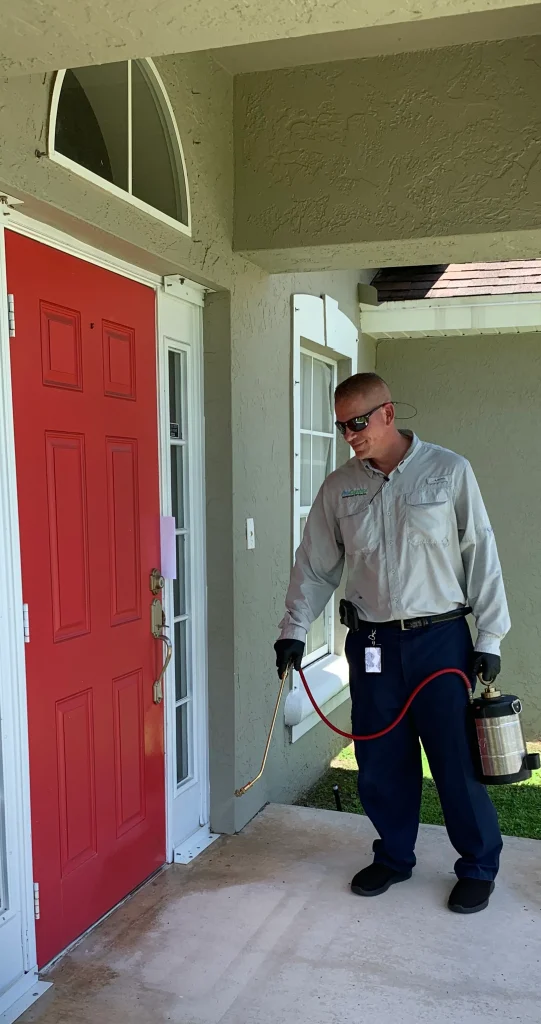
The cheapest quote is rarely the cheapest outcome. We hear this from new customers regularly — they tried a lower-cost service first, it didn’t hold, and now they’re calling us to fix what the first company couldn’t. At that point, they’ve paid twice and still had the problem in between.
Value in pest control comes down to a few things that don’t always show up in the quote. Do we do a real inspection before treatment, or spray the same thing regardless of what pest you have? Do we identify entry points and root causes, or just address the surface problem? Do we follow up, or is it one visit and done?
A satisfaction guarantee matters here too. When a company stands behind its work, it changes the dynamic — we’re invested in the outcome, not just the transaction. We back every service we perform. If something isn’t right, we make it right. That’s not a common promise in this industry, and it should factor into how you compare options.
Licensing is another thing worth verifying before you hire anyone. In Florida, pest control companies are required to hold a valid license from the Florida Department of Agriculture and Consumer Services. Our license number is JE79547 — it’s verifiable, and it means every treatment we perform meets Florida’s regulatory standards. Not every company you’ll find advertising in St. Lucie County can say the same.
Eco-friendly methods are also worth asking about, especially if you have kids, pets, or you’re near one of the county’s many waterways. The Indian River Lagoon runs along the eastern edge of St. Lucie County, and the St. Lucie River winds through Port St. Lucie itself. We use environmentally conscious products as a standard practice — not as an upgrade or an add-on.
Termites and rodents are in a different cost category than general pest control — and for good reason. These aren’t nuisance pests. They’re structural threats. Termites cause billions of dollars in property damage across the U.S. every year, and in St. Lucie County’s warm, humid climate, they don’t slow down in winter the way they might elsewhere. Subterranean termites travel through our sandy soil with ease, which means a colony can be active well beyond what’s visible from the surface.
Rodents carry their own set of risks. Once they’re in your attic, they’re chewing through insulation, wiring, and structural material. They leave behind droppings and contaminants that require professional sanitization to address safely. The cost of not treating a rodent problem is almost always higher than the cost of treating it early.
We specialize in both. It’s not a side service — termite and rodent control is where we’ve built our deepest expertise over nearly two decades in this market. We’re often called in after another company has already attempted treatment and the problem persisted. That’s a pattern we see often enough that it’s shaped how we approach every job: thorough inspection first, customized treatment second, and follow-up until the problem is actually resolved.
If you’re a homeowner in a newer development like Tradition or PGA Village, it’s also worth knowing that new construction disturbs established pest colonies in the soil. Termites and rodents displaced by development don’t disappear — they relocate, often into the nearest existing structure. That’s a real dynamic in fast-growing parts of St. Lucie County, and it’s one reason we recommend proactive inspections even for homes that seem pest-free.
Pest control cost in St. Lucie County isn’t a mystery — it’s a range, and where you land in that range depends on what you’re dealing with, how long it’s been going on, and who you hire to fix it. The goal of this page was to give you enough real information to make a confident decision, not just a number to compare against the next quote.
What we’d add is this: price matters, but it’s not the only thing that matters. A thorough inspection, a clear treatment plan, honest communication, and a company that follows through — those things affect the outcome more than the difference between two quotes.
If you’re in Port St. Lucie, Fort Pierce, or anywhere along the Treasure Coast and you want a straight answer on what your situation will cost, we offer free estimates with no obligation. We’ve been doing this in St. Lucie County since 2006, and we’re not going anywhere.
Article details:
Share:
Continue learning: