After a storm, pests move fast. Here's what St. Lucie County homeowners need to know about protecting their homes before the next one hits.
Share:
Summary:
The storm passes. The cleanup begins. And somewhere in the middle of dealing with insurance adjusters, downed fences, and wet carpet, pests quietly move in.
It happens fast — faster than most homeowners expect. In St. Lucie County, where the combination of heat, humidity, and hurricane exposure is unlike almost anywhere else in the country, post-storm pest pressure is one of the most overlooked parts of storm recovery. You’re focused on the visible damage. Pests are focused on the gaps that damage created.
This page covers what to look for, what to do first, and when it’s time to call in a professional.
The best time to think about post-storm pests is before the storm arrives. That’s not just a saying — it’s genuinely practical. A home that’s been properly sealed and inspected before a hurricane is far less vulnerable to pest entry after one.
Start with your roofline. Loose soffits, deteriorating fascia boards, and damaged roof vents are the most common entry points for rodents and insects after a storm, and they’re often already compromised before the wind even picks up. Walk your exterior and look for gaps where utilities enter the structure, cracks along the foundation, and any area where wood meets soil directly. These are the places that storm damage will exploit first.
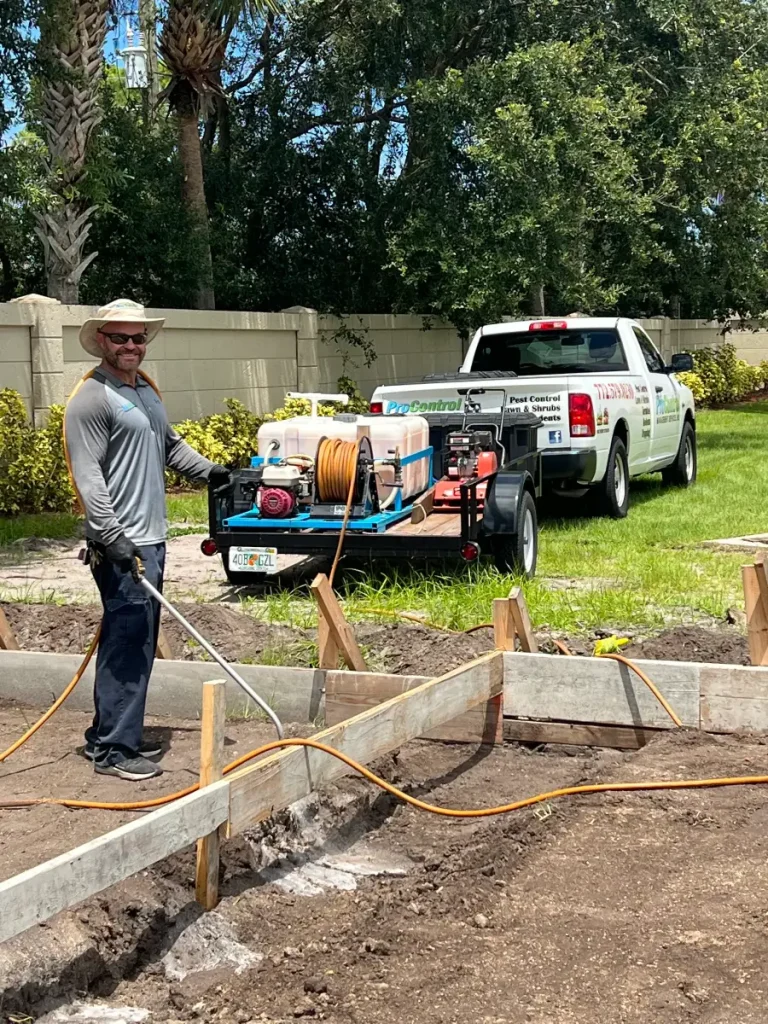
When a storm moves through St. Lucie County, it doesn’t just break things — it shifts things. A soffit that was flush last week may have a half-inch gap after wind gusts. A roof vent that was fully screened may have lost its mesh. Window frames swell, caulk cracks, and the small imperfections that were never quite a problem become open invitations.
Rodents are the most immediate concern. Roof rats — a common pest throughout Port St. Lucie and the surrounding Treasure Coast — can squeeze through a hole the size of a quarter. After a storm, they’re also displaced from their outdoor habitats and actively looking for dry shelter. Your attic, wall voids, and garage are exactly what they’re searching for. They typically move indoors within the first 24 to 48 hours after flooding or major wind events.
Termites respond differently but just as quickly. Moisture-damaged wood is softer, more accessible, and more attractive to subterranean termite colonies. If your home sustained any water intrusion — whether from roof damage, flooding, or even prolonged humidity inside a closed structure — that wood becomes a target. This is worth taking seriously in St. Lucie County specifically, where Formosan termites are now established across most coastal Florida counties. These are aggressive, fast-moving colonies. They don’t wait for an engraved invitation.
Fire ants add another layer to the post-storm picture. During flooding, fire ant colonies form floating rafts — tens of thousands of ants clumped together — and drift until they reach something solid. That something is often a home’s foundation, a porch, or an exterior wall. If you’ve seen unusually large fire ant activity near your home after a storm, this is why. It’s not random. It’s survival behavior, and it puts them directly at your doorstep.
Standing water after a storm is more than an inconvenience. It’s a mosquito breeding site that starts the clock the moment the rain stops. Mosquitoes can complete their development from larvae to biting adults in as little as 10 to 14 days. In St. Lucie County’s heat, that timeline can be even shorter. What looks like a minor drainage issue in your yard on a Monday can be a full mosquito surge by the following weekend.
The moisture concern goes beyond standing water, though. Saturated soil against your foundation creates the warm, damp environment that subterranean termite colonies thrive in. Water that got into your walls or attic during the storm will linger for days, sometimes weeks, softening wood and creating conditions that attract both termites and carpenter ants. If your home has any areas where water pooled inside — even briefly — those spots warrant a closer look before you assume everything dried out on its own.
Gutters are a specific problem that often gets overlooked. Storm debris clogs gutters, water backs up, and that moisture sits against your roofline and fascia for extended periods. It’s one of the reasons we also offer gutter guard installation — not just as a convenience, but as a genuine pest prevention measure. A clogged gutter after a storm is one of the quieter contributors to long-term moisture damage and the pest activity that follows it.
The practical step here is straightforward: address standing water and drainage issues within the first 24 to 48 hours after a storm if possible. Clear debris from gutters, check that downspouts are directing water away from the foundation, and look for any areas where water is pooling close to the structure. These aren’t glamorous tasks, but they directly reduce your pest exposure in the weeks that follow.
There’s a window after a storm where professional intervention makes a significant difference. Once pests establish themselves inside a structure — once rodents nest in an attic or a termite colony begins working through water-damaged framing — the problem is harder to resolve and the damage accumulates quickly. Acting in the first few days after a storm clears is not overcautious. It’s the right call.
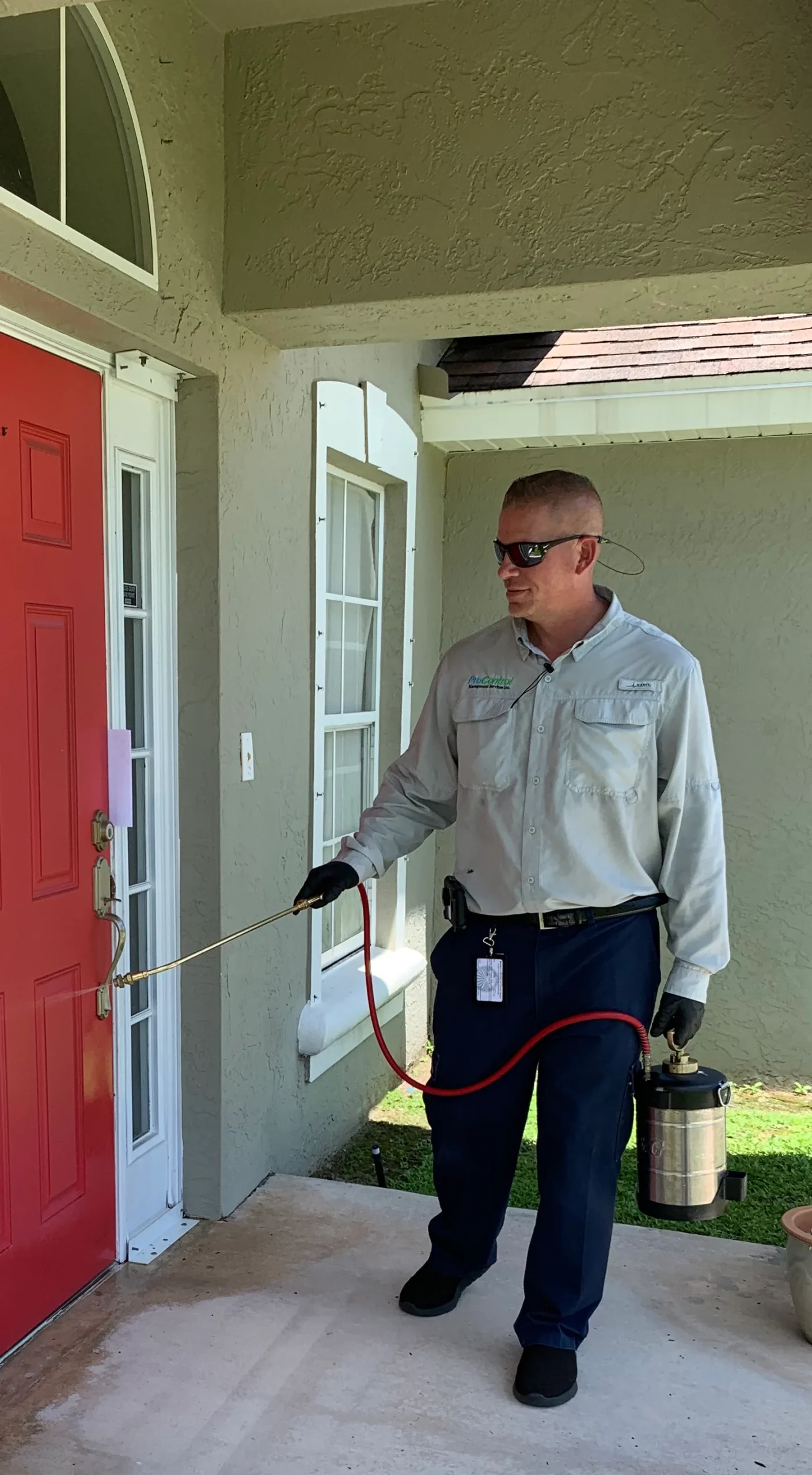
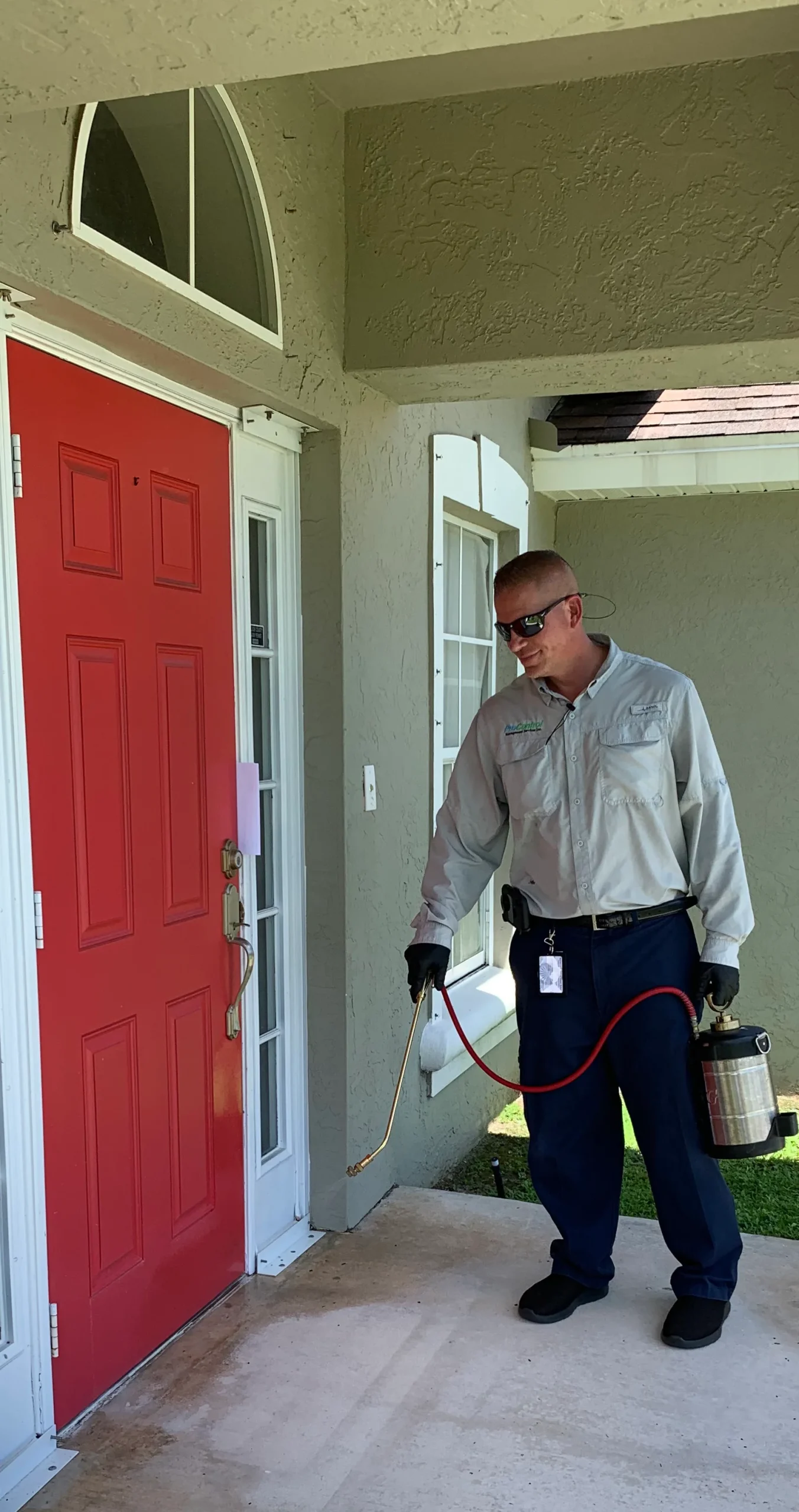
We offer 24/7 emergency pest control services for exactly this reason. Post-storm pest problems don’t follow business hours, and waiting until Monday to schedule an appointment can mean a week of unchecked access for whatever moved in after the storm passed. If you’re seeing signs of pest activity in the days after a hurricane — rodent droppings, fire ant mounds near the foundation, unusual insect activity inside the home — that’s something to address immediately.
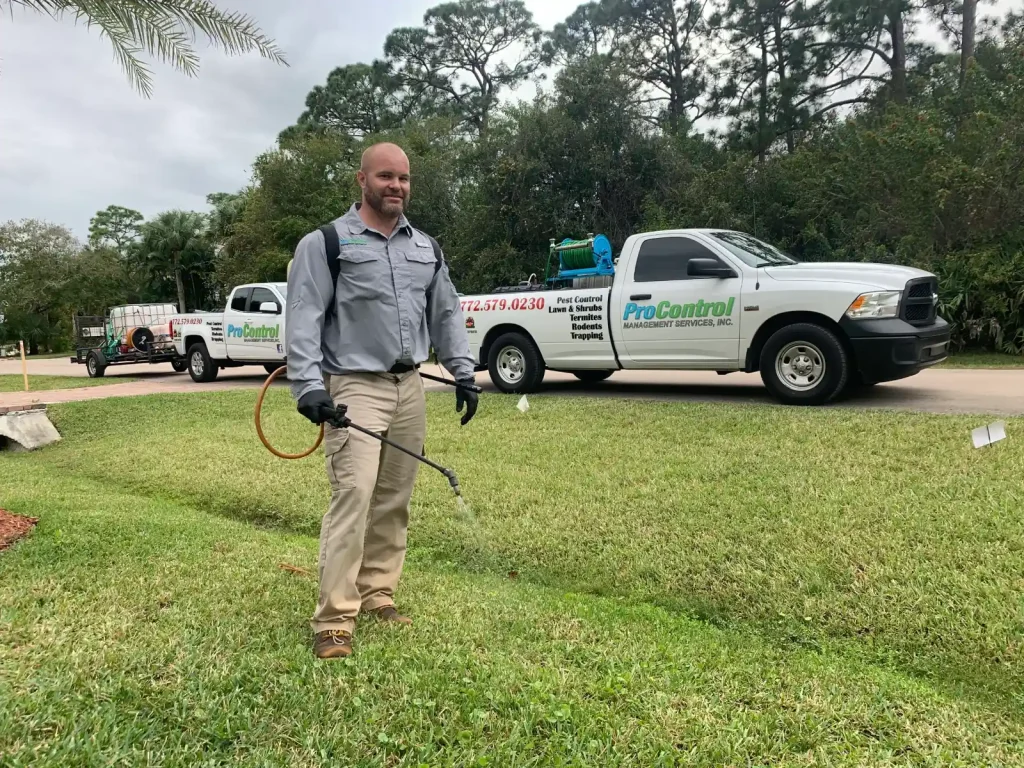
A post-storm inspection is different from a routine pest check. The goal isn’t just to identify active pests — it’s to map every entry point that the storm may have created or worsened, assess moisture conditions that could drive future infestations, and give you a clear picture of what your home is actually dealing with.
We’ve been serving St. Lucie County since 2006, which means we’ve worked through multiple hurricane seasons in this specific community. We know what the typical storm damage pattern looks like in Treasure Coast homes — the roofline vulnerabilities, the foundation issues, the attic access points that get compromised when wind lifts and shifts roofing materials. That institutional knowledge matters when you’re trying to find the entry point that isn’t obvious.
Our inspections are thorough by design, not by accident. Customers often tell us we caught something another company missed — a gap behind a utility penetration, a compromised vent screen, a section of damaged soffit that wasn’t visible from ground level. Post-storm, those missed details are exactly where pests find their way in. We offer a free estimate because the right starting point is always a real look at what’s actually happening, not a guess.
One storm season doesn’t end the risk — it resets it. In St. Lucie County, where hurricane season runs from June through November every single year, pest prevention needs to be an ongoing part of how you maintain your home, not a one-time reaction to a specific event.
The most effective long-term approach combines physical exclusion with regular professional monitoring. Physical exclusion means sealing the gaps — caulking around utility penetrations, repairing or replacing damaged vent screens, keeping wood mulch and soil away from direct contact with your foundation. These are the structural habits that reduce your baseline vulnerability before any storm arrives. If your attic insulation was damaged during a storm, it’s also worth knowing that T.A.P. Insulation — a product we install — functions as both insulation and a permanent pest deterrent. It’s a practical upgrade when you’re already replacing damaged material.
Regular professional monitoring matters because the conditions in St. Lucie County change constantly. The heat and humidity that make this area such a desirable place to live also make it one of the most pest-active markets in the country. Rodent populations shift with development and land clearing. A bi-monthly or quarterly service plan keeps a professional set of eyes on your property on a regular basis — not just after something goes wrong.
We’re licensed through the Florida Department of Agriculture and Consumer Services (license numbers JE79547 and JF265009), fully insured, and we stand behind every service with a satisfaction guarantee. That means if the problem isn’t resolved, we come back. For homeowners managing the long-term reality of living in a storm-prone area, that kind of accountability matters.
Post-storm pest problems are predictable. That’s actually good news, because predictable problems can be prepared for. The homes that fare best after a hurricane in St. Lucie County are the ones where the owners understood the risk before the storm, addressed entry points and moisture quickly after it, and had a professional they trusted to help them assess what they couldn’t see on their own.
If you’re in the middle of storm recovery right now and you’re starting to notice pest activity — or you just want to make sure nothing has moved in before it becomes obvious — don’t wait on it. The window to act early is short.
We’ve been serving Port St. Lucie and the broader Treasure Coast since 2006. Reach out for a free estimate, any time of day.
Article details:
Share:
Continue learning: