Gutter guards create barriers that prevent rodents from accessing debris-filled gutters, reducing pest activity on your roof and protecting your St. Lucie County home.
Share:
Summary:
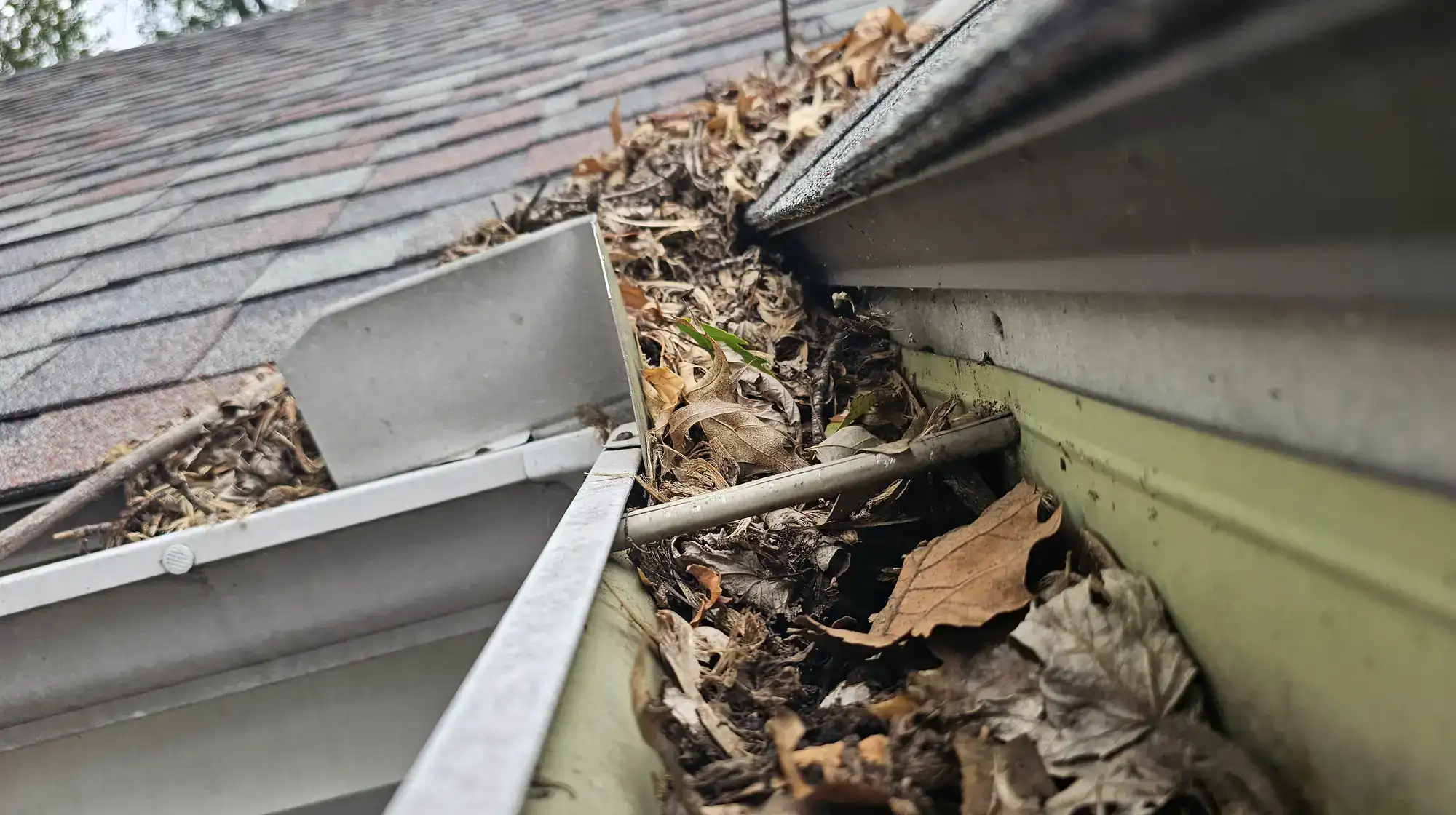
Your gutters weren’t designed to be pest motels, but that’s exactly what happens when they fill up with debris. Leaves, twigs, and organic matter create the perfect environment for rodents to build nests and raise their young.
The problem gets worse during Florida’s cooler months when rodents actively seek warm, sheltered spaces. A gutter packed with decomposing leaves offers both nesting material and protection from the elements. Once they’re established, these pests don’t stay put—they use your gutter system as a launching pad to access your attic, walls, and the rest of your home.
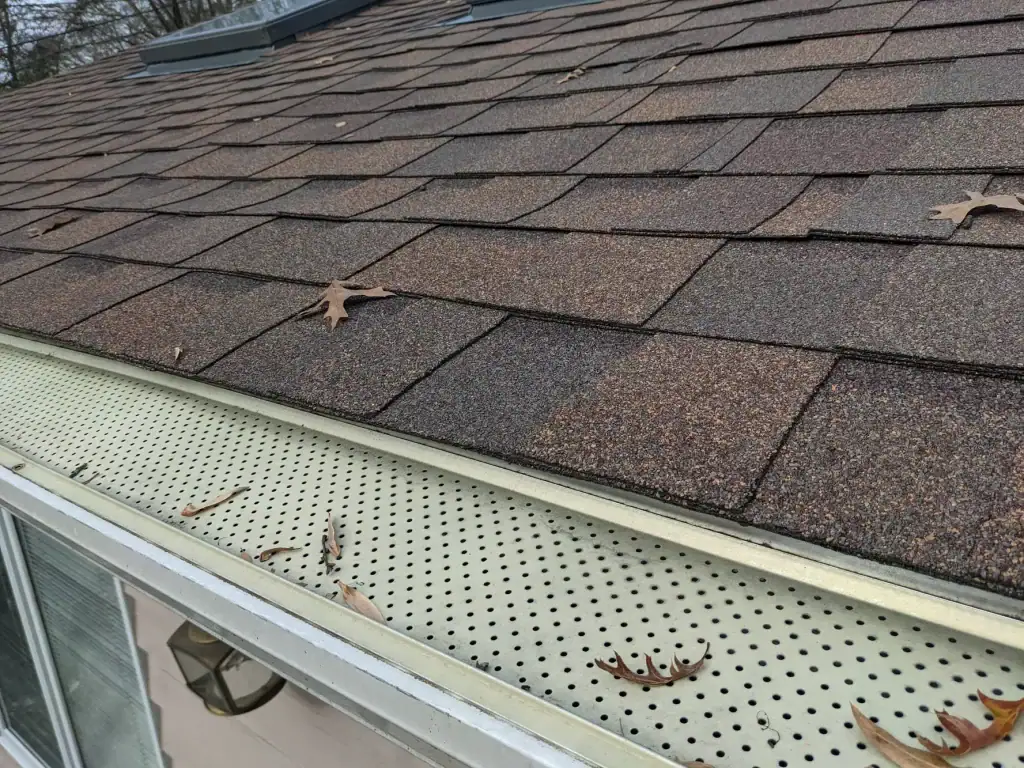
Florida’s year-round warmth and frequent storms create unique challenges that make gutter maintenance more critical than in other states. Heavy rainfall washes organic debris into your gutters, where it stays wet and begins decomposing. This creates an ideal breeding ground for insects, which in turn attracts the rodents that feed on them.
The state’s lush vegetation means there’s always something falling into your gutters. Palm fronds, oak leaves, pine needles, and seed pods accumulate faster than in most other climates. In St. Lucie County specifically, the combination of coastal moisture and abundant tree cover accelerates this process.
What makes this particularly problematic is Florida’s lack of a true winter. While northern climates get a break when cold weather kills off pest populations, Florida rodents remain active year-round. They reproduce continuously, with rats having up to six litters per year and mice producing five to ten. A small problem in your gutters can quickly become a major infestation throughout your home.
The humid conditions also mean that organic matter in your gutters doesn’t just dry out and blow away—it stays moist and continues decomposing, creating increasingly attractive conditions for pests. This is why Florida homeowners need more frequent gutter maintenance and stronger preventive measures than homeowners in drier, colder climates.
Most homeowners focus on the obvious costs of pest control services, but gutter-related rodent problems create expenses that go far beyond a single exterminator visit. When rodents use your gutters as their base of operations, they’re positioned to cause damage throughout your property.
Water damage is often the most expensive consequence. Rodents can chew through gutter materials and downspouts, creating leaks that direct water toward your foundation instead of away from it. One Port St. Lucie homeowner recently faced $3,500 in fascia repair costs after rodents damaged his gutter system, allowing water to overflow and rot the wood trim around his roofline.
The structural damage doesn’t stop there. Rodents that nest in gutters often move into attics, where they chew through insulation, electrical wiring, and wooden support beams. Insurance companies rarely cover rodent damage, meaning these repairs come directly out of your pocket. The average pest control service visit costs around $171, but extensive infestations requiring multiple treatments and repairs can easily reach thousands of dollars.
Health risks add another layer of concern. Rodents carry diseases like salmonellosis, hantavirus, and rat-bite fever. Their droppings and urine contaminate insulation and create airborne particles that can affect your family’s respiratory health. Professional cleanup and sanitization services become necessary, adding to your overall costs.
The longer you wait to address the problem, the more expensive it becomes. What starts as a minor gutter cleaning issue can escalate into major structural repairs, health hazards, and recurring pest control treatments.
Gutter guards work by creating physical barriers that prevent rodents from accessing the debris that attracts them in the first place. Instead of having open gutters filled with nesting materials, you have covered systems that allow water to flow while keeping pests out.
The key is in the design. Quality gutter guards use materials like stainless steel or aluminum mesh that’s fine enough to block debris but strong enough to resist chewing. This eliminates both the food sources and nesting materials that draw rodents to your gutters initially.
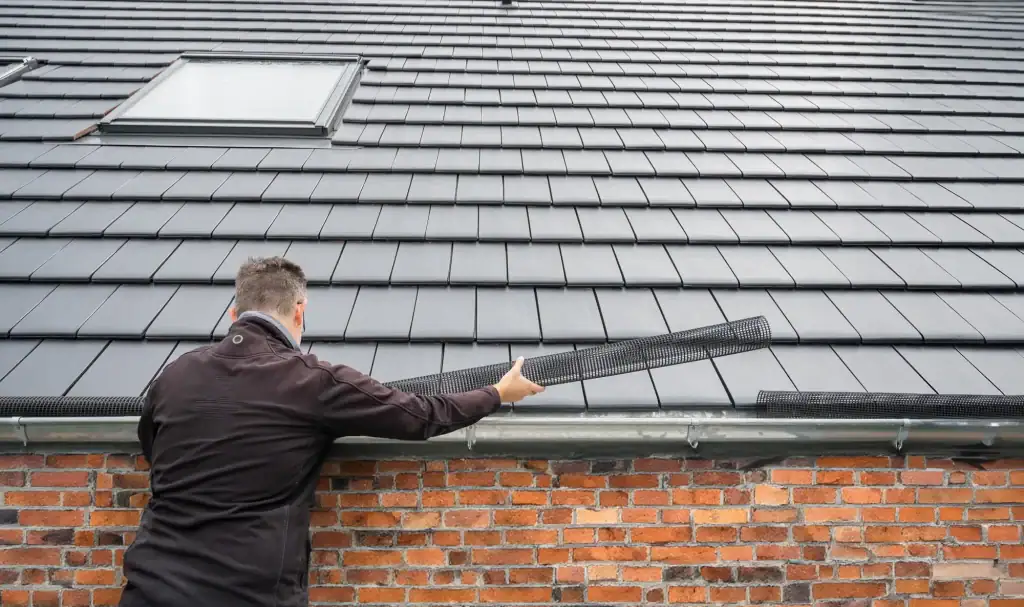
Not all gutter guards offer the same level of pest protection, and understanding the differences helps you choose the right system for your St. Lucie County home. Mesh guards are among the most effective for rodent prevention because they create complete barriers over your gutters while still allowing water flow.
Micro-mesh systems use extremely fine stainless steel screens that block even small debris like pine needles and seed pods. These cost more upfront—typically around $9 per linear foot—but they provide superior protection against both debris and pests. The fine mesh prevents rodents from squeezing through while ensuring proper drainage during Florida’s heavy downpours.
Surface tension guards use a curved design that allows water to flow into the gutter while debris slides off. These work well for larger debris but may allow smaller materials through, potentially creating some nesting opportunities for determined rodents. They typically cost $3-8 per linear foot.
Brush guards and foam inserts are less expensive options, but they’re also less effective for pest control. These systems can actually trap debris and create the exact conditions you’re trying to avoid. Rodents can nest in the brush bristles or chew through foam materials.
For maximum pest prevention in Florida’s challenging climate, professional-grade micro-mesh or solid surface systems offer the best protection. While they require a higher initial investment, they eliminate the ongoing costs of pest control treatments and gutter cleaning services.
Proper installation is crucial for gutter guards to effectively prevent pest access. Even the highest-quality materials won’t work if they’re not installed correctly, leaving gaps that rodents can exploit to reach your gutters.
Professional installation ensures that guards fit tightly against your roofline and that all potential entry points are sealed. This includes proper securing at the fascia board and ensuring that downspouts are also protected with appropriate screens or guards. DIY installation might save money initially, but improper fitting can actually make pest problems worse by creating false security.
The installation process also involves evaluating your existing gutter system. Damaged or improperly pitched gutters need repair before guards can be effective. A professional installer will check for proper water flow, secure all connections, and ensure that the entire system works together to prevent both water damage and pest access.
Timing matters too. In St. Lucie County, the best time for installation is during drier months when technicians can properly assess your roof and gutter conditions. Installing during Florida’s rainy season can compromise the quality of the work and leave temporary gaps that pests can exploit.
Quality installations also include warranties that cover both materials and workmanship. This protection ensures that if rodents do find ways around your guards, the installer will return to address the problem at no additional cost. Given the potential expenses of rodent damage, this warranty coverage provides valuable peace of mind for homeowners.
Gutter guards aren’t just about reducing maintenance—they’re about protecting your home from costly pest infestations that start in debris-filled gutters. By creating physical barriers that prevent rodents from accessing nesting materials, quality gutter protection systems eliminate one of the most common entry routes pests use to invade Florida homes.
The investment in professional gutter guards pays for itself through reduced pest control costs, prevented structural damage, and eliminated health risks. For St. Lucie County homeowners dealing with Florida’s unique combination of year-round pest activity and frequent storms, gutter protection is essential home maintenance.
If you’re ready to stop rodents from using your gutters as their personal highway system, we can help you choose and install the right gutter protection system for your home.
Article details:
Share:
Continue learning: