Learn to spot bed bug warning signs before a small problem becomes a major infestation in your Florida home.
Share:
Summary:
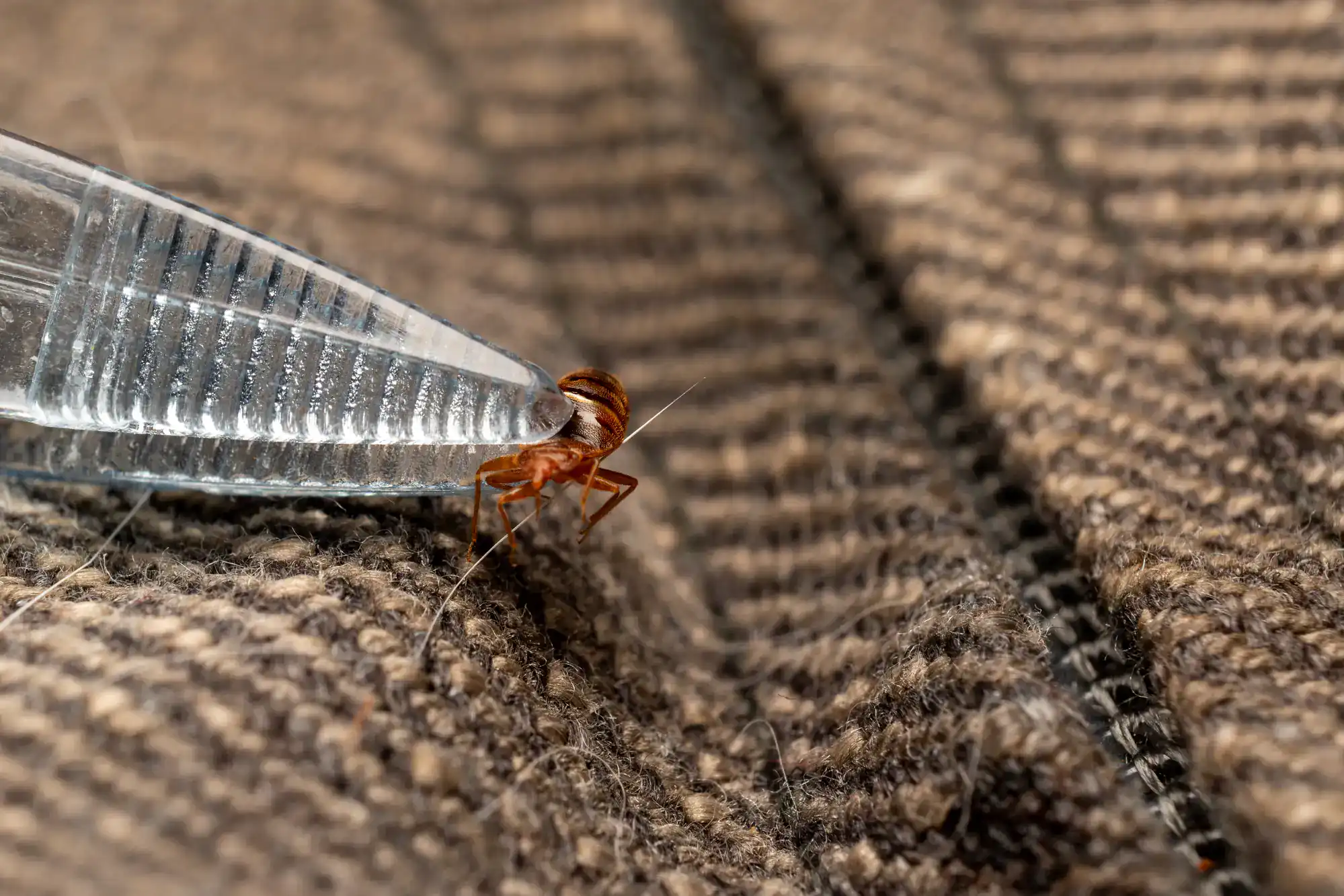
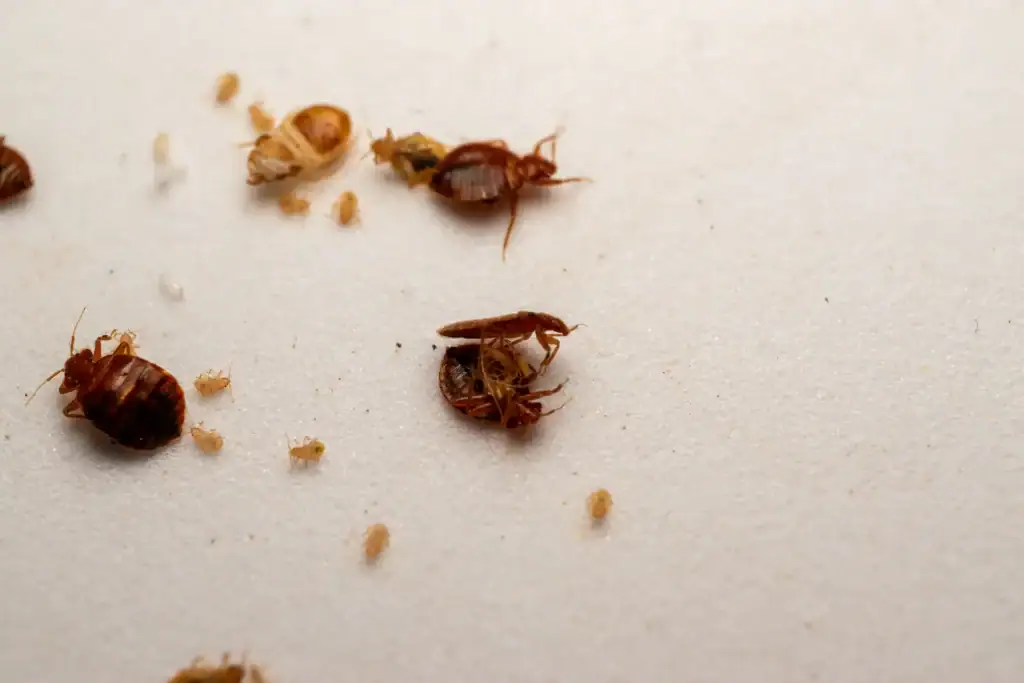
The most reliable indicators include visible bed bugs, blood stains, and bed bug excrement. You might also find small, reddish-brown insects, tiny blood stains on sheets, and molted bed bug skins around your sleeping areas.
Look on fabric surfaces of beds or furniture for rusty or reddish stains from crushed bed bugs, plus eggs and eggshells which are very tiny. Dark spots about the size of a period indicate bed bug excrement. These physical traces often appear before you ever see a live bug.
If you wake up with itchy, red welts on your skin, this could signal bed bugs in your home, with bites often appearing in clusters on exposed areas including arms, legs, neck, and face. However, bed bug bites can be tricky to identify since they can look like other insect bites from mosquitoes or fleas.
The two main things to look for are the pattern and areas bitten, as bed bug bites generally show up on areas exposed at night and may form a line or zigzag shape. Not everyone reacts to bed bug bites the same way. Some people develop no visible reaction at all, while others experience allergic reactions such as welts or prolonged itching.
The timing matters too. Bed bugs feed exclusively on blood, generally at night, so bites that appear after sleeping are more suspicious than random daytime welts. Bites typically appear on parts of the body that remain exposed while sleeping, such as the neck, arms, or upper body. If you’re noticing a pattern of bites that wasn’t there before bedtime, especially in areas that were uncovered during sleep, bed bugs could be the culprit.
A musty odor can indicate bed bug presence, especially when infestations become more established. The Environmental Protection Agency states that a sweet and musty odor indicates a severe infestation. This distinctive smell comes from the bugs’ scent glands and can become quite noticeable in heavily infested rooms.
If you notice this smell in your bedroom or other areas of your home, it could be a sign that bed bugs are present. The odor is often described as similar to overripe raspberries or almonds, though not everyone can detect it. We are trained to recognize this scent during our inspections.
Beyond smell, you might notice other subtle changes in your sleeping environment. Bed bugs can leave behind small rust-colored or dark stains on pillowcases and sheets from their feeding activities. Bed bugs molt and shed their skin in mattress creases, around mattress edges, and in crevices that serve as hiding places. These shed skins are translucent and can accumulate in areas where bugs congregate, providing another visual clue to their presence.
Bed bugs and their signs can be found in walls, flooring, ceilings, furniture (especially tube beds and upholstered items), mattresses and along mattress seams, and behind electric outlet covers and baseboards. Bed bugs are excellent at hiding and often go undetected for weeks in mattresses, box springs, bed frames, headboards, and couches.
Understanding their preferred hiding spots helps you conduct more effective inspections. Bed bugs love to hide in small, dark spaces and typically come out to feed after dark, though they’ll emerge during daylight if hungry enough.

Your bedroom provides the perfect environment for bed bugs since they prefer to stay close to their food source—you. If physical signs aren’t immediately visible, try looking in the piping, seams, and tags of mattresses or furniture, as the box spring is a favorite hiding spot along with cracks in bed frames or headboards.
Bed bugs can also hide in luggage, backpacks, clothing, and behind wall hangings, electrical outlets, and baseboards in tiny gaps and cracks. Check curtains and window treatments, especially where fabric folds create dark hiding spaces. Picture frames, alarm clocks, and bedside furniture also provide excellent harborage areas.
Don’t overlook upholstered furniture in bedrooms. They can be found in couches and upholstered chairs, hiding in cushions, crevices, and under fabric. Even carpet edges and baseboards near sleeping areas should be inspected, as bed bugs can travel considerable distances from their hiding spots to reach their host. Remember, bed bugs are generally nocturnal, so it can be difficult to find evidence during the day.
Bed bugs can appear in living rooms, especially in and around couches and chairs, finished basements with couches and furniture, and playrooms with carpeting and furniture. Technically, you can find bed bugs in any part of your home, though they prefer areas where people spend extended periods resting or sleeping.
They can spread easily through apartment buildings, hotels, and dormitories, traveling via walls, vents, and pipes. In St. Lucie County’s humid climate, bed bugs can survive longer in various environments, making thorough inspections even more important. Multi-unit housing like condos and apartments present particular challenges since bed bugs can migrate between units through shared walls and utility connections.
Check any furniture where family members regularly sit or lie down for extended periods. Home offices with upholstered chairs, family rooms with recliners, and even children’s playrooms can harbor bed bugs if conditions are right. To spot bed bugs, look in and along mattress seams and bedding, in curtain and furniture folds, inside cracks or crevices in walls, behind picture frames and mirrors, under loose wallpaper seams, on recently used luggage or backpacks, inside electronics, and inside clothing or cluttered areas such as closets.
Dealing with bed bugs isn’t a job for most homeowners to do on their own, as these pests are persistent and can survive up to a year without feeding. As soon as you notice any bed bugs signs and symptoms, it’s important to act quickly since you’re almost certainly going to need professional help to get rid of them.
If you suspect bed bugs in your home, don’t wait for the problem to spread, as early action is the key to affordable, successful bed bug removal. We have been the local expert in bed bug removal since 2006, using the most up-to-date methods for finding, removing, and preventing bed bugs from returning. Contact us today for your free bed bug inspection and let our experienced team restore your peace of mind.
Article details:
Share:
Continue learning: